
Anson Abraham
Data Lord
Chose Looker

| Product | Rating | Most Used By | Product Summary | Starting Price |
|---|---|---|---|---|
 Confluent | N/A | Confluent Cloud is a cloud-native service for Apache Kafka used to connect and process data in real time with a fully managed data streaming platform. Confluent Platform is the self-managed version. | $385 per month | |
 Looker | N/A | Looker is a BI application with an analytics-oriented application server that sits on top of relational data stores. It includes an end-user interface for exploring data, a reusable development paradigm for data discovery, and an API for supporting data in other systems. | N/A | |
 QlikView | N/A | QlikView® is Qlik®’s original BI offering designed primarily for shared business intelligence reports and data visualizations. It offers guided exploration and discovery, collaborative analytics for sharing insight, and agile development and deployment. | N/A |
| Confluent | Looker | QlikView | ||||||||||||||||||||||
|---|---|---|---|---|---|---|---|---|---|---|---|---|---|---|---|---|---|---|---|---|---|---|---|---|
| Editions & Modules |
| No answers on this topic |
| |||||||||||||||||||||
| Offerings |
| |||||||||||||||||||||||
| Entry-level Setup Fee | No setup fee | Required | Optional | |||||||||||||||||||||
| Additional Details | Confluent monthly bills are based upon resource consumption, i.e., you are only charged for the resources you use when you actually use them: Stream: Kafka clusters are billed for eCKUs/CKUs ($/hour), networking ($/GB), and storage ($/GB-hour). Connect: Use of connectors is billed based on throughput ($/GB) and a task base price ($/task/hour). Process: Use of stream processing with Confluent Cloud for Apache Flink is calculated based on CFUs ($/minute). Govern: Use of Stream Governance is billed based on environment ($/hour). Confluent storage and throughput is calculated in binary gigabytes (GB), where 1 GB is 2^30 bytes. This unit of measurement is also known as a gibibyte (GiB). Please also note that all prices are stated in United States Dollars unless specifically stated otherwise. All billing computations are conducted in Coordinated Universal Time (UTC). | Must contact sales team for pricing. | On an perpetual license basis, based on server plus number of users. Contact vendor for pricing. | |||||||||||||||||||||
| More Pricing Information | ||||||||||||||||||||||||
| Confluent | Looker | QlikView | |
|---|---|---|---|
| Considered Multiple Products |  Confluent No answer on this topic |  Looker Anson Abraham Data Lord Chose Looker  Purav Vaidya Vice President, Mobile technology Chose Looker Looker stacks up very well against the other tools we have evaluated and used. All the tools have their own pros and cons. Looker had a better edge in terms of visualizations when we chose to use it. After several updates, other tools began to have newer features. Looker still …  Mohammed Anzil Founder and Chief Editor Chose Looker I think working on Looker could be hard, but in performance, it can easily overtake Wave and Zoho Reports. The flexibility of the system and it being super fast makes Looker a standalone from other similar software. |  QlikView No answer on this topic |
| Confluent | Looker | QlikView | |||||||||||||||||||||||||||||||
|---|---|---|---|---|---|---|---|---|---|---|---|---|---|---|---|---|---|---|---|---|---|---|---|---|---|---|---|---|---|---|---|---|---|
| Streaming Analytics |
| ||||||||||||||||||||||||||||||||
| BI Standard Reporting |
| ||||||||||||||||||||||||||||||||
| Ad-hoc Reporting |
| ||||||||||||||||||||||||||||||||
| Report Output and Scheduling |
| ||||||||||||||||||||||||||||||||
| Data Discovery and Visualization |
| ||||||||||||||||||||||||||||||||
| Access Control and Security |
| ||||||||||||||||||||||||||||||||
| Mobile Capabilities |
|
| Confluent | Looker | QlikView | |
|---|---|---|---|
| Small Businesses |  IBM Streams (discontinued) Score 9.0 out of 10 |  Yellowfin Score 8.6 out of 10 | Yellowfin Score 8.6 out of 10 |
| Medium-sized Companies |  Tealium Customer Data Hub Score 8.5 out of 10 |  Reveal Score 10.0 out of 10 | Reveal Score 10.0 out of 10 |
| Enterprises |  Spotfire Streaming Score 5.1 out of 10 |  Kyvos Semantic Layer Score 9.5 out of 10 | Kyvos Semantic Layer Score 9.5 out of 10 |
| All Alternatives | View all alternatives | View all alternatives | View all alternatives |
| Confluent | Looker | QlikView | |
|---|---|---|---|
| Likelihood to Recommend | 10.0 (2 ratings) | 8.3 (134 ratings) | 7.6 (88 ratings) |
| Likelihood to Renew | - (0 ratings) | 9.2 (8 ratings) | 8.8 (29 ratings) |
| Usability | - (0 ratings) | 8.8 (12 ratings) | 8.0 (15 ratings) |
| Availability | - (0 ratings) | 10.0 (1 ratings) | 9.8 (4 ratings) |
| Performance | - (0 ratings) | 6.0 (1 ratings) | 8.6 (4 ratings) |
| Support Rating | 10.0 (1 ratings) | 8.8 (14 ratings) | 3.3 (15 ratings) |
| Online Training | - (0 ratings) | - (0 ratings) | 8.0 (3 ratings) |
| Implementation Rating | - (0 ratings) | 10.0 (1 ratings) | 7.4 (13 ratings) |
| Configurability | - (0 ratings) | 10.0 (1 ratings) | - (0 ratings) |
| Contract Terms and Pricing Model | - (0 ratings) | 10.0 (1 ratings) | - (0 ratings) |
| Ease of integration | - (0 ratings) | 10.0 (1 ratings) | - (0 ratings) |
| Product Scalability | - (0 ratings) | 10.0 (1 ratings) | 8.9 (2 ratings) |
| Professional Services | - (0 ratings) | 10.0 (1 ratings) | - (0 ratings) |
| Vendor post-sale | - (0 ratings) | 10.0 (1 ratings) | - (0 ratings) |
| Vendor pre-sale | - (0 ratings) | 10.0 (1 ratings) | - (0 ratings) |
| Confluent | Looker | QlikView | |
|---|---|---|---|
| Likelihood to Recommend | Confluent
| Google
 Daniel Dammerman Regional Sales Director | Qlik
|
| Pros | Confluent
| Google
| Qlik
 Jake Tolbert Director of Development - Data Services |
| Cons | Confluent
| Google
| Qlik
|
| Likelihood to Renew | Confluent No answers on this topic | Google
| Qlik
 Debbie Pyykkonen, MBA Director of Business Analytics |
| Usability | Confluent No answers on this topic | Google
| Qlik
|
| Reliability and Availability | Confluent No answers on this topic | Google
 David Mynář Head Of Online Marketing | Qlik
 Bill Chamberlain Partner |
| Performance | Confluent No answers on this topic | Google
David Mynář Head Of Online Marketing | Qlik
|
| Support Rating | Confluent
| Google
Anson Abraham Data Lord | Qlik
|
| In-Person Training | Confluent No answers on this topic | Google No answers on this topic | Qlik
|
| Online Training | Confluent No answers on this topic | Google No answers on this topic | Qlik
 Robert Goodman Director, Business Intelligence & Analytics |
| Implementation Rating | Confluent No answers on this topic | Google
David Mynář Head Of Online Marketing | Qlik
 David Worrell CFO (Chief Financial Officer) |
| Alternatives Considered | Confluent
| Google
| Qlik
|
| Contract Terms and Pricing Model | Confluent No answers on this topic | Google
David Mynář Head Of Online Marketing | Qlik No answers on this topic |
| Return on Investment | Confluent
| Google
| Qlik
 Mark McHenry Marketing |
| ScreenShots | Looker Screenshots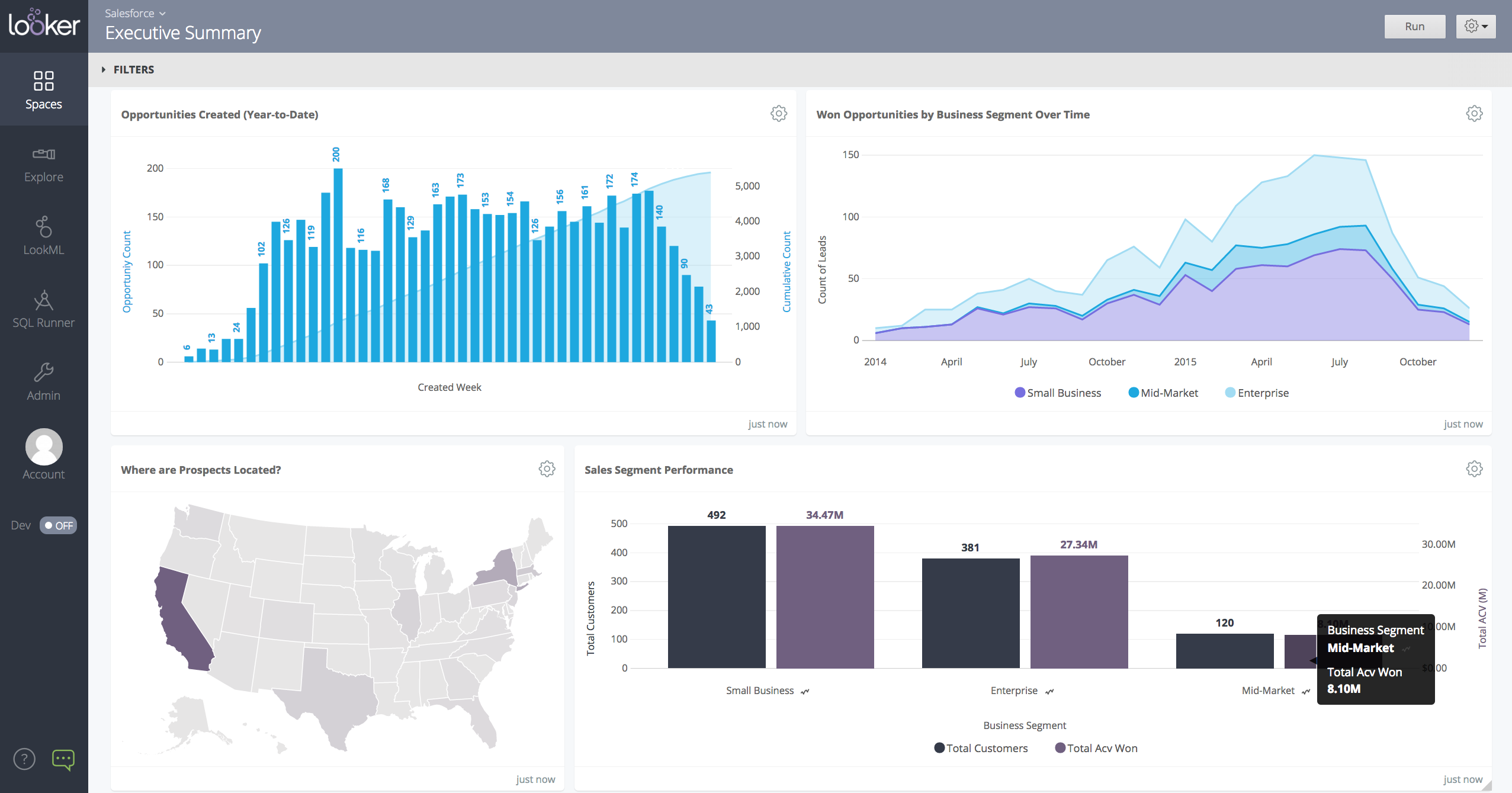 | QlikView Screenshots 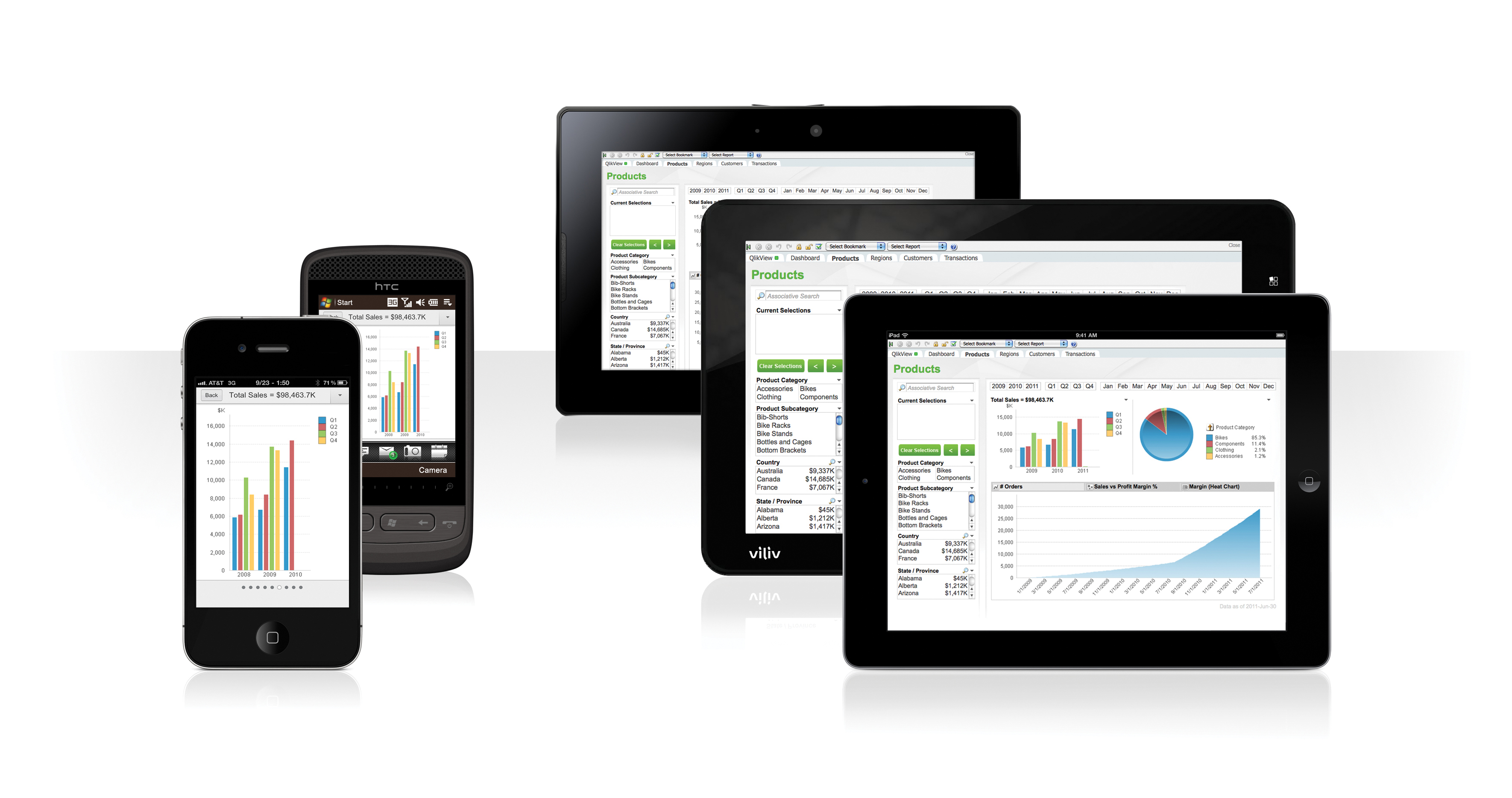 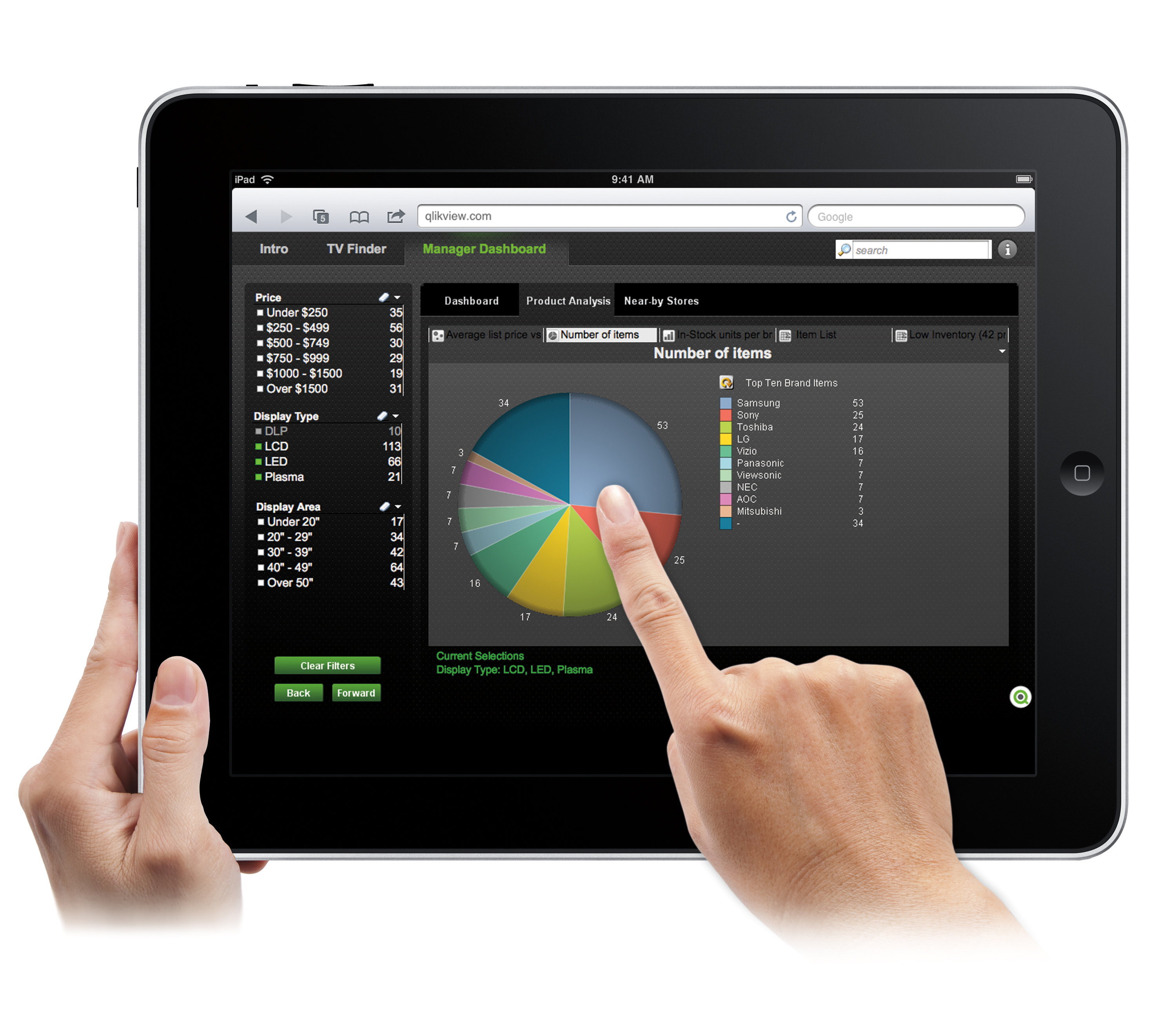 |