
Philipp Schmidt
Owner
Chose MODX

| Product | Rating | Most Used By | Product Summary | Starting Price |
|---|---|---|---|---|
 Contentful | N/A | Contentful is a cloud based CMS solution that provides the ability to manage content across multiple platforms.The editing interface allows for managing content interactively and provides developers the ability to deliver the content with the programming language and template framework of their choice. | $0 | |
 Drupal | N/A | Drupal is a free, open-source content management system written in PHP that competes primarily with Joomla and Plone. The standard release of Drupal, known as Drupal core, contains basic features such as account and menu management, RSS feeds, page layout customization, and system administration. | N/A | |
 MODX | N/A | The MODX Digital Experience Platform provides everything you need to build, host, and maintain amazing websites your way. The vendor says that with MODX CMS and cloud hosting, users have complete control over their creative vision and the experiences they deliver, without restriction or compromise. They can focus more on building great digital experiences, and less on hosting and maintaining. If you ever need help, MODX Professionals are available worldwide and direct support from… | $39 per month |
| Contentful | Drupal | MODX | ||||||||||||||||||||||
|---|---|---|---|---|---|---|---|---|---|---|---|---|---|---|---|---|---|---|---|---|---|---|---|---|
| Editions & Modules |
| No answers on this topic |
| |||||||||||||||||||||
| Offerings |
| |||||||||||||||||||||||
| Entry-level Setup Fee | Optional | No setup fee | Optional | |||||||||||||||||||||
| Additional Details | — | — | PAYMENT FORMS MODX Cloud accepts major credit cards and PayPal for your hosting subscription. We can only accept check (cheque) payments on the Enterprise Plan, annually. CANCELLATION You may cancel your MODX Cloud account at any time. Before you cancel you'll be reminded to backup and remove all your live websites and then follow the instructions for cancellation. If you cancel within the first month, we'll provide you with a full refund. REFUNDS If you cancel within the first month, we'll provide you with a full refund. All other cancellations will be effective at the end of your current billing period. We do not provide refunds for remaining days or months on monthly or annual billing. | |||||||||||||||||||||
| More Pricing Information | ||||||||||||||||||||||||
| Contentful | Drupal | MODX | |
|---|---|---|---|
| Considered Multiple Products |  Contentful No answer on this topic |  Drupal No answer on this topic | MODX Philipp Schmidt Owner Chose MODX |
| Contentful | Drupal | MODX | |||||||||||||||||||||||||||||||||||
|---|---|---|---|---|---|---|---|---|---|---|---|---|---|---|---|---|---|---|---|---|---|---|---|---|---|---|---|---|---|---|---|---|---|---|---|---|---|
| Security |
| ||||||||||||||||||||||||||||||||||||
| Platform & Infrastructure |
| ||||||||||||||||||||||||||||||||||||
| Web Content Creation |
| ||||||||||||||||||||||||||||||||||||
| Web Content Management |
|
| Contentful | Drupal | MODX | |
|---|---|---|---|
| Small Businesses |  ManageWP Score 10.0 out of 10 | ManageWP Score 10.0 out of 10 | ManageWP Score 10.0 out of 10 |
| Medium-sized Companies |  RWS Tridion Sites Score 9.0 out of 10 | RWS Tridion Sites Score 9.0 out of 10 | RWS Tridion Sites Score 9.0 out of 10 |
| Enterprises | RWS Tridion Sites Score 9.0 out of 10 | RWS Tridion Sites Score 9.0 out of 10 | RWS Tridion Sites Score 9.0 out of 10 |
| All Alternatives | View all alternatives | View all alternatives | View all alternatives |
| Contentful | Drupal | MODX | |
|---|---|---|---|
| Likelihood to Recommend | 8.3 (13 ratings) | 6.0 (84 ratings) | 9.9 (3 ratings) |
| Likelihood to Renew | - (0 ratings) | 1.0 (19 ratings) | 10.0 (1 ratings) |
| Usability | 9.0 (3 ratings) | 6.6 (18 ratings) | 10.0 (1 ratings) |
| Availability | - (0 ratings) | 9.7 (3 ratings) | 10.0 (1 ratings) |
| Performance | - (0 ratings) | 8.9 (2 ratings) | 10.0 (1 ratings) |
| Support Rating | - (0 ratings) | 1.0 (5 ratings) | 10.0 (1 ratings) |
| In-Person Training | - (0 ratings) | 8.0 (1 ratings) | - (0 ratings) |
| Online Training | - (0 ratings) | 6.0 (2 ratings) | - (0 ratings) |
| Implementation Rating | - (0 ratings) | 5.1 (4 ratings) | 10.0 (1 ratings) |
| Configurability | - (0 ratings) | - (0 ratings) | 10.0 (1 ratings) |
| Ease of integration | - (0 ratings) | 9.0 (1 ratings) | 10.0 (1 ratings) |
| Product Scalability | - (0 ratings) | 8.0 (2 ratings) | 10.0 (1 ratings) |
| Vendor post-sale | - (0 ratings) | - (0 ratings) | 10.0 (1 ratings) |
| Vendor pre-sale | - (0 ratings) | - (0 ratings) | 10.0 (1 ratings) |
| Contentful | Drupal | MODX | |
|---|---|---|---|
| Likelihood to Recommend | Contentful
| Open Source
 Paul Nielsen Volunteer Web Developer | MODX
Philipp Schmidt Owner |
| Pros | Contentful
 Jennifer Garcia Web Marketing Manager | Open Source
| MODX
|
| Cons | Contentful
 Andrew Folts Digital Strategist | Open Source
| MODX
|
| Likelihood to Renew | Contentful No answers on this topic | Open Source
 Eric Batson Learning and Development Specialist | MODX
Philipp Schmidt Owner |
| Usability | Contentful
| Open Source
| MODX
Philipp Schmidt Owner |
| Reliability and Availability | Contentful No answers on this topic | Open Source
 Peter Wolanin Principal Engineer | MODX
Philipp Schmidt Owner |
| Performance | Contentful No answers on this topic | Open Source
 Michael Sypes Programmer Analyst | MODX
Philipp Schmidt Owner |
| Support Rating | Contentful No answers on this topic | Open Source
Michael Sypes Programmer Analyst | MODX
Philipp Schmidt Owner |
| In-Person Training | Contentful No answers on this topic | Open Source
Eric Batson Learning and Development Specialist | MODX No answers on this topic |
| Online Training | Contentful No answers on this topic | Open Source
Eric Batson Learning and Development Specialist | MODX No answers on this topic |
| Implementation Rating | Contentful No answers on this topic | Open Source
Michael Sypes Programmer Analyst | MODX
Philipp Schmidt Owner |
| Alternatives Considered | Contentful
| Open Source
 Dustin Day Director of UX development, social media and SEO/SEM | MODX
|
| Scalability | Contentful No answers on this topic | Open Source
Michael Sypes Programmer Analyst | MODX
Philipp Schmidt Owner |
| Return on Investment | Contentful
| Open Source
 Sohail Lajevardi Drupal Front-end Engineer | MODX
|
| ScreenShots | Contentful Screenshots 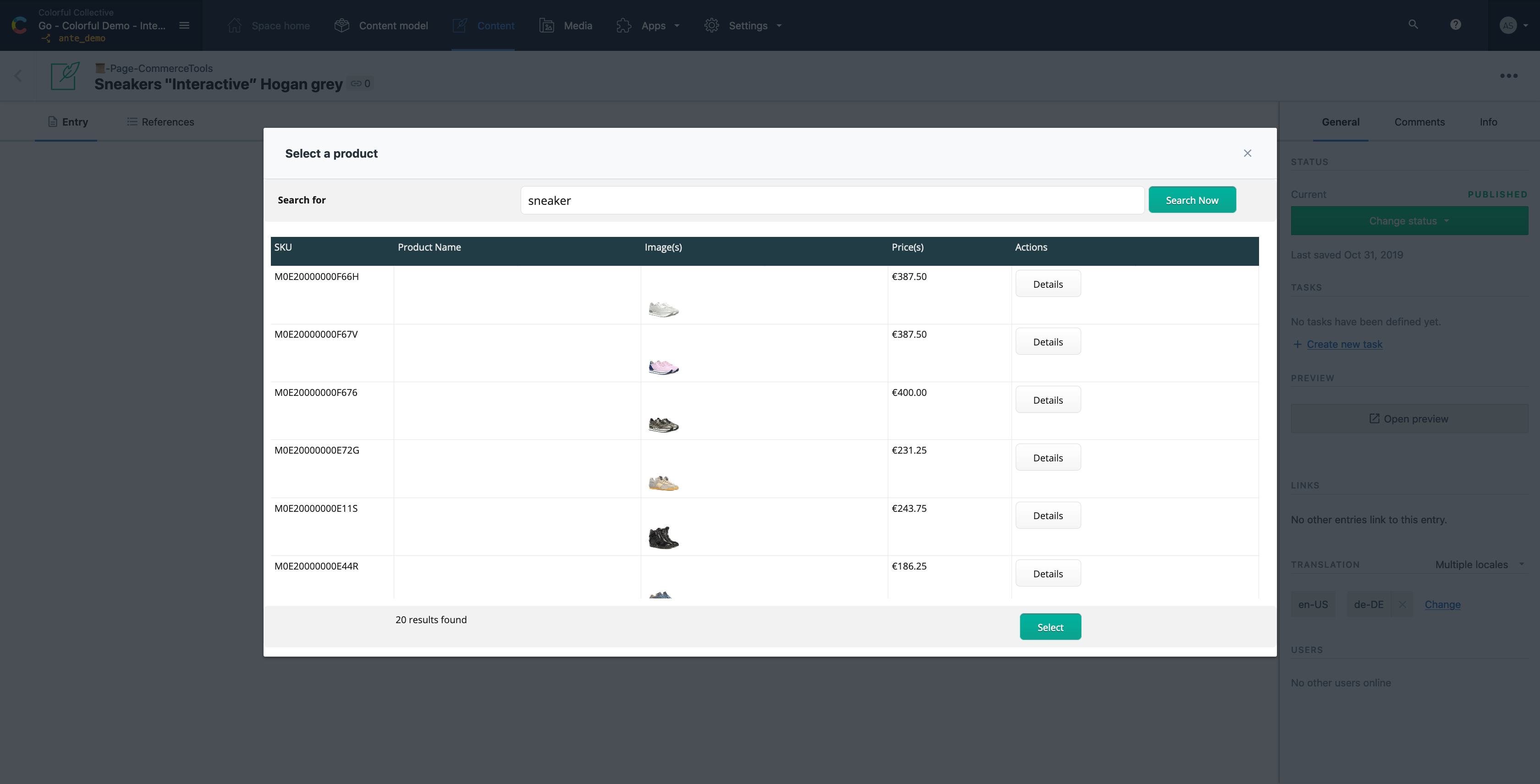  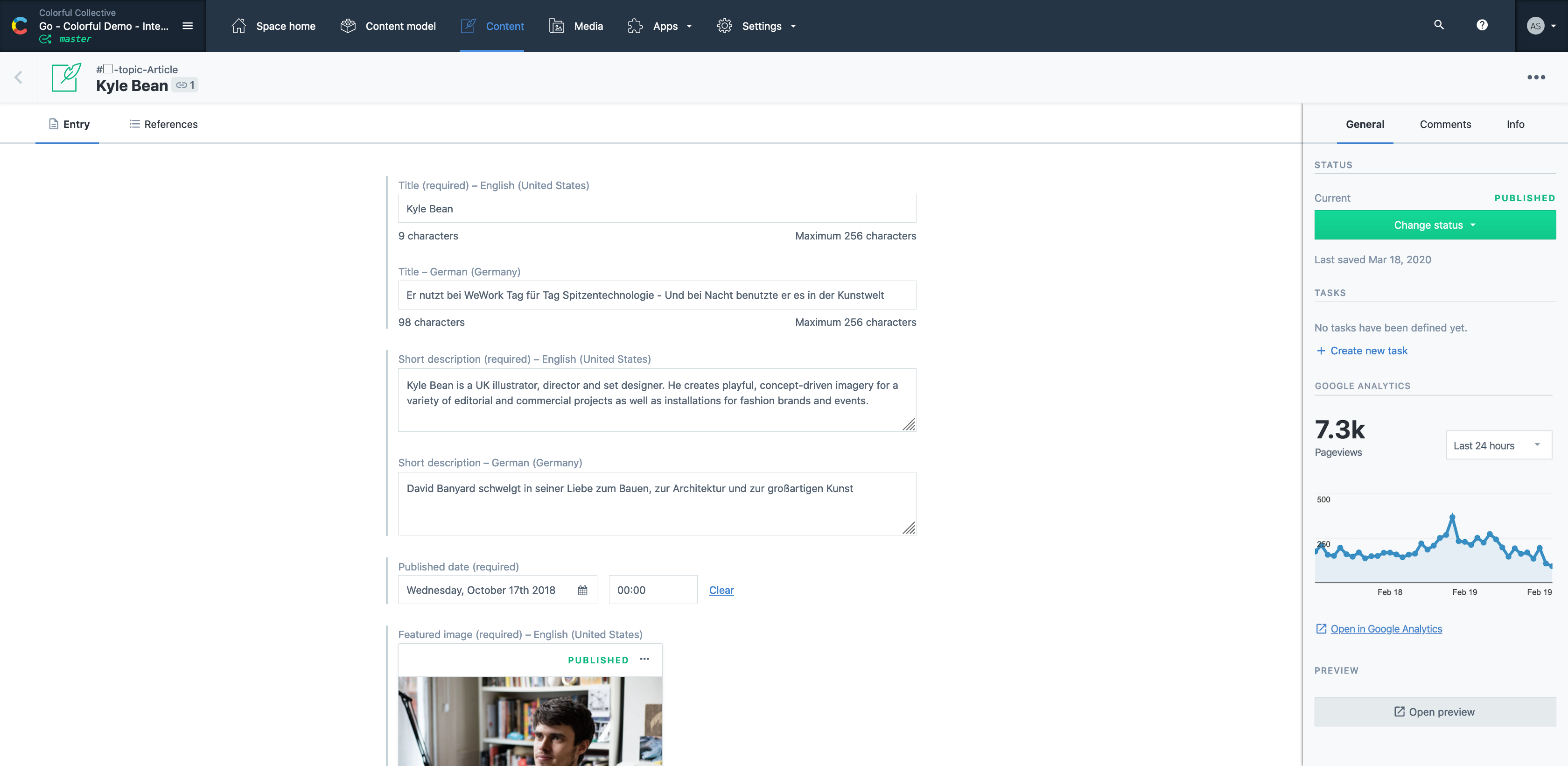   | MODX Screenshots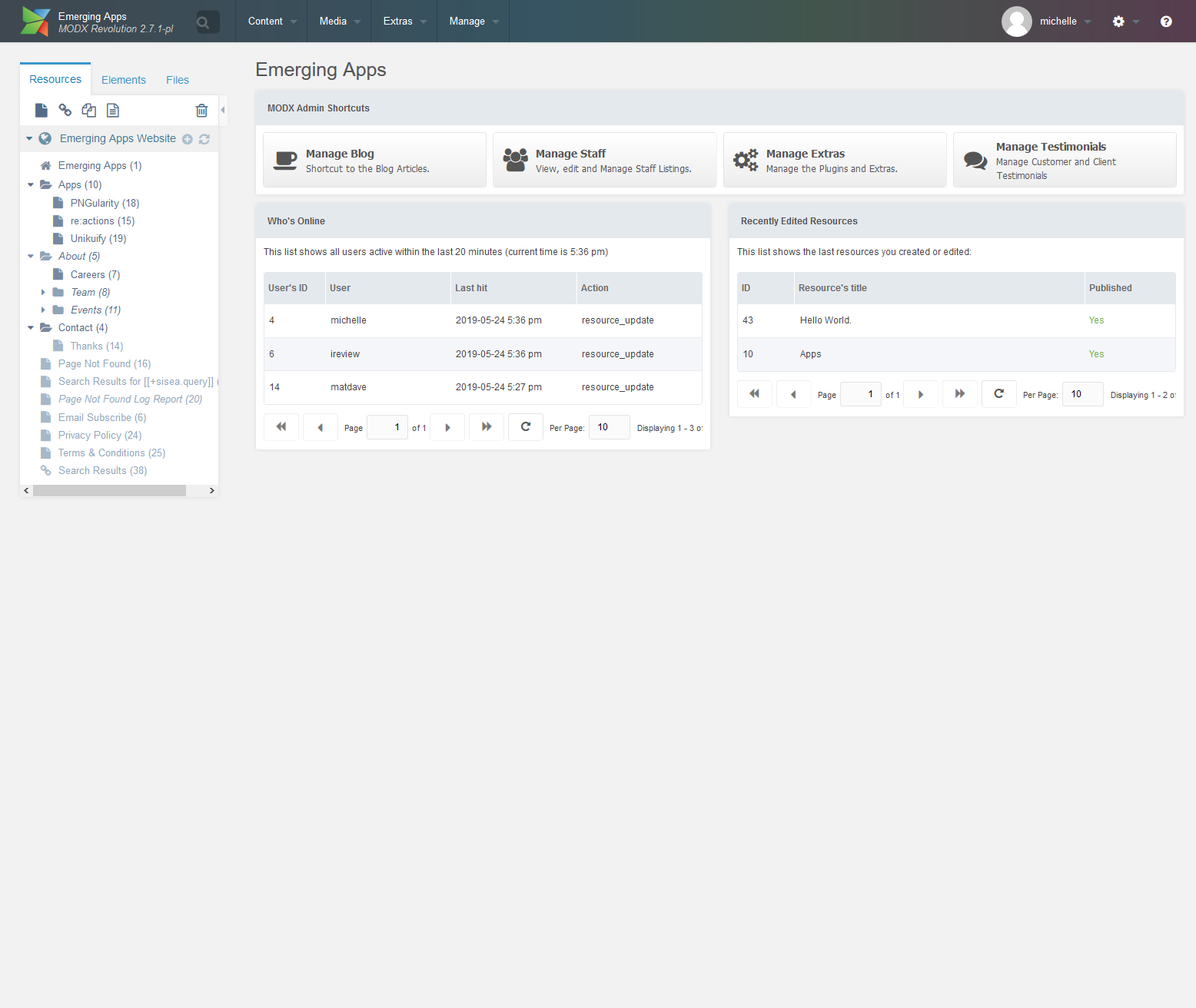   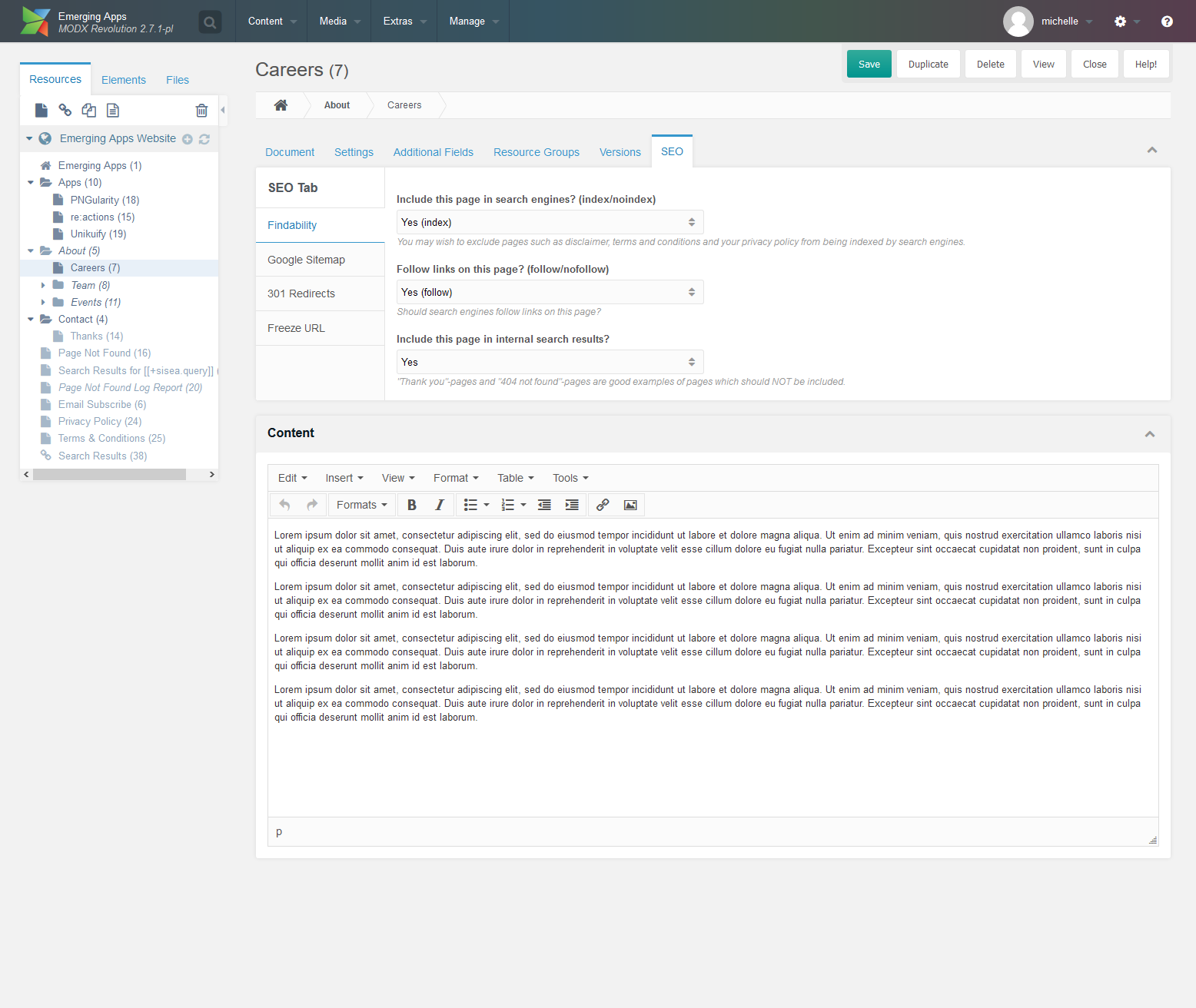 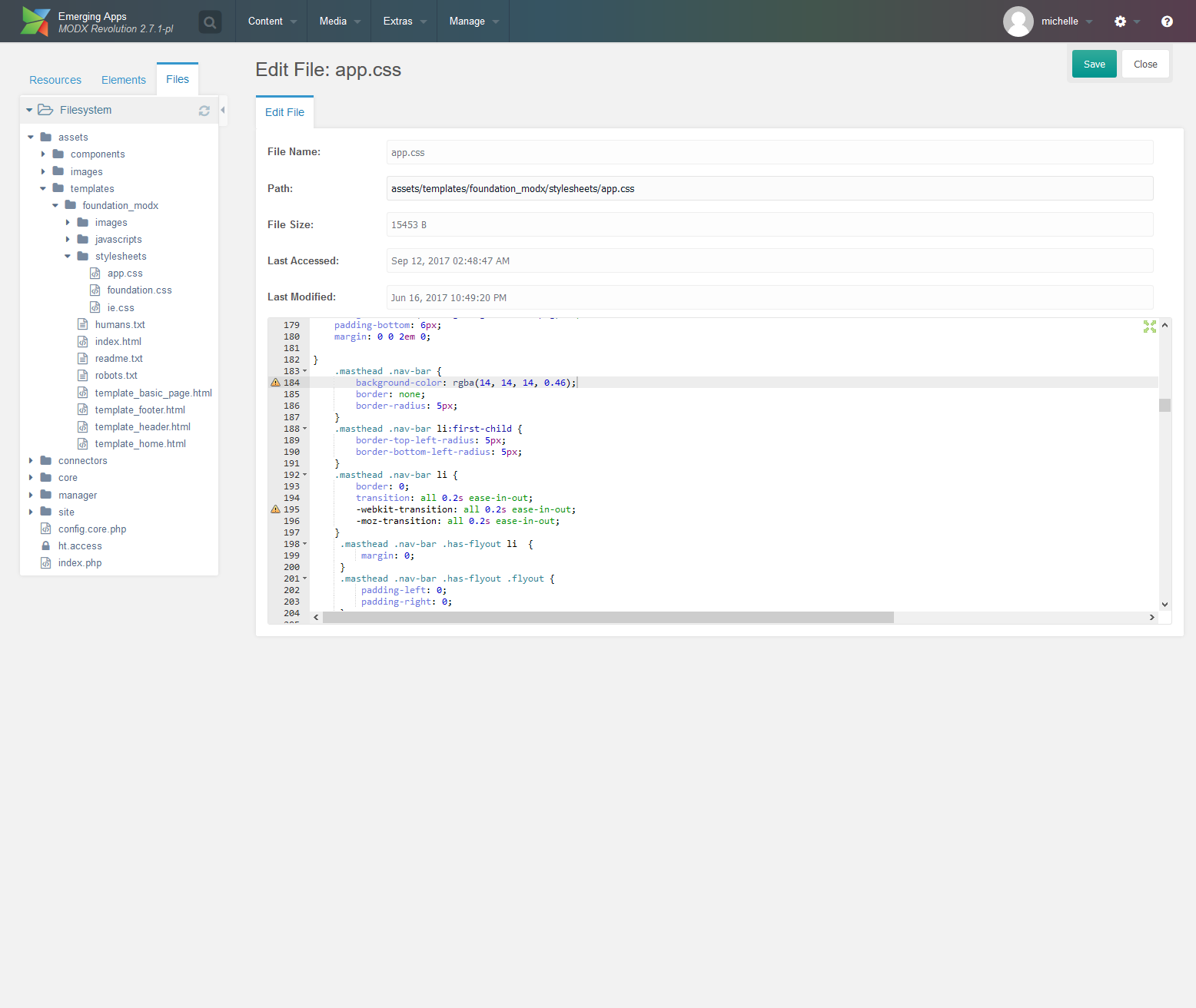  |