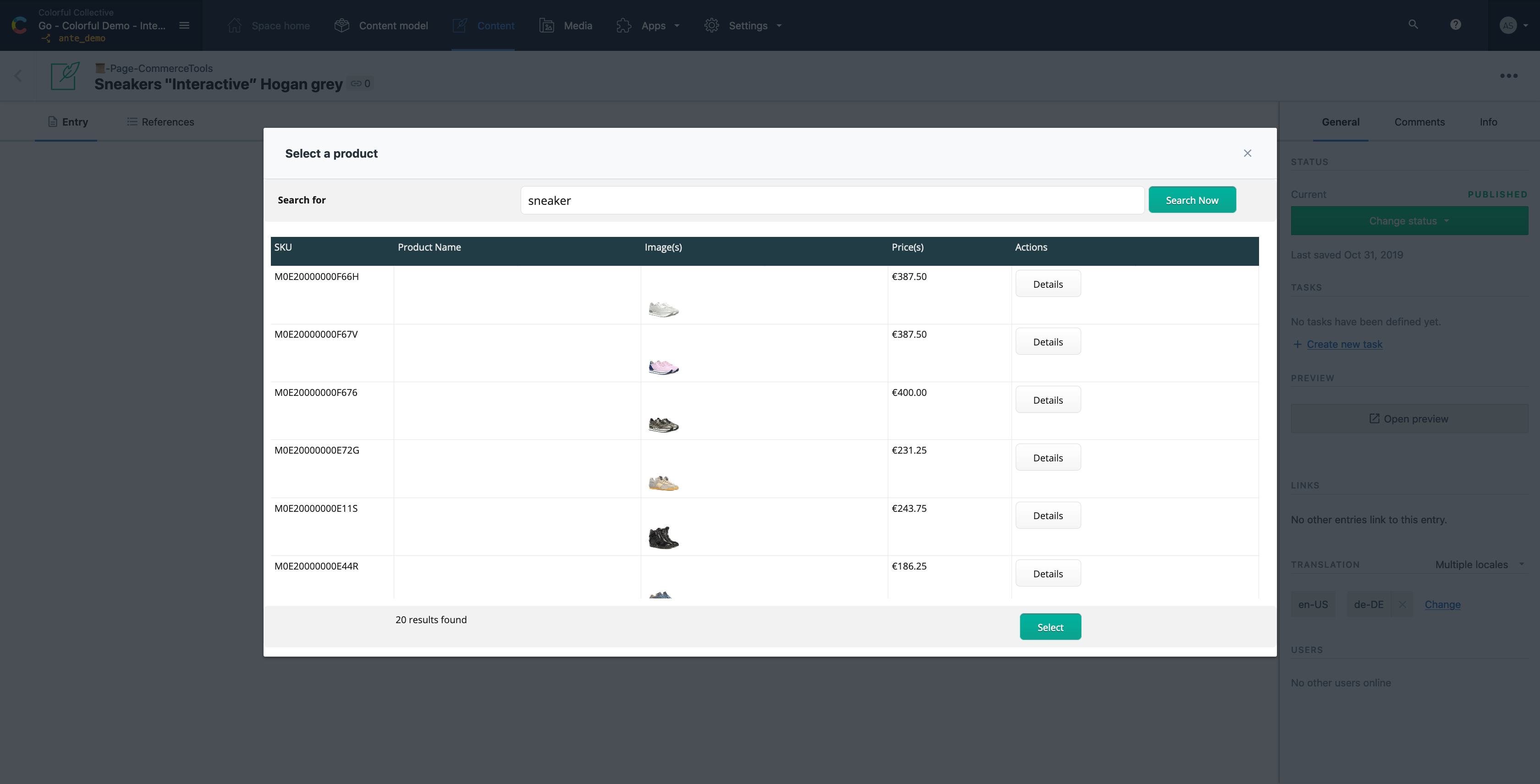
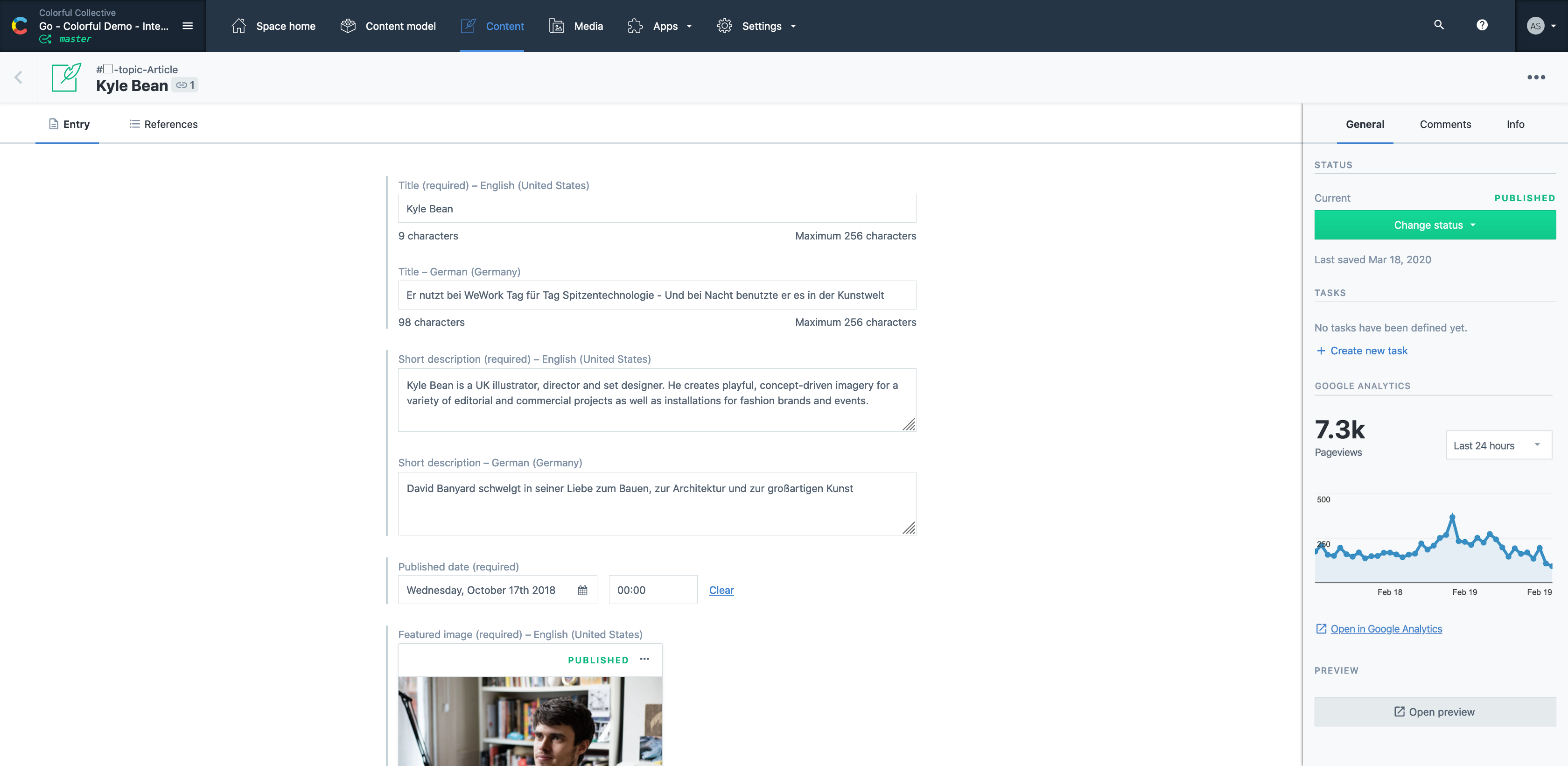
Contentful is a cloud based CMS solution that provides the ability to manage content across multiple platforms.The editing interface allows for managing content interactively and provides developers the ability to deliver the content with the programming language and template framework of their choice.
$0
Optimizely Content Management System
Score 8.5 out of 10
N/A
Optimizely Content Management System (CMS) is purpose-built for marketers, and fully composable for developers. The CMS supports the end-to-end content lifecycle, helping users to deliver on-brand, high-impact digital experiences that 'wow' audiences.
Out of those listed, only Umbraco is applicable as it can be directly compared to Optimizely CMS (with the other 3 being Headless solutions, which should instead be compared with Optimizely Headless, which I haven't worked with)
Umbraco offers a really visual experience and far …
It's a great all rounder for content projects. It's easy in the basics and powerful in the complex, data heavy scenarios. Extending the platform is straightforward and the SDK gives you everything you need. If you have many many varying content types , it gets expensive and perhaps not the best choice .
If you want to build a website quickly there are plenty of ways to do so with some great examples and plenty of support both from the company and in the forums. if you want to build a more complex structure you can but be ready to spend the time to build exactly what you need as a solid foundation goes a massive way before building out content and making those choices early and sticking with them helps
I think the user interface for content admins is very good and very competitive. And compared to other providers, the technology that CMS in particular has. So the way it integrated the net ecosystem is very well because it follows the MBC pattern. So basically it just allows really simple implementations for what would normally be complex components on any other sort of vendor that's out there.
Contentful uses "references" to allow you to build very modular content. If I have a "slider" content type, I can create a "slide" content type which references a "button" content type, and so forth. This works well, but I occasionally wish there was a better solution for one-off content, like a settings page. Currently, this is done for creating an entire content type called "settings" with a single entry. Not a big deal, but not ideal, either.
There are a few quirks with GatsbyJS integration, etc, but these issues are being fixed and improved upon very quickly.
A minor gripe, but Contentful does not have a way to organize fields within an entry. Entries with many fields are somewhat tiresome to scroll through.
Magento did have some nice tools for creating product groups or carousels for promotion. Opti seems to be lacking in that.
A blog - maybe this is available and we don't have it installed, but a searchable blog would be very appreciated.
Structured Data/MicroData - maybe it's our install, but this seems to be missing
Meta data: we have access to limited types and need to make a request from IT, it would be nice to be able to access more to adjust for SEO needs.
When in a folder on the BLOCKS tab, it would be wonderful to hit the MEDIA tab and stay in that same folder.
I have some less technical people that will make folders with spaces - which Opti handles, but it would be great if it wouldn't accept a space or gave an error message not to use them.
I think I know why the extra code is added to urls and image links, but it causes issues when taking things from our testing site to the live site. For example, I need to copy the Navigation from Inspect Element on testing to put it in production. I have learned to work around it, but it's not my favorite.
Since I work on the implementation side of things, and do not directly own licensing for Ektron CMS, I have to base this rating off of how I think it will be received or presented to customers looking to start a new site deployment. I try to remain CMS agnostic, though my specialty is with the .NET and Microsoft stack. Because of the experience I have working with Ektron, I tend to be more forgiving with the shortcomings as I am familiar with how to work around them or past them from experience. Being familiar with the community available also helps, as you become familiar with the best approaches to find solutions to your issues. Each product has it's ups and downs and all of them are only going to be as good as the company or development team implementing them can make them. This is EXTREMELY important to remember when choosing a CMS, as it can make or break your expensive investment.
It is a very easy to use and configure application. I find that it is on the user to manage the content after the models have been created, yet I still do not encounter issues finding or creating new components for our site. It is easy to set up and easy to navigate.
From our editors perspective they find the CMS system easy and to clear to use. Our developers find it very easy to design on and appreciate the level of service support available. It's also always evolving and getting better every year. We find this investment reassuring and encourages us to try keep pace and see how we can continue to push the envelope and continue to improve all aspect of our websites and online touch points.
I attended multiple trainings/tutorials early in the process. The vendor-supplied content about Optimizely was engaging for users/attendees (I often analyze training content, compliance programs, governance plans), which helps our OCM people by having good "word of mouth" about the product long before a rollout ever happens. I actually when the user-focused portion of the Optimizely Academy twice in 2022 to ensure I had a grasp on operability and to be able to support the training and OCM efforts
Ektron is one of the best solution for .Net platform. Over the years have improved the performance issues that the previous versions had. My only complain is right now you can't do Page builder pages if you choose to have a MVC architecture
Easy to use and much more organized as a single platform versus multi. The layout is clean and easy to read and we don’t have to worry about certain users safe guarding data or content then losing it when they leave the company. It’s a one stop shop for imagery
Optimizely Content Management System is much more feature rich, and less complex that the other CMS platforms we have used. Optimizely Content Management System is more intuitive in how the content is structured and how easy it is to pull blocks of content to create the layout of a page.
Contentful has saved us valuable development time that was previously spent doing deploys for minor content updates.
Contentful has helped us maintain consistent documentation, reducing time needed to review for consistency.
Can't say we've really experienced any negative ROI impacts from using Contentful, but we've run into some limitations in adding too many content models and the next pricing tier is substantially more expensive.