
Jennifer de Spain
Owner
Chose Drupal

| Product | Rating | Most Used By | Product Summary | Starting Price |
|---|---|---|---|---|
 Drupal | N/A | Drupal is a free, open-source content management system written in PHP that competes primarily with Joomla and Plone. The standard release of Drupal, known as Drupal core, contains basic features such as account and menu management, RSS feeds, page layout customization, and system administration. | N/A | |
 Joomla | N/A | Joomla! is a free and open source content management system used to publish web content. Included features are page caching, RSS feeds, printable versions of pages, news flashes, blogs, polls, a search function, and support for language internationalization. | N/A | |
 Magnolia | Mid-Size Companies (51-1,000 employees) | Founded in Switzerland in 1997, Magnolia is a CMS used to build composable digital experiences. Magnolia helps create fully integrated customer experiences and speeds up digital delivery of content. Magnolia boasts 480 enterprise customers, thousands of Community Edition deployments, and more than 200 certified Magnolia Partners around the world. They further state that their enterprise customers include Sanofi, Generali, the Atlassian, The New York Times, Harley Davidson, and Union… | $3,500 per month |
| Drupal | Joomla! | Magnolia | ||||||||||||||||||||||
|---|---|---|---|---|---|---|---|---|---|---|---|---|---|---|---|---|---|---|---|---|---|---|---|---|
| Editions & Modules | No answers on this topic | No answers on this topic |
| |||||||||||||||||||||
| Offerings |
| |||||||||||||||||||||||
| Entry-level Setup Fee | No setup fee | No setup fee | No setup fee | |||||||||||||||||||||
| Additional Details | — | — | — | |||||||||||||||||||||
| More Pricing Information | ||||||||||||||||||||||||
| Drupal | Joomla! | Magnolia | |
|---|---|---|---|
| Considered Multiple Products |  Drupal Jennifer de Spain Owner Chose Drupal  Michael Robbe Drupal Developer Chose Drupal WordPress is like working with an old brick building, aesthetically it's appealing, but restructuring it is difficult, messy, and often takes a considerable amount more effort. It isn't as feature rich, most of the module add-ons are either not well made, or not open-source, so …  Thomas Ongeri Frontend Developer Chose Drupal  Bart Martinez Java Developer Chose Drupal Drupal has a huge amount of community support and a plethora of modules to choose from that add new site features for both users and admins. Joomla! would be a close second but I lack enough experience with it to say if it provides as much customization options. OpenCMS is open …  Shane Sevo Director of Marketing Chose Drupal  Joel Tanzi Freelance Web Application Developer Chose Drupal Drupal is well known for being the most flexible of the "Big 3" players in the CMS space. While WordPress remains the most popular due to ease of setup and use, it lacks the flexibility, depth, and modularity of Drupal, causing it to be less desirable when you want more control …  Sean Pomory Digital Media Specialist Chose Drupal  Nate Dillon Front-End Web Developer, Office of Mediated Education Chose Drupal  Fred Bals Senior Content Strategist Chose Drupal  Fernanda Ministerio Especialista de Desenvolvimento Industrial Chose Drupal We use both, for different projects (Joomla and Drupal). Drupal proved to be more robust, more secure and more integrable with PHP applications. Drupal requires a more senior technical team but allows for more complex activities. It's great if you have a medium to a large …  Dustin Day Director of UX development, social media and SEO/SEM Chose Drupal Drupal can be more complex to learn, but it offers a much wider range of applications. Drupal’s front and backend can be customized from design to functionality to allow for a wide range of uses. If someone wants to create something more complex than a simple site or blog, …  Nicholas De Salvo Founder, Creative Director Chose Drupal Drupal has strong role-based permissions for users, powerful content blocks for editing, and granular customizing options in their views. For a company or organization requiring a lot of customization, Drupal can be a really powerful tool. However, Drupal does require …  Matt Lundstrom CEO - GlowHost Web Hosting Chose Drupal Drupal like any other software has its own unique strengths and weaknesses. We didn't select to use it for any particular project of our own, we chose to offer Drupal to our end users so that they can make a decision on their own of what the product excels at.  Surinder Sachdeva Senior Web Developer Chose Drupal I have used Joomla (a long time ago), and Wordpress. Joomla seemed like a beginner's tool for someone looking for a lightweight CMS. Wordpress is slowly getting there where Drupal is now, but still far behind. Though Wordpress' admin section is beautifully designed and very …  Andres Gonzalez Senior Software Developer Chose Drupal I normally prefer to use WordPress if I need CMS capabilities. If I need more than that, I go with framework. Drupal could be an option when you have to develop something more complex than a blog, or pure content pages.  Jonah McLachlan Web Analyst Chose Drupal Drupal is a powerful choice for a CMS. Although having complex admin menu and setup process, it has quality security, SEO and speed built in as default. Drupal has caching built into the system, making it double the speed of other compared CMS’s like WordPress. Drupal is …  Guillermo Ramos Head of Platform Engineering Chose Drupal Drupal is better than all of these other products 10 times over simply because you can do anything that those other products can do and so much more. You'd need a combination of those products to do what Drupal can do all on its own. Each of those products have inherent …  Josh Lind Drupal web developer Chose Drupal Personal experience with WordPress has been that it offers a small fraction of the tools found with Drupal. Experience with Joomla was that add-ons were too far-reaching; they did not allow combining a few smaller tools to craft your final goals. Personal experience with Django … | Joomla  Mike Demopoulos Lead Web Developer Chose Joomla! WordPress and Drupal are all backed by corporate groups that don't foster the open source community which I want to support. Joomla! is non-profit and 100% volunteer based and the time I put into Joomla! outputs a better product for my clients and everyone else.  Eli Aschkenasy Lead Developer Chose Joomla! Number one difference is the community. I can't stress it more. The joomla! community (both online, and offline) is extraordinarily friendly and accommodating. I have never heard of anyone who felt looked down upon or ridiculed for any type of question, request, or need. If … Sean Pomory Digital Media Specialist Chose Joomla! Joomla and Concrete5 have about the same capability and similar issues. Purchasing a SAAS like Squarespace, Weebly or Wix would be worth the price to remove the hassle of Joomla. A more robust free CMS like WordPress or Drupal would be a better solution if you wanted to remain …  Miles Szkoda Web Content Manager Chose Joomla!  Lisa Keyser Owner | Principal Chose Joomla!  Jason Montoya Virtual Chief Growth Officer (CGO) Chose Joomla! WordPress is designed in a way to make it fairly fool-proof for the admin, but in this approach, it handcuffs the user from having control or making it easy to do, in many cases, what are basic things (changing the title, URL segment, etc...). With the exception of the …  Chris Putnam Senior Web Developer Chose Joomla!  Ilham AB Senior Solution Architect Chose Joomla! Joomla! is much easier than those products and with the strong support from Joomla! community and the availability of Joomla! plugins and extensions, then in my point of view, Joomla! is better. Also, Joomla! is very suitable for Portal and e-Commerce creation. Many features …  Robert Jacobi President Chose Joomla! We utilize Joomla! because it is open source, has one of the largest open source communities, and is flexible across all types and sizes of business environments. Joomla! also provides steady security updates which are installable from within the CMS (WordPress has been failing …  Waseel Akbari Senior SharePoint Administrator/ Web Administrator Chose Joomla! Joomla! is widely open and customizable whereas WordPress and Drupal have limits.  Michael Pignataro VP of Operations Chose Joomla! There are other great products out there such as WordPress or Drupal. Each platform has its own use and they are all great. WordPress - This product is amazing for blogging. If you want a blogging site this is the platform to use. I recommend looking into WordPress for Joomla - h…  James Fauria Webmaster \ Web Developer for the City of Pomona Chose Joomla! Before I settled in on using Joomla for the City of Pomona, I experimented with WordPress and Drupal, as being the right fit for the new website. Each time I went through the analysis, research and development, both WordPress and Drupal, came up short for quickly delivering a …  Rita Lewis Freelance Web Designer and Content Strategist Chose Joomla!  Mark Goldsmith Owner, Developer, Designer Chose Joomla! WordPress is the next competitor, a more complete and robust CMS, with extension solutions to add increased functionality. Well supported by the Joomla community, and strong contractor support for building site projects. It's not as programming friendly as Drupal, but a good …  Jerry Janes Director Digital Marketing Strategy Chose Joomla! Joomla offers more but is harder to learn.  Alex Jewell Web Developer Chose Joomla! Drupal, compared to Joomla!, is even more customizable and flexible, and is even more modular. Joomla! reels the developer in a bit more and offers a less complicated way to get from start to finish. The outcome, of course, is that Drupal has a steeper learning curve and can …  Marni Derr Owner Chose Joomla! In today's market there is no 'best' CMS, only the right CMS for your web sites requirements. I have used WordPress, Drupal, and Joomla over the years. WordPress is a great CMS, but it started, and in my opinion, continues to largely support more simple blogs and portfolio's. …  Kelli Riley Web Director Chose Joomla! I have used Drupal and Wordpress as well, overall I think Joomla is easier to work with than Drupal and more robust than Wordpress. |  Magnolia  Andrew Elia CEO (Chief Executive Officer) Chose Magnolia Magnolia is not as costly as other enterprise grade platforms and is easier to deploy, more reliable and less resource hungry. It's often also easier to use and certainly easier to use than it's Open Source counterparts. It also manages content in a much more structured manner …  Ivan De Paz Website Porject Manager Chose Magnolia Of all the ones we looked at that met our requirements Magnolia was clearly the best value for money and had a solid background that you could trust and that could take care of you in case of problems.  Mario de Vicente Fernandez IT DIrector for Marketing Chose Magnolia Putting all together: capabilities, support, community and price... Magnolia is the best combination, maybe not the best on each aspect, but for sure in the combination  Maurizio Müller R&D Manager Chose Magnolia I evaluated many CMS products and I’m continuing to evaluate them to verify the new functionality introduced. I evaluated these products: Alfresco, Apache Lenya, DotCMS, Drupal, Liferay, Hippo, Joomla, OpenCMS. I chose Magnolia because Magnolia offers two licensed community … |
| Drupal | Joomla! | Magnolia | |||||||||||||||||||||||||||||||||||
|---|---|---|---|---|---|---|---|---|---|---|---|---|---|---|---|---|---|---|---|---|---|---|---|---|---|---|---|---|---|---|---|---|---|---|---|---|---|
| Security |
| ||||||||||||||||||||||||||||||||||||
| Platform & Infrastructure |
| ||||||||||||||||||||||||||||||||||||
| Web Content Creation |
| ||||||||||||||||||||||||||||||||||||
| Web Content Management |
|
| Drupal | Joomla! | Magnolia | |
|---|---|---|---|
| Small Businesses |  ManageWP Score 10.0 out of 10 | ManageWP Score 10.0 out of 10 | ManageWP Score 10.0 out of 10 |
| Medium-sized Companies |  RWS Tridion Sites Score 9.0 out of 10 | RWS Tridion Sites Score 9.0 out of 10 | RWS Tridion Sites Score 9.0 out of 10 |
| Enterprises | RWS Tridion Sites Score 9.0 out of 10 | RWS Tridion Sites Score 9.0 out of 10 | RWS Tridion Sites Score 9.0 out of 10 |
| All Alternatives | View all alternatives | View all alternatives | View all alternatives |
| Drupal | Joomla! | Magnolia | |
|---|---|---|---|
| Likelihood to Recommend | 6.0 (84 ratings) | 8.2 (75 ratings) | 8.1 (78 ratings) |
| Likelihood to Renew | 1.0 (19 ratings) | 10.0 (28 ratings) | 8.1 (9 ratings) |
| Usability | 6.6 (18 ratings) | 8.1 (14 ratings) | 8.0 (68 ratings) |
| Availability | 9.7 (3 ratings) | 9.9 (2 ratings) | - (0 ratings) |
| Performance | 8.9 (2 ratings) | 7.8 (2 ratings) | 8.5 (67 ratings) |
| Support Rating | 1.0 (5 ratings) | 10.0 (4 ratings) | 9.1 (3 ratings) |
| In-Person Training | 8.0 (1 ratings) | - (0 ratings) | - (0 ratings) |
| Online Training | 6.0 (2 ratings) | 8.0 (2 ratings) | 8.2 (1 ratings) |
| Implementation Rating | 5.1 (4 ratings) | 8.7 (3 ratings) | - (0 ratings) |
| Ease of integration | 9.0 (1 ratings) | - (0 ratings) | - (0 ratings) |
| Product Scalability | 8.0 (2 ratings) | 9.9 (3 ratings) | - (0 ratings) |
| Drupal | Joomla! | Magnolia | |
|---|---|---|---|
| Likelihood to Recommend | Open Source
 Paul Nielsen Volunteer Web Developer | The Joomla Project
| Magnolia
|
| Pros | Open Source
| The Joomla Project
| Magnolia
|
| Cons | Open Source
| The Joomla Project
Lisa Keyser Owner | Principal | Magnolia
|
| Likelihood to Renew | Open Source
 Eric Batson Learning and Development Specialist | The Joomla Project
 Leontine Vandermeer Owner | Magnolia
|
| Usability | Open Source
| The Joomla Project
Rita Lewis Freelance Web Designer and Content Strategist | Magnolia
Andrew Elia CEO (Chief Executive Officer) |
| Reliability and Availability | Open Source
 Peter Wolanin Principal Engineer | The Joomla Project No answers on this topic | Magnolia No answers on this topic |
| Performance | Open Source
 Michael Sypes Programmer Analyst | The Joomla Project
James Fauria Webmaster \ Web Developer for the City of Pomona | Magnolia
|
| Support Rating | Open Source
Michael Sypes Programmer Analyst | The Joomla Project
 Jen Garfinkel-Canseco Owner - Web Designer/Developer/Marketer | Magnolia
 Marvin Kerkhoff Projektmanager |
| In-Person Training | Open Source
Eric Batson Learning and Development Specialist | The Joomla Project No answers on this topic | Magnolia No answers on this topic |
| Online Training | Open Source
Eric Batson Learning and Development Specialist | The Joomla Project
 Johann Joubert Owner | Magnolia No answers on this topic |
| Implementation Rating | Open Source
Michael Sypes Programmer Analyst | The Joomla Project
James Fauria Webmaster \ Web Developer for the City of Pomona | Magnolia No answers on this topic |
| Alternatives Considered | Open Source
Dustin Day Director of UX development, social media and SEO/SEM | The Joomla Project
Fernanda Ministerio Especialista de Desenvolvimento Industrial | Magnolia
|
| Scalability | Open Source
Michael Sypes Programmer Analyst | The Joomla Project No answers on this topic | Magnolia No answers on this topic |
| Return on Investment | Open Source
 Sohail Lajevardi Drupal Front-end Engineer | The Joomla Project
Miles Szkoda Web Content Manager | Magnolia
|
| ScreenShots | Magnolia Screenshots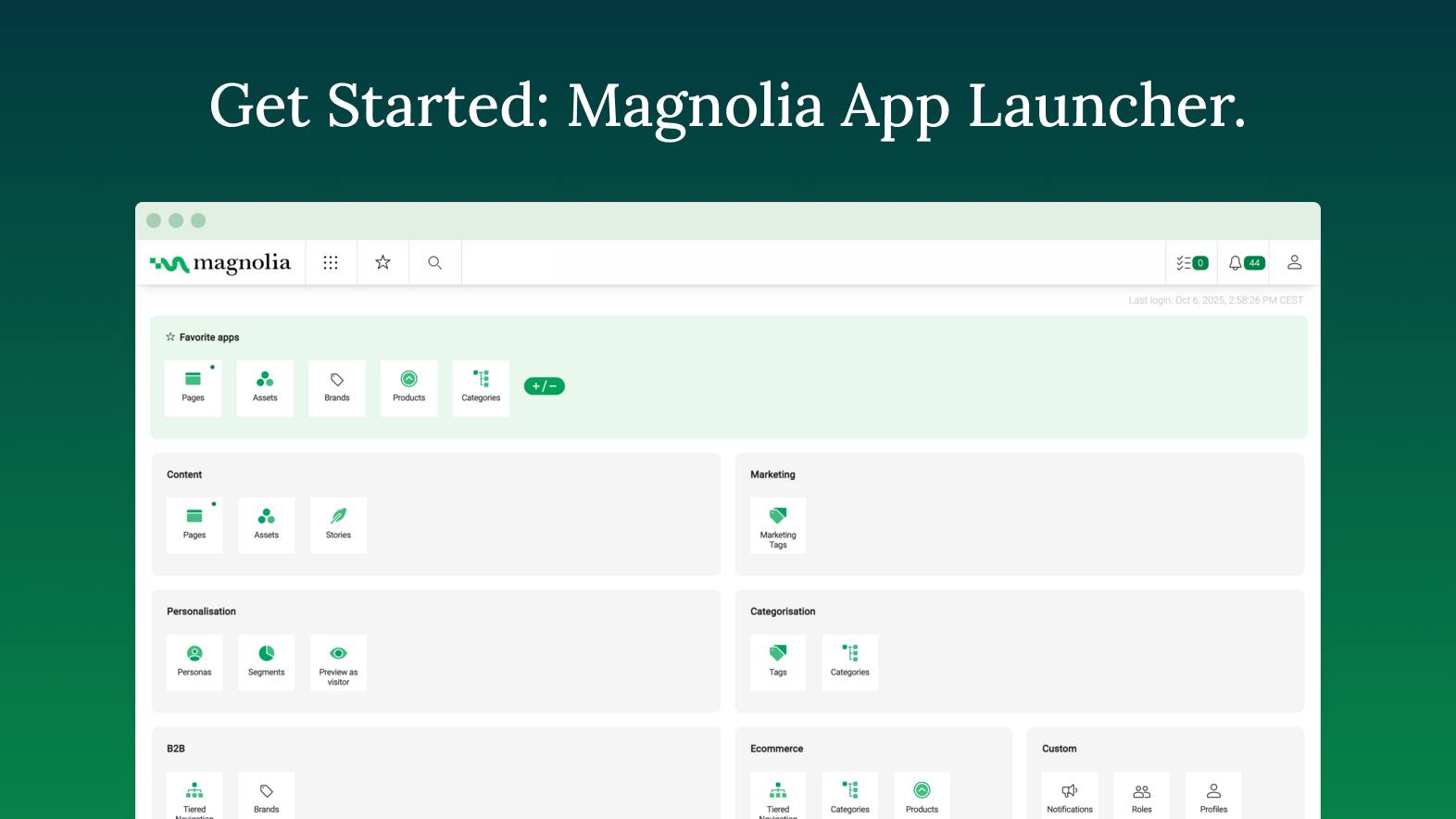 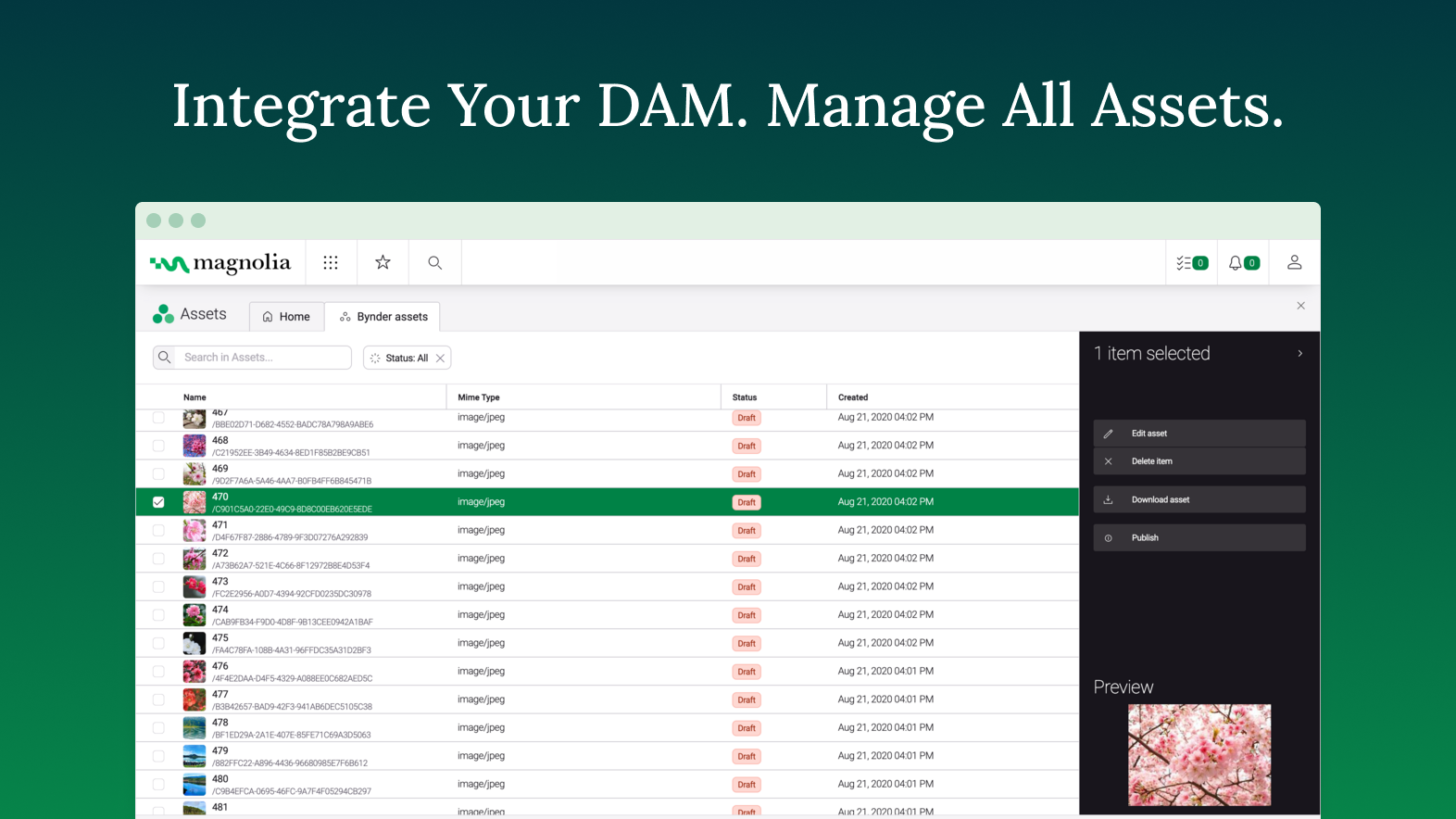 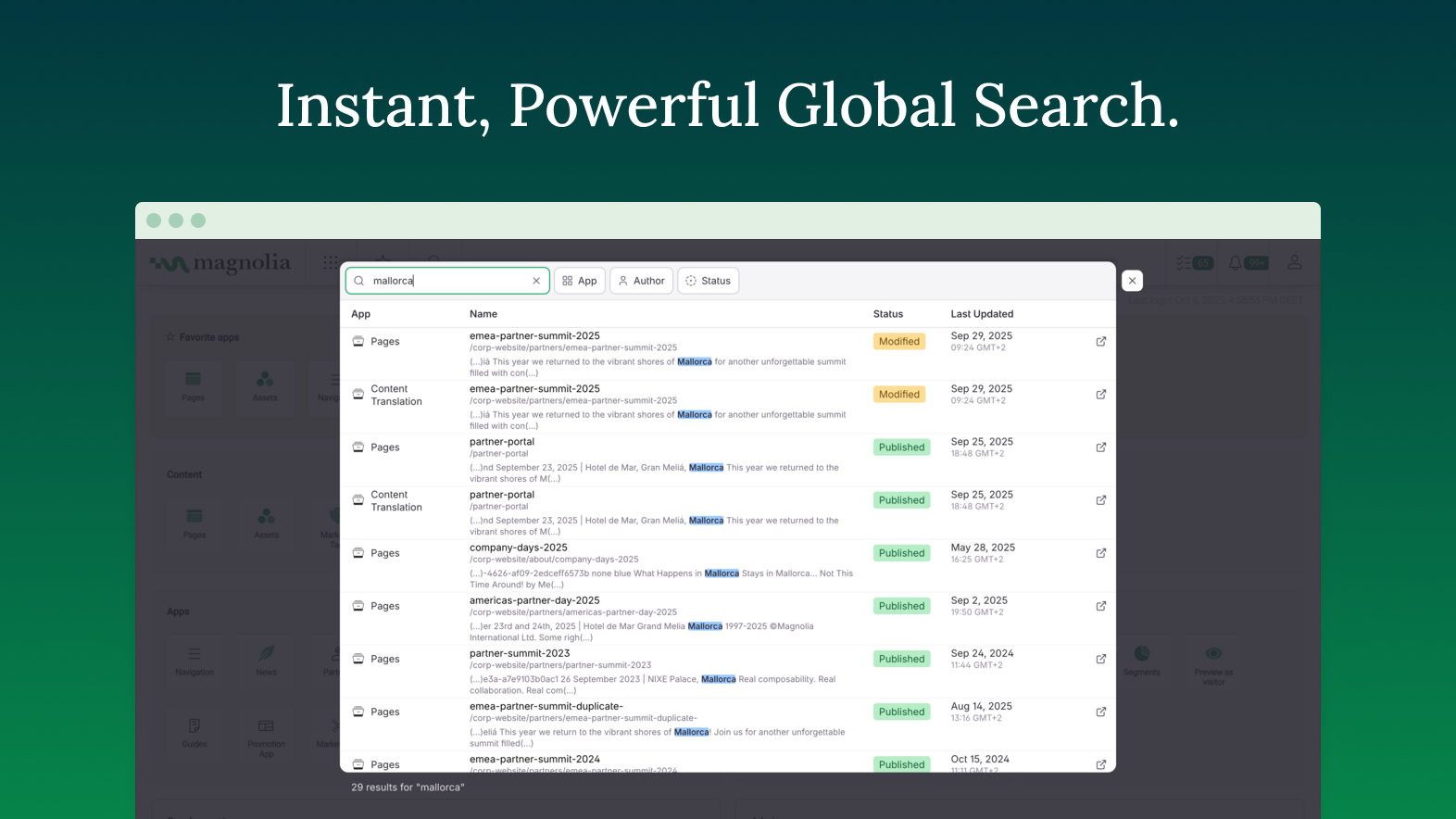 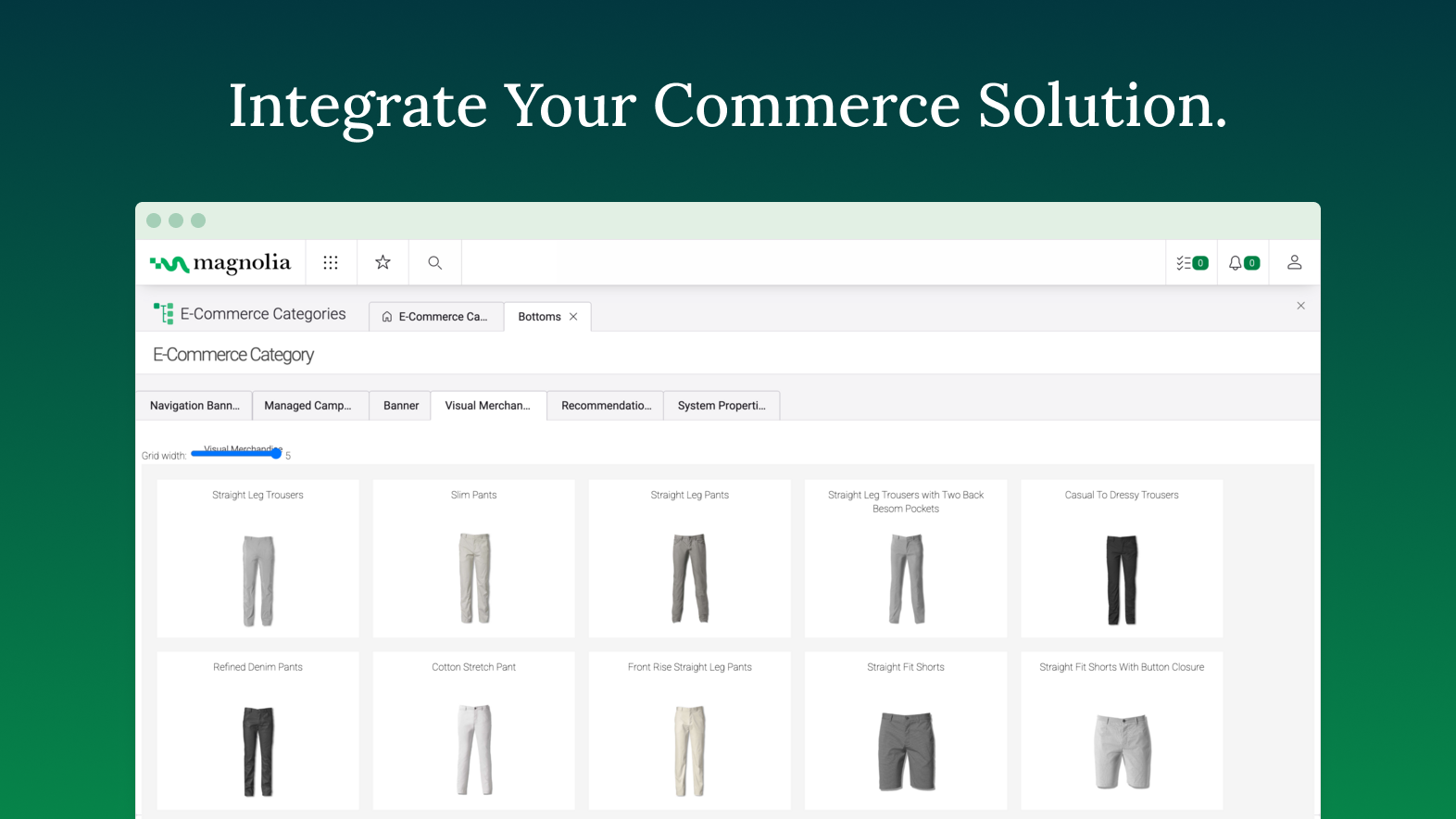 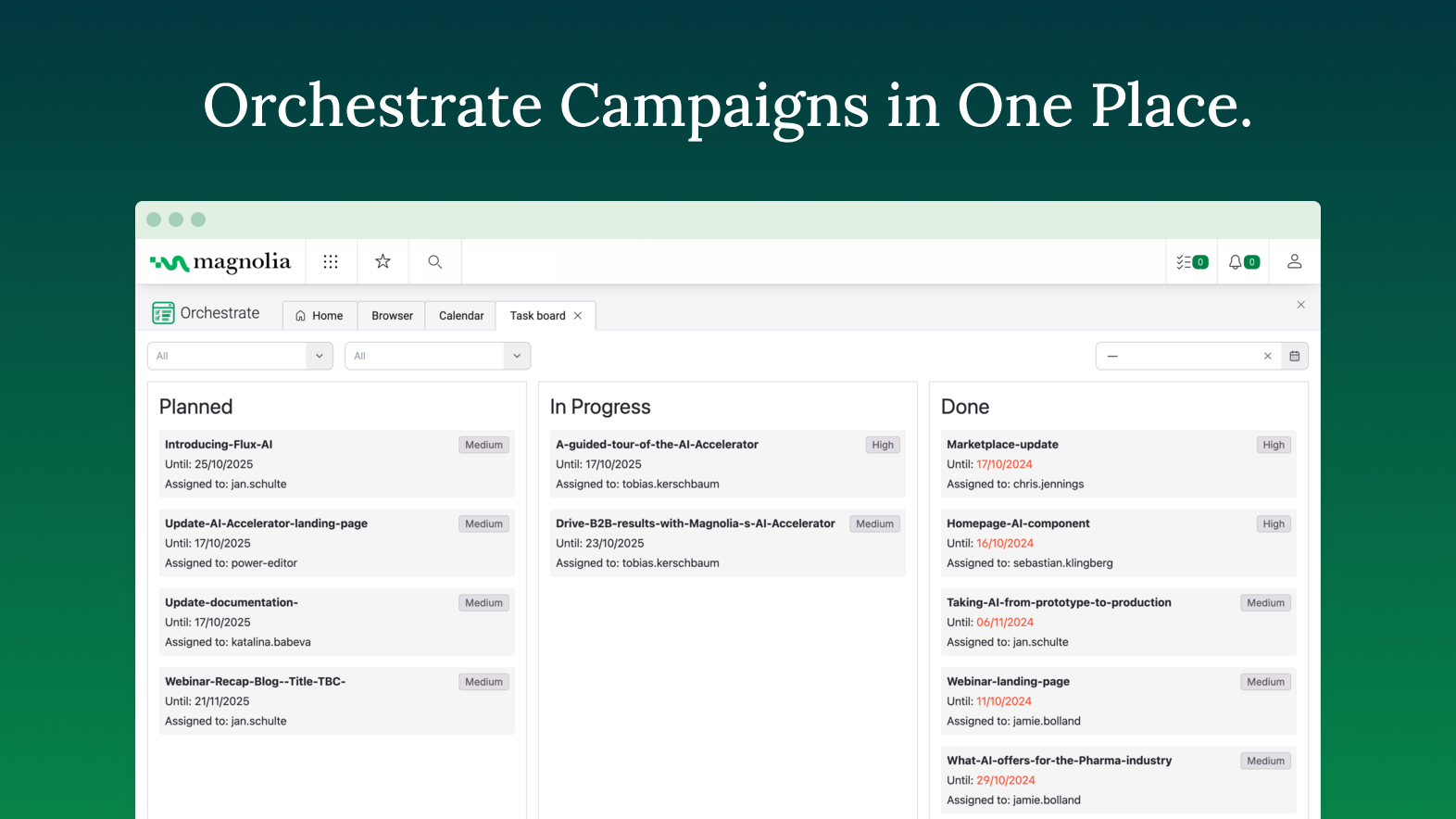 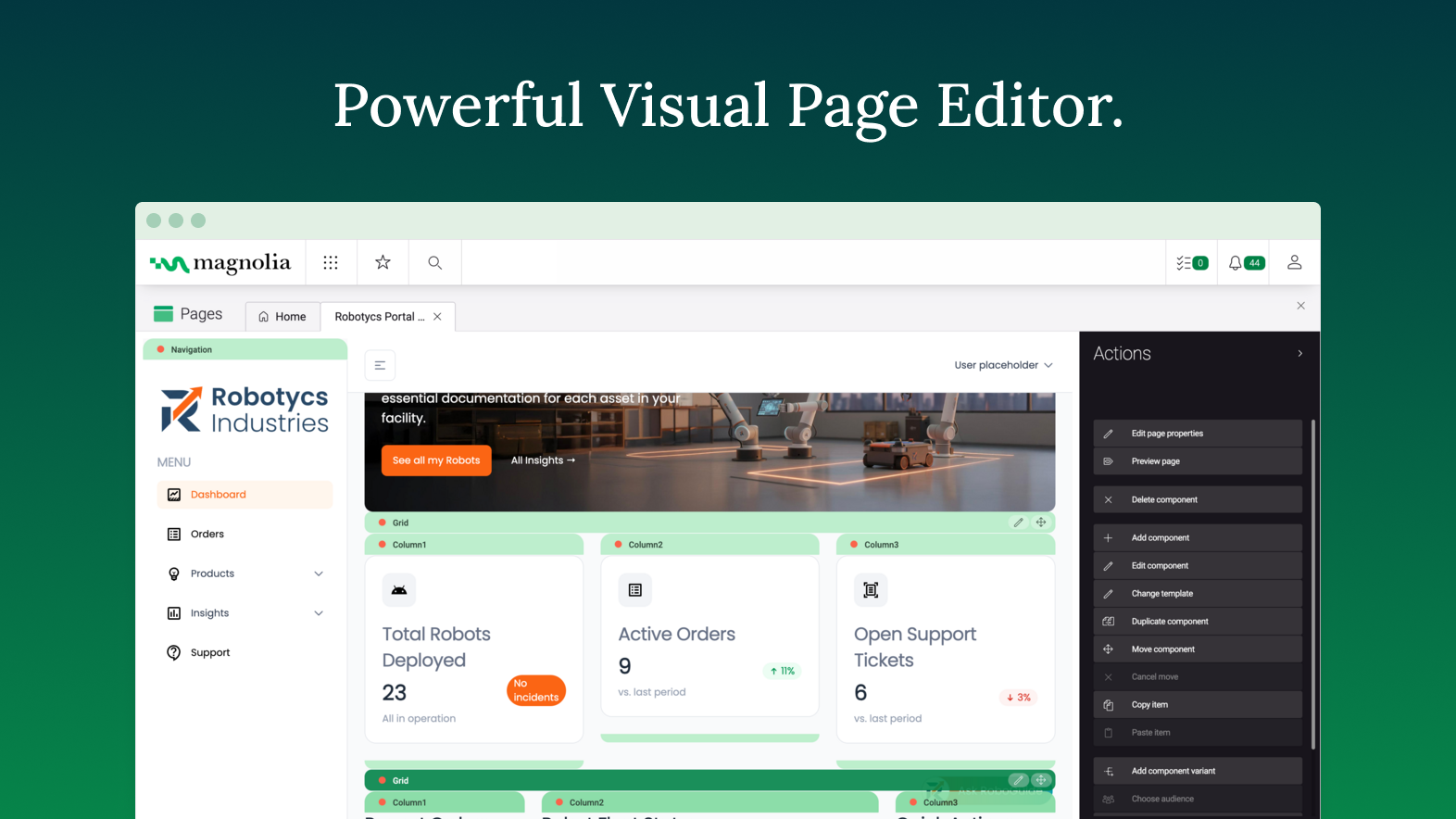 |