Chose Grafana
Easy to use
Easy to configure
Cost efficient
Easy to configure
Cost efficient

| Product | Rating | Most Used By | Product Summary | Starting Price |
|---|---|---|---|---|
 Grafana | N/A | Grafana is a data visualization tool developed by Grafana Labs in New York. It is available open source, managed (Grafana Cloud), or via an enterprise edition with enhanced features. Grafana has pluggable data source model and comes bundled with support for popular time series databases like Graphite. It also has built-in support for cloud monitoring vendors like Amazon Cloudwatch, Microsoft Azure and SQL databases like MySQL. Grafana can combine data from many places into a single dashboard. | $0 | |
 Graylog | N/A | Graylog, headquartered in Houston, offers their eponymous platform for centralized log management that helps users find meaning in data faster so as to take action immediately. Graylog is available via Enterprise and Cloud plans, but also has a Small Business Plan, and an Open (free) plan with limited features. | N/A | |
 Looker | N/A | Looker is a BI application with an analytics-oriented application server that sits on top of relational data stores. It includes an end-user interface for exploring data, a reusable development paradigm for data discovery, and an API for supporting data in other systems. | N/A |
| Grafana | Graylog | Looker | ||||||||||||||||||||||
|---|---|---|---|---|---|---|---|---|---|---|---|---|---|---|---|---|---|---|---|---|---|---|---|---|
| Editions & Modules |
| No answers on this topic | No answers on this topic | |||||||||||||||||||||
| Offerings |
| |||||||||||||||||||||||
| Entry-level Setup Fee | No setup fee | No setup fee | Required | |||||||||||||||||||||
| Additional Details | — | — | Must contact sales team for pricing. | |||||||||||||||||||||
| More Pricing Information | ||||||||||||||||||||||||
| Grafana | Graylog | Looker | |
|---|---|---|---|
| Considered Multiple Products |  Grafana | Graylog  Luiz Eduardo Garcia System Administrator Chose Graylog |  Looker |
| Grafana | Graylog | Looker | |||||||||||||||||||||||
|---|---|---|---|---|---|---|---|---|---|---|---|---|---|---|---|---|---|---|---|---|---|---|---|---|---|
| BI Standard Reporting |
| ||||||||||||||||||||||||
| Ad-hoc Reporting |
| ||||||||||||||||||||||||
| Report Output and Scheduling |
| ||||||||||||||||||||||||
| Data Discovery and Visualization |
| ||||||||||||||||||||||||
| Access Control and Security |
| ||||||||||||||||||||||||
| Mobile Capabilities |
|
| Grafana | Graylog | Looker | |
|---|---|---|---|
| Small Businesses |  Supermetrics Score 9.7 out of 10 |  SolarWinds Papertrail Score 8.9 out of 10 |  Yellowfin Score 8.7 out of 10 |
| Medium-sized Companies | Supermetrics Score 9.7 out of 10 |  Sumo Logic Score 8.8 out of 10 |  Reveal Score 10.0 out of 10 |
| Enterprises |  IBM Analytics Engine Score 7.1 out of 10 | Sumo Logic Score 8.8 out of 10 |  Kyvos Semantic Layer Score 9.5 out of 10 |
| All Alternatives | View all alternatives | View all alternatives | View all alternatives |
| Grafana | Graylog | Looker | |
|---|---|---|---|
| Likelihood to Recommend | 9.4 (7 ratings) | 9.0 (8 ratings) | 8.2 (132 ratings) |
| Likelihood to Renew | - (0 ratings) | - (0 ratings) | 9.2 (8 ratings) |
| Usability | 9.6 (3 ratings) | 9.0 (1 ratings) | 8.8 (12 ratings) |
| Availability | - (0 ratings) | - (0 ratings) | 10.0 (1 ratings) |
| Performance | - (0 ratings) | - (0 ratings) | 6.0 (1 ratings) |
| Support Rating | - (0 ratings) | 3.6 (3 ratings) | 8.8 (14 ratings) |
| Implementation Rating | - (0 ratings) | - (0 ratings) | 10.0 (1 ratings) |
| Configurability | - (0 ratings) | - (0 ratings) | 10.0 (1 ratings) |
| Contract Terms and Pricing Model | - (0 ratings) | - (0 ratings) | 10.0 (1 ratings) |
| Ease of integration | - (0 ratings) | - (0 ratings) | 10.0 (1 ratings) |
| Product Scalability | - (0 ratings) | - (0 ratings) | 10.0 (1 ratings) |
| Professional Services | - (0 ratings) | - (0 ratings) | 10.0 (1 ratings) |
| Vendor post-sale | - (0 ratings) | - (0 ratings) | 10.0 (1 ratings) |
| Vendor pre-sale | - (0 ratings) | - (0 ratings) | 10.0 (1 ratings) |
| Grafana | Graylog | Looker | |
|---|---|---|---|
| Likelihood to Recommend | Grafana Labs
| Graylog
| Google
 Daniel Dammerman Regional Sales Director |
| Pros | Grafana Labs
| Graylog
| Google
|
| Cons | Grafana Labs
 ANurag Tamrakar Software Engineer - DevOps | Graylog
| Google
|
| Likelihood to Renew | Grafana Labs No answers on this topic | Graylog No answers on this topic | Google
|
| Usability | Grafana Labs
| Graylog
Luiz Eduardo Garcia System Administrator | Google
|
| Reliability and Availability | Grafana Labs No answers on this topic | Graylog No answers on this topic | Google
 David Mynář Head Of Online Marketing |
| Performance | Grafana Labs No answers on this topic | Graylog No answers on this topic | Google
David Mynář Head Of Online Marketing |
| Support Rating | Grafana Labs No answers on this topic | Graylog
| Google
 Anson Abraham Data Lord |
| Implementation Rating | Grafana Labs No answers on this topic | Graylog No answers on this topic | Google
David Mynář Head Of Online Marketing |
| Alternatives Considered | Grafana Labs
| Graylog
| Google
|
| Contract Terms and Pricing Model | Grafana Labs No answers on this topic | Graylog No answers on this topic | Google
David Mynář Head Of Online Marketing |
| Return on Investment | Grafana Labs
| Graylog
| Google
|
| ScreenShots | Looker Screenshots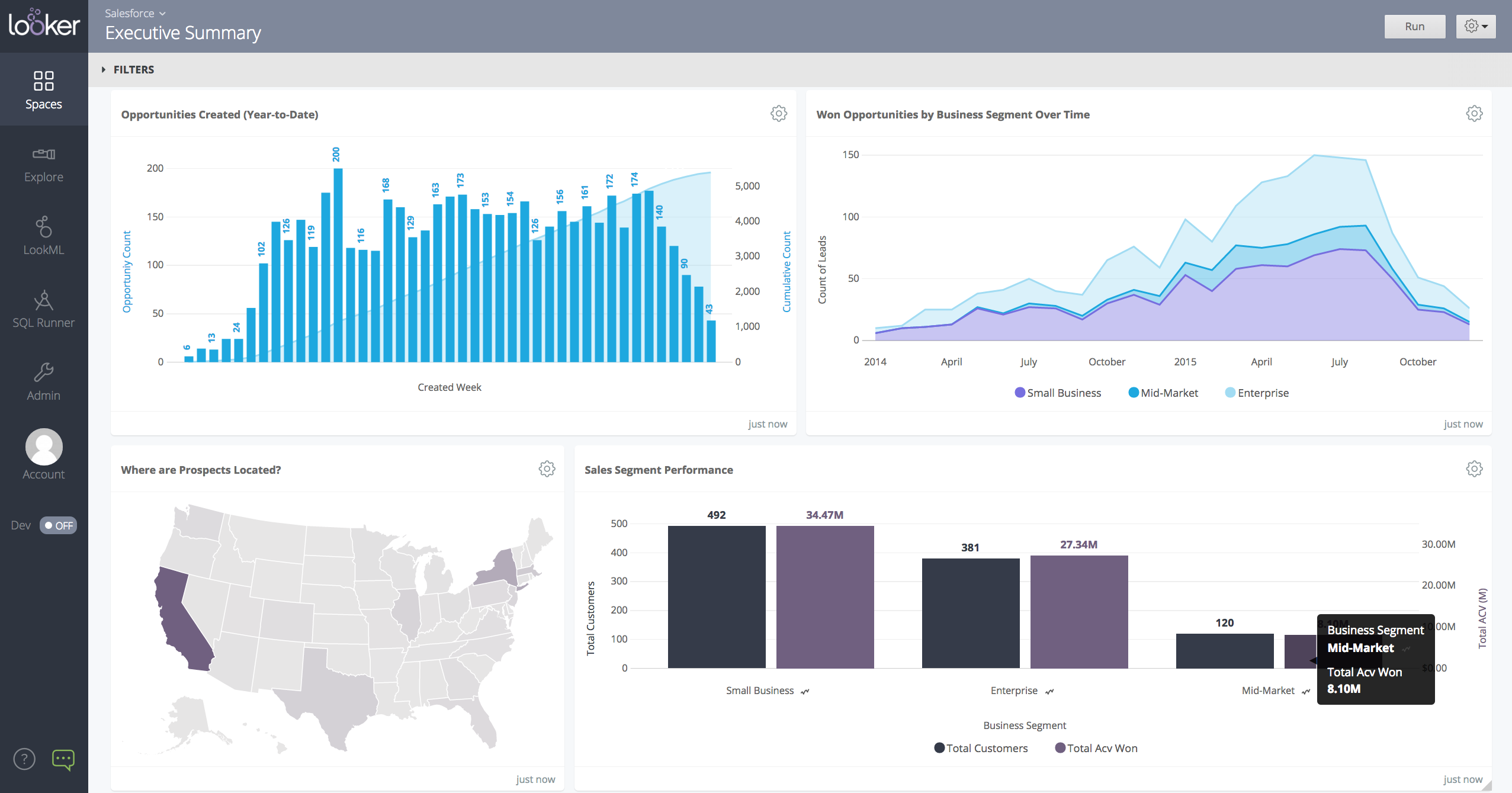 |