
Iterable vs. Maropost Marketing Cloud
Iterable vs. Maropost Marketing Cloud
| Product | Rating | Most Used By | Product Summary | Starting Price |
|---|---|---|---|---|
 Iterable | N/A | Iterable is an AI-powered customer communication platform that activates customers across channels in real-time. With intelligent personalization, dynamic content, and a cross-channel suite, Iterable helps brands create seamless, data-driven experiences across email, SMS, push, and in-app notifications. | N/A | |
 Maropost Marketing Cloud | N/A | Maropost, headquartered in Toronto with offices in New York, London, and Delhi, offers an enterprise level email marketing and automation platform for email-centric campaigns and total customer lifecycle management via an automated workflow. It features social networking "listening" to keep track of all mentions across familiar spaces like Facebook and Twitter, dashboard reports and analytics to help make sense of data from emails and web activity, a survey / form builder, and custom landing… | $279 per month |
| Iterable | Maropost Marketing Cloud | |||||||||||||||
|---|---|---|---|---|---|---|---|---|---|---|---|---|---|---|---|---|
| Editions & Modules | No answers on this topic |
| ||||||||||||||
| Offerings |
| |||||||||||||||
| Entry-level Setup Fee | Optional | No setup fee | ||||||||||||||
| Additional Details | — | Discount for annual pricing. | ||||||||||||||
| More Pricing Information | ||||||||||||||||
| Iterable | Maropost Marketing Cloud |
|---|
| Iterable | Maropost Marketing Cloud | ||||||||||||||||||||||||||||||
|---|---|---|---|---|---|---|---|---|---|---|---|---|---|---|---|---|---|---|---|---|---|---|---|---|---|---|---|---|---|---|---|
| Email & Online Marketing |
| ||||||||||||||||||||||||||||||
| Reporting & Analytics |
| ||||||||||||||||||||||||||||||
| Platform & Infrastructure |
| ||||||||||||||||||||||||||||||
| Pre-Send Testing |
|
| Iterable | Maropost Marketing Cloud | |
|---|---|---|
| Small Businesses |  Vbout Score 9.9 out of 10 | Vbout Score 9.9 out of 10 |
| Medium-sized Companies |  OutboundEngine Score 10.0 out of 10 |  VerticalResponse Score 10.0 out of 10 |
| Enterprises |  Bloomreach Score 9.2 out of 10 |  Emma by Marigold Score 8.5 out of 10 |
| All Alternatives | View all alternatives | View all alternatives |
| Iterable | Maropost Marketing Cloud | |
|---|---|---|
| Likelihood to Recommend | 8.7 (120 ratings) | 4.3 (8 ratings) |
| Likelihood to Renew | 9.1 (2 ratings) | - (0 ratings) |
| Usability | 9.1 (3 ratings) | - (0 ratings) |
| Availability | 8.2 (4 ratings) | - (0 ratings) |
| Performance | 8.2 (4 ratings) | - (0 ratings) |
| Support Rating | 9.1 (4 ratings) | 2.0 (1 ratings) |
| Online Training | 6.4 (1 ratings) | - (0 ratings) |
| Product Scalability | 7.3 (4 ratings) | - (0 ratings) |
| Iterable | Maropost Marketing Cloud | |
|---|---|---|
| Likelihood to Recommend | Iterable
|  Maropost
 Nicholas Kouvatsos Marketing Director |
| Pros | Iterable
| Maropost
|
| Cons | Iterable
 Uldis Tīfenbergs Lifecycle Marketing Lead | Maropost
|
| Likelihood to Renew | Iterable
Uldis Tīfenbergs Lifecycle Marketing Lead | Maropost No answers on this topic |
| Usability | Iterable
| Maropost No answers on this topic |
| Reliability and Availability | Iterable
 Jennifer Gibbs Editorial Director | Maropost No answers on this topic |
| Performance | Iterable
 Jason Paddock Director, Marketing Data and Technology | Maropost No answers on this topic |
| Support Rating | Iterable
 Michael Finger Marketing Campaigns Manager | Maropost
|
| Alternatives Considered | Iterable
| Maropost
 Amy Kelly Marketing Manager |
| Scalability | Iterable
Jennifer Gibbs Editorial Director | Maropost No answers on this topic |
| Return on Investment | Iterable
| Maropost
|
| ScreenShots | Maropost Marketing Cloud Screenshots   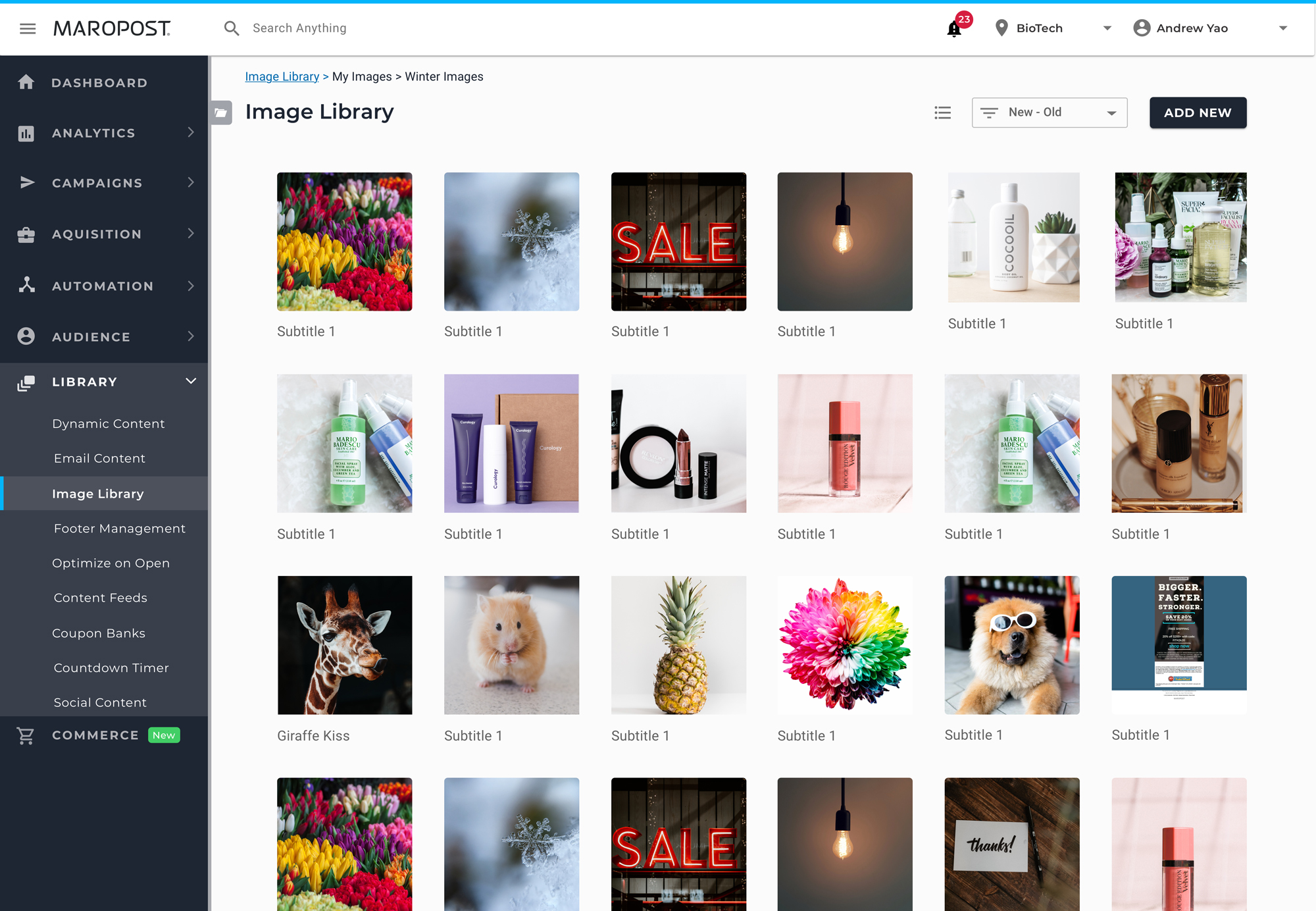  |