Chose Microsoft Power BI
It is on par if not better than other commercial software allowing for data visualizations/analysis. It is made available by the organization, possibly because of its ease of integrating with other Microsoft apps, eg Excel.

| Product | Rating | Most Used By | Product Summary | Starting Price |
|---|---|---|---|---|
 Microsoft Power BI | N/A | Microsoft Power BI is a visualization and data discovery tool from Microsoft. It allows users to convert data into visuals and graphics, visually explore and analyze data, collaborate on interactive dashboards and reports, and scale across their organization with built-in governance and security. | $168 per year per user | |
 TIBCO Data Virtualization | N/A | TIBCO Data Virtualization is an enterprise data virtualization solution that orchestrates access to multiple and varied data sources and delivers the datasets and IT-curated data services foundation for nearly any solution. | N/A |
| Microsoft Power BI | TIBCO Data Virtualization | |||||||||||||||
|---|---|---|---|---|---|---|---|---|---|---|---|---|---|---|---|---|
| Editions & Modules |
| No answers on this topic | ||||||||||||||
| Offerings |
| |||||||||||||||
| Entry-level Setup Fee | No setup fee | No setup fee | ||||||||||||||
| Additional Details | Power BI Desktop is the data exploration and report authoring experience for Power BI, and is available as a free download. | — | ||||||||||||||
| More Pricing Information | ||||||||||||||||
| Microsoft Power BI | TIBCO Data Virtualization | |
|---|---|---|
| Considered Both Products | Microsoft Power BI  Purav Vaidya Vice President, Mobile technology Chose Microsoft Power BI Microsoft BI tool does a better job than most of the other software. The reason is excellent visualizations and its capability to connect with various other software and data sources. Tableau does a better job when it comes to tutorials and being more user-friendly. Also … |  TIBCO Data Virtualization  Ruth Ennis Coordinator Of Volunteers Chose TIBCO Data Virtualization Honestly, we decided to use Microsoft Power BI over TIBCO Data Virtualization for our visualization purpose. TIBCO is up against Power BI by having a long list of different data sources compared to the list of data sources available in Power BI. TIBCO is a good tool but for …  Dave Withers Vice President, Data Architecture Chose TIBCO Data Virtualization  Prashast Vaish Decision Scientist Chose TIBCO Data Virtualization The key decision to select TIBCO over other products was made by the client team in which I did not have any role, however after using the product I can say that the new age of data science calls for a new shift in data visualization tools. The incorporation of AI takes it to … |
| Microsoft Power BI | TIBCO Data Virtualization | |||||||||||||||||||||
|---|---|---|---|---|---|---|---|---|---|---|---|---|---|---|---|---|---|---|---|---|---|---|
| BI Standard Reporting |
| |||||||||||||||||||||
| Ad-hoc Reporting |
| |||||||||||||||||||||
| Report Output and Scheduling |
| |||||||||||||||||||||
| Data Discovery and Visualization |
| |||||||||||||||||||||
| Access Control and Security |
| |||||||||||||||||||||
| Mobile Capabilities |
| |||||||||||||||||||||
| Application Program Interfaces (APIs) / Embedding |
|
| Microsoft Power BI | TIBCO Data Virtualization | |
|---|---|---|
| Small Businesses |  GoodData.AI Score 8.8 out of 10 | No answers on this topic |
| Medium-sized Companies |  Reveal Score 10.0 out of 10 |  SAP HANA Cloud Score 8.8 out of 10 |
| Enterprises |  Kyvos Semantic Layer Score 9.5 out of 10 |  Perforce Delphix Score 9.9 out of 10 |
| All Alternatives | View all alternatives | View all alternatives |
| Microsoft Power BI | TIBCO Data Virtualization | |
|---|---|---|
| Likelihood to Recommend | 8.6 (199 ratings) | 7.1 (43 ratings) |
| Likelihood to Renew | 9.6 (3 ratings) | 6.1 (3 ratings) |
| Usability | 8.3 (115 ratings) | 5.4 (5 ratings) |
| Availability | - (0 ratings) | 8.0 (2 ratings) |
| Performance | - (0 ratings) | 6.6 (20 ratings) |
| Support Rating | 10.0 (52 ratings) | 7.9 (21 ratings) |
| Online Training | - (0 ratings) | 8.0 (1 ratings) |
| Implementation Rating | 9.0 (1 ratings) | 7.9 (3 ratings) |
| Configurability | - (0 ratings) | 8.0 (1 ratings) |
| Ease of integration | - (0 ratings) | 3.0 (1 ratings) |
| Product Scalability | - (0 ratings) | 8.0 (2 ratings) |
| Vendor post-sale | - (0 ratings) | 8.0 (1 ratings) |
| Vendor pre-sale | - (0 ratings) | 8.0 (1 ratings) |
| Microsoft Power BI | TIBCO Data Virtualization | |
|---|---|---|
| Likelihood to Recommend | Microsoft
| Cloud Software Group
|
| Pros | Microsoft
| Cloud Software Group
 Savan Almelkar Principal Consultant |
| Cons | Microsoft
| Cloud Software Group
|
| Likelihood to Renew | Microsoft
 David Jensen Operations Manager, Customer Success | Cloud Software Group
|
| Usability | Microsoft
| Cloud Software Group
Dave Withers Vice President, Data Architecture |
| Reliability and Availability | Microsoft No answers on this topic | Cloud Software Group
|
| Performance | Microsoft No answers on this topic | Cloud Software Group
|
| Support Rating | Microsoft
| Cloud Software Group
 Ellen Caroline Murphy Dixon Administrator in Finance and Accounting |
| Online Training | Microsoft No answers on this topic | Cloud Software Group
|
| Implementation Rating | Microsoft
 Anuj Sant Senior buyer | Cloud Software Group
|
| Alternatives Considered | Microsoft
| Cloud Software Group
|
| Scalability | Microsoft No answers on this topic | Cloud Software Group
|
| Return on Investment | Microsoft
| Cloud Software Group
|
| ScreenShots | Microsoft Power BI Screenshots      | TIBCO Data Virtualization Screenshots 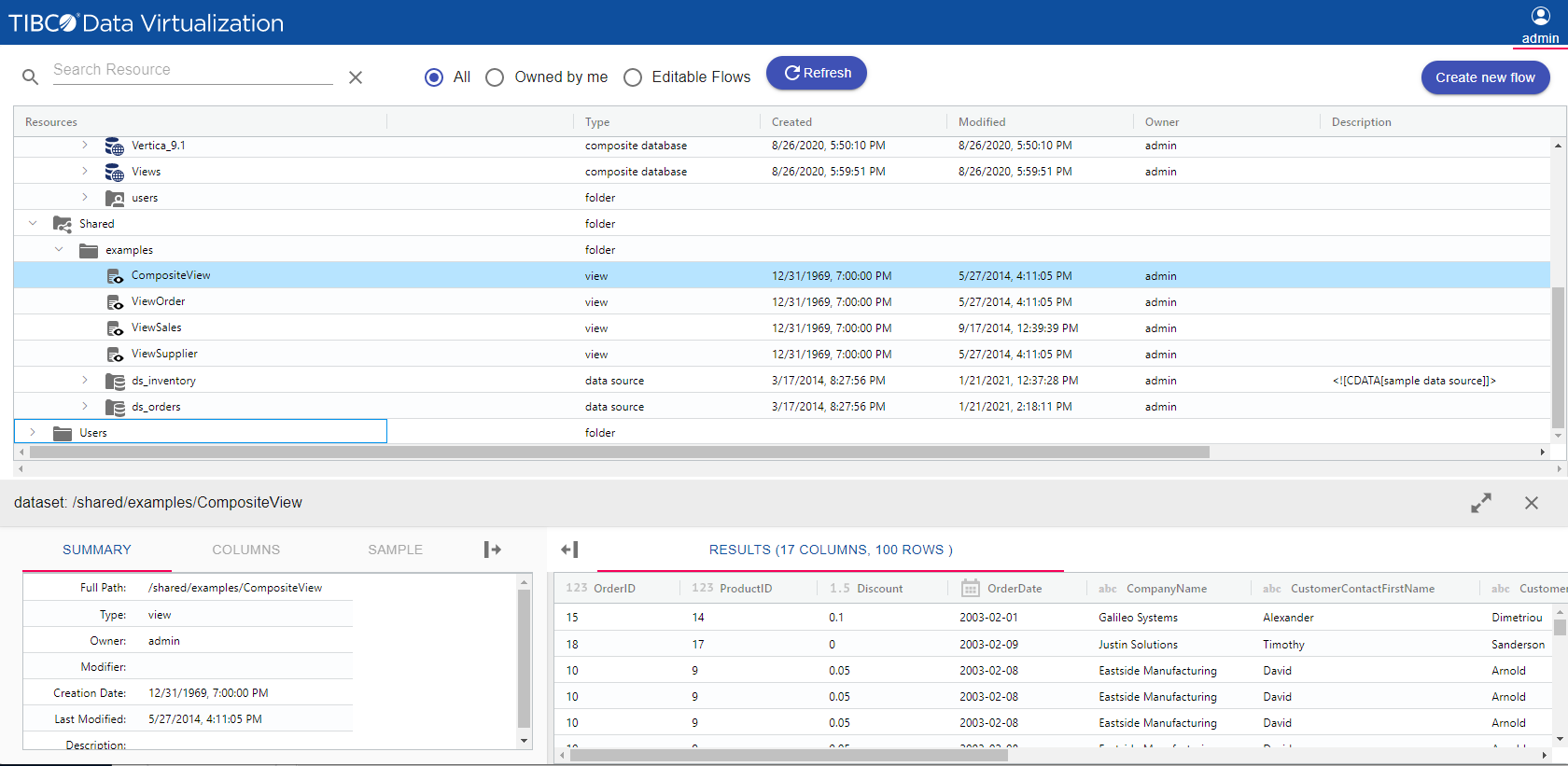  |