
360 Campaigner vs. Iterable
360 Campaigner vs. Iterable
| Product | Rating | Most Used By | Product Summary | Starting Price |
|---|---|---|---|---|
 360 Campaigner | Small Businesses (1-50 employees) | 360 Campaigner is a B2B marketing automation platform that includes email marketing, lead nurturing, and CRM capabilities. Data Below Provided by 360 Campaigner Marketing Automation Features Email & Online Marketing Features WYSIWYG Email Editor Scheduled Emails Deliverability Scoring Delivery Tracking Drip Email Marketing Forms, Dynamic Content Dynamic Content Testing (pre… | $90 upto 10000 emails | |
 Iterable | N/A | Iterable is an AI-powered customer communication platform that activates customers across channels in real-time. With intelligent personalization, dynamic content, and a cross-channel suite, Iterable helps brands create seamless, data-driven experiences across email, SMS, push, and in-app notifications. | N/A |
| 360 Campaigner | Iterable | |||||||||||||||
|---|---|---|---|---|---|---|---|---|---|---|---|---|---|---|---|---|
| Editions & Modules |
| No answers on this topic | ||||||||||||||
| Offerings |
| |||||||||||||||
| Entry-level Setup Fee | No setup fee | Optional | ||||||||||||||
| Additional Details | For additional tiers of emails, contacts and nurturing credits under each plan. | — | ||||||||||||||
| More Pricing Information | ||||||||||||||||
| 360 Campaigner | Iterable |
|---|
| 360 Campaigner | Iterable | ||||||||||||||||||||||||||||||
|---|---|---|---|---|---|---|---|---|---|---|---|---|---|---|---|---|---|---|---|---|---|---|---|---|---|---|---|---|---|---|---|
| Email & Online Marketing |
| ||||||||||||||||||||||||||||||
| Lead Management |
| ||||||||||||||||||||||||||||||
| Campaign Management |
| ||||||||||||||||||||||||||||||
| Social Media Marketing |
| ||||||||||||||||||||||||||||||
| Reporting & Analytics |
| ||||||||||||||||||||||||||||||
| Platform & Infrastructure |
|
| 360 Campaigner | Iterable | |
|---|---|---|
| Small Businesses |  Vbout Score 9.9 out of 10 | Vbout Score 9.9 out of 10 |
| Medium-sized Companies |  OutboundEngine Score 10.0 out of 10 | OutboundEngine Score 10.0 out of 10 |
| Enterprises |  Bloomreach Score 9.2 out of 10 | Bloomreach Score 9.2 out of 10 |
| All Alternatives | View all alternatives | View all alternatives |
| 360 Campaigner | Iterable | |
|---|---|---|
| Likelihood to Recommend | 10.0 (1 ratings) | 8.7 (120 ratings) |
| Likelihood to Renew | - (0 ratings) | 9.1 (2 ratings) |
| Usability | - (0 ratings) | 9.1 (3 ratings) |
| Availability | - (0 ratings) | 8.2 (4 ratings) |
| Performance | - (0 ratings) | 8.2 (4 ratings) |
| Support Rating | - (0 ratings) | 9.1 (4 ratings) |
| Online Training | - (0 ratings) | 6.4 (1 ratings) |
| Product Scalability | - (0 ratings) | 7.3 (4 ratings) |
| 360 Campaigner | Iterable | |
|---|---|---|
| Likelihood to Recommend |  360 Campaigner
| Iterable
|
| Pros | 360 Campaigner
| Iterable
|
| Cons | 360 Campaigner
| Iterable
 Uldis Tīfenbergs Lifecycle Marketing Lead |
| Likelihood to Renew | 360 Campaigner No answers on this topic | Iterable
Uldis Tīfenbergs Lifecycle Marketing Lead |
| Usability | 360 Campaigner No answers on this topic | Iterable
|
| Reliability and Availability | 360 Campaigner No answers on this topic | Iterable
 Jennifer Gibbs Editorial Director |
| Performance | 360 Campaigner No answers on this topic | Iterable
 Jason Paddock Director, Marketing Data and Technology |
| Support Rating | 360 Campaigner No answers on this topic | Iterable
 Michael Finger Marketing Campaigns Manager |
| Alternatives Considered | 360 Campaigner
| Iterable
|
| Scalability | 360 Campaigner No answers on this topic | Iterable
Jennifer Gibbs Editorial Director |
| Return on Investment | 360 Campaigner
| Iterable
|
| ScreenShots | 360 Campaigner Screenshots    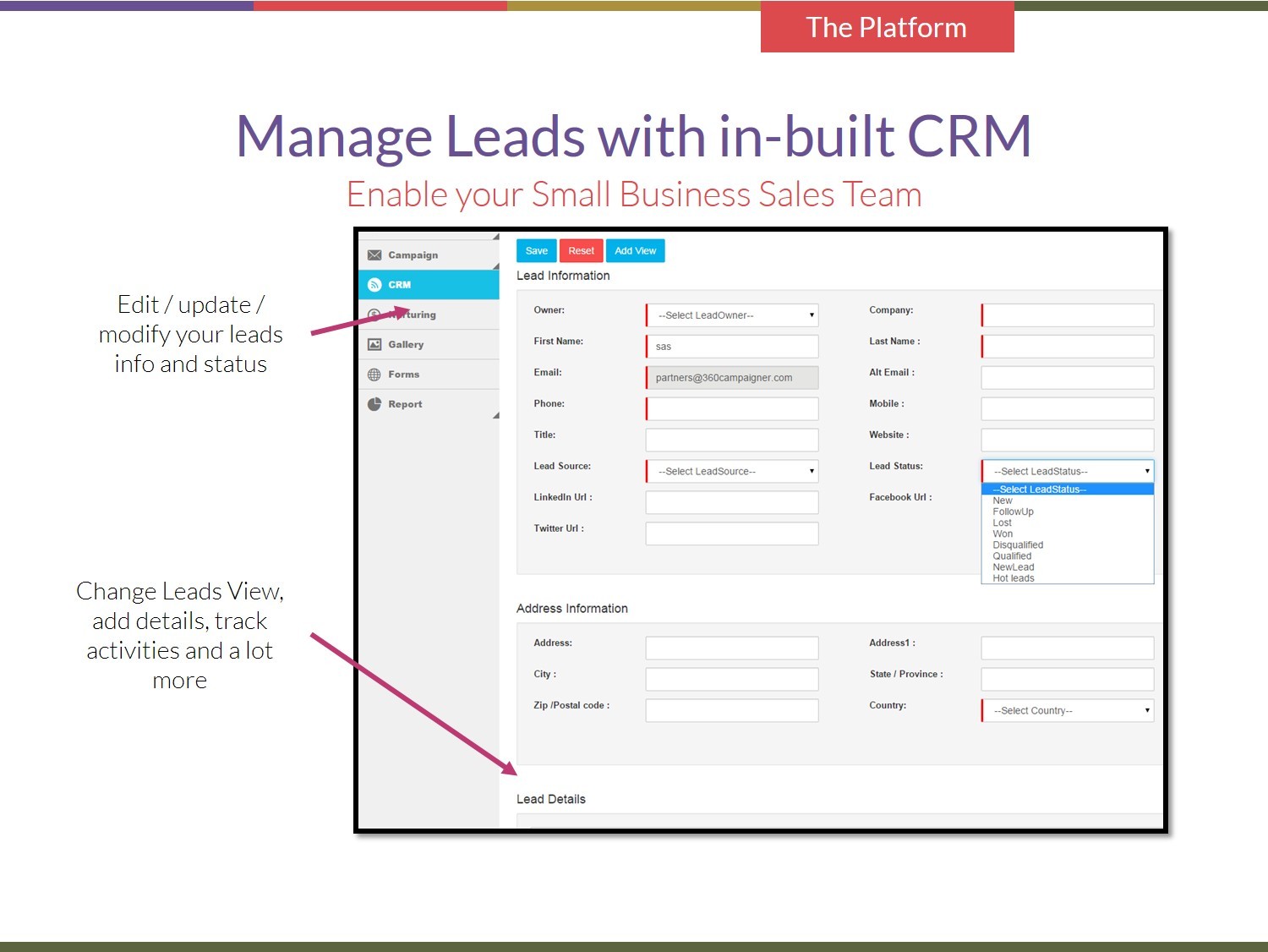  |