
Jiancong Lu
QA Analyst
Chose BrowserStack
BrowserStack by far is still the best tool we have for mobile and accessibility testing.

| Product | Rating | Most Used By | Product Summary | Starting Price |
|---|---|---|---|---|
 BrowserStack | N/A | BrowserStack is a test platform built for developers and QAs to expand test coverage, scale and optimize testing with cross-browser, real device cloud, accessibility, visual testing, test management, and test observability. BrowserStack states it currently powers over a billion tests a year for customers who include Amazon, Paypal, Well Fargo Bank, Nvidia, MongoDB, Pfizer, GE, Discovery, React JS, Apache, JQuery and several others rely on BrowserStack to test their web and mobile apps. | $0 per month Unlimited users and 5000 free screenshots | |
 IBM DevOps Test Performance | N/A | IBM DevOps Test Performance helps software testing teams test earlier and more frequently by shifting testing left. IBM DevOps Test Performance validates the scalability of web and server applications, identifies the presence and cause of system performance bottlenecks and reduces load testing. Software testing teams can execute performance tests that analyze the impact of load on applications. | N/A | |
 OpenText UFT One | N/A | Unified Functional Testing (UFT, formerly known as HP UFT and before that QuickTest Professional or HP QTP) is a functional and performance testing tool acquired by Micro Focus from Hewlett-Packard Enterprise, now from OpenText. | N/A |
| BrowserStack | IBM DevOps Test Performance | OpenText UFT One | ||||||||||||||||||||||
|---|---|---|---|---|---|---|---|---|---|---|---|---|---|---|---|---|---|---|---|---|---|---|---|---|
| Editions & Modules |
| No answers on this topic | No answers on this topic | |||||||||||||||||||||
| Offerings |
| |||||||||||||||||||||||
| Entry-level Setup Fee | No setup fee | No setup fee | No setup fee | |||||||||||||||||||||
| Additional Details | — | — | — | |||||||||||||||||||||
| More Pricing Information | ||||||||||||||||||||||||
| BrowserStack | IBM DevOps Test Performance | OpenText UFT One | |
|---|---|---|---|
| Considered Multiple Products |  BrowserStack Jiancong Lu QA Analyst Chose BrowserStack BrowserStack by far is still the best tool we have for mobile and accessibility testing. |  IBM DevOps Test Performance No answer on this topic | OpenText UFT One No answer on this topic |
| BrowserStack | IBM DevOps Test Performance | OpenText UFT One | |
|---|---|---|---|
| Small Businesses |  TestComplete Score 7.9 out of 10 |  GitLab Score 8.7 out of 10 | BrowserStack Score 8.5 out of 10 |
| Medium-sized Companies |  ReadyAPI Score 6.2 out of 10 | GitLab Score 8.7 out of 10 | ReadyAPI Score 6.2 out of 10 |
| Enterprises |  ignio AIOps Score 8.1 out of 10 | GitLab Score 8.7 out of 10 | ReadyAPI Score 6.2 out of 10 |
| All Alternatives | View all alternatives | View all alternatives | View all alternatives |
| BrowserStack | IBM DevOps Test Performance | OpenText UFT One | |
|---|---|---|---|
| Likelihood to Recommend | 9.0 (244 ratings) | 6.0 (1 ratings) | 8.0 (12 ratings) |
| Likelihood to Renew | 9.1 (19 ratings) | - (0 ratings) | - (0 ratings) |
| Usability | 7.8 (23 ratings) | - (0 ratings) | 7.0 (1 ratings) |
| Availability | 9.7 (5 ratings) | - (0 ratings) | - (0 ratings) |
| Performance | 5.5 (78 ratings) | - (0 ratings) | - (0 ratings) |
| Support Rating | 7.7 (24 ratings) | - (0 ratings) | 8.0 (1 ratings) |
| In-Person Training | 7.3 (1 ratings) | - (0 ratings) | - (0 ratings) |
| Online Training | 4.2 (3 ratings) | - (0 ratings) | - (0 ratings) |
| Implementation Rating | 8.9 (8 ratings) | - (0 ratings) | - (0 ratings) |
| Configurability | 8.3 (6 ratings) | - (0 ratings) | - (0 ratings) |
| Contract Terms and Pricing Model | 8.9 (4 ratings) | - (0 ratings) | - (0 ratings) |
| Ease of integration | 8.3 (3 ratings) | - (0 ratings) | - (0 ratings) |
| Product Scalability | 9.8 (6 ratings) | - (0 ratings) | - (0 ratings) |
| Professional Services | 8.9 (4 ratings) | - (0 ratings) | - (0 ratings) |
| Vendor post-sale | 9.0 (4 ratings) | - (0 ratings) | - (0 ratings) |
| Vendor pre-sale | 8.3 (4 ratings) | - (0 ratings) | - (0 ratings) |
| BrowserStack | IBM DevOps Test Performance | OpenText UFT One | |
|---|---|---|---|
| Likelihood to Recommend | BrowserStack
| IBM
| OpenText
 Sourav Halder Senior Specialist |
| Pros | BrowserStack
 Erin Hinnen Technical Project Manager | IBM
| OpenText
 Derek Wallis Technical Test Analyst and Automation Engineer |
| Cons | BrowserStack
| IBM
| OpenText
 Sourav Singla ,Safe Agilist, CSP, ICP-ACC, CSM, CSPO, SSM, LSSG Enterprise Agile Coach |
| Likelihood to Renew | BrowserStack
| IBM No answers on this topic | OpenText No answers on this topic |
| Usability | BrowserStack
| IBM No answers on this topic | OpenText
|
| Reliability and Availability | BrowserStack
| IBM No answers on this topic | OpenText No answers on this topic |
| Performance | BrowserStack
 Steven Boutcher QA Automation Engineer | IBM No answers on this topic | OpenText No answers on this topic |
| Support Rating | BrowserStack
| IBM No answers on this topic | OpenText
Derek Wallis Technical Test Analyst and Automation Engineer |
| In-Person Training | BrowserStack
| IBM No answers on this topic | OpenText No answers on this topic |
| Online Training | BrowserStack
| IBM No answers on this topic | OpenText No answers on this topic |
| Implementation Rating | BrowserStack
| IBM No answers on this topic | OpenText No answers on this topic |
| Alternatives Considered | BrowserStack
 Kuman Kothiya Test Lead | IBM
| OpenText
 Veeraiah Motukuri Principal Consultant |
| Contract Terms and Pricing Model | BrowserStack
| IBM No answers on this topic | OpenText No answers on this topic |
| Scalability | BrowserStack
| IBM No answers on this topic | OpenText No answers on this topic |
| Professional Services | BrowserStack
| IBM No answers on this topic | OpenText No answers on this topic |
| Return on Investment | BrowserStack
| IBM
| OpenText
 Gagneet Singh Test Manager |
| ScreenShots | BrowserStack Screenshots 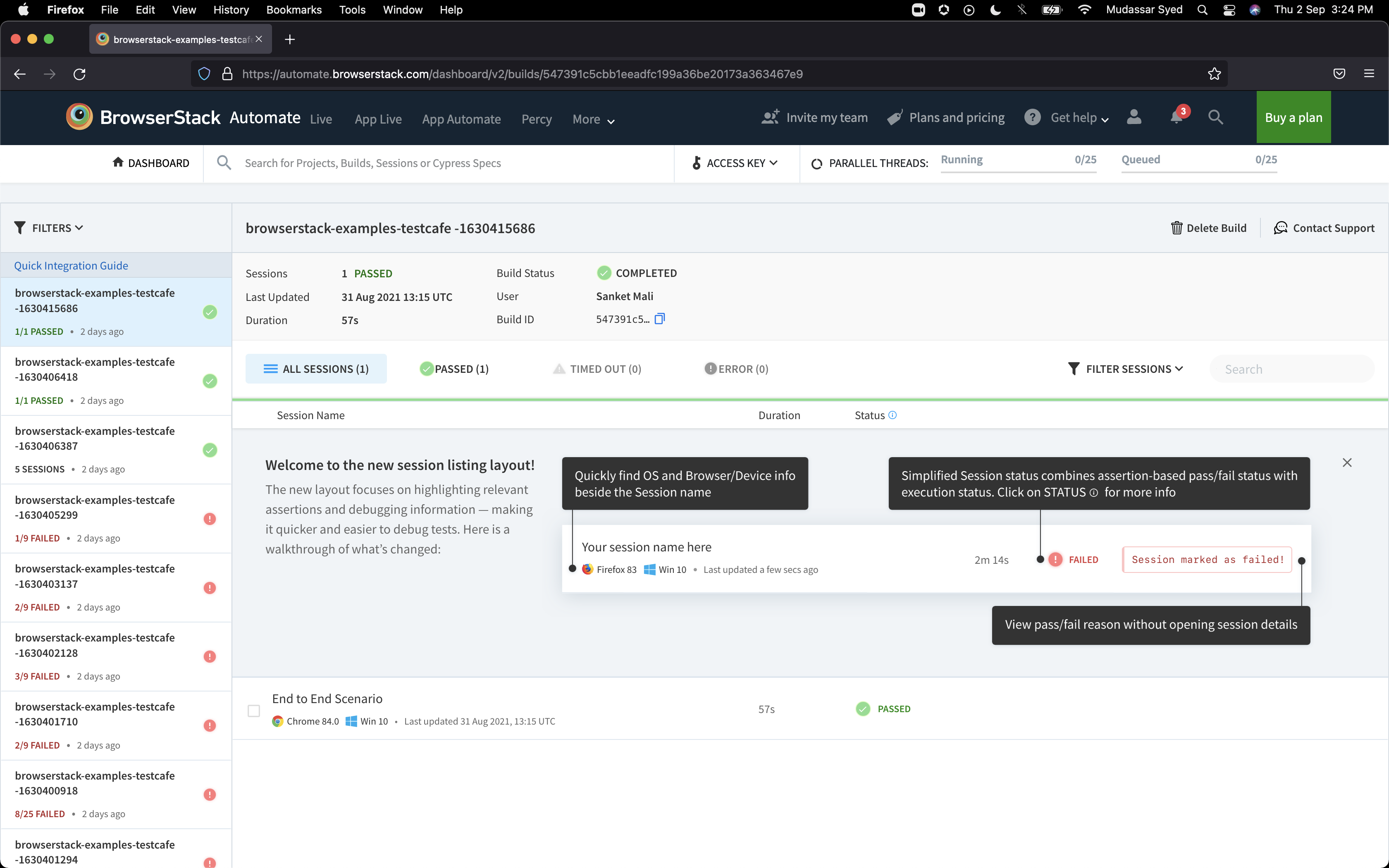 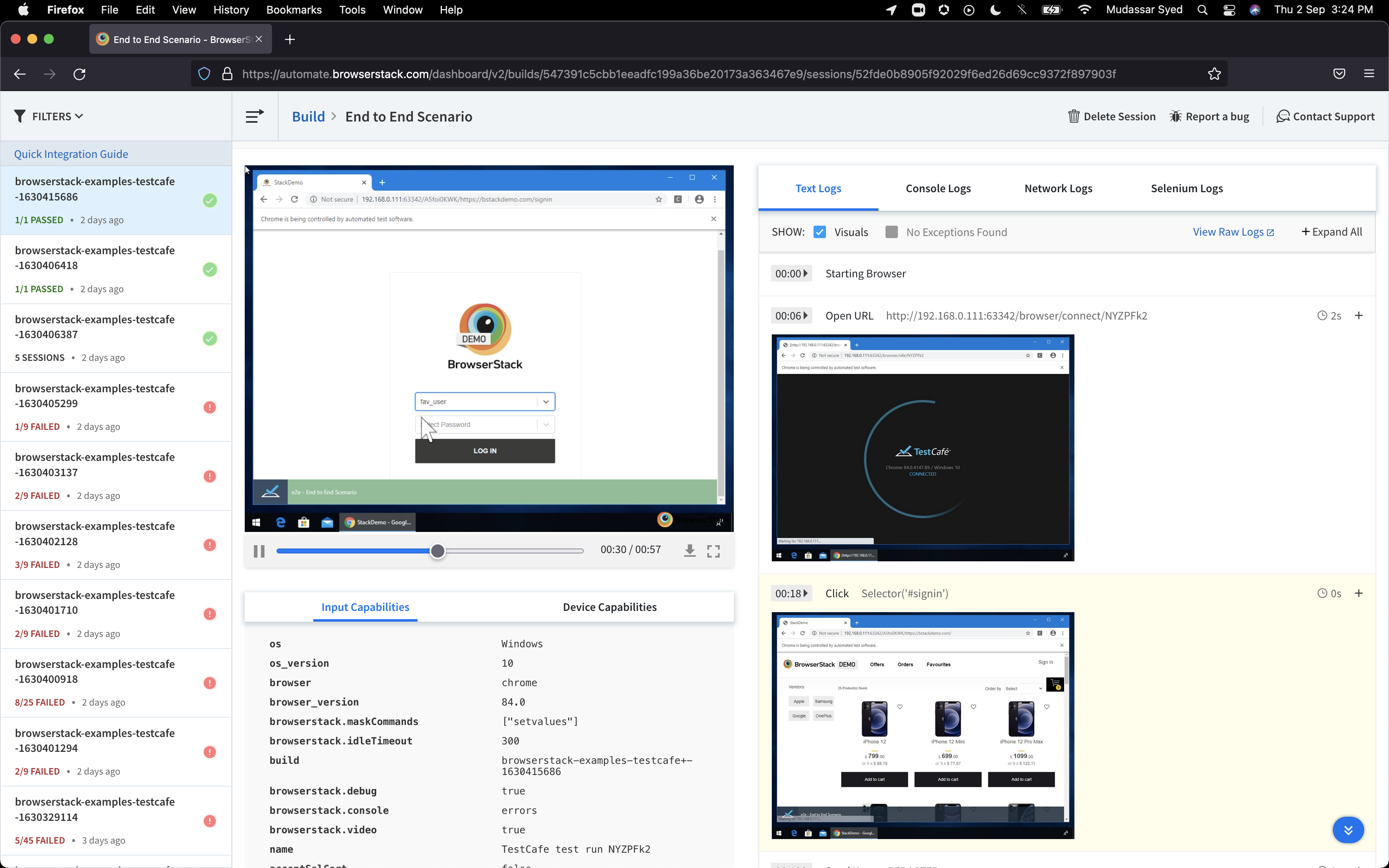 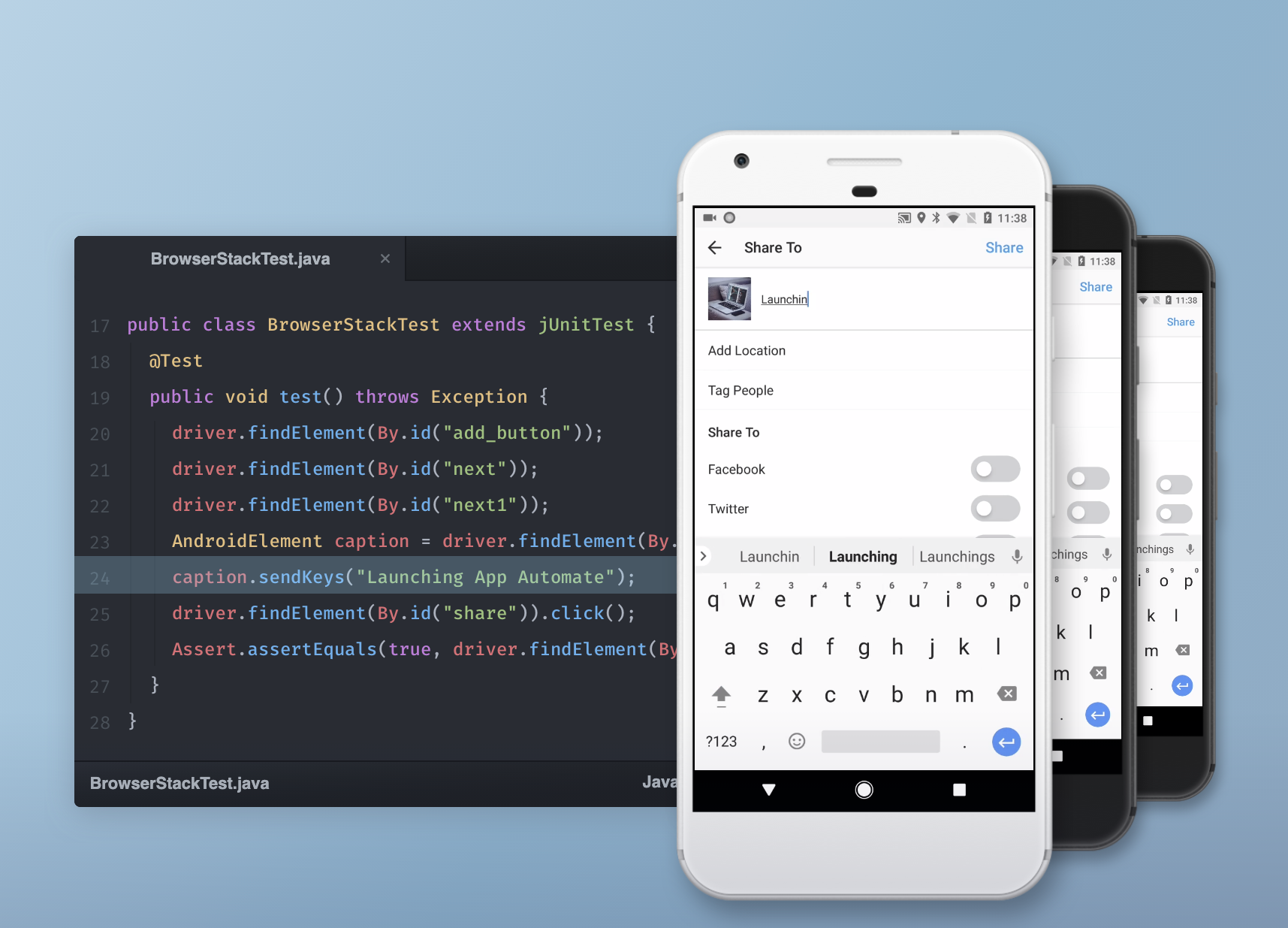  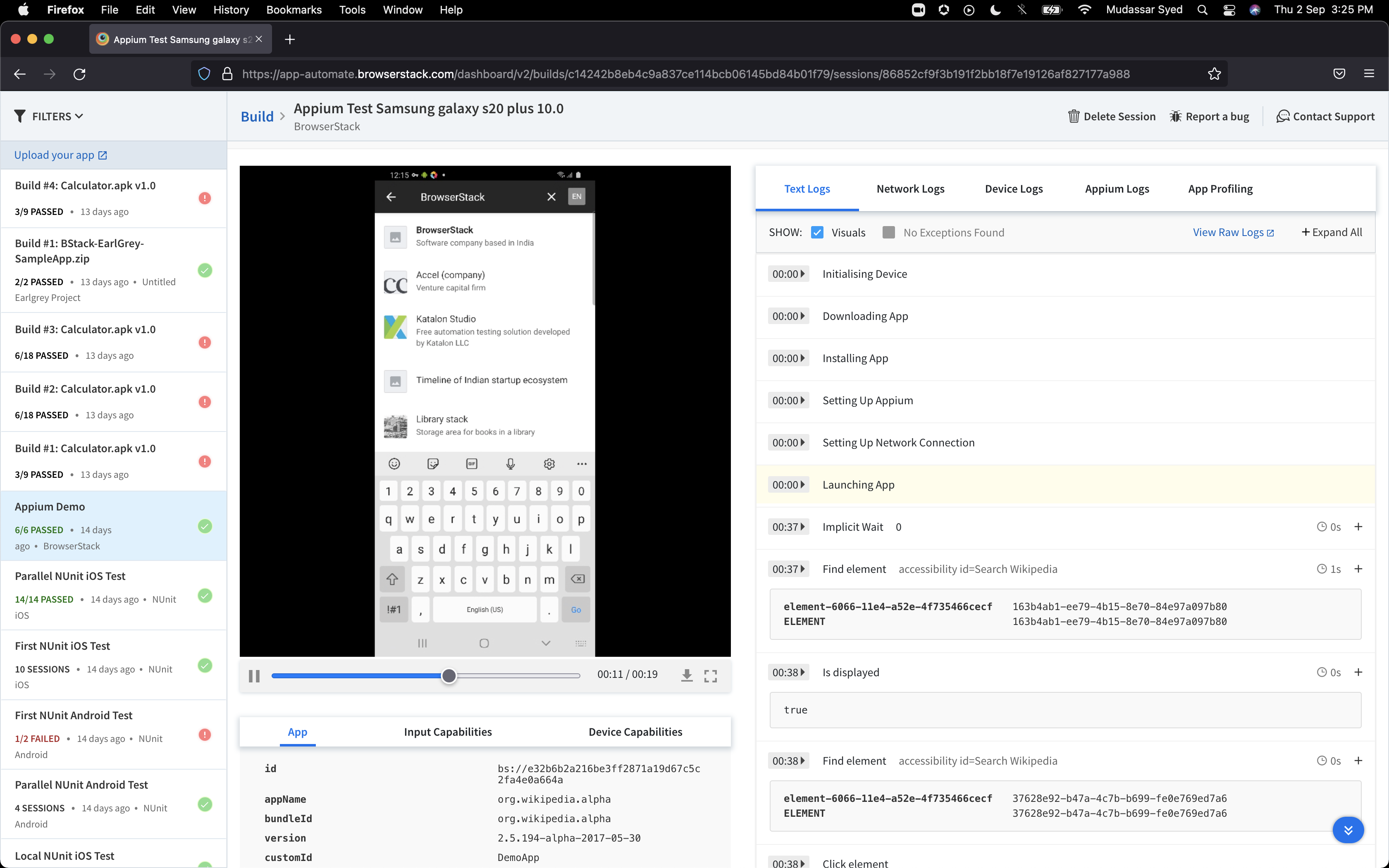 |