
Chose Datadog
Datadog vs. Grafana vs. Prometheus
Datadog vs. Grafana vs. Prometheus
| Product | Rating | Most Used By | Product Summary | Starting Price |
|---|---|---|---|---|
 Datadog | N/A | Datadog is a monitoring service for IT, Dev and Ops teams who write and run applications at scale, and want to turn the massive amounts of data produced by their apps, tools and services into actionable insight. | $18 per month per host | |
 Grafana | N/A | Grafana is a data visualization tool developed by Grafana Labs in New York. It is available open source, managed (Grafana Cloud), or via an enterprise edition with enhanced features. Grafana has pluggable data source model and comes bundled with support for popular time series databases like Graphite. It also has built-in support for cloud monitoring vendors like Amazon Cloudwatch, Microsoft Azure and SQL databases like MySQL. Grafana can combine data from many places into a single dashboard. | $0 | |
 Prometheus | N/A | Prometheus is a service monitoring and time series database, which is open source. | N/A |
| Datadog | Grafana | Prometheus | ||||||||||||||||||||||
|---|---|---|---|---|---|---|---|---|---|---|---|---|---|---|---|---|---|---|---|---|---|---|---|---|
| Editions & Modules |
|
| No answers on this topic | |||||||||||||||||||||
| Offerings |
| |||||||||||||||||||||||
| Entry-level Setup Fee | Optional | No setup fee | No setup fee | |||||||||||||||||||||
| Additional Details | Discount available for annual pricing. Multi-Year/Volume discounts available (500+ hosts/mo). | — | — | |||||||||||||||||||||
| More Pricing Information | ||||||||||||||||||||||||
| Datadog | Grafana | Prometheus | |
|---|---|---|---|
| Considered Multiple Products |  Datadog  Vinit Parakh Sr. DevOps Engineer Chose Datadog First think first - it's easy to use, and very easy to implement in any infrastructure. It provides a custom dashboard and monitors. I’ve used or evaluated Grafana, Prometheus, Amazon CloudWatch, and Dynatrace, and each tool has strong capabilities. Prometheus + Grafana provide …  Jeffrey van Santen Sr SWE Chose Datadog Datadog is a more complex but complete solution than any of the other Log Aggregation, monitoring, or general observabilty tools that we have trialed. I found it easier to setup following useful and up-to-date documentation provided directly by Datadog instead of scattered …  Joe Cardali Head of Engineering Chose Datadog Much more modern and advanced  Fernando Battistella DevOps Engineer Chose Datadog ease of use and implementation, other than New Relic (which I think is terrible in every possible way), the other two support opentelemetry better, have more manageable costs and comparable basic services, but they do not have the breadt of services dd does.  Aman Makwana DevOps Engineer Chose Datadog It's a one-stop solution for all our needs whereas in other open-source tools, we have an operational overhead to keep and manage the uptime of these tools as well and also manage their versioning, upgrade, and patching cycle. Also if there are any bugs then we have to raise an … |  Grafana  Matthew Goodhall infastructure consultant Chose Grafana Grafana has a direct plugin to Icinga monitoring solution and allowed for easy configuration for us. At the time of implementation, other services did not have such an integration. As we already had a very customized and heavily introduced monitoring solution in place, we … | Prometheus  Abhishek Nandi Sr. Engineer Chose Prometheus The software is very lightweight and can be hosted with minimal resource usage. Many exporters exist for various software. Prometheus has a powerful and flexible query language (PromQL) that allows analyzing your data easy. I use this software with its various exporters, …  Animesh Kumar Senior Member of Technical Staff Chose Prometheus We considered TICK stack as an alternative to our Prometheus/Grafana setup that we have for capturing, storing and visualizing the time series data. But it seemed more complicated to learn and required a separate DB called InfluxDB to be setup. So, after all these considerations, …  Joshua Li System Integration And Test Engineer Chose Prometheus Prometheus is great for quantifiable metrics. Loki is intended for log aggregation. Depending on project a different combination of data source types may be needed. However, quantifiable metrics are predominantly supported by Prometheus. Other data sources like elastic search …  Asad Khan Technical CARE Specialist Chose Prometheus Prometheus is best suited for Kubernetes metrics as compared to Zabbix.  Prashant Chaudhari Head of Engineering & Founding team member Chose Prometheus Prometheus is cheaper, and you can quickly set it up compared to others. It is integrated with most of the open-source monitoring and alerting tools and can help small companies in having a cost-effective solution early in their stage. |
| Datadog | Grafana | Prometheus | |||||||||||||||||||||||
|---|---|---|---|---|---|---|---|---|---|---|---|---|---|---|---|---|---|---|---|---|---|---|---|---|---|
| BI Standard Reporting |
| ||||||||||||||||||||||||
| Ad-hoc Reporting |
| ||||||||||||||||||||||||
| Report Output and Scheduling |
| ||||||||||||||||||||||||
| Data Discovery and Visualization |
|
| Datadog | Grafana | Prometheus | |
|---|---|---|---|
| Small Businesses |  InfluxDB Score 8.8 out of 10 |  Supermetrics Score 9.7 out of 10 | InfluxDB Score 8.8 out of 10 |
| Medium-sized Companies |  Sumo Logic Score 8.8 out of 10 | Supermetrics Score 9.7 out of 10 | No answers on this topic |
| Enterprises |  NetBrain Technologies Score 9.2 out of 10 |  IBM Analytics Engine Score 7.2 out of 10 | No answers on this topic |
| All Alternatives | View all alternatives | View all alternatives | View all alternatives |
| Datadog | Grafana | Prometheus | |
|---|---|---|---|
| Likelihood to Recommend | 9.4 (55 ratings) | 9.4 (7 ratings) | 7.7 (35 ratings) |
| Usability | 9.2 (34 ratings) | 9.6 (3 ratings) | 6.8 (3 ratings) |
| Support Rating | 8.9 (6 ratings) | - (0 ratings) | 5.0 (1 ratings) |
| Datadog | Grafana | Prometheus | |
|---|---|---|---|
| Likelihood to Recommend | Datadog
| Grafana Labs
| Open Source
 Mauricio Lozada System Engineer |
| Pros | Datadog
| Grafana Labs
| Open Source
|
| Cons | Datadog
| Grafana Labs
 ANurag Tamrakar Software Engineer - DevOps | Open Source
|
| Likelihood to Renew | Datadog
| Grafana Labs No answers on this topic | Open Source No answers on this topic |
| Usability | Datadog
Jeffrey van Santen Sr SWE | Grafana Labs
| Open Source
Animesh Kumar Senior Member of Technical Staff |
| Support Rating | Datadog
| Grafana Labs No answers on this topic | Open Source
|
| Implementation Rating | Datadog
| Grafana Labs No answers on this topic | Open Source No answers on this topic |
| Alternatives Considered | Datadog
| Grafana Labs
| Open Source
|
| Return on Investment | Datadog
| Grafana Labs
| Open Source
|
| ScreenShots | Datadog Screenshots 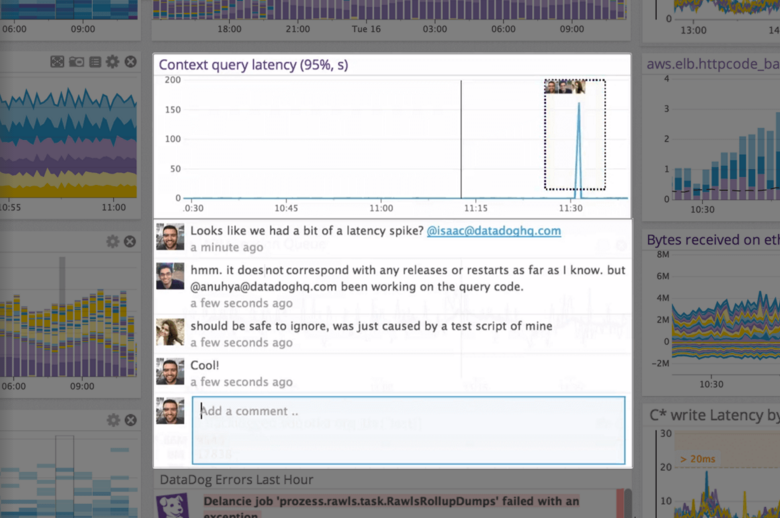 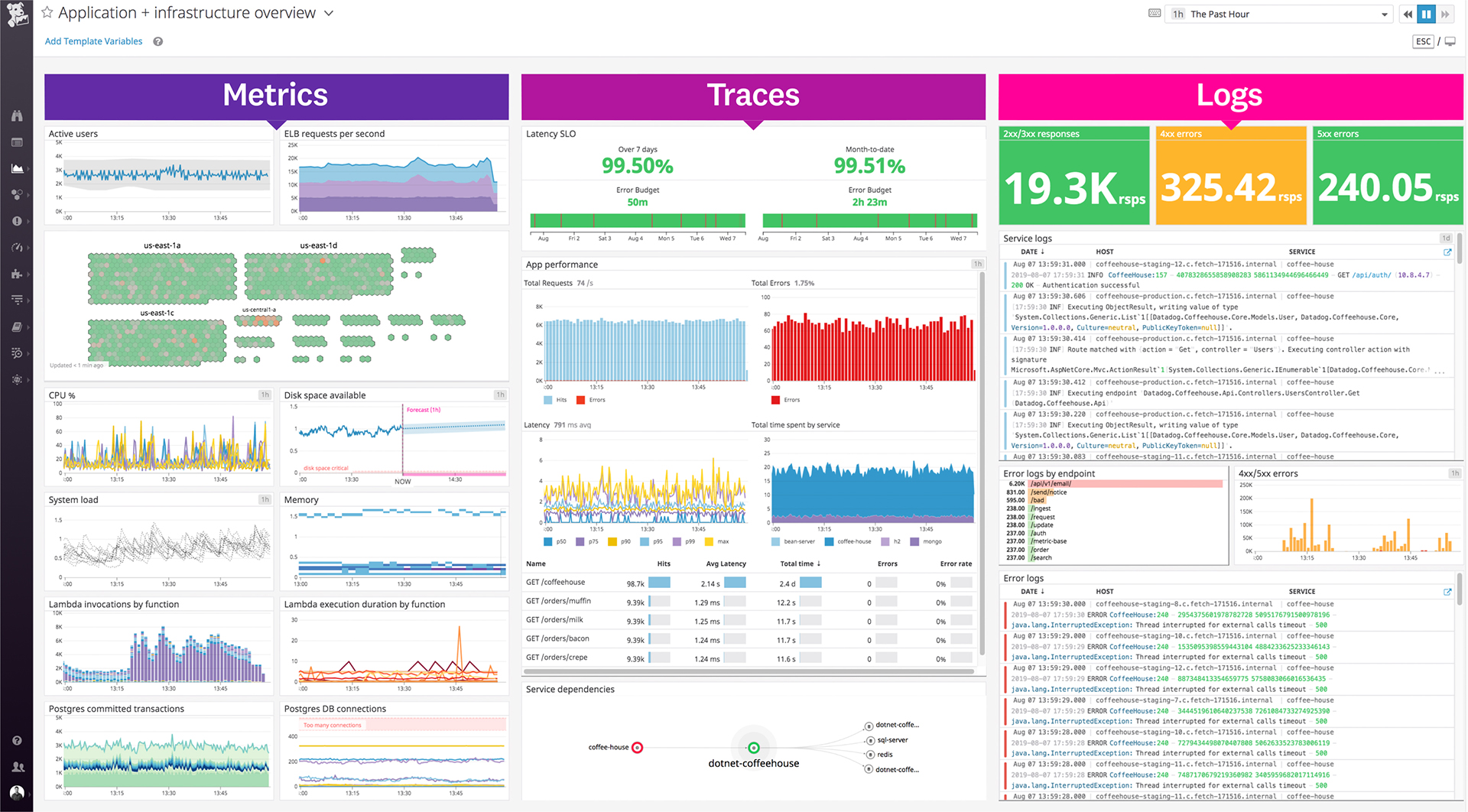    |