
Dixa vs. Jitterbit
Dixa vs. Jitterbit
| Product | Rating | Most Used By | Product Summary | Starting Price |
|---|---|---|---|---|
 Dixa | N/A | Dixa, headquartered in Copenhagen, offers their VoIP and call center software, featuring browser based phone, email, and live chat, intelligent skill-based call routing and other agent management tools, queue management and prioritization, and other features designed to provide scalable customer support for ecommerce and small businesses. | $39 per month per user | |
 Jitterbit | N/A | Jitterbit is a cloud integration technology for cloud, social or mobile apps. It provides accessibility for non-technical users, including easily creating API’s and data transformation scripts within the integrations. | $1,000 per month |
| Dixa | Jitterbit | |||||||||||||||
|---|---|---|---|---|---|---|---|---|---|---|---|---|---|---|---|---|
| Editions & Modules |
|
| ||||||||||||||
| Offerings |
| |||||||||||||||
| Entry-level Setup Fee | Optional | No setup fee | ||||||||||||||
| Additional Details | Discount offered for annual billing. Many product add-ons available: - Dixa Chatbot - Dixa Quality and Insights - Collaboration Users - Seasonal Agents Service add-ons - Active Guidance: Dixa Platform - Active Guidance: Chatbot & Automation - Custom Card Integration | — | ||||||||||||||
| More Pricing Information | ||||||||||||||||
| Dixa | Jitterbit |
|---|
| Dixa | Jitterbit | |||||||||||||||||||||
|---|---|---|---|---|---|---|---|---|---|---|---|---|---|---|---|---|---|---|---|---|---|---|
| Cloud Data Integration |
|
| Dixa | Jitterbit | |
|---|---|---|
| Small Businesses |  Agiloft Service Desk (discontinued) Score 9.0 out of 10 |  Make Score 9.3 out of 10 |
| Medium-sized Companies | Agiloft Service Desk (discontinued) Score 9.0 out of 10 |  IBM App Connect Score 9.2 out of 10 |
| Enterprises |  SysAid Score 8.9 out of 10 | IBM App Connect Score 9.2 out of 10 |
| All Alternatives | View all alternatives | View all alternatives |
| Dixa | Jitterbit | |
|---|---|---|
| Likelihood to Recommend | 9.3 (4 ratings) | 7.0 (25 ratings) |
| Likelihood to Renew | - (0 ratings) | 8.0 (9 ratings) |
| Support Rating | - (0 ratings) | 10.0 (1 ratings) |
| Dixa | Jitterbit | |
|---|---|---|
| Likelihood to Recommend | Dixa
 Noah Miller Healthcare Technology Leader at Johnson & Johnson |  Jitterbit
|
| Pros | Dixa
 Jason Terrick Sales Manager | Jitterbit
|
| Cons | Dixa
 Inés Prieto R&D / Product Development Engineer - Quality | Jitterbit
 Laura Sponaas IT Developer Architect |
| Likelihood to Renew | Dixa No answers on this topic | Jitterbit
 Crystal Steinbach, MBA Digital Communications Professional |
| Support Rating | Dixa No answers on this topic | Jitterbit
 Travis Terry Performance Testing Engineer / Front End Developer /System Analyst |
| Alternatives Considered | Dixa
 Kevin Tucker Director Of Customer Service Operations | Jitterbit
 Laura McDonough, PMP Vice-President, Business Operations & PMO |
| Return on Investment | Dixa
Noah Miller Healthcare Technology Leader at Johnson & Johnson | Jitterbit
|
| ScreenShots | Dixa Screenshots  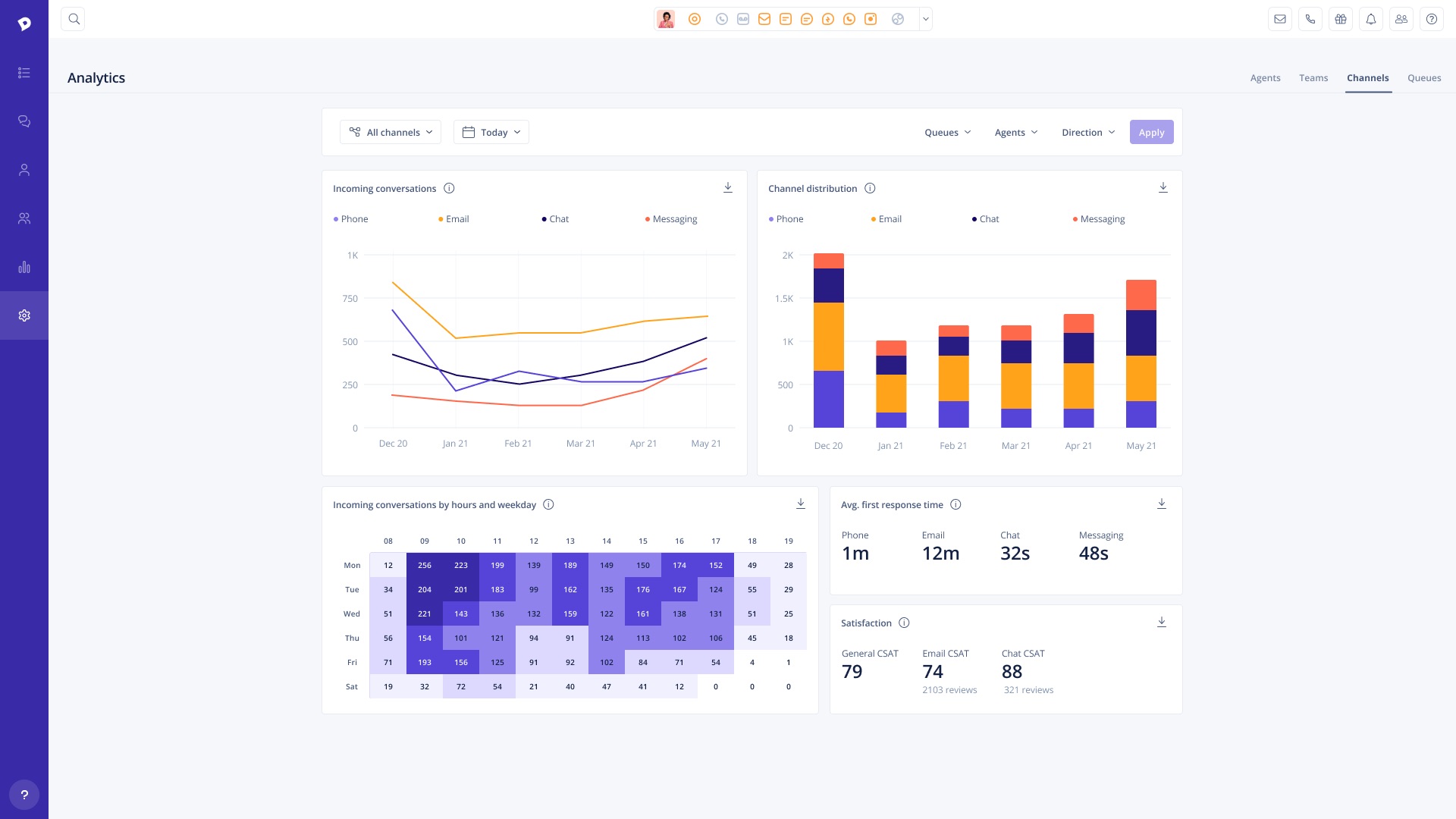  |