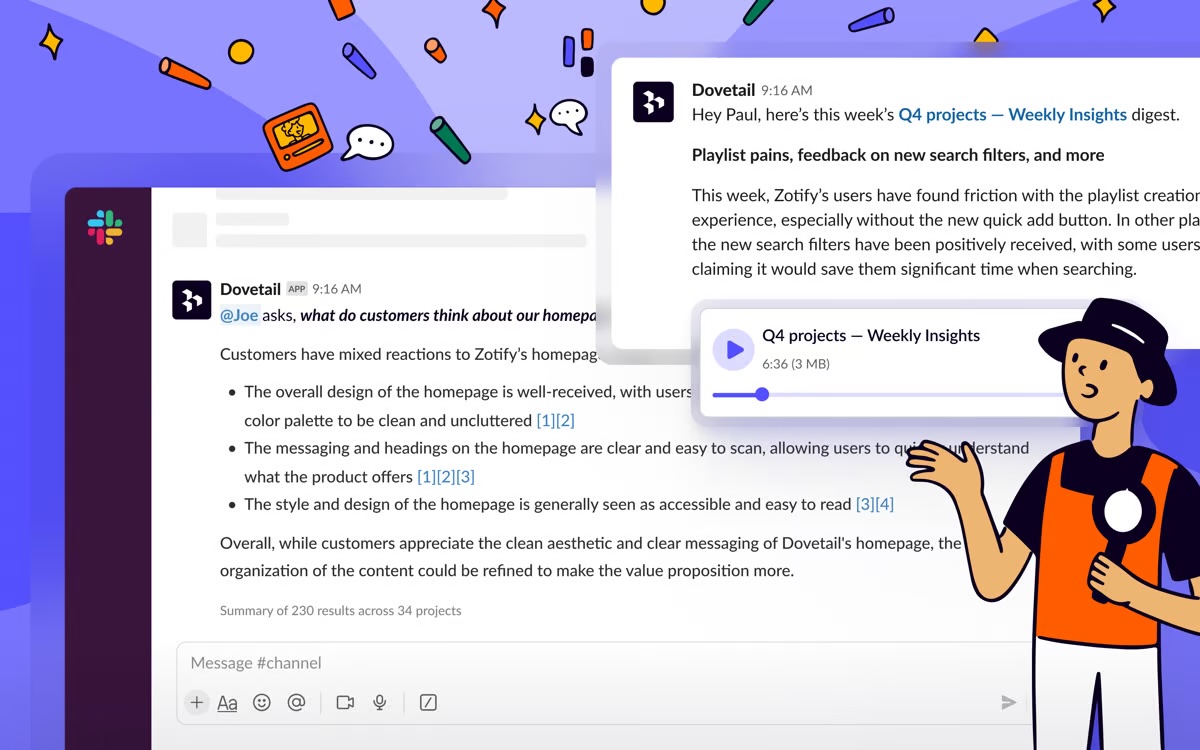
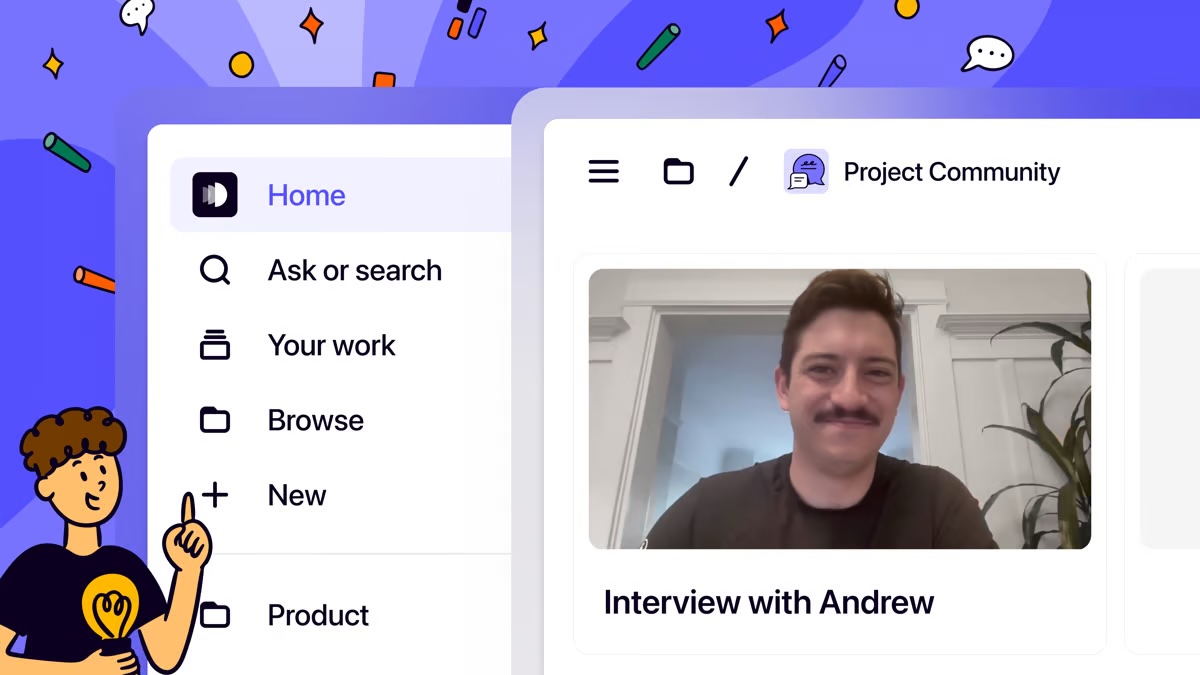
Dovetail, headquartered in Sydney, aims to enable the world to create better products and services through deep customer understanding. Dovetail states they empower 45,000+ people, from agencies to universities to Fortune 100 companies, to make sense of their customer research in one collaborative research platform.
$0
per month
Qualtrics
Score 7.7 out of 10
N/A
Qualtrics is software for advanced quantitative and qualitative research to design products that satisfy customers, increase market share, and build enduring brands. The platform brings sophisticated quant and qual research together with analytics in a single platform.
$1,500
per user/per year
Pricing
Dovetail
Qualtrics XM for Strategy and Research
Editions & Modules
Free
$0
Professional
$15
per month
Enterprise
Contact Sales
per year
Research Core 1
1,500
per user/per year
Offerings
Pricing Offerings
Dovetail
Qualtrics
Free Trial
Yes
Yes
Free/Freemium Version
Yes
Yes
Premium Consulting/Integration Services
No
Yes
Entry-level Setup Fee
Optional
Optional
Additional Details
Discount available for annual billing on the Professional plan.
Dovetail meets our needs the best with global codebooks, data retention rules, etc. Other platforms offered functionality we had in other tools or limited our ability to control data management and access controls. We would love even more in Dovetail, but like the direction …
See 1st question answer for my use case, I went into depth there for the specific use cases we have. For less appropriate (touched on this earlier) the final report is not great in dovetail. The formatting options are not great and does not look professional because of the lack of customization and layouts. For my customer we wouldn't be able to present that data as it's constructed. So we have to copy and paste all the quotes and insights to a word doc. That's ok but then it means if we want to use Dovetail as a repository of data we have to then re-import a pdf of the report into the project page.
Qualtrics is a good medium for creating surveys and getting analytics back for it. I think it's easy to learn if you are in the business of creating surveys or if it's part of your studies. It can be a little overwhelming for a brand new user who has never created a survey for the first time. So onboarding could be better.
The tagging, linking, and repository features make it simple to maintain a living library of knowledge, ensuring past work is never lost.
Dovetail enables our researchers and non-research partners to engage more directly with findings, fostering a stronger culture of evidence-based decision-making.
Dovetail makes it simple to track engagement metrics with research insights proving overall ROI.
Qualtrics CoreXM is easy to use for quick one-time surveys or for measuring opinions over time
It's great for sending/managing RSVPs for meetings or other gatherings or to collect important data like Conflict of Interest declarations.
Qualtrics CoreXM's reporting and crosstab functionality is beefy and gets better all of the time. I'm always amazed at how easy it is to generate reports for sharing my survey response data and research.
We should have a trust indicator for our insights, as it is difficult to quickly determine when they are trustworthy or not.
Chatbot analysis within different data, I mostly use it with a small sample and replicate the process instead of using the chatbot for more global analysis.
Insight creation, the format is not always really engaging, and you can't really create a presentation from it. It does not align with some stakeholder expectations and requires us to redo the work.
The collaborate feature can be clunky and sometimes we have to remove access and add a person back in for them to see the survey in their lists
We have a contract through our university and more than one person has created their account in the wrong place, causing some administrative headaches as that is fixed so that we can collaborate on surveys with them.
I wish it was easier to organize my surveys into folders, there should be a more efficient way to do that.
Because we are really happy with the tool and it’s capabilities at the moment. The price increase is the main issue we can have but the features are getting better and better. It really saves a lot of time for our team and allow us to collaborate more efficiently with certain stakeholders that often did not réalise how much research we conduct. Now they can just have a look to it by themself!
I was impressed a couple years ago when two heads of market research at Fortune 500 companies told me about them, and I've been even more impressed with the advancements I've seen in the last year. I like where the company is headed, and I look forward to using them again in a future role.
Very organized and user-friendly; however, the editing capabilities for the analysis report/insight doc could use some work. There was a recent update also causing it to be harder to find the in-project search bar and where to switch from the highlight list and highlight board view, which made the experience more challenging, especially since I was sharing my screen. Not only did it catch me off guard that it changed, but stakeholders and I were trying (on-call) to figure out how to access it and couldn't. After the call, I did more digging and finally found it, but that was after a bit of time. Outside of this and the editing for insight reports, I feel like the usability is actually very well thought out and effective.
All the menus are very user friendly and intuitive. I can always find exactly what I'm looking for and can change anything I need to with ease. All the elements of the survey are adjustable with very little effort and without confusion.
Regarding performance, I would say it’s satisfactory. Adding data and transcriptions is really fast and efficient, and can be done in the background, so I’m never hindered by these aspects. However, all the new AI-generated features are still somewhat slow to run. It’s nothing major, but it should improve in the future.
My customer success manager is very responsive and has always been able to answer my questions and resolve issues quickly. The collaboration is smooth, so I have no complaints in that regard.
Whenever we have had an issue with trying to figure out how to do something (even though the documentation is incredibly well put together) we have asked Qualtrics support and have always received our answer nearly immediately (I think in maybe 10 times, only once did a support person need to call us back). Qualtrics support is dedicated to solving customer issues right, and in the first contact, if at all possible
The training went very well, and we co-built it to really address our needs. I also think it was beneficial to have feedback coming from someone other than myself (since I manage the tool), as it helped reinforce the points I wanted to highlight. The team’s feedback on the training was very positive.
I still use it. It does everything you need an online survey to do. From heat mapping to complex skip logic and display logic. I use it weekly and it never disappoints
Dovetail is the most stakeholder-friendly research tool we've used. Its visual insights, highlight reels, and intuitive interface make it easy for non-researchers to understand and act on customer feedback. Stakeholders can engage directly without needing deep training, making it ideal for cross-functional teams. Compared to other tools, Dovetail offers the best balance of depth for researchers and clarity for decision-makers.
]Qualtrics] CoreXM is great if you want something that is a little more [long] lasting and impactful than a simple survey engine, but aren't quite ready for something that is a long term sustainable program. I would put [Qualtrics] CoreXM squarely in the large, defined project phase. CX is more of the program phase, and other lessor vendors are great for the pre-project definition phase
Management is quite straightforward; it’s easy to change access if certain stakeholders need to use it. The repository features are accessible to all teams, making it a good entry point into the tool. The more people use it, the more powerful the tool becomes, so it seems truly scalable to me. The limits are more financial, in terms of accessing additional features.
Researchers and designers now spend less time digging through scattered notes or redoing similar studies. Centralizing everything in Dovetail has significantly reduced the time needed to prepare synthesis reports, align stakeholders, or onboard new teammates into past research.
With Dovetail, user insights are no longer abstract or anecdotal—they're traceable, searchable, and backed by real quotes. Product teams feel more confident making roadmap decisions based on what users actually need, not assumptions.
Dovetail has encouraged more non-designers to engage with user feedback directly. This democratization of insights helps align everyone around real user problems, which ultimately leads to better product-market fit and faster iteration loops.