
Hypersocket vs. Keeper vs. RoboForm
Hypersocket vs. Keeper vs. RoboForm
| Product | Rating | Most Used By | Product Summary | Starting Price |
|---|---|---|---|---|
 Hypersocket | N/A | Hypersocket (formerly Nervepoint) enables organizations to efficiently manage and administer end users and their access to disparate systems by empowering end users to manage their own accounts across multiple systems both on-premise and in the cloud, while allowing IT to gain control over user sprawl, cut support and gain in-depth business insight. | N/A | |
 Keeper | N/A | Keeper's password security and management platform boasts millions of people and thousands of businesses as users, who manage, secure and enforce strong passwords across all employee logins, applications and sites. Employees can access Keeper natively on all mobile operating systems, desktops and browsers. Keeper enables businesses to auto-generate high-strength passwords, protect sensitive files in an encrypted digital vault, securely share records with teams and integrate with SSO, LDAP and… | $2 per month per user | |
 RoboForm | N/A | RoboForm for Business is a password automation and centralized management solution for businesses and government agencies. The software helps companies to organize logins and passwords, making password generation, storing, and sharing easier and more secure. RoboForm for Business integration aims to eliminate forgotten passwords, loss of productivity caused by it, and costs related to their reset. A RoboForm for Business company account can be created in minutes. It is customizable and… | $39.95 per year |
| Hypersocket | Keeper | RoboForm | ||||||||||||||||||||||
|---|---|---|---|---|---|---|---|---|---|---|---|---|---|---|---|---|---|---|---|---|---|---|---|---|
| Editions & Modules | No answers on this topic |
|
| |||||||||||||||||||||
| Offerings |
| |||||||||||||||||||||||
| Entry-level Setup Fee | No setup fee | No setup fee | No setup fee | |||||||||||||||||||||
| Additional Details | — | — | Multi-year discounts available: Save with discounted pricing on 3-year and 5-year Business plan purchases. Enterprise plan: For large organizations requiring tailored solutions, RoboForm offers an Enterprise plan that includes all Business plan features plus additional services customized to meet enterprise-scale needs. Contact sales for Enterprise pricing and to start a trial. | |||||||||||||||||||||
| More Pricing Information | ||||||||||||||||||||||||
| Hypersocket | Keeper | RoboForm |
|---|
| Hypersocket | Keeper | RoboForm | |
|---|---|---|---|
| Small Businesses |  1Password Score 9.2 out of 10 |  Bitwarden Score 9.2 out of 10 | 1Password Score 9.2 out of 10 |
| Medium-sized Companies |  RSA Access Manager (Discontinued) Score 10.0 out of 10 | Bitwarden Score 9.2 out of 10 | 1Password Score 9.2 out of 10 |
| Enterprises | RSA Access Manager (Discontinued) Score 10.0 out of 10 |  Delinea Secret Server Score 8.0 out of 10 |  KeePass Score 8.9 out of 10 |
| All Alternatives | View all alternatives | View all alternatives | View all alternatives |
| Hypersocket | Keeper | RoboForm | |
|---|---|---|---|
| Likelihood to Recommend | 8.0 (2 ratings) | 9.0 (21 ratings) | 9.7 (10 ratings) |
| Likelihood to Renew | - (0 ratings) | - (0 ratings) | 10.0 (1 ratings) |
| Usability | - (0 ratings) | 9.0 (1 ratings) | 10.0 (1 ratings) |
| Support Rating | - (0 ratings) | 10.0 (2 ratings) | 10.0 (5 ratings) |
| Hypersocket | Keeper | RoboForm | |
|---|---|---|---|
| Likelihood to Recommend |  Nervepoint Technologies Ltd
| Keeper Security
 Karambir Singh Khalsa Chief Executive Officer | Siber Systems Inc.
 Troy Alcorn Owner |
| Pros | Nervepoint Technologies Ltd
| Keeper Security
| Siber Systems Inc.
|
| Cons | Nervepoint Technologies Ltd
| Keeper Security
 Jenny Knafo Product Marketing Specialist | Siber Systems Inc.
 Mark Worthen Clinical & Forensic Psychologist |
| Usability | Nervepoint Technologies Ltd No answers on this topic | Keeper Security
| Siber Systems Inc.
Troy Alcorn Owner |
| Support Rating | Nervepoint Technologies Ltd No answers on this topic | Keeper Security
 Neil Scott Specialist VR360 Photography Company | Siber Systems Inc.
|
| Alternatives Considered | Nervepoint Technologies Ltd
| Keeper Security
 Terry Farrell Senior Schedule Maintenance Coordinator | Siber Systems Inc.
 Joel LaRusic Founder |
| Return on Investment | Nervepoint Technologies Ltd
| Keeper Security
| Siber Systems Inc.
 Mike Calabro Photographer: Commercial, Advertising and Editorial |
| ScreenShots | Hypersocket Screenshots | Keeper Screenshots 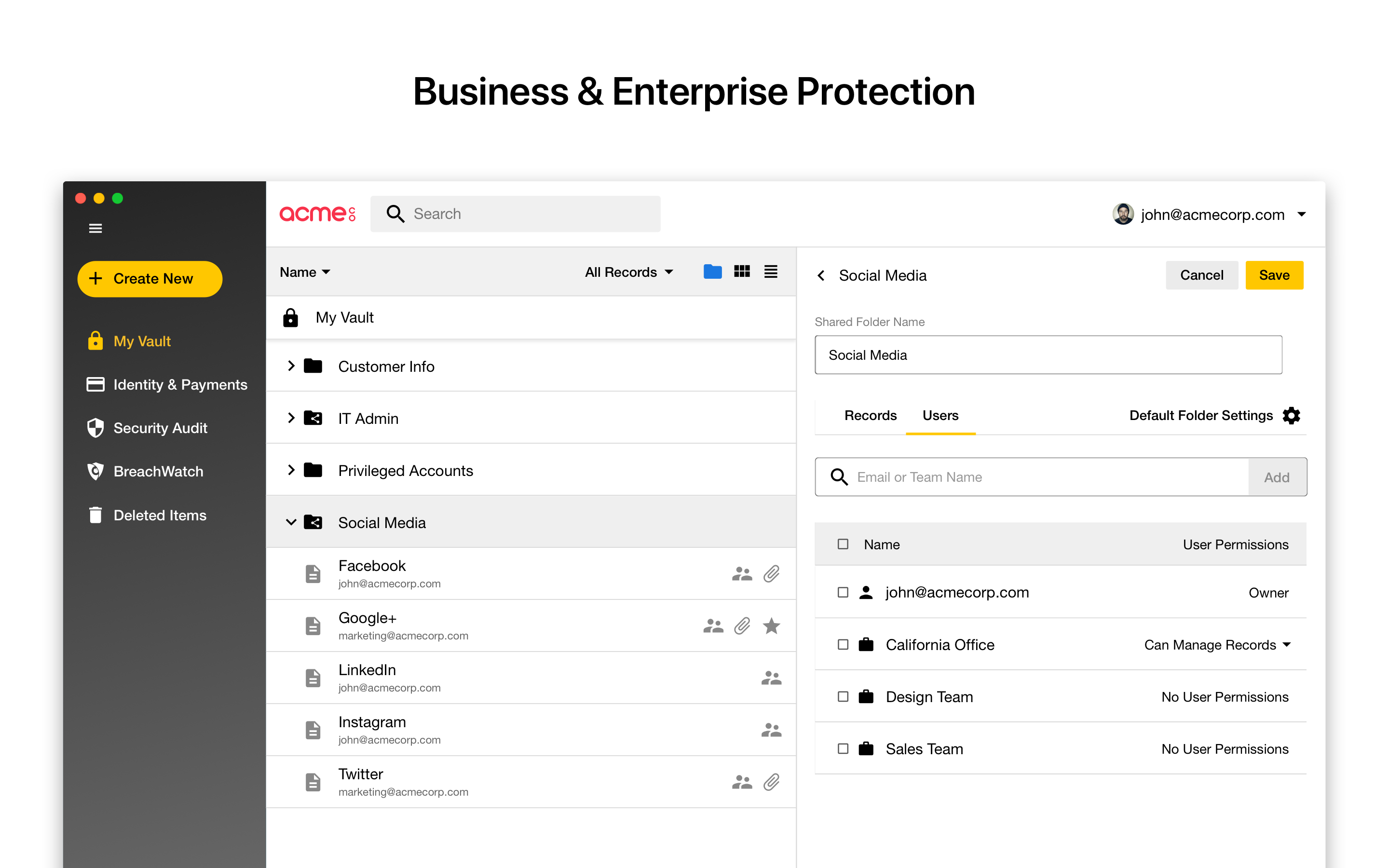  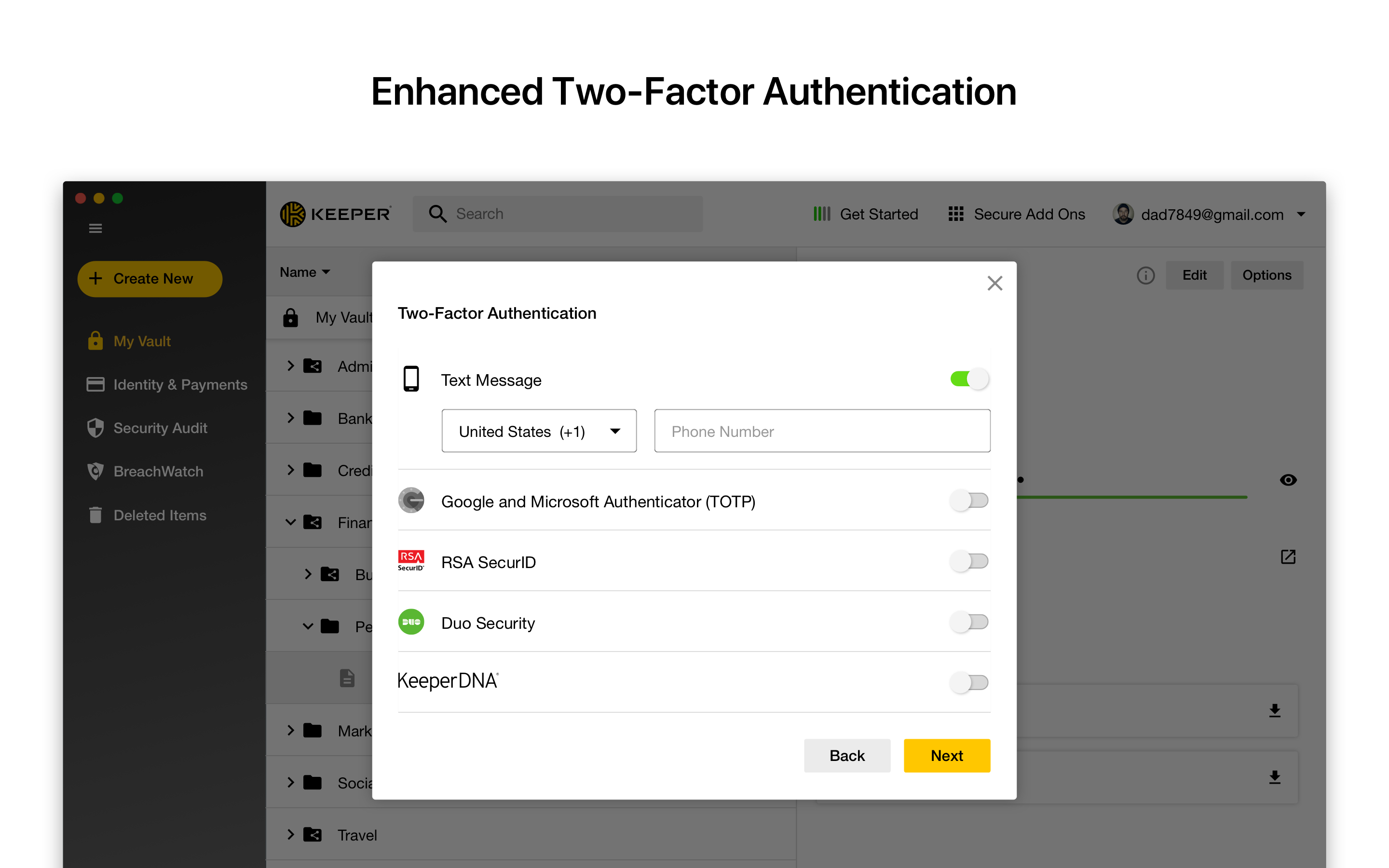 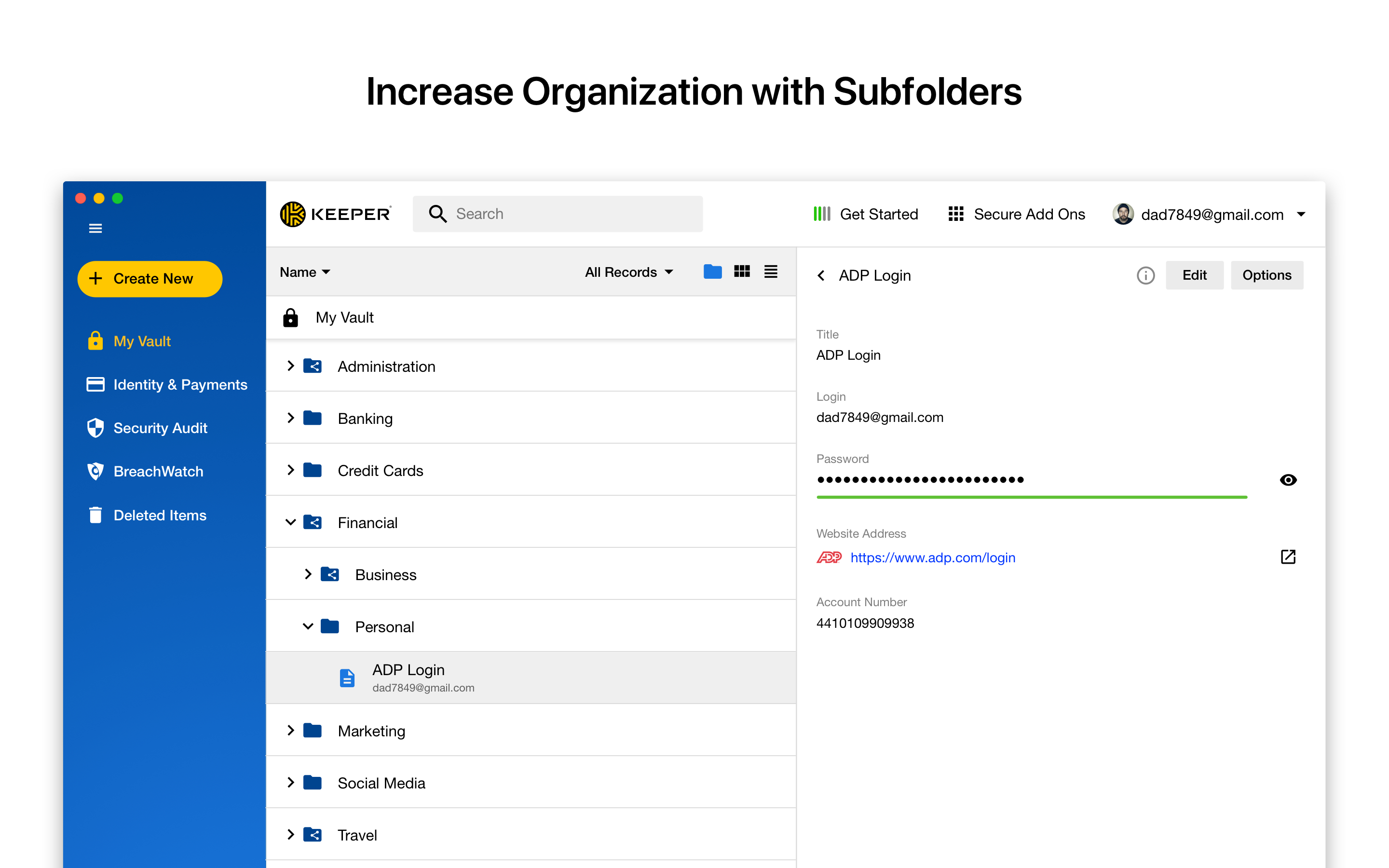  |