Chose Sage Intacct
Sage is more built for medium-sized companies, where we outgrew Maxio.

| Product | Rating | Most Used By | Product Summary | Starting Price |
|---|---|---|---|---|
 Sage Intacct | N/A | Sage Intacct is a cloud ERP system targeted at high-growth small and medium-sized businesses. Intacct includes applications for core financials and accounting, purchasing, order management, and financial reporting and business intelligence. It also integrates with 3rd party software like Salesforce. | N/A | |
 Maxio | N/A | Maxio helps B2B SaaS companies maximize their revenue operations. The financial operations platform is designed to meet the unique financial challenges of B2B SaaS, including billing, subscription management, revenue & expense recognition, and SaaS metrics & analytics. | $599 per month |
| Sage Intacct | Maxio | |||||||||||||||
|---|---|---|---|---|---|---|---|---|---|---|---|---|---|---|---|---|
| Editions & Modules | No answers on this topic |
| ||||||||||||||
| Offerings |
| |||||||||||||||
| Entry-level Setup Fee | No setup fee | No setup fee | ||||||||||||||
| Additional Details | Must contact sales team for pricing. | Build Plan - Developer-friendly sandbox where you can try out billing for free for 30 days. Grow Plan - Complete B2B subscription management platform with billing, revenue recognition, and reporting. Scale Plan - Tailored solution to support high billing volumes and advanced requirements. Talk with Sales about available volume-based discounts. | ||||||||||||||
| More Pricing Information | ||||||||||||||||
| Sage Intacct | Maxio | |
|---|---|---|
| Considered Both Products |  Sage Intacct  Amit Manget, CPA Accounting Manager Chose Sage Intacct NetSuite has better vendor trends reporting  faith kelsie Information Technology Support Specialist Chose Sage Intacct It is fast and easy to integrate with other software we use. It is also the cost-saving software we found. It has the best software to use since it has the most easy-to-use user interface. | Maxio No answer on this topic |
| Sage Intacct | Maxio | ||||||||||||||||||||||||||||||||||||||||||||||||||||||||||||
|---|---|---|---|---|---|---|---|---|---|---|---|---|---|---|---|---|---|---|---|---|---|---|---|---|---|---|---|---|---|---|---|---|---|---|---|---|---|---|---|---|---|---|---|---|---|---|---|---|---|---|---|---|---|---|---|---|---|---|---|---|---|
| Payroll Management |
| ||||||||||||||||||||||||||||||||||||||||||||||||||||||||||||
| Customization |
| ||||||||||||||||||||||||||||||||||||||||||||||||||||||||||||
| Security |
| ||||||||||||||||||||||||||||||||||||||||||||||||||||||||||||
| Reporting & Analytics |
| ||||||||||||||||||||||||||||||||||||||||||||||||||||||||||||
| General Ledger and Configurable Accounting |
| ||||||||||||||||||||||||||||||||||||||||||||||||||||||||||||
| Inventory Management |
| ||||||||||||||||||||||||||||||||||||||||||||||||||||||||||||
| Order Management |
|
| Sage Intacct | Maxio | |
|---|---|---|
| Small Businesses |  QuickBooks Self-Employed (discontinued) Score 4.5 out of 10 |  WooCommerce Subscriptions Score 8.7 out of 10 |
| Medium-sized Companies |  Intuit Enterprise Suite Score 9.1 out of 10 | Sage Intacct Score 8.6 out of 10 |
| Enterprises |  SAP Cloud ERP (SAP S/4HANA Cloud) Score 8.6 out of 10 |  Agentforce Revenue Management Score 8.6 out of 10 |
| All Alternatives | View all alternatives | View all alternatives |
| Sage Intacct | Maxio | |
|---|---|---|
| Likelihood to Recommend | 8.4 (1592 ratings) | 8.0 (25 ratings) |
| Likelihood to Renew | 5.3 (85 ratings) | 9.1 (1 ratings) |
| Usability | 4.8 (140 ratings) | 8.0 (2 ratings) |
| Availability | 9.0 (14 ratings) | - (0 ratings) |
| Performance | 10.0 (15 ratings) | - (0 ratings) |
| Support Rating | 2.5 (129 ratings) | 8.0 (2 ratings) |
| In-Person Training | 8.2 (6 ratings) | - (0 ratings) |
| Online Training | 1.0 (14 ratings) | - (0 ratings) |
| Implementation Rating | 1.0 (22 ratings) | - (0 ratings) |
| Configurability | 3.0 (13 ratings) | - (0 ratings) |
| Ease of integration | 6.4 (311 ratings) | - (0 ratings) |
| Product Scalability | 2.0 (12 ratings) | - (0 ratings) |
| Vendor post-sale | 1.0 (11 ratings) | - (0 ratings) |
| Vendor pre-sale | 1.0 (11 ratings) | - (0 ratings) |
| Sage Intacct | Maxio | |
|---|---|---|
| Likelihood to Recommend | Sage
| Maxio (previously SaaSOptics + Chargify)
|
| Pros | Sage
| Maxio (previously SaaSOptics + Chargify)
 Mindy Molisee Vice President of Accounting and Finance |
| Cons | Sage
| Maxio (previously SaaSOptics + Chargify)
|
| Likelihood to Renew | Sage
| Maxio (previously SaaSOptics + Chargify)
|
| Usability | Sage
| Maxio (previously SaaSOptics + Chargify)
 Aviva Rosman Head of Revenue |
| Reliability and Availability | Sage
| Maxio (previously SaaSOptics + Chargify) No answers on this topic |
| Performance | Sage
| Maxio (previously SaaSOptics + Chargify) No answers on this topic |
| Support Rating | Sage
| Maxio (previously SaaSOptics + Chargify)
|
| In-Person Training | Sage
 Pam Bakker Controller and Director of Human Resources | Maxio (previously SaaSOptics + Chargify) No answers on this topic |
| Online Training | Sage
 Ryan Hachenberger, CPA VP of Accounting & Finance | Maxio (previously SaaSOptics + Chargify) No answers on this topic |
| Implementation Rating | Sage
 Brian Goldrick Director Of Accounting | Maxio (previously SaaSOptics + Chargify) No answers on this topic |
| Alternatives Considered | Sage
| Maxio (previously SaaSOptics + Chargify)
|
| Scalability | Sage
Brian Goldrick Director Of Accounting | Maxio (previously SaaSOptics + Chargify) No answers on this topic |
| Return on Investment | Sage
 Ashling Heenan AR / AP Consultant | Maxio (previously SaaSOptics + Chargify)
 Nikhil George Product Manager |
| ScreenShots | Sage Intacct Screenshots 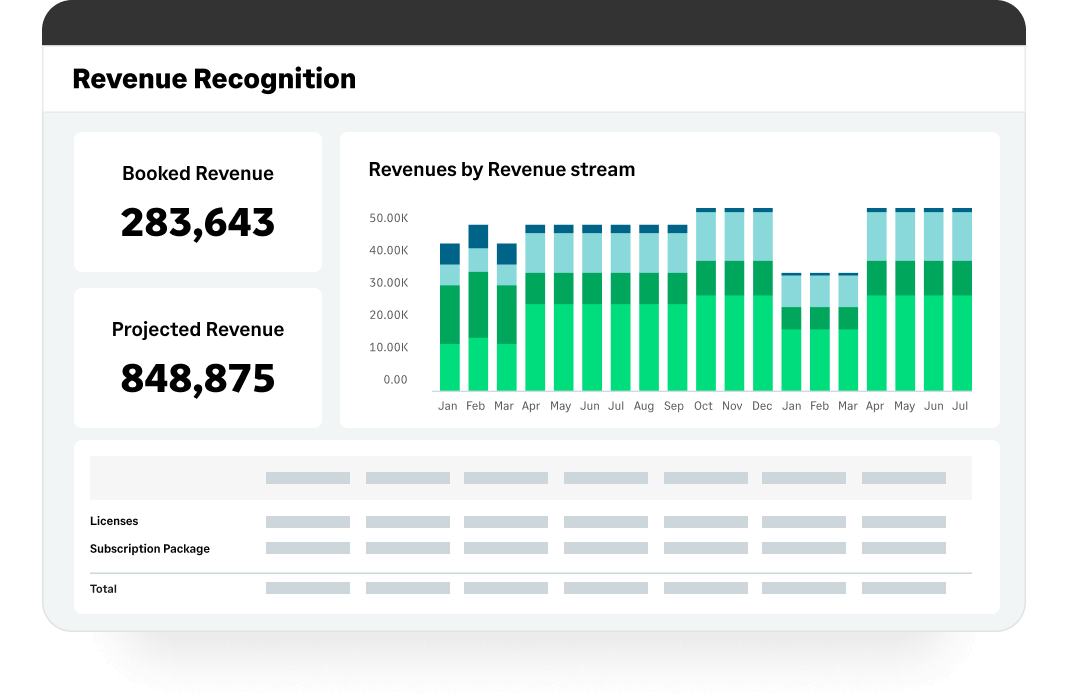     |