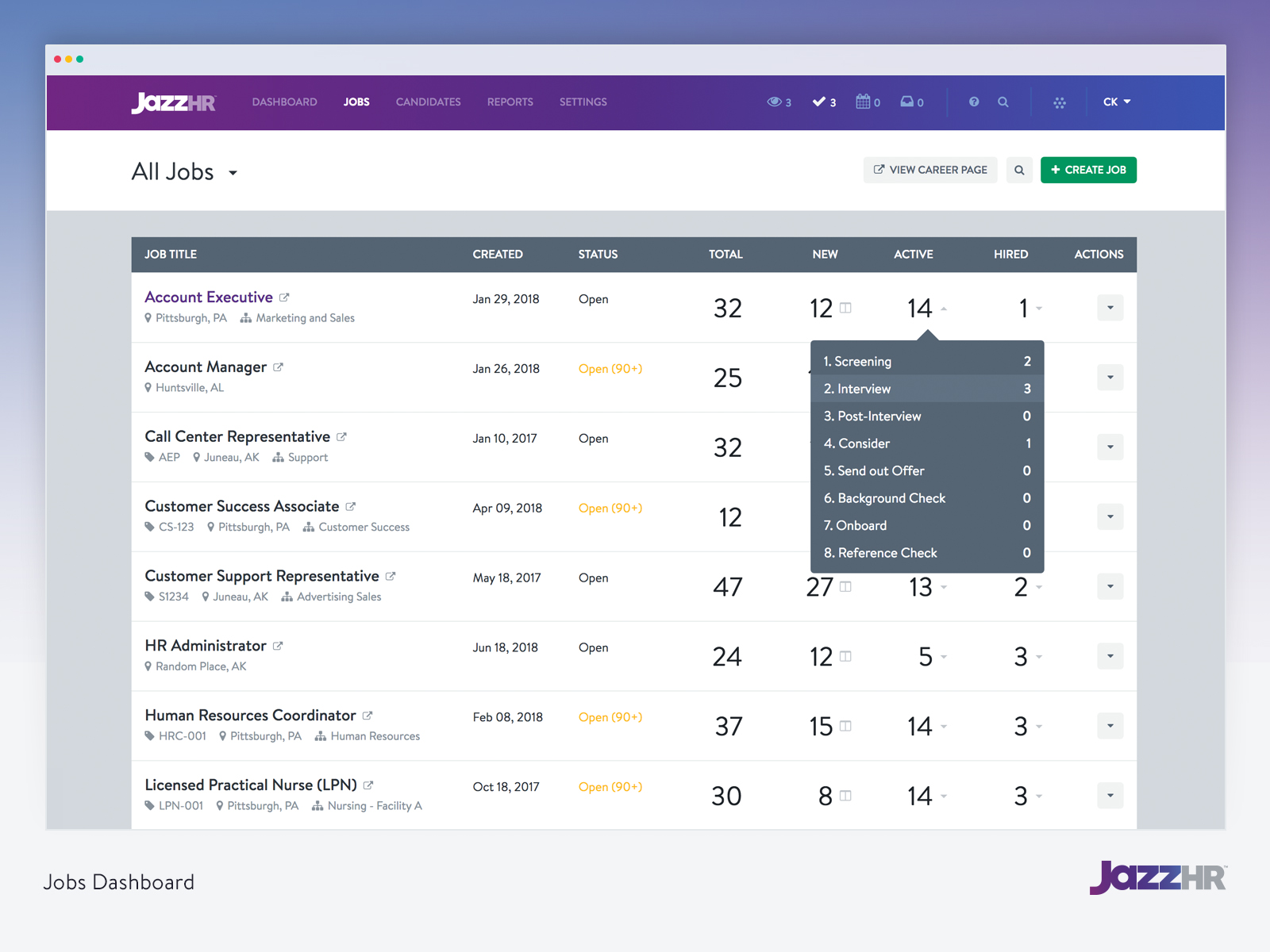
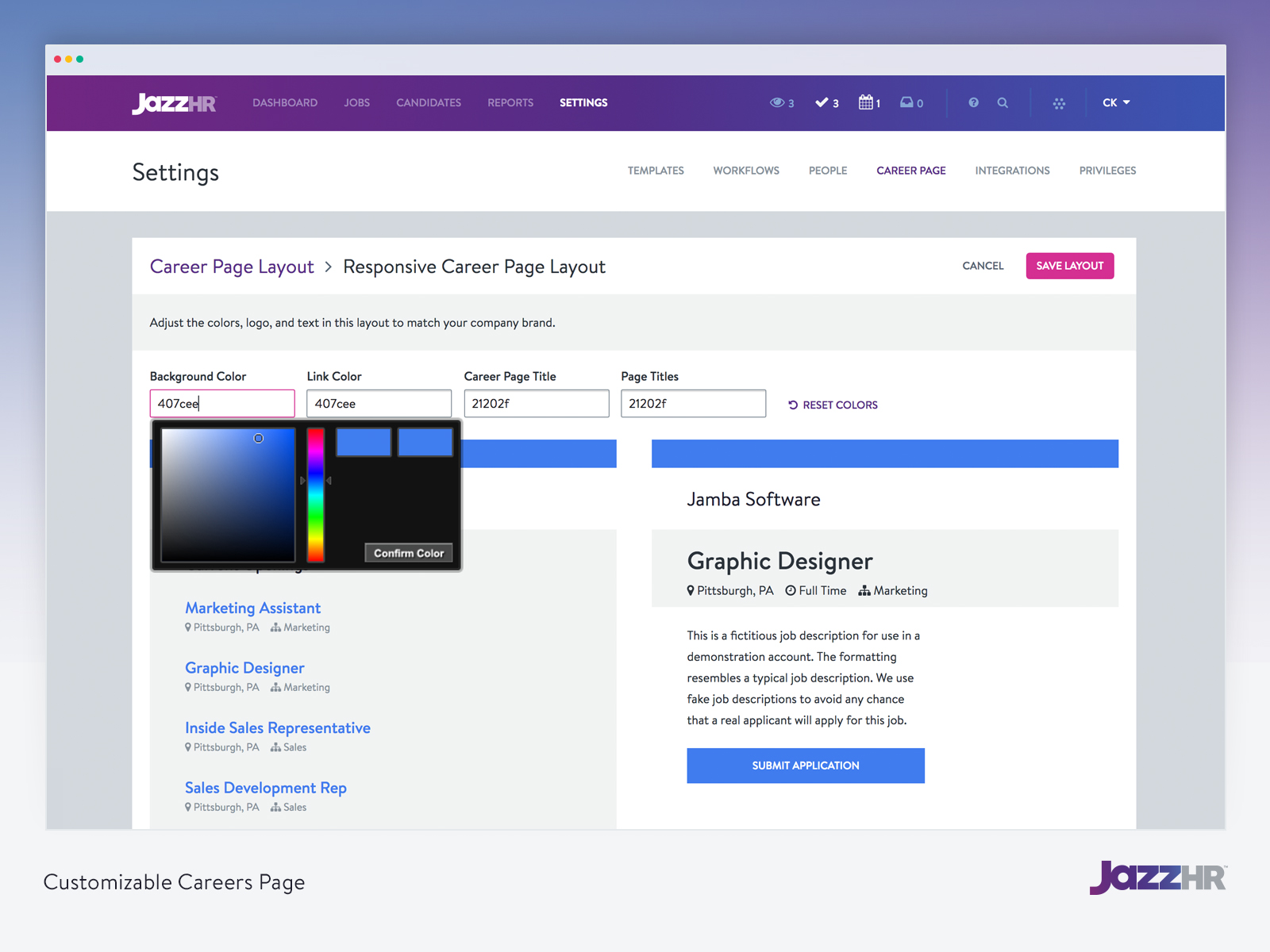
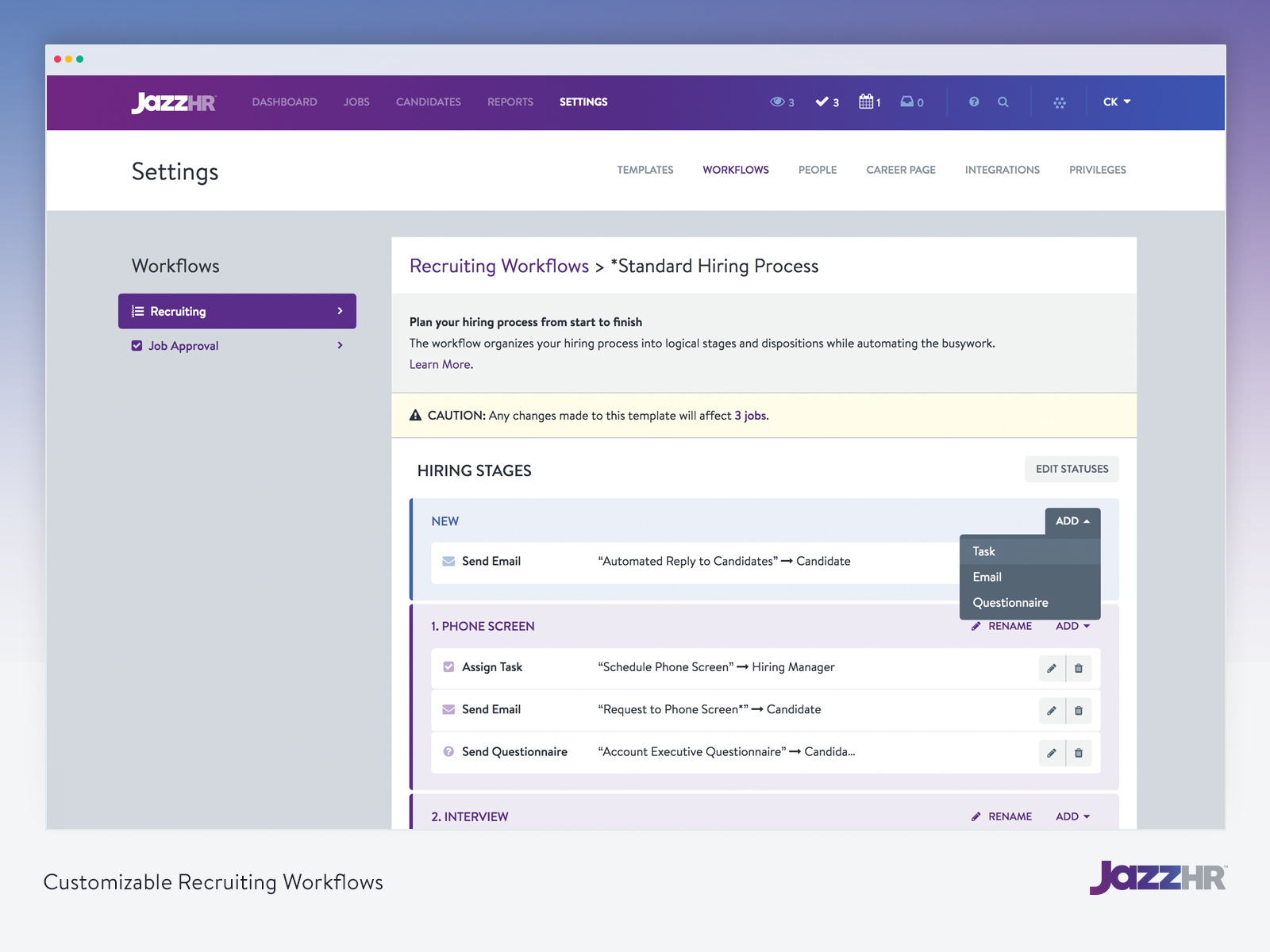
JazzHR is an ATS and recruiting software. JazzHR aims to replace antiquated hiring processes like email and spreadsheets with an intuitive applicant tracking system that helps recruiters and hiring managers build a scalable and effective recruiting process.
$99
per month
ServiceMax
Score7.9 out of 10
N/A
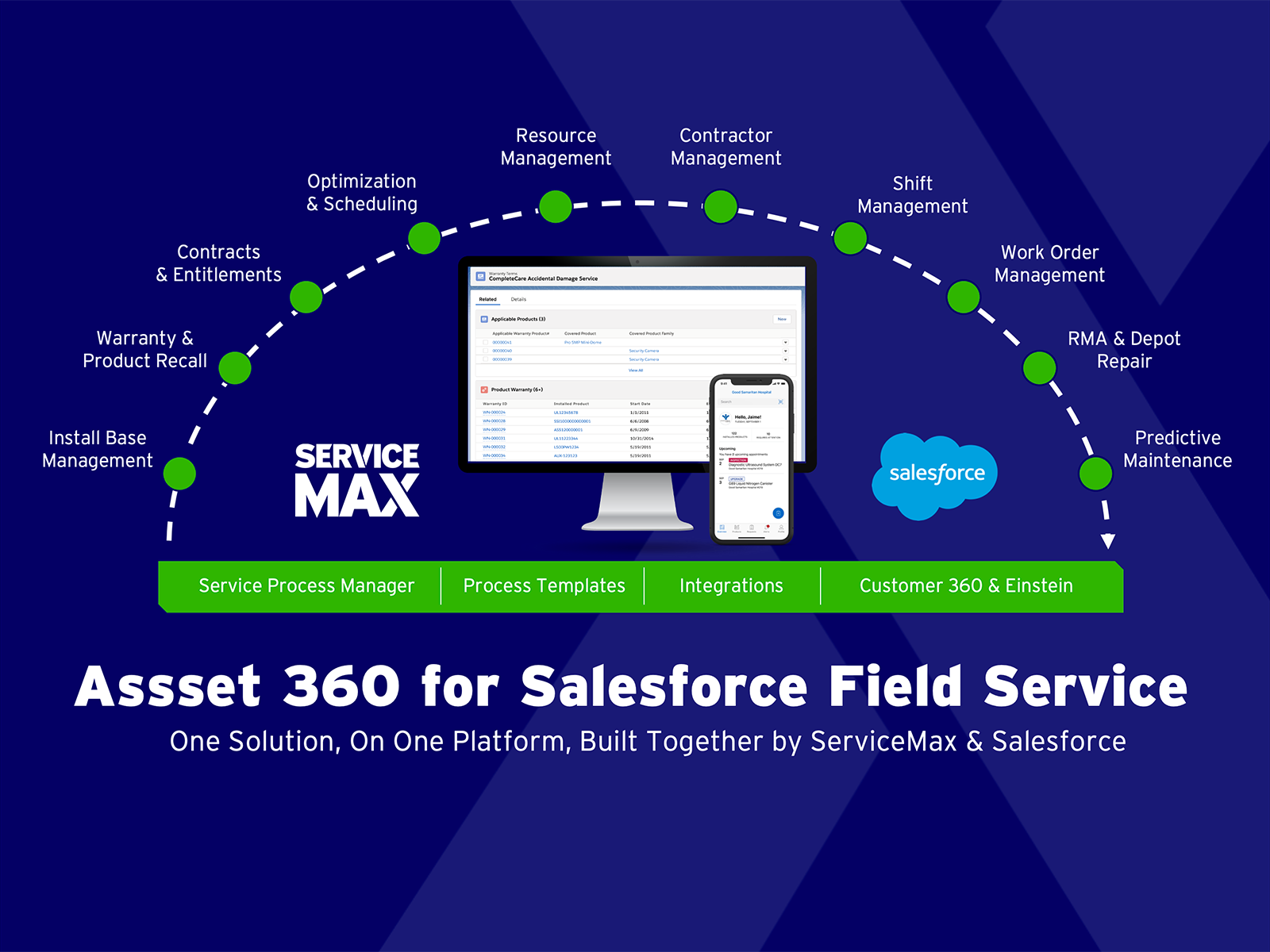
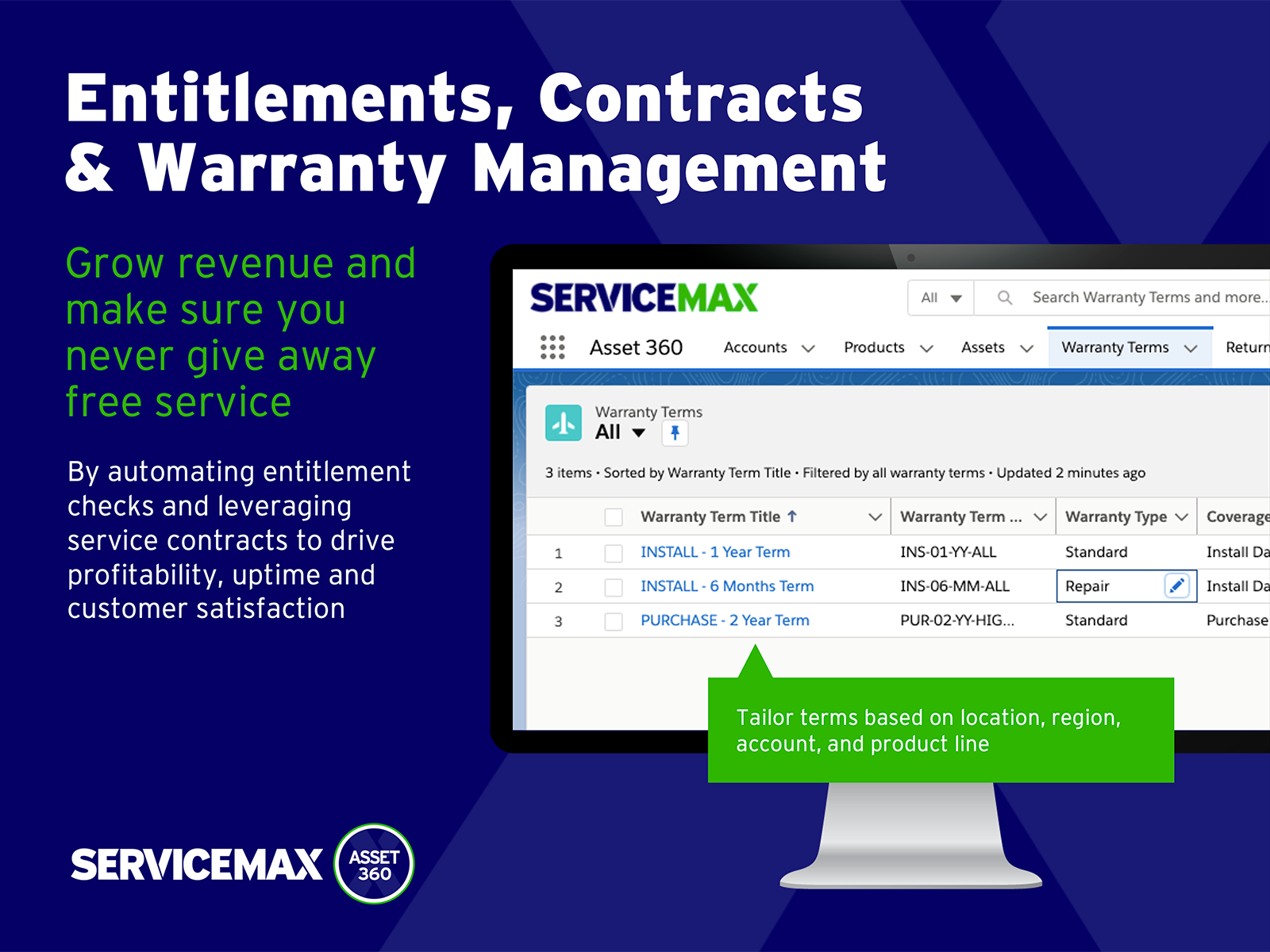
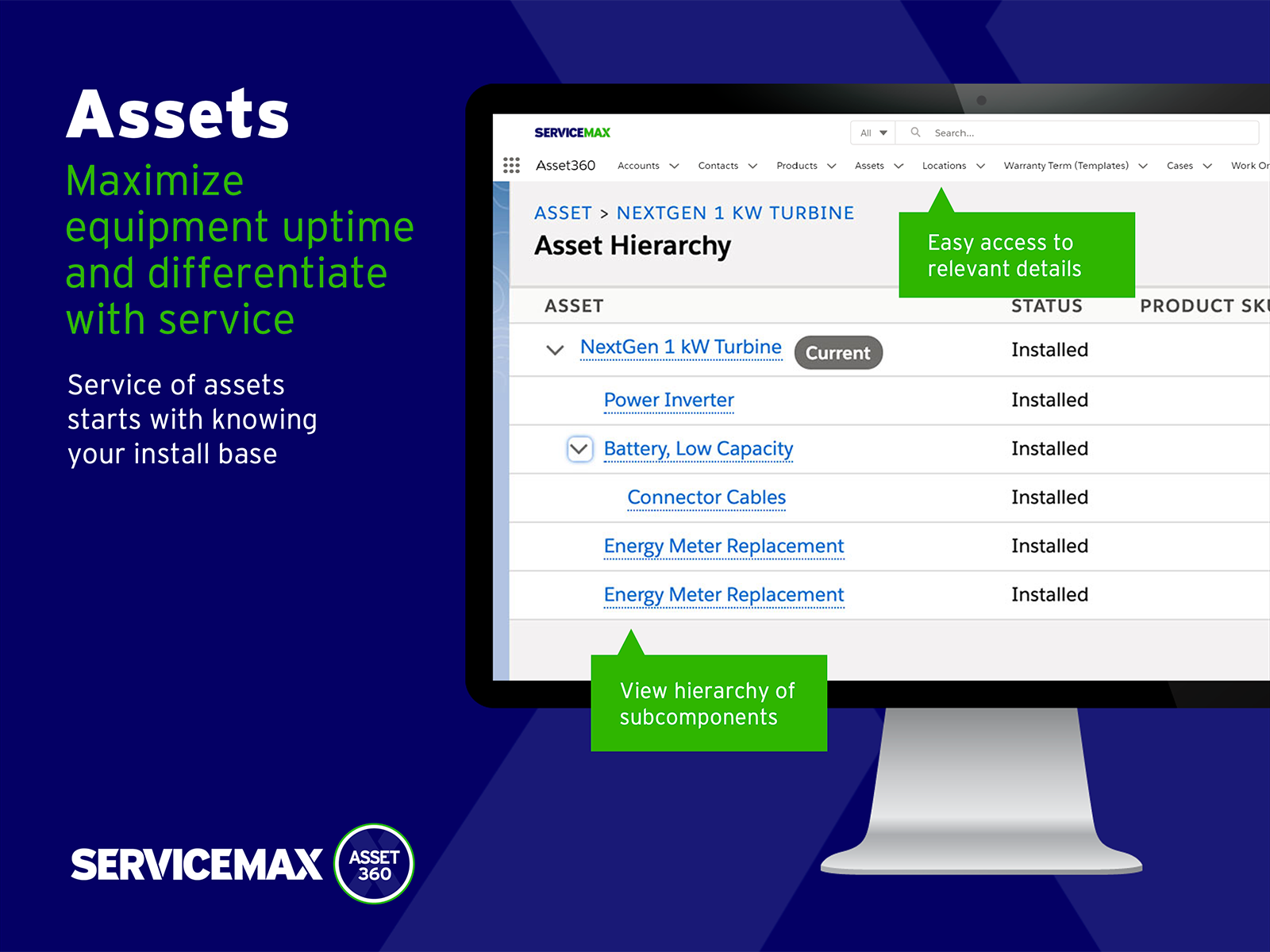
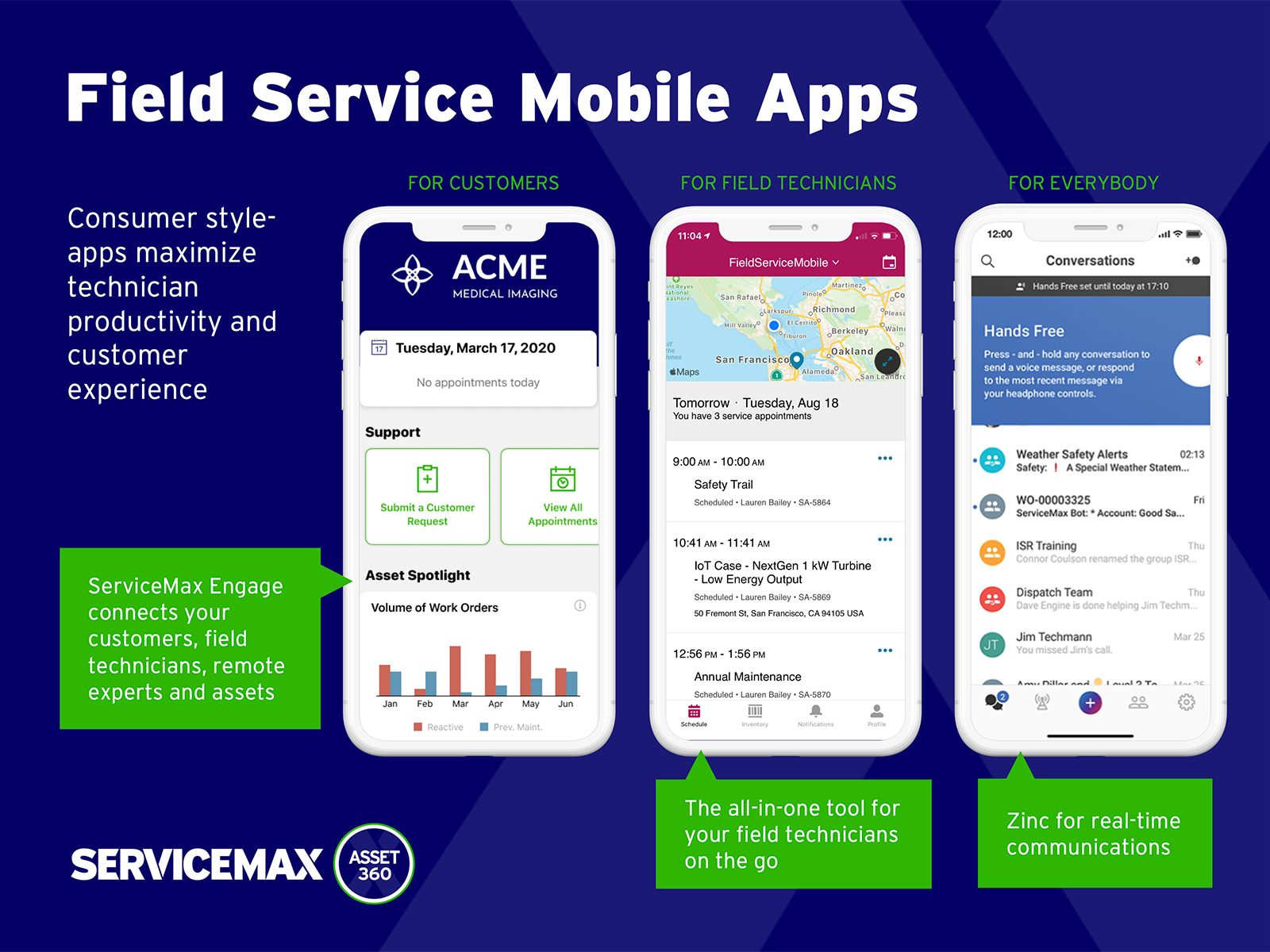
ServiceMax’s mission is to help customers with asset-centric field service management software. ServiceMax’s mobile apps and cloud-based software provide an overview of assets to field service teams. By optimizing field service operations, customers across all industries can better manage the complexities of service, support faster growth and run more profitable, outcome-centric businesses.
Since it allows you to tag candidates based on their level of talent or potential utility to the company, it is best used to identify the best prospects in large operations, such as multi-franchise oriented businesses that cover all kinds of sales. It can be used to make periodic assessments of the level of employee growth in certain departments, and based on the results let us know if certain employees would do better working in another type of area, so that the overall work operations are more uniform. JazzHR could excel in departments that use a high level of reporting, as its administrative tools provide high content reports with statistics on the performance of each employee or candidate at different levels.
A de minimis incentive was given to thank the reviewer for their time. The incentive was not used to bias or drive a particular response, nor was the incentive contingent on a positive endorsement. More Info
Small deployments, where you have some specific need for ServiceMax and absolutely need offline capabilities, and are willing to deal with the problems. Otherwise, you may be better off looking at the built-in Work Orders and field service module that Salesforce is now providing. Their app is direct competition for ServiceMax and integrates much better with cases and knowledge articles.
A de minimis incentive was given to thank the reviewer for their time. The incentive was not used to bias or drive a particular response, nor was the incentive contingent on a positive endorsement. More Info
A de minimis incentive was given to thank the reviewer for their time. The incentive was not used to bias or drive a particular response, nor was the incentive contingent on a positive endorsement. More Info
A de minimis incentive was given to thank the reviewer for their time. The incentive was not used to bias or drive a particular response, nor was the incentive contingent on a positive endorsement. More Info
A de minimis incentive was given to thank the reviewer for their time. The incentive was not used to bias or drive a particular response, nor was the incentive contingent on a positive endorsement. More Info
A de minimis incentive was given to thank the reviewer for their time. The incentive was not used to bias or drive a particular response, nor was the incentive contingent on a positive endorsement. More Info
It worked well for the majority of our needs and is still in use even though I've left the company. The Resumator was an interim solution until we found a system that integrated with all our other internal systems. However, we ended up staying with it because of ease of use
It's not a 10 due to the eTemplates. If those were less time-consuming to set up and if some common forms were available to select from already set up, then I would give it a 10.
A de minimis incentive was given to thank the reviewer for their time. The incentive was not used to bias or drive a particular response, nor was the incentive contingent on a positive endorsement. More Info
Each person I've spoken to have been helpful, positive and encouraging. Once you begin using JazzHR, they have intervals in which they reach out to you to see how you're doing or if you have any questions. When you're setting up, they review what you've done and offer praise as well as suggestions on how to make it work better for you. They offer webinars and online training videos to walk you through every process.
A de minimis incentive was given to thank the reviewer for their time. The incentive was not used to bias or drive a particular response, nor was the incentive contingent on a positive endorsement. More Info
A de minimis incentive was given to thank the reviewer for their time. The incentive was not used to bias or drive a particular response, nor was the incentive contingent on a positive endorsement. More Info
A solutions consultant walked me through each step. It was easy. As I progressed in setting things up, their support contacted me to set a time to walk through any possible issues and make suggestions on a better way to set it up. At any time, if I had a question, they were available and there are also training documents and videos available.
A de minimis incentive was given to thank the reviewer for their time. The incentive was not used to bias or drive a particular response, nor was the incentive contingent on a positive endorsement. More Info
Both Greenhouse and Lever at least seemed to have great products and great teams; they simply weren't worth 2-5X the cost for us. Now, let's be clear - a platform that helps you hire the best people is a certainly worth 2-5X (or perhaps 10X) the cost. However, for most small and medium businesses, the three platforms are very similar. Once you have ~100s of different positions or ~100,000 applicants, then a more advanced ATS could be worth the cost. For us, Jazz is excellent. We have about 8 types of roles and 250 employees, and we see the Jazz system working very well for us even as we grow to 1,000+ employees.
ServiceMax has an offline capability, and also integrates with our Salesforce side of business. At the time, Salesforce did not have a field service application so we could not consider it, but if we could now, we would probably go with that instead. ServiceMax is also expensive. But at the time, ServiceMax was the only offering out there that integrated with Salesforce, had mobile offline capability, and could operate at the scale we needed.
A de minimis incentive was given to thank the reviewer for their time. The incentive was not used to bias or drive a particular response, nor was the incentive contingent on a positive endorsement. More Info
A de minimis incentive was given to thank the reviewer for their time. The incentive was not used to bias or drive a particular response, nor was the incentive contingent on a positive endorsement. More Info
ROI for ServiceMax is mostly dependent on how in depth the organization wants the software. Our ROI is expected within the second year of operation due to the complexity of integration and the initial training requirements for in-house programmers.
Inventory control ROI is expected within year three or four due to the number of technicians and creating the foundation of information to import into ServiceMax. Expectations are the front end programming will be complete and our programmers will be better acquainted with the modules and architecture to make the inventory integration smoother than the initial integration.
Our organization has been working with ServiceMax for ten months and beginning to incorporate the financials to the work orders. This process has not been as seamless as once projected and the root causes are under investigation. It appears the original fields available to track time between employees were not in depth nor segregated sufficiently for granularity.
A de minimis incentive was given to thank the reviewer for their time. The incentive was not used to bias or drive a particular response, nor was the incentive contingent on a positive endorsement. More Info