Chose Microsoft Defender for Endpoint
Not a fair comparison as, I believe, Webroot has severely declined over the past few years while Microsoft Defender for Endpoint has risen from the bottom

| Product | Rating | Most Used By | Product Summary | Starting Price |
|---|---|---|---|---|
 Microsoft Defender for Endpoint | N/A | Microsoft Defender for Endpoint (formerly Microsoft Defender ATP) is a holistic, cloud delivered endpoint security solution that includes risk-based vulnerability management and assessment, attack surface reduction, behavioral based and cloud-powered next generation protection, endpoint detection and response (EDR), automatic investigation and remediation, managed hunting services, rich APIs, and unified security management. | $2.50 per user/per month | |
 Webroot Endpoint Protection | N/A | Webroot Endpoint Protection is the OpenText company's business class multi-vector endpoint protection application, providing centralized endpoint management, deep learning intelligence, and advanced behavioral analytics. | $150 per year per 5 seats |
| Microsoft Defender for Endpoint | Webroot Endpoint Protection | |||||||||||||||
|---|---|---|---|---|---|---|---|---|---|---|---|---|---|---|---|---|
| Editions & Modules |
|
| ||||||||||||||
| Offerings |
| |||||||||||||||
| Entry-level Setup Fee | No setup fee | No setup fee | ||||||||||||||
| Additional Details | — | — | ||||||||||||||
| More Pricing Information | ||||||||||||||||
| Microsoft Defender for Endpoint | Webroot Endpoint Protection | |
|---|---|---|
| Considered Both Products | Microsoft Defender for Endpoint |  Webroot Endpoint Protection  Patrick Doutre Director of Information Technology Chose Webroot Endpoint Protection Less system intensive than Symantec, with a much better management setup on the backend. More robust than Microsoft Defender, though a little heavier on the resources required, but the feature comparison is night and day between the two. Defender does nicely integrate with the … |
| Microsoft Defender for Endpoint | Webroot Endpoint Protection | ||||||||||||||||||||||||
|---|---|---|---|---|---|---|---|---|---|---|---|---|---|---|---|---|---|---|---|---|---|---|---|---|---|
| Endpoint Security |
|
| Microsoft Defender for Endpoint | Webroot Endpoint Protection | |
|---|---|---|
| Small Businesses |  ThreatLocker Score 9.4 out of 10 | ThreatLocker Score 9.4 out of 10 |
| Medium-sized Companies |  BlackBerry Protect (CylancePROTECT) Score 9.1 out of 10 | BlackBerry Protect (CylancePROTECT) Score 9.1 out of 10 |
| Enterprises |  BeyondTrust Endpoint Privilege Management Score 10.0 out of 10 | BeyondTrust Endpoint Privilege Management Score 10.0 out of 10 |
| All Alternatives | View all alternatives | View all alternatives |
| Microsoft Defender for Endpoint | Webroot Endpoint Protection | |
|---|---|---|
| Likelihood to Recommend | 8.9 (135 ratings) | 7.8 (29 ratings) |
| Likelihood to Renew | 8.4 (10 ratings) | 10.0 (1 ratings) |
| Usability | 8.7 (11 ratings) | 8.2 (8 ratings) |
| Availability | 9.1 (1 ratings) | - (0 ratings) |
| Performance | 9.1 (1 ratings) | - (0 ratings) |
| Support Rating | 9.0 (7 ratings) | 9.5 (8 ratings) |
| Implementation Rating | 7.3 (1 ratings) | 7.8 (7 ratings) |
| Configurability | 8.2 (1 ratings) | - (0 ratings) |
| Product Scalability | 9.1 (1 ratings) | - (0 ratings) |
| Microsoft Defender for Endpoint | Webroot Endpoint Protection | |
|---|---|---|
| Likelihood to Recommend | Microsoft
| Webroot, an OpenText company
|
| Pros | Microsoft
| Webroot, an OpenText company
|
| Cons | Microsoft
| Webroot, an OpenText company
|
| Likelihood to Renew | Microsoft
| Webroot, an OpenText company
 Ron Fenili Systems Administrator II |
| Usability | Microsoft
| Webroot, an OpenText company
|
| Reliability and Availability | Microsoft
| Webroot, an OpenText company No answers on this topic |
| Performance | Microsoft
| Webroot, an OpenText company No answers on this topic |
| Support Rating | Microsoft
 Joe Aldeguer IT Director | Webroot, an OpenText company
|
| Implementation Rating | Microsoft
| Webroot, an OpenText company
|
| Alternatives Considered | Microsoft
| Webroot, an OpenText company
|
| Scalability | Microsoft
| Webroot, an OpenText company No answers on this topic |
| Return on Investment | Microsoft
| Webroot, an OpenText company
 Jim Bolinski President |
| ScreenShots | Microsoft Defender for Endpoint Screenshots 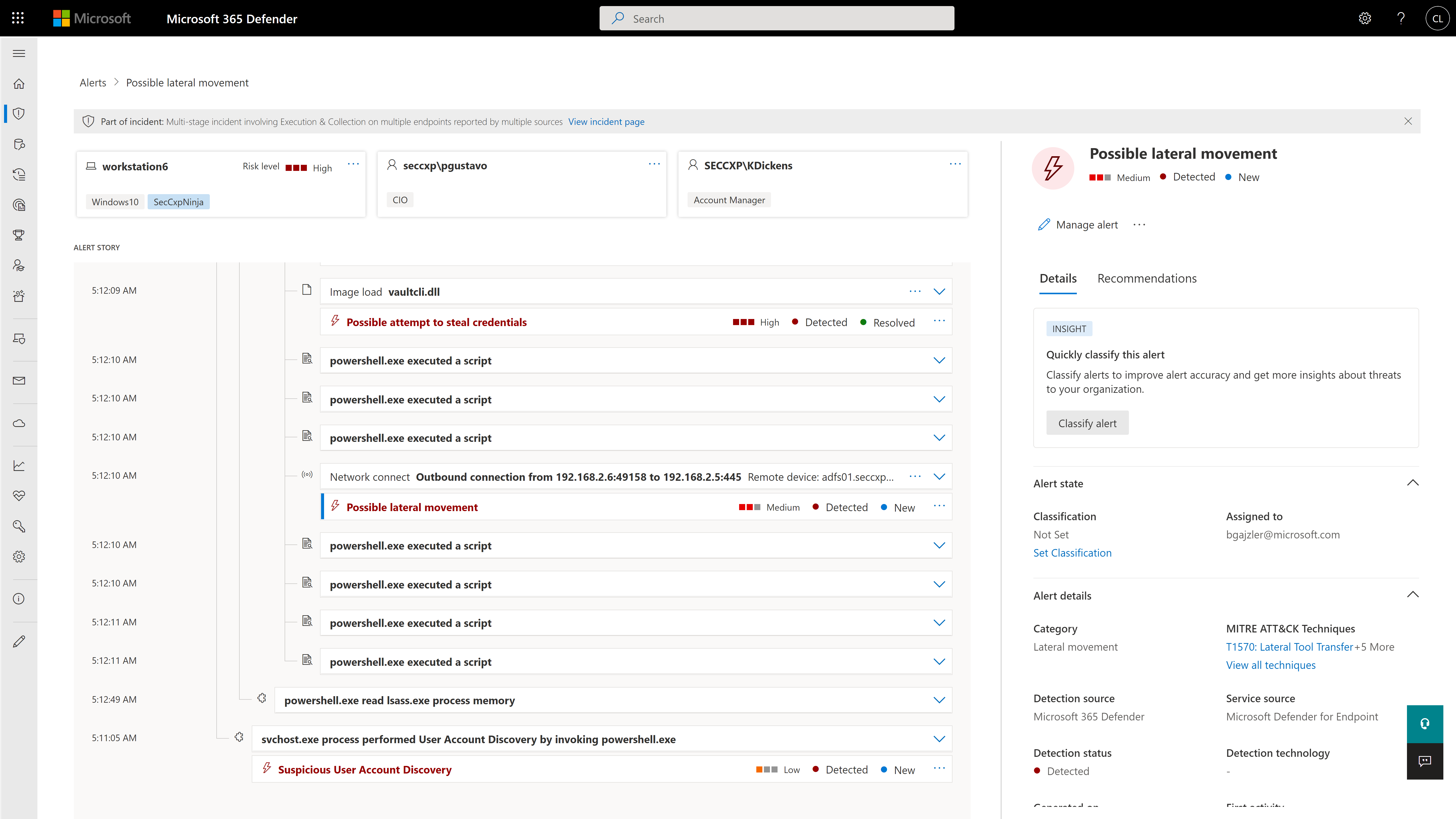  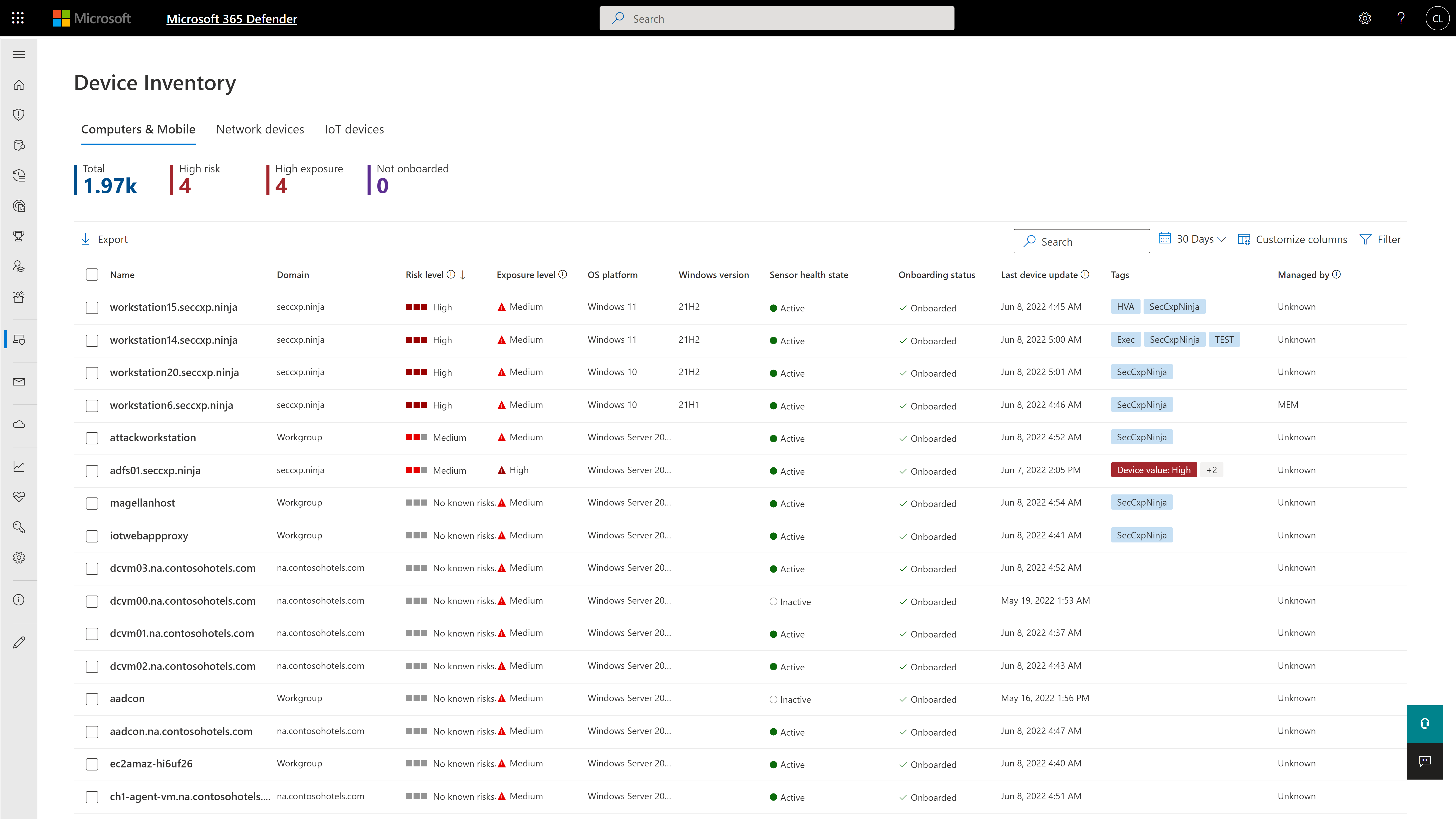  |