
Parse.ly vs. ReportGarden
Parse.ly vs. ReportGarden
| Product | Rating | Most Used By | Product Summary | Starting Price |
|---|---|---|---|---|
 Parse.ly | N/A | Parse.ly is a content optimization platform for online publishers. It provides in-depth analytics and helps maximize the performance of the digital content. It features a dashboard geared for editorial and business staff and an API that can be used by a product team to create personalized or contextual experiences on a website. | $499 per month | |
 ReportGarden | Mid-Size Companies (51-1,000 employees) | ReportGarden is a reporting and dashboarding product for enterprise ad agencies. According to the vendor, Reportgarden provides a full spectrum of marketing tools that seamlessly integrate with the workflow of an agency. 1000+ agencies use ReportGarden to automate the most time consuming tasks like Client Reporting, Data Dashboards, SEO Keyword tracking, PPC Account Health Monitoring etc. ReportGarden offers Dashboards, CRM, Project Management Tools, Analytics, SEO, Budget Tracking and… | $49 per month |
| Parse.ly | ReportGarden | |||||||||||||||
|---|---|---|---|---|---|---|---|---|---|---|---|---|---|---|---|---|
| Editions & Modules | No answers on this topic |
| ||||||||||||||
| Offerings |
| |||||||||||||||
| Entry-level Setup Fee | Required | Optional | ||||||||||||||
| Additional Details | — | — | ||||||||||||||
| More Pricing Information | ||||||||||||||||
| Parse.ly | ReportGarden |
|---|
| Parse.ly | ReportGarden | |||||||||||||||||||||||||||
|---|---|---|---|---|---|---|---|---|---|---|---|---|---|---|---|---|---|---|---|---|---|---|---|---|---|---|---|---|
| Web Analytics |
|
| Parse.ly | ReportGarden | |
|---|---|---|
| Small Businesses |  StatCounter Score 9.0 out of 10 |  Serpstat Score 9.9 out of 10 |
| Medium-sized Companies |  Siteimprove Score 9.1 out of 10 |  Supermetrics Score 9.7 out of 10 |
| Enterprises |  Chartbeat Score 9.2 out of 10 | Chartbeat Score 9.2 out of 10 |
| All Alternatives | View all alternatives | View all alternatives |
| Parse.ly | ReportGarden | |
|---|---|---|
| Likelihood to Recommend | 7.8 (82 ratings) | 8.0 (3 ratings) |
| Likelihood to Renew | 8.7 (32 ratings) | - (0 ratings) |
| Usability | 7.7 (35 ratings) | - (0 ratings) |
| Support Rating | 7.8 (35 ratings) | - (0 ratings) |
| Parse.ly | ReportGarden | |
|---|---|---|
| Likelihood to Recommend |  Parse.ly
| ReportGarden, Inc
 Nicholas De Salvo Founder, Creative Director |
| Pros | Parse.ly
| ReportGarden, Inc
 Austin Voigt Senior Analyst - Paid Media |
| Cons | Parse.ly
| ReportGarden, Inc
|
| Likelihood to Renew | Parse.ly
 Alice Marshall eCommerce Staff Writer | ReportGarden, Inc No answers on this topic |
| Usability | Parse.ly
 Mark Chiles Senior Vice President, Digital & Chief Digital Officer | ReportGarden, Inc No answers on this topic |
| Support Rating | Parse.ly
| ReportGarden, Inc No answers on this topic |
| Alternatives Considered | Parse.ly
| ReportGarden, Inc
Nicholas De Salvo Founder, Creative Director |
| Return on Investment | Parse.ly
| ReportGarden, Inc
Austin Voigt Senior Analyst - Paid Media |
| ScreenShots | Parse.ly Screenshots      | ReportGarden Screenshots     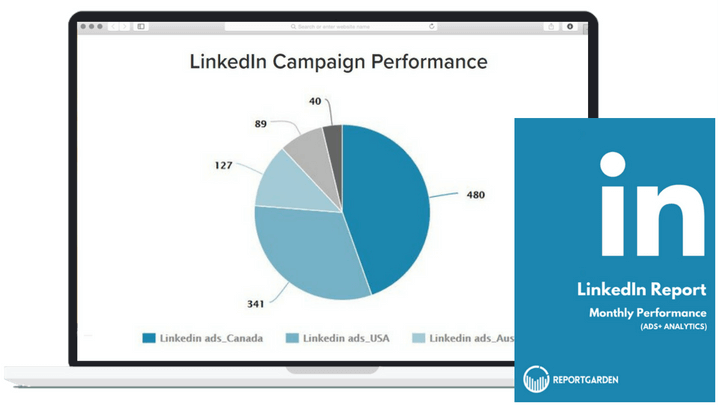 |