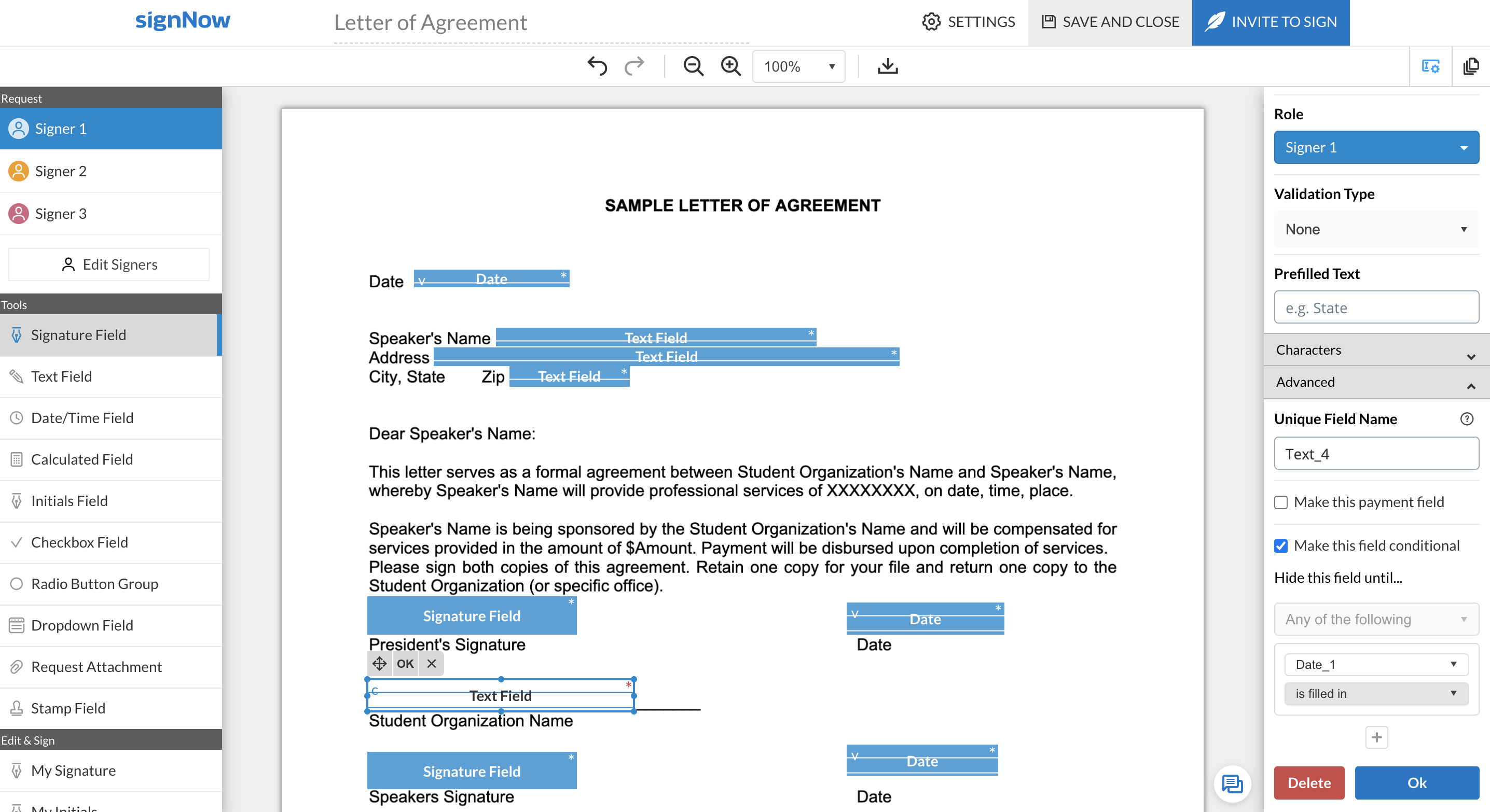
signNow is an eSignature solution with mobile apps for iOS and Android. signNow can be integrated into popular platforms and offers SaaS, public cloud, and private cloud deployment options with the same underlying API. This enables customers to leverage the power and usability of the signNow eSignature platform, while meeting their particular security and compliance requirements.
$1.50
one-time fee per signature invite
Pricing
Qvidian RFP & Proposal Automation
airSlate SignNow
Editions & Modules
No answers on this topic
Site License
$1.50
one-time fee per signature invite
Business
$20
per month
Business Premium
$30
per month
Enterprise
$50
per month
Offerings
Pricing Offerings
Qvidian RFP & Proposal Automation
airSlate SignNow
Free Trial
No
Yes
Free/Freemium Version
No
No
Premium Consulting/Integration Services
Yes
Yes
Entry-level Setup Fee
Optional
-$8 per user/month
Additional Details
—
All subscriptions include unlimited number of users. Up to a 60% discount available for annual pricing.
This software is very well-suited to companies who find themselves expanding their footprint, the number of their Sales representatives, their territories, and/or their products and services and need to maximize their ability to both keep up with those demands whilst streamlining their proposal resources. Further, this is a very powerful tool with a lot of features and functionality including CRM plug-in and reporting. Thus, it may be less appropriate for a very small organization with only one product and that is also blessed with lengthy cradle-to-grave turnaround windows. In addition, to better the odds for success an investment in upfront personnel training and either a dedicated periodic window of time and/or dedicated person(s) for content upkeep are prudent. Finally, working with the vendor is a delight as they make every effort to maintain and deliver a product that both meets your needs and on which you can rely.
SignNow is particularly useful for simple documents, forms and contracts where there the fields are pretty standards- names, signature block, title. It would be helpful to have features that allow substitution of certain fill in the blanks such that allow you to use the same template but first have a dialog to integrate language for a person, corporation, partnership or LLP. I'm a lawyer and having the ability to assemble variation of this nature into one template would be helpful. Also (and it may do this) the ability to change the actual form/document within the a template would be useful.
A de minimis incentive was given to thank the reviewer for their time. The incentive was not used to bias or drive a particular response, nor was the incentive contingent on a positive endorsement. More Info
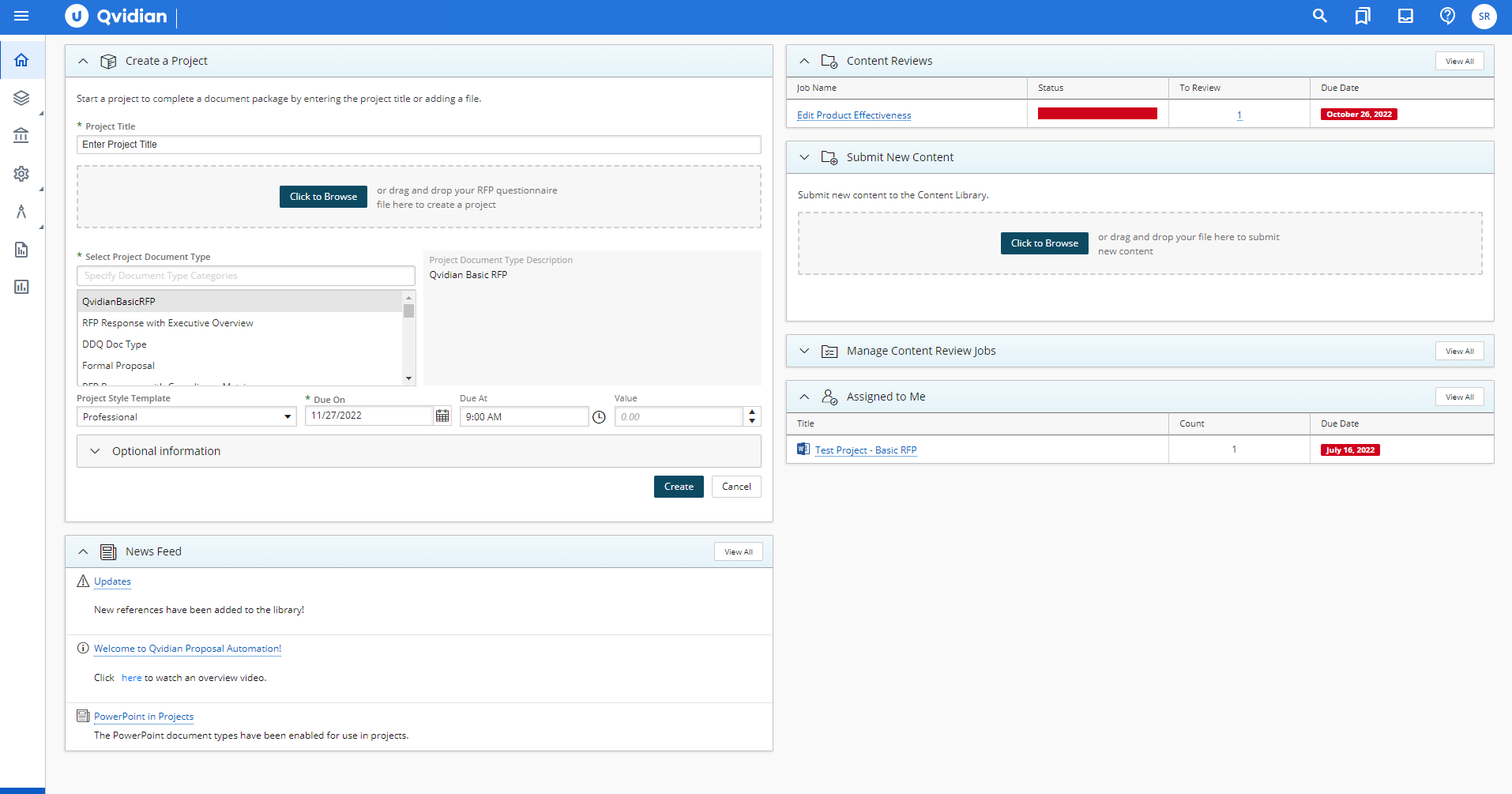
Using Qvidian as an RFP tool has made a difference in our RFP process, turn-around time, and content development. It's helped us streamline our RFP process so that we are able to produce the majority of the document before the kick-off meeting, which means we have more time to customize and refine the document before it goes to print.
Additionally, it took several hours before to gather all of the basic data we needed for an RFP, but now we can have the majority of the response ready in under 15 minutes in most cases. We are also able to start projects from our phones (iPhone thru Safari) or on an iPad. This has been extremely helpful while traveling.
Finally, our content is centrally located on a searchable database. Previously we had used several free tools to aid in content storage that would allow us access easily via search. It never seemed to do what we wanted, and when we did find something, we weren't sure if it was the most current or usable. The library functions in Qvidian have been a huge help, and has changes the way we collect data, and retrieve it.
A de minimis incentive was given to thank the reviewer for their time. The incentive was not used to bias or drive a particular response, nor was the incentive contingent on a positive endorsement. More Info
One area where Qvidian occasionally struggles is feature regression. For instance, the editing option that puts multiple records into one document had always been present in Qvidian; however, when the multi-edit feature that only allows editing one record at a time was released in version 9.1, the original editing functionality was removed. This caused me a lot of frustration, as it severely slowed down my work flow since I could now only see and edit one record at a time. It wasn't until a year later when version 10 was released that the old editing functionality was added back. However, one bright spot of version 9.1 was an added feature that allowed organizing records by simply dragging and dropping them into different categories. This was much easier than having to right click on a record, select Move, then right click on a folder and select paste. However, with version 10, this feature was removed and I'm now back to having to right click on records instead of dragging and dropping. It seems that with each release, I never know if something I like will be taken away or if something I don't like will be added -- sometimes it's both.
A recent change that was added in version 10.1 that I personally view as a negative is that Qvidian now handles all requests server side instead of on the user's computer. This means that if a user wants to export or edit a large number of records, they have to wait for Qvidian's server to generate a report of those records. Depending on the number of records, this can be very quick (a few seconds) or very long (I've waited up to 20 minutes before) depending on how taxed Qvidian's servers currently are. I understand the reasoning behind the move, in that it takes the load off of a user's computer so that other applications they currently have open aren't affected by added memory usage, but in practice I find that it only slows down my workflow. Any somewhat modern PC shouldn't have any trouble handling a large report request from Qvidian.
Although Qvidian is certified for use in several different browsers (Internet Explorer, Firefox, and Chrome for Windows), it doesn't offer the same functionality in each one. For instance, in Explorer, when a record is selected for editing or export, it will automatically open in Word. In Firefox, a pop-up dialog appears and a user has to click Open in order for the record to appear in Word. And in Chrome, the file is added to the download bar and a user must click on the file there for it to open, unless they add an exception to .docx file types to automatically open in Word (which I had to do, since I prefer using Chrome). Other simple features such as right clicking on a folder or record to bring up Qvidian's context menu are hit or miss depending on the browser. In Explorer, everything is generally smooth, though the browser itself is slower than the other choice. In Firefox, right clicking generally works but sometimes has some hiccups, and in Chrome, more often than not right clicking brings up Chrome's context menu instead of Qvidian's, which often leads to having to first select a folder and then click the dedicated Actions button in Qvidian to perform the desired action. No matter which browser you use, there will be some sort of functionality that doesn't quite work as expected.
When using shared templates, the option to rename the document is at the bottom of the signatures page. I would like that to be visible sooner as some of my team misses it and sends documents to clients with the templated name instead of the correct name because they forgot to scroll down far enough to see it.
CC'ed contacts used to show suggestions as you typed the email if you've sent that person a document before, but that functionality no longer shows on our account. I'd like to see that brought back.
It would be nice if we could add folders to our documents page so that we could sort sent and signed documents into individual client folders. The search feature works fine, but folders would help clean up the view for my team.
A de minimis incentive was given to thank the reviewer for their time. The incentive was not used to bias or drive a particular response, nor was the incentive contingent on a positive endorsement. More Info
The tool provides us with the functionality we need to perform more efficiently and we have not identified another product that offers enough "nice to haves" in addition to the "must haves" to warrant a compelling reason for changing tools.
The features are too limited. The biggest issue though is the flexibility for editing existing forms without having to create a whole new form. The other issues are its payment partner options, lack of automation, and logic flow. We plan to quit this software and use other software in its place.
A de minimis incentive was given to thank the reviewer for their time. The incentive was not used to bias or drive a particular response, nor was the incentive contingent on a positive endorsement. TR verified that a representative sample of customers was invited. More Info
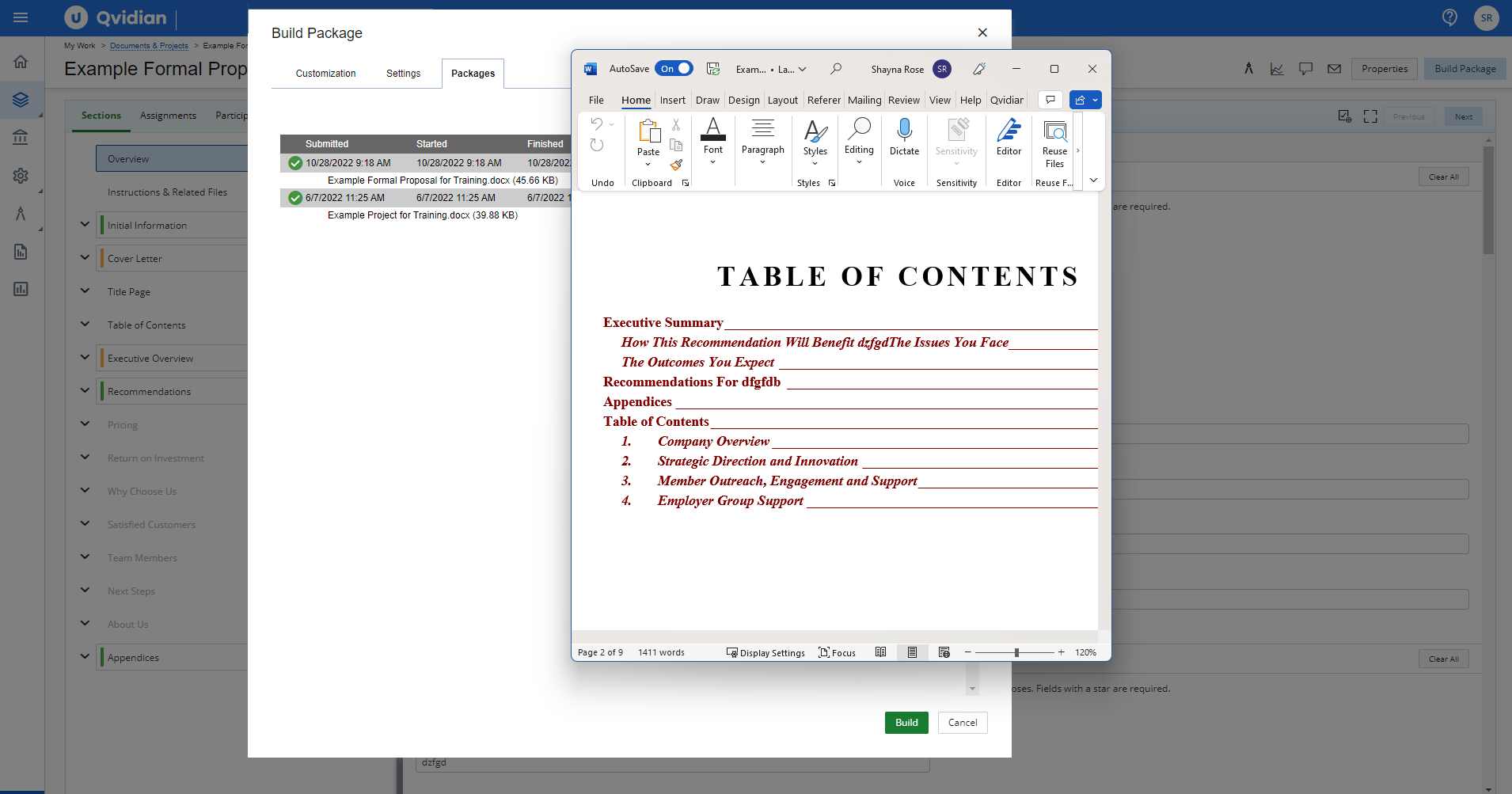
The shift they made in architecting documents from content to outline, is now reversed allowing outline creation first, then content which is more natural. But, due to the fact that we went through a migration of content to get to the new version, it feels less optimized than if we would have re-implemented.
End users having to configure settings more often than desired
In terms of core functionality - adding options for signatures, text, dates, check boxes, etc., as well as customising the body of the request, the title of the request, follow-ups / reminders for signature, etc., SignNow is great. It's really easy to navigate and use in this regard. SignNow loses points when it comes to the end-user who needs to sign. There's an option for them to either use the app (which is most prominent in the page that shows when they open the request) or to sign using their browser (which is much smaller). I had my assistant create this step by step guide for our clients, so they can complete the request the way we need them to:https://docs.google.com/presentation/d/1FopYjlykHMFjIAQjgaNLtNIvSCQND_kb86-U9bA5M2A/edit?usp=sharing As far as I'm aware, you can't make it mandatory for them to draw their signature, and there's no option to remove the prompt for them to download the app when signing on their mobile device. I really wish these were options, but they don't take away from the fact it does what it is intended to do, and it does it well.
A de minimis incentive was given to thank the reviewer for their time. The incentive was not used to bias or drive a particular response, nor was the incentive contingent on a positive endorsement. More Info
SignNow is always available when I need it. It seems that most updates occur outside of business hours so I have full functionality when I need it most between the hours of 8am-6pm EST. There has only been I time when I experience application errors when I need to use the system but it did not last long and the issue was resolved within a few hours.
A de minimis incentive was given to thank the reviewer for their time. The incentive was not used to bias or drive a particular response, nor was the incentive contingent on a positive endorsement. More Info
They are very much in support of great customer service. They respond quickly with emails and in some cases phone calls to resolve any issues and often times user questions in the past when I could not figure something out.
A de minimis incentive was given to thank the reviewer for their time. The incentive was not used to bias or drive a particular response, nor was the incentive contingent on a positive endorsement. More Info
781 / 5,000Translation resultsTranslation resultMy experience with airSlate SignNow support has been super ok so far. I only had to contact them once because a document got stuck when I was signing it, so I sent them an email and they responded the next day. They solved the problem, but I found it a bit slow... They could have more direct support, like live chat or even WhatsApp. I believe that if there was a subscription plan for dedicated support it would also be very interesting. For example, a large company with several signature routines, including important signatures that block important workflow processes and sometimes with high added value, these companies, due to the risks, do not want to stop a process because of a signature, so they would not mind investing a little more in dedicated support. Minha experiência com o suporte do airSlate SignNow foi super ok até agora. Só precisei entrar em contato uma vez porque um documento travou na hora de assinar, aí mandei um e-mail e eles responderam no dia seguinte. Resolveram o problema, mas achei meio demorado... podia ter um suporte mais direto, tipo chat ao vivo ou até WhatsApp, acredito que se houvesse um plano de assinatura para suporte dedicado também seria bem interessante, por exemplo uma empresa grande com varias rotinas de assinaturas, entre elas temos assinaturas importantes que travem procesos de Workflow importantes e as vezes de alto valor agregrado, essas empresas devido as riscos não querem parar um processo por conta de um assinatura, por isso não ligariam de investir um pouco mais em suporte dedicado.
A de minimis incentive was given to thank the reviewer for their time. The incentive was not used to bias or drive a particular response, nor was the incentive contingent on a positive endorsement. TR verified that a representative sample of customers was invited. More Info
Live instructor training is expensive, though we have had instructors come to our offices for a ‘refresher’ before. The refresher was more of a “let us fix that for you” than a training on how to do it ourselves.
It was nice to be shown the basics of the system and be able to see or understand the specific functions our company would need to use, such as the template creation, document grouping and document group templates. Being taught on how to use these functions, made learning them much easier.
A de minimis incentive was given to thank the reviewer for their time. The incentive was not used to bias or drive a particular response, nor was the incentive contingent on a positive endorsement. More Info
A de minimis incentive was given to thank the reviewer for their time. The incentive was not used to bias or drive a particular response, nor was the incentive contingent on a positive endorsement. More Info
Make sure you know exactly what you need before implementation and be sure to ask how to use the most important functions of the system that you will be using.
A de minimis incentive was given to thank the reviewer for their time. The incentive was not used to bias or drive a particular response, nor was the incentive contingent on a positive endorsement. More Info
We have been using Qvidian for years, when Compass was introduced in our company. Having spent over a year using Compass, I would not recommend it for writing proposals. In all fairness, that is not Compass' strength. Compass is ok for general document sharing for informational purposes. It does have a Presentation Builder function for creating PowerPoint presentations, but it is cumbersome and not very flexible. Specifically, the linkage is awkward and files may have to be re-linked when they are updated. In addition, the architecture only allows you to create a couple of levels of content. The search function is very limited. Compass is a newer project and has not fully matured.
I chose airSlate SignNow over DocuSign primarily due to the superior ease of use and a more intuitive user interface (UI). airSlate SignNow's UI stood out with its simplicity and well-thought-out design, making the entire process of signing and managing documents much more straightforward.The drag-and-drop functionality and the ability to customize signature fields in airSlate SignNow were additional factors that tipped the scale in its favor. These features not only streamlined the signing process but also allowed for a more personalized and efficient document management experience.
A de minimis incentive was given to thank the reviewer for their time. The incentive was not used to bias or drive a particular response, nor was the incentive contingent on a positive endorsement. More Info
The positive impact has been to know we have a system that can house legally-approved responses to questionnaires. The good about this is that if we have a simple RFI that does not require a lot of response customization, we can draw upon previously-approved responses and create output MUCH quicker, without the need of laborious and time-consuming legal reviews of RFIs or DDQs we produce for prospective clients. Quicker, easier output with less internal review = efficient RFI process and quicker turnaround time to respond to our client/prospective client base.
The negative impact has only been the time it takes to orient oneself with the program, and REMAIN oriented. As we do not do RFIs on a daily basis, it is easy for us to become rusty, or to take short-cuts because we do not have time to re-train on the program. Those shortcuts and workarounds tend to cause us not to use the program to its full potential and lead to counter-productivity in some cases.
A de minimis incentive was given to thank the reviewer for their time. The incentive was not used to bias or drive a particular response, nor was the incentive contingent on a positive endorsement. More Info