
Acumatica vs. Certinia FM Cloud vs. Salesforce Maps
Acumatica vs. Certinia FM Cloud vs. Salesforce Maps
| Product | Rating | Most Used By | Product Summary | Starting Price |
|---|---|---|---|---|
 Acumatica | N/A | Acumatica delivers a set of cloud-based business software applications with dashboards, reporting tools, integrated document management, centralized security, and customization tools. | $1,000 per year | |
 Certinia FM Cloud | N/A | Certinia FM Cloud automates financial management on the Salesforce platform. The customer-centric software includes a general ledger, automated billing processes, and financial intelligence. | N/A | |
 Salesforce Maps | Small Businesses (1-50 employees) | Salesforce Maps (formerly MapAnything) helps users map their CRM data. Users can: View customer, prospect, employee, partner, & competitor locations Build routes, call lists, campaigns, & event invite lists directly from the map Map wins & losses and visualize team activities & performance Maps is Salesforce-integrated & was built on Force.com. According to the vendor, the software has 1400+ customers so far. Use cases include: Field… | $30 per user / month |
| Acumatica | Certinia FM Cloud | Salesforce Maps | ||||||||||||||||||||||
|---|---|---|---|---|---|---|---|---|---|---|---|---|---|---|---|---|---|---|---|---|---|---|---|---|
| Editions & Modules | No answers on this topic | No answers on this topic |
| |||||||||||||||||||||
| Offerings |
| |||||||||||||||||||||||
| Entry-level Setup Fee | No setup fee | Required | No setup fee | |||||||||||||||||||||
| Additional Details | Pricing is always consumption-based with no five-year lock-ins or termination penalties. The Acumatica ERP pricing structure allows adding casual users, suppliers, and customers without paying for additional licenses. The cost is based on the features and resources utilized, not on the number of users who access the system. An Acumatica partner works with users to understand specific requirements, determine the proper resources and modules for the company, and presents a price for the license. | Certinia Professional Services Cloud software follows a subscription-based pricing model that is typically structured according to the number of users and the level of features required. The software’s pricing may vary depending on the organization’s size and needs, with options to select modules or add-ons for additional functionality. Specific pricing details may require a consultation or quote from Certinia for tailored solutions. | — | |||||||||||||||||||||
| More Pricing Information | ||||||||||||||||||||||||
| Acumatica | Certinia FM Cloud | Salesforce Maps |
|---|
| Acumatica | Certinia FM Cloud | Salesforce Maps | |||||||||||||||||||||||||||||||
|---|---|---|---|---|---|---|---|---|---|---|---|---|---|---|---|---|---|---|---|---|---|---|---|---|---|---|---|---|---|---|---|---|---|
| Payroll Management |
| ||||||||||||||||||||||||||||||||
| Customization |
| ||||||||||||||||||||||||||||||||
| Security |
| ||||||||||||||||||||||||||||||||
| Reporting & Analytics |
| ||||||||||||||||||||||||||||||||
| General Ledger and Configurable Accounting |
| ||||||||||||||||||||||||||||||||
| Inventory Management |
| ||||||||||||||||||||||||||||||||
| Order Management |
| ||||||||||||||||||||||||||||||||
| Subledger and Financial Process |
| ||||||||||||||||||||||||||||||||
| Project Financial Management |
| ||||||||||||||||||||||||||||||||
| Project Execution Management |
| ||||||||||||||||||||||||||||||||
| Grants Management |
| ||||||||||||||||||||||||||||||||
| Procurement |
| ||||||||||||||||||||||||||||||||
| Risk Management |
| ||||||||||||||||||||||||||||||||
| Logistics |
| ||||||||||||||||||||||||||||||||
| Manufacturing |
| ||||||||||||||||||||||||||||||||
| Supply Chain |
| ||||||||||||||||||||||||||||||||
| Product Lifecycle Management |
|
| Acumatica | Certinia FM Cloud | Salesforce Maps | |
|---|---|---|---|
| Small Businesses |  Zoho One Score 9.3 out of 10 | Zoho One Score 9.3 out of 10 | No answers on this topic |
| Medium-sized Companies |  Infor VISUAL Score 7.4 out of 10 | Infor VISUAL Score 7.4 out of 10 | No answers on this topic |
| Enterprises |  24SevenOffice Score 9.0 out of 10 | 24SevenOffice Score 9.0 out of 10 | No answers on this topic |
| All Alternatives | View all alternatives | View all alternatives | View all alternatives |
| Acumatica | Certinia FM Cloud | Salesforce Maps | |
|---|---|---|---|
| Likelihood to Recommend | 8.9 (631 ratings) | 6.0 (8 ratings) | 7.7 (3 ratings) |
| Likelihood to Renew | 9.2 (65 ratings) | 10.0 (1 ratings) | - (0 ratings) |
| Usability | 8.2 (37 ratings) | 10.0 (1 ratings) | 5.0 (1 ratings) |
| Availability | 8.7 (5 ratings) | 10.0 (1 ratings) | - (0 ratings) |
| Performance | 8.2 (4 ratings) | 9.0 (1 ratings) | - (0 ratings) |
| Support Rating | 7.1 (28 ratings) | 10.0 (1 ratings) | 1.0 (1 ratings) |
| In-Person Training | 4.8 (5 ratings) | - (0 ratings) | - (0 ratings) |
| Online Training | 7.6 (4 ratings) | 10.0 (1 ratings) | - (0 ratings) |
| Implementation Rating | 6.0 (19 ratings) | 10.0 (1 ratings) | - (0 ratings) |
| Configurability | 6.4 (3 ratings) | - (0 ratings) | - (0 ratings) |
| Contract Terms and Pricing Model | 6.2 (4 ratings) | - (0 ratings) | - (0 ratings) |
| Ease of integration | 5.6 (2 ratings) | - (0 ratings) | - (0 ratings) |
| Product Scalability | 7.3 (5 ratings) | - (0 ratings) | - (0 ratings) |
| Professional Services | 9.1 (3 ratings) | - (0 ratings) | - (0 ratings) |
| Vendor post-sale | 3.9 (5 ratings) | - (0 ratings) | - (0 ratings) |
| Vendor pre-sale | 4.9 (4 ratings) | - (0 ratings) | - (0 ratings) |
| Acumatica | Certinia FM Cloud | Salesforce Maps | |
|---|---|---|---|
| Likelihood to Recommend | Acumatica
|  Certinia
 Lynne Taylor CAO (Chief Administrative Officer) |  Salesforce
|
| Pros | Acumatica
| Certinia
| Salesforce
 Kurt Johansen DBA and Process Manager |
| Cons | Acumatica
 Hardik Thacker Financial research analyst | Certinia
| Salesforce
 Edward Phillips Engagement Director |
| Likelihood to Renew | Acumatica
| Certinia
Lynne Taylor CAO (Chief Administrative Officer) | Salesforce No answers on this topic |
| Usability | Acumatica
| Certinia
Lynne Taylor CAO (Chief Administrative Officer) | Salesforce
|
| Reliability and Availability | Acumatica
 DANYEL SULLIVAN-MARRERO, CPA, MBA Controller | Certinia
Lynne Taylor CAO (Chief Administrative Officer) | Salesforce No answers on this topic |
| Performance | Acumatica
| Certinia
Lynne Taylor CAO (Chief Administrative Officer) | Salesforce No answers on this topic |
| Support Rating | Acumatica
| Certinia
Lynne Taylor CAO (Chief Administrative Officer) | Salesforce
Kurt Johansen DBA and Process Manager |
| In-Person Training | Acumatica
| Certinia No answers on this topic | Salesforce No answers on this topic |
| Online Training | Acumatica
 Julie Weber Director of Finance & Accounting | Certinia
Lynne Taylor CAO (Chief Administrative Officer) | Salesforce No answers on this topic |
| Implementation Rating | Acumatica
 Scott Rutkowski, CLP CIO (Chief Information Officer) | Certinia
Lynne Taylor CAO (Chief Administrative Officer) | Salesforce No answers on this topic |
| Alternatives Considered | Acumatica
| Certinia
| Salesforce
|
| Contract Terms and Pricing Model | Acumatica
DANYEL SULLIVAN-MARRERO, CPA, MBA Controller | Certinia No answers on this topic | Salesforce No answers on this topic |
| Scalability | Acumatica
DANYEL SULLIVAN-MARRERO, CPA, MBA Controller | Certinia No answers on this topic | Salesforce No answers on this topic |
| Professional Services | Acumatica
DANYEL SULLIVAN-MARRERO, CPA, MBA Controller | Certinia No answers on this topic | Salesforce No answers on this topic |
| Return on Investment | Acumatica
| Certinia
| Salesforce
Edward Phillips Engagement Director |
| ScreenShots | Acumatica Screenshots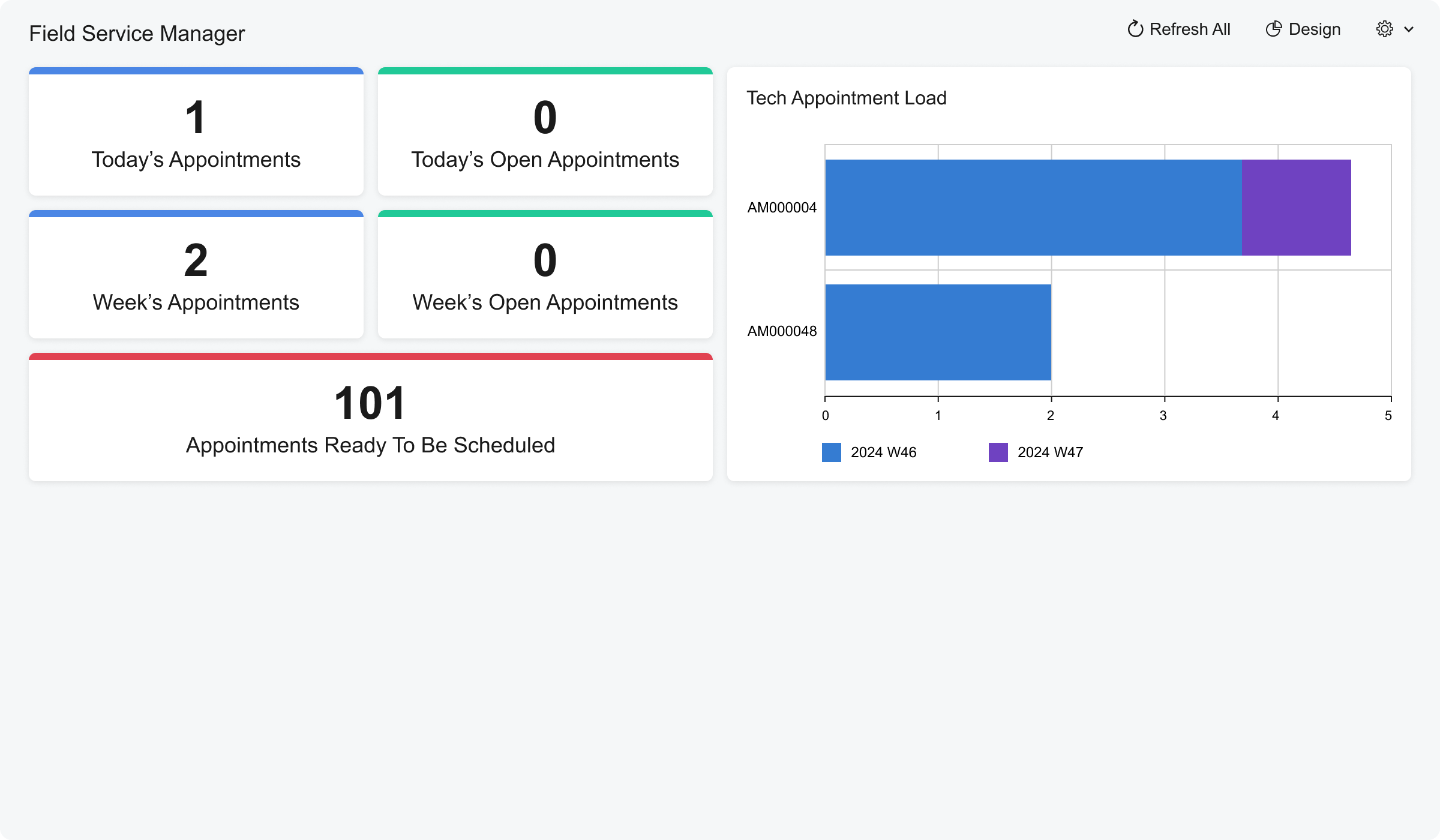 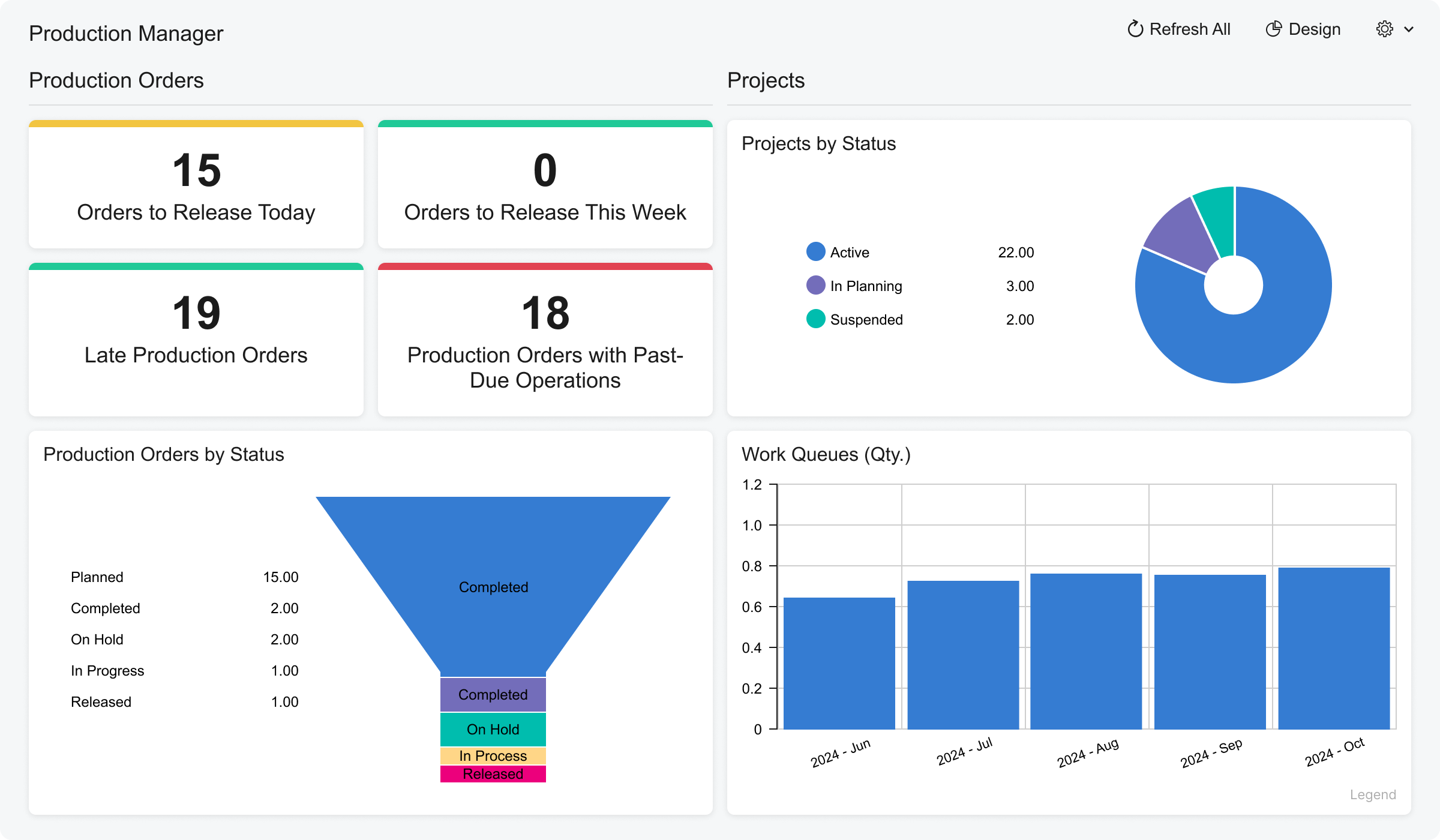 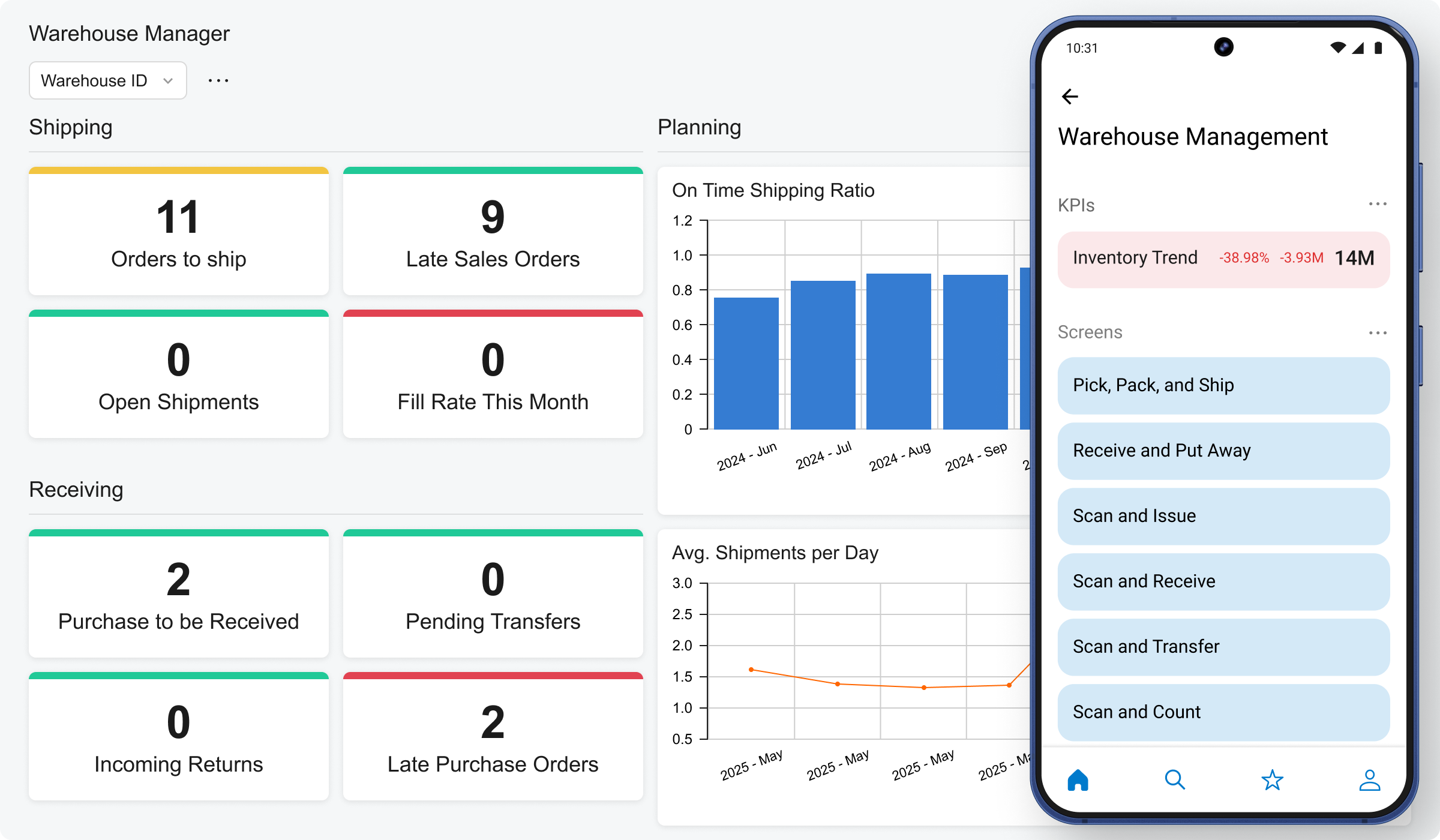 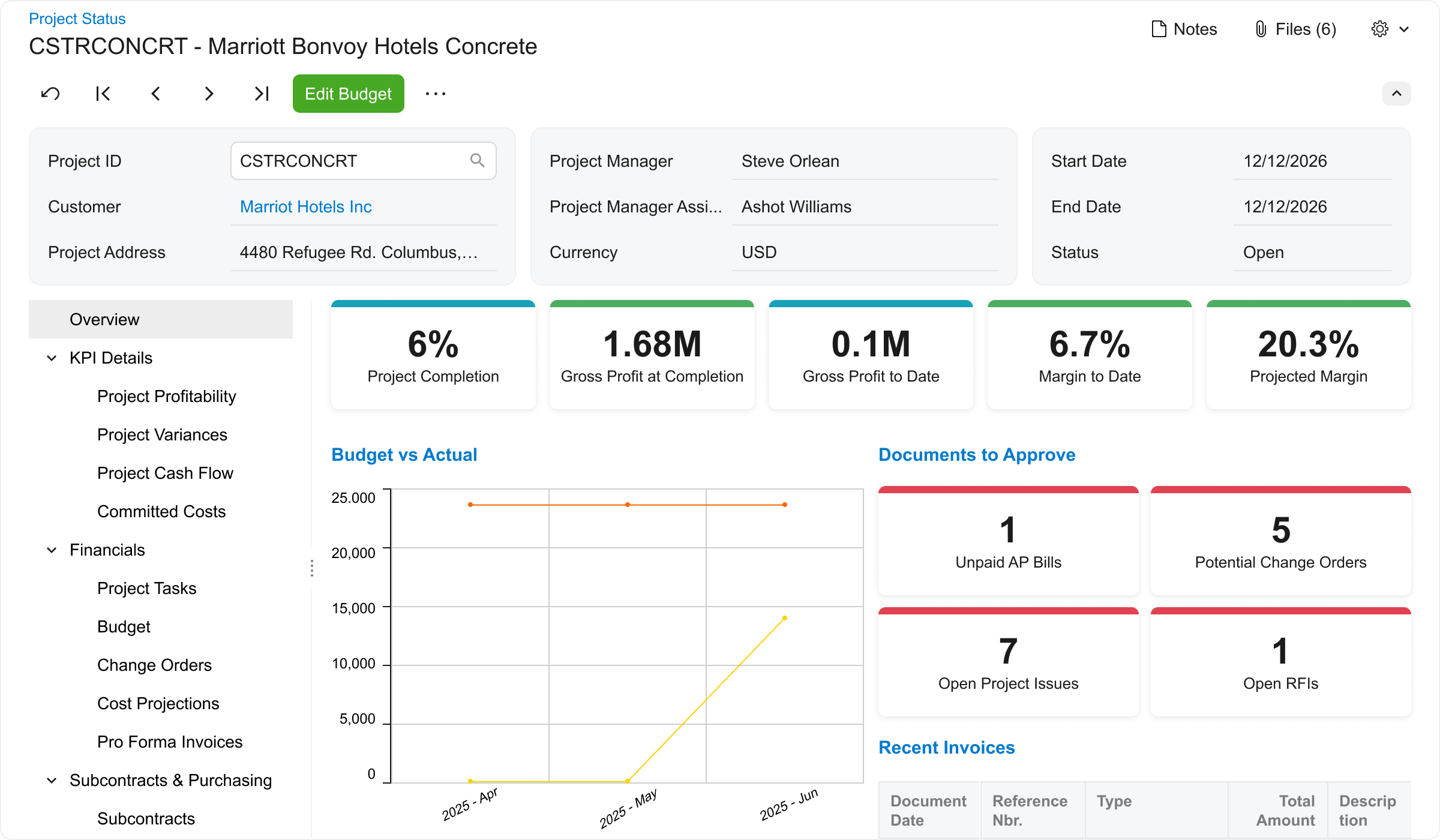 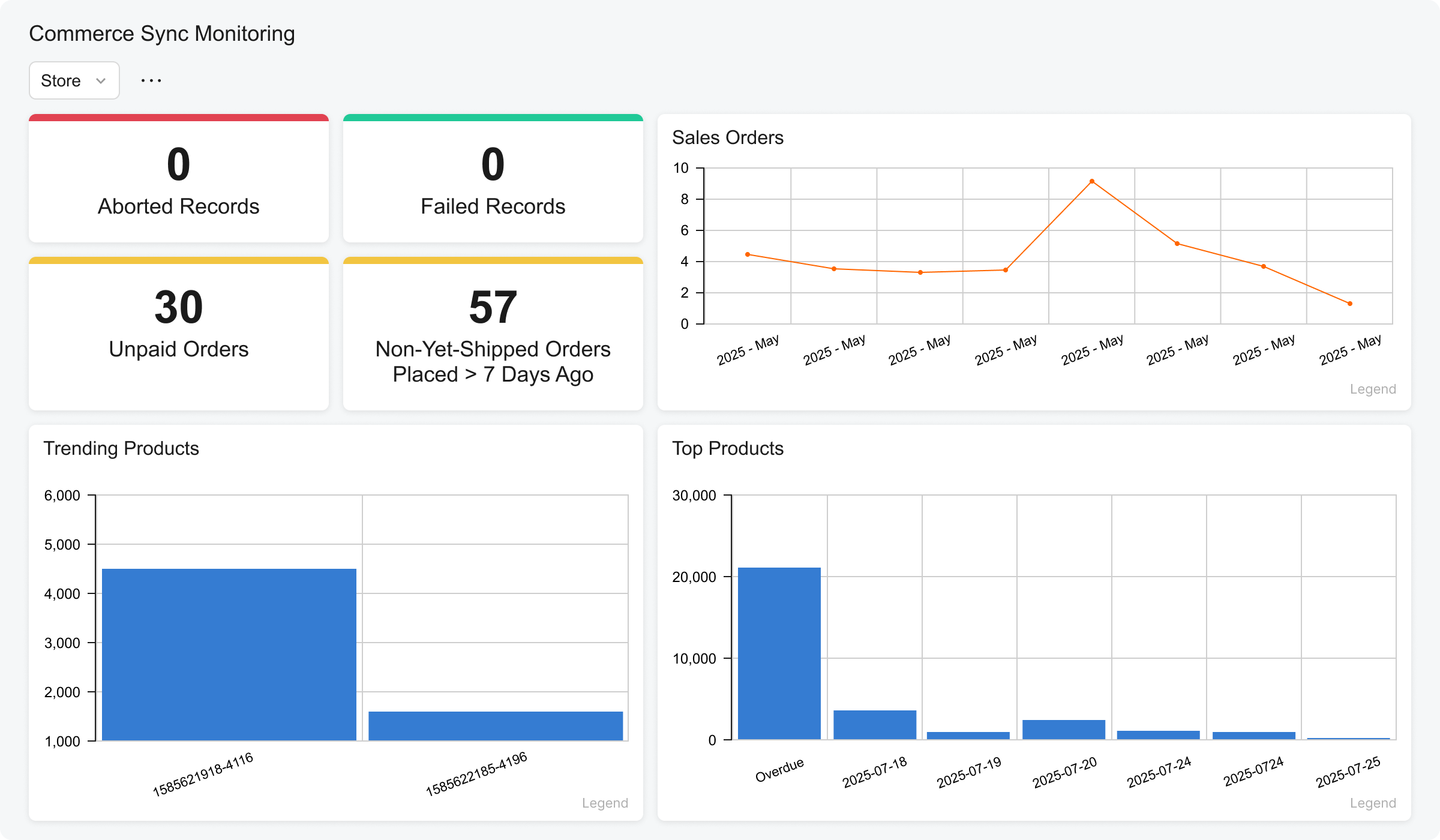 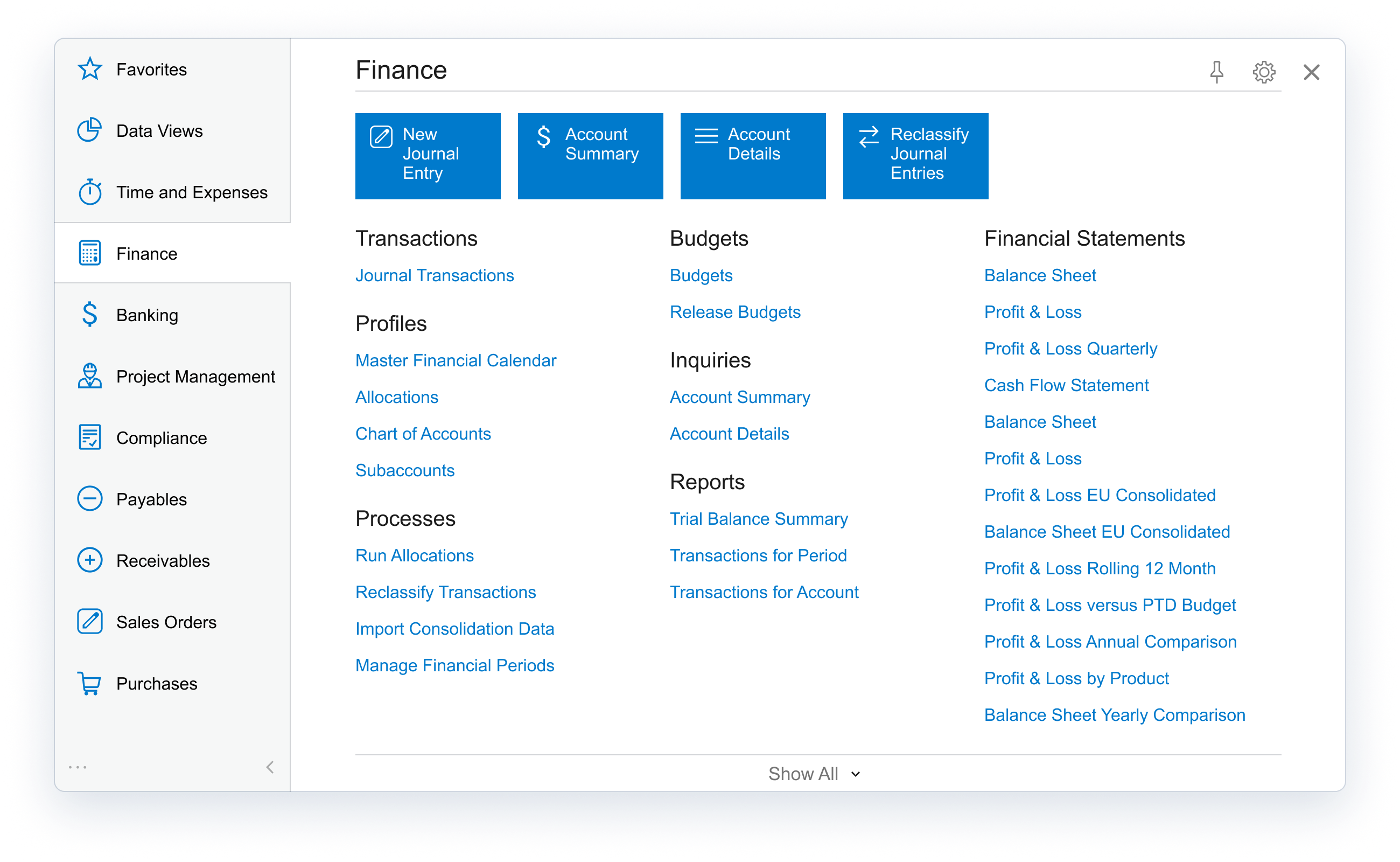 |