Chose Matomo Analytics
Matomo's analytics tools have functions like the free Google Analytics.
It is easy to learn and has a good implementation guide. So, it is good for learning web analytics.

| Product | Rating | Most Used By | Product Summary | Starting Price |
|---|---|---|---|---|
 Adobe Dynamic Tag Management (discontinued) | N/A | Adobe Dynamic Tag Management (DTM) was a tool used by marketers to manage tags, and for collecting and distributing data across digital marketing systems. Adobe DTM is a legacy, and it will not receive feature updates. Adobe invites users to upgrade to Launch on the Adobe Experience Platform. | N/A | |
 Matomo Analytics | N/A | Piwik is an open source analytics platform that enables users to measure web and mobile apps as well as intranet portals. It protects the privacy of users through advanced privacy features and its approach to data ownership. Piwik offers On-premises and Cloud deployment options. Available in over 50 languages, it is fully customisable and vendor-independent. Piwik offers over 70 integrations with Content Management Systems, Ecommerce solutions, Forums as well as other mobile and web platforms.… | $0 |
| Adobe Dynamic Tag Management (discontinued) | Matomo Analytics | |||||||||||||||
|---|---|---|---|---|---|---|---|---|---|---|---|---|---|---|---|---|
| Editions & Modules | No answers on this topic |
| ||||||||||||||
| Offerings |
| |||||||||||||||
| Entry-level Setup Fee | No setup fee | Optional | ||||||||||||||
| Additional Details | — | On-premise Edition is free to download and install on one's own servers. | ||||||||||||||
| More Pricing Information | ||||||||||||||||
| Adobe Dynamic Tag Management (discontinued) | Matomo Analytics | |
|---|---|---|
| Considered Both Products | Adobe Dynamic Tag Management (discontinued) No answer on this topic | Matomo Analytics |
| Adobe Dynamic Tag Management (discontinued) | Matomo Analytics | |||||||||||||||||||||||||||
|---|---|---|---|---|---|---|---|---|---|---|---|---|---|---|---|---|---|---|---|---|---|---|---|---|---|---|---|---|
| Security |
| |||||||||||||||||||||||||||
| Tag Management |
| |||||||||||||||||||||||||||
| Data Management & Integrity |
| |||||||||||||||||||||||||||
| Web Analytics |
|
| Adobe Dynamic Tag Management (discontinued) | Matomo Analytics | |
|---|---|---|
| Small Businesses |  Google Tag Manager Score 9.3 out of 10 |  StatCounter Score 9.0 out of 10 |
| Medium-sized Companies | Google Tag Manager Score 9.3 out of 10 |  Optimal Score 9.1 out of 10 |
| Enterprises |  Tealium Customer Data Hub Score 8.4 out of 10 | Optimal Score 9.1 out of 10 |
| All Alternatives | View all alternatives | View all alternatives |
| Adobe Dynamic Tag Management (discontinued) | Matomo Analytics | |
|---|---|---|
| Likelihood to Recommend | 10.0 (6 ratings) | 10.0 (23 ratings) |
| Likelihood to Renew | 10.0 (1 ratings) | 8.7 (13 ratings) |
| Usability | 5.0 (2 ratings) | 10.0 (4 ratings) |
| Support Rating | 10.0 (1 ratings) | 6.7 (3 ratings) |
| Implementation Rating | 10.0 (1 ratings) | 9.0 (1 ratings) |
| Adobe Dynamic Tag Management (discontinued) | Matomo Analytics | |
|---|---|---|
| Likelihood to Recommend | Discontinued Products
 Gitai Ben-Ammi Marketing, Web Analytics, and Testing Lead | Matomo
|
| Pros | Discontinued Products
 Jay Corcoran Search Marketing Strategist | Matomo
 Sharon Hurley Hall Professional blogger, writer, journalist |
| Cons | Discontinued Products
| Matomo
|
| Likelihood to Renew | Discontinued Products
Jay Corcoran Search Marketing Strategist | Matomo
 Jeff Wallace Marketing Specialist - Marketing Technologist |
| Usability | Discontinued Products
 Barry Mann Freelance Web Analytics, Insight and Optimisation | Matomo
 Hendrik Schaper Inhaber |
| Support Rating | Discontinued Products
Jay Corcoran Search Marketing Strategist | Matomo
 Alireza Hassani Business Intelligence Analyst |
| Implementation Rating | Discontinued Products
Jay Corcoran Search Marketing Strategist | Matomo
 Erik Rühling Director of IT & Web Development |
| Alternatives Considered | Discontinued Products
| Matomo
 Ramon Khan Head of Marketing |
| Return on Investment | Discontinued Products
Gitai Ben-Ammi Marketing, Web Analytics, and Testing Lead | Matomo
 Cristian Bodnarasec Senior Software Development Manager |
| ScreenShots | Matomo Analytics Screenshots  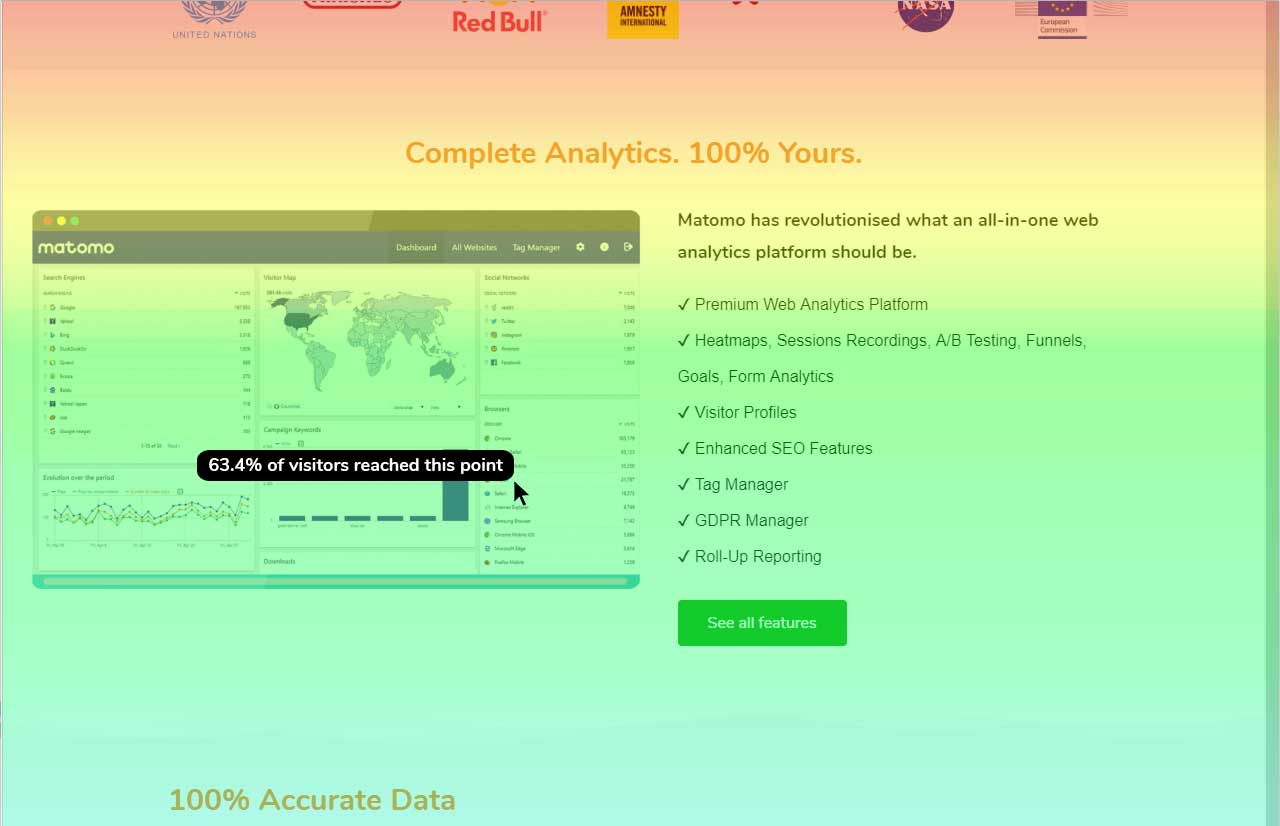 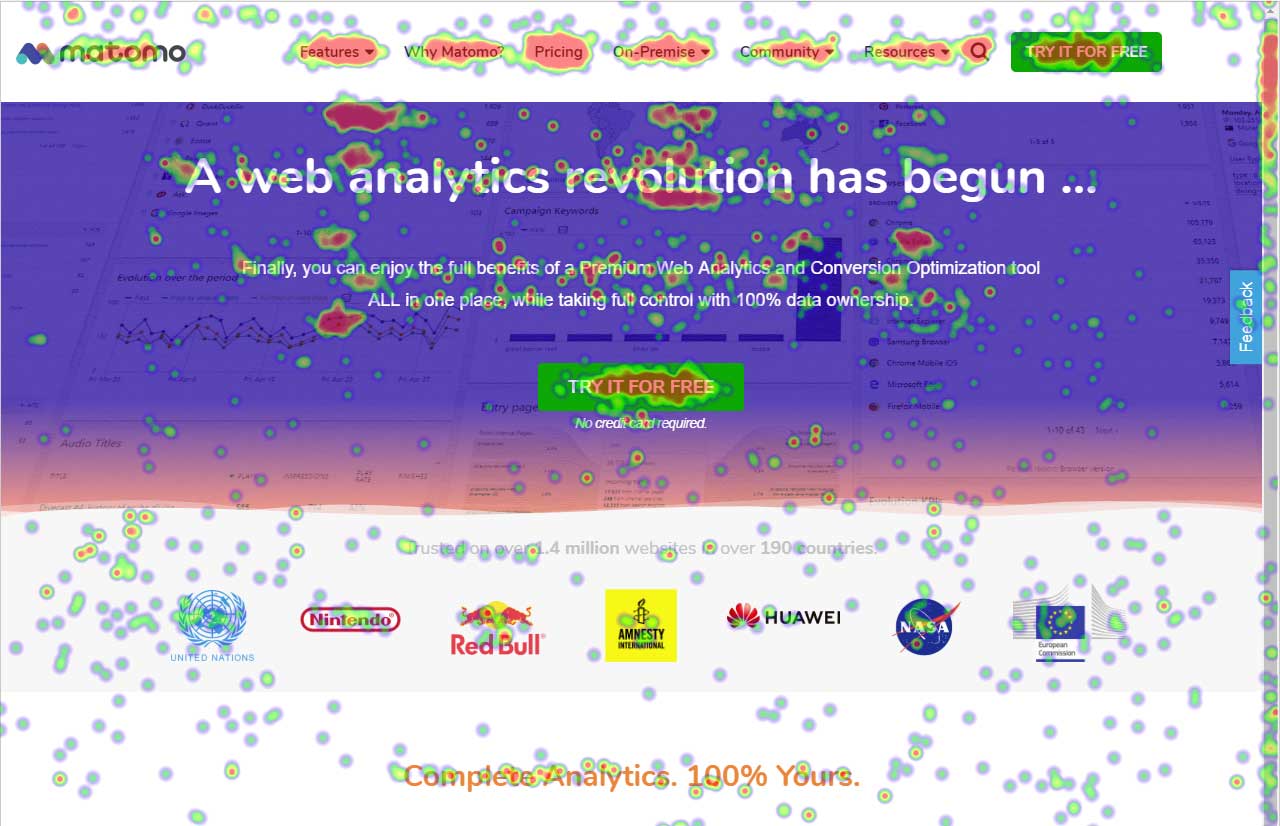  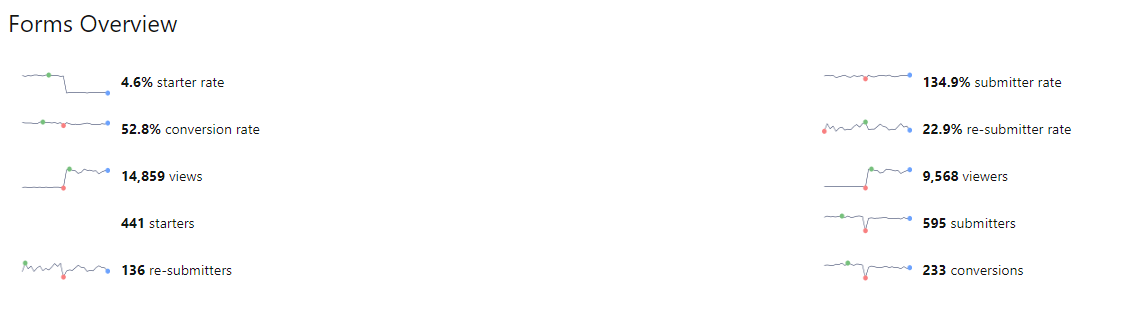 |