
venkat nitin panaganti
Student
Chose Apache Subversion

| Product | Rating | Most Used By | Product Summary | Starting Price |
|---|---|---|---|---|
 Apache Subversion | N/A | Apache Subversion is a version control option that is free to download and open source under the Apache 2.0 license. | N/A | |
 Git | N/A | N/A | N/A | |
 Google Drive | N/A | Google Drive is a cloud file storage, synchronization, and collaboration platform and service, that features Google Docs, Sheets, and Slides for document editing and presentation. | $6 per month |
| Apache Subversion | Git | Google Drive | ||||||||||||||||||||||
|---|---|---|---|---|---|---|---|---|---|---|---|---|---|---|---|---|---|---|---|---|---|---|---|---|
| Editions & Modules | No answers on this topic | No answers on this topic |
| |||||||||||||||||||||
| Offerings |
| |||||||||||||||||||||||
| Entry-level Setup Fee | No setup fee | No setup fee | No setup fee | |||||||||||||||||||||
| Additional Details | — | — | Discounts are available for students, educators, and non profit organizations. | |||||||||||||||||||||
| More Pricing Information | ||||||||||||||||||||||||
| Apache Subversion | Git | Google Drive | |
|---|---|---|---|
| Considered Multiple Products |  Apache Subversion venkat nitin panaganti Student Chose Apache Subversion  Arthur Adams CM Analyst Chose Apache Subversion Git is probably the biggest open source rival to Subversion. It's designed for distributed development, an environment I'm not very familiar with. I've only got some experience with it, and only as a user, and even that is limited. I had some trouble wrapping my mind around the …  Cristian Bodnarasec Senior Software Development Manager Chose Apache Subversion We used Visual SourceSafe before SVN many years ago and we chose SVN at that time mainly because it allowed us to do collaborative work on the same source code. It also had improved conflict resolution when doing code merges, blaming changes etc, which improved the speed of … | Git  Nate Dillon Front-End Web Developer, Office of Mediated Education Chose Git The two main alternatives to Git that I know about are Mercurial and Subversion. I've never used either one, but I know a bit about Subversion. From what I remember, Subversion requires a server. I don't anyone using any other source control other than Git, it seems to have … Cristian Bodnarasec Senior Software Development Manager Chose Git Compared to SVN, Git has a decentralized approach which increases collaboration in the team by enabling the local stored branches. There is no need to be connected to the repository(via an internet link) to work and commit code. Besides the fact that the performance of Git is …  Gabriel Samaroo Senior Software Engineer Chose Git Git is the best Source Control Management Tool I've used. Every company, team, and project I've worked on professionally either used Git 100%, or was moving to Git, away from the alternatives like SVN. Git has all the features necessary, as well as a very large community of …  Miguelangel Nuñez Software Developer Chose Git Git is a distributed version control system. There is more flexibility to work with a bigger team. You can modify the same file and later merge all changes into a single file.  David Petrie Software Engineer Chose Git After using Subversion previously for a number of years, Git comes across as the new and improved source control approach. Git seems very suited to working with Agile:- branches can be created easily, allowing multiple developers to switch to them quickly, and having local … | Google Drive No answer on this topic |
| Apache Subversion | Git | Google Drive | |||||||||||||||||||||||||||||||
|---|---|---|---|---|---|---|---|---|---|---|---|---|---|---|---|---|---|---|---|---|---|---|---|---|---|---|---|---|---|---|---|---|---|
| File Sharing & Management |
| ||||||||||||||||||||||||||||||||
| Cloud Storage Security & Administration |
| ||||||||||||||||||||||||||||||||
| Cloud Storage Platform |
|
| Apache Subversion | Git | Google Drive | |
|---|---|---|---|
| Small Businesses | Git Score 10.0 out of 10 |  GitHub Score 9.2 out of 10 |  SugarSync Score 4.0 out of 10 |
| Medium-sized Companies | Git Score 10.0 out of 10 | GitHub Score 9.2 out of 10 |  Druva Security Cloud Score 9.4 out of 10 |
| Enterprises |  Perforce P4 Score 7.3 out of 10 | Perforce P4 Score 7.3 out of 10 | Druva Security Cloud Score 9.4 out of 10 |
| All Alternatives | View all alternatives | View all alternatives | View all alternatives |
| Apache Subversion | Git | Google Drive | |
|---|---|---|---|
| Likelihood to Recommend | 6.6 (10 ratings) | 10.0 (36 ratings) | 8.4 (222 ratings) |
| Likelihood to Renew | 3.1 (2 ratings) | 10.0 (1 ratings) | 10.0 (6 ratings) |
| Usability | - (0 ratings) | 9.0 (1 ratings) | 8.5 (52 ratings) |
| Availability | - (0 ratings) | - (0 ratings) | 10.0 (1 ratings) |
| Performance | - (0 ratings) | - (0 ratings) | 9.0 (7 ratings) |
| Support Rating | - (0 ratings) | 8.5 (11 ratings) | 1.1 (49 ratings) |
| In-Person Training | - (0 ratings) | - (0 ratings) | 9.0 (1 ratings) |
| Implementation Rating | - (0 ratings) | 9.0 (1 ratings) | 8.0 (3 ratings) |
| Configurability | - (0 ratings) | - (0 ratings) | 6.0 (1 ratings) |
| Ease of integration | - (0 ratings) | - (0 ratings) | 5.0 (1 ratings) |
| Product Scalability | - (0 ratings) | - (0 ratings) | 10.0 (1 ratings) |
| Apache Subversion | Git | Google Drive | |
|---|---|---|---|
| Likelihood to Recommend | Apache
 Richard Davies Web Application Developer | Open Source
| Google
 Abhinav Bajpai Graphics Artist |
| Pros | Apache
Cristian Bodnarasec Senior Software Development Manager | Open Source
| Google
 Humayun Farooqi Customer Success Manager |
| Cons | Apache
Arthur Adams CM Analyst | Open Source
Gabriel Samaroo Senior Software Engineer | Google
|
| Likelihood to Renew | Apache
| Open Source
| Google
|
| Usability | Apache No answers on this topic | Open Source
| Google
 Mandy Cramer Accounting Department |
| Reliability and Availability | Apache No answers on this topic | Open Source No answers on this topic | Google
|
| Performance | Apache No answers on this topic | Open Source No answers on this topic | Google
|
| Support Rating | Apache No answers on this topic | Open Source
Nate Dillon Front-End Web Developer, Office of Mediated Education | Google
|
| In-Person Training | Apache No answers on this topic | Open Source No answers on this topic | Google
|
| Implementation Rating | Apache No answers on this topic | Open Source
| Google
 Elizabeth Sullivan-Hasson Research Assistant |
| Alternatives Considered | Apache | Open Source
| Google
|
| Scalability | Apache No answers on this topic | Open Source No answers on this topic | Google
|
| Return on Investment | Apache
| Open Source
 Joel Tanzi Software Engineer | Google
 Juan Miguel Rojas Cofundador - CEO |
| ScreenShots | Google Drive Screenshots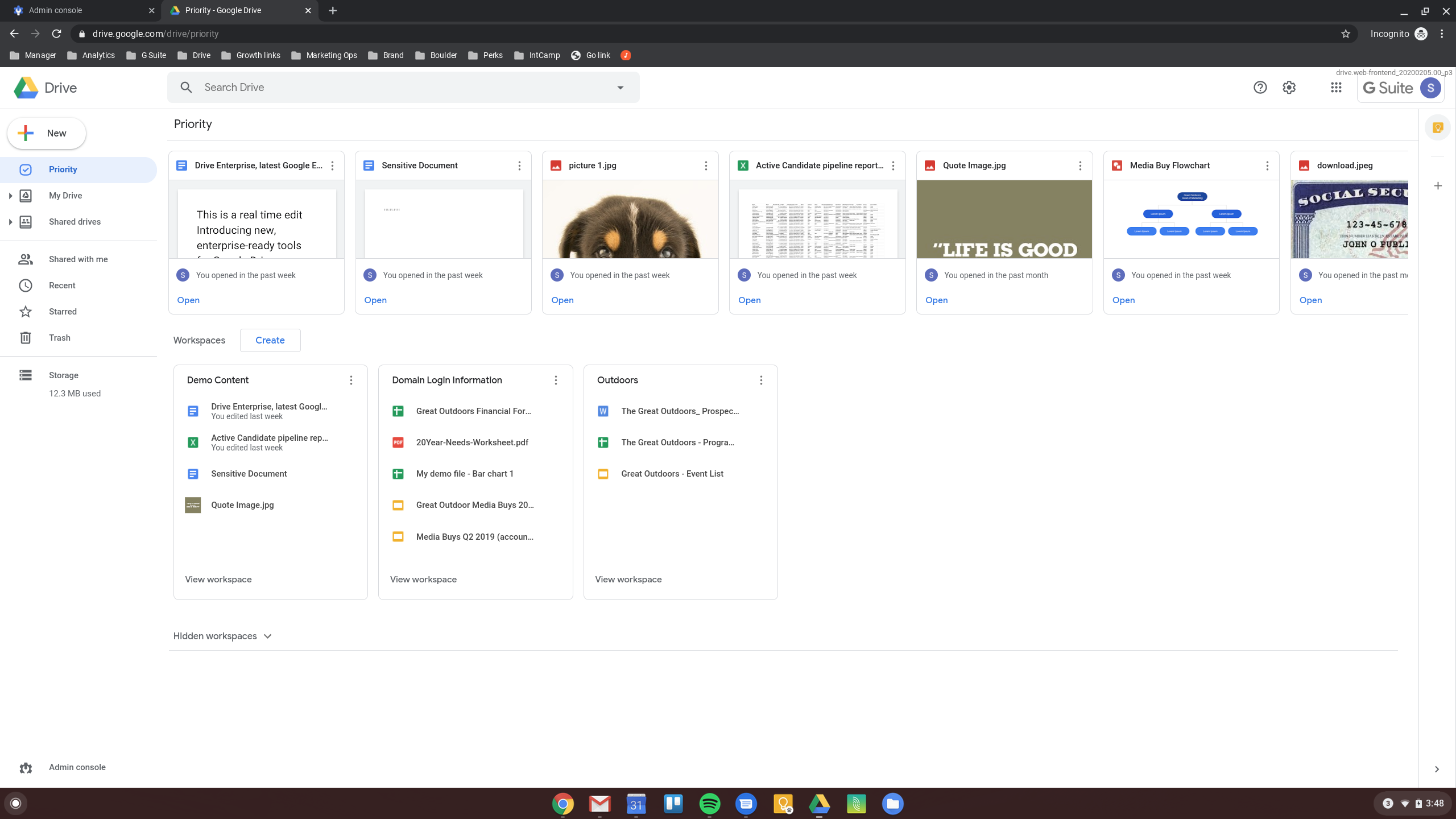   |
