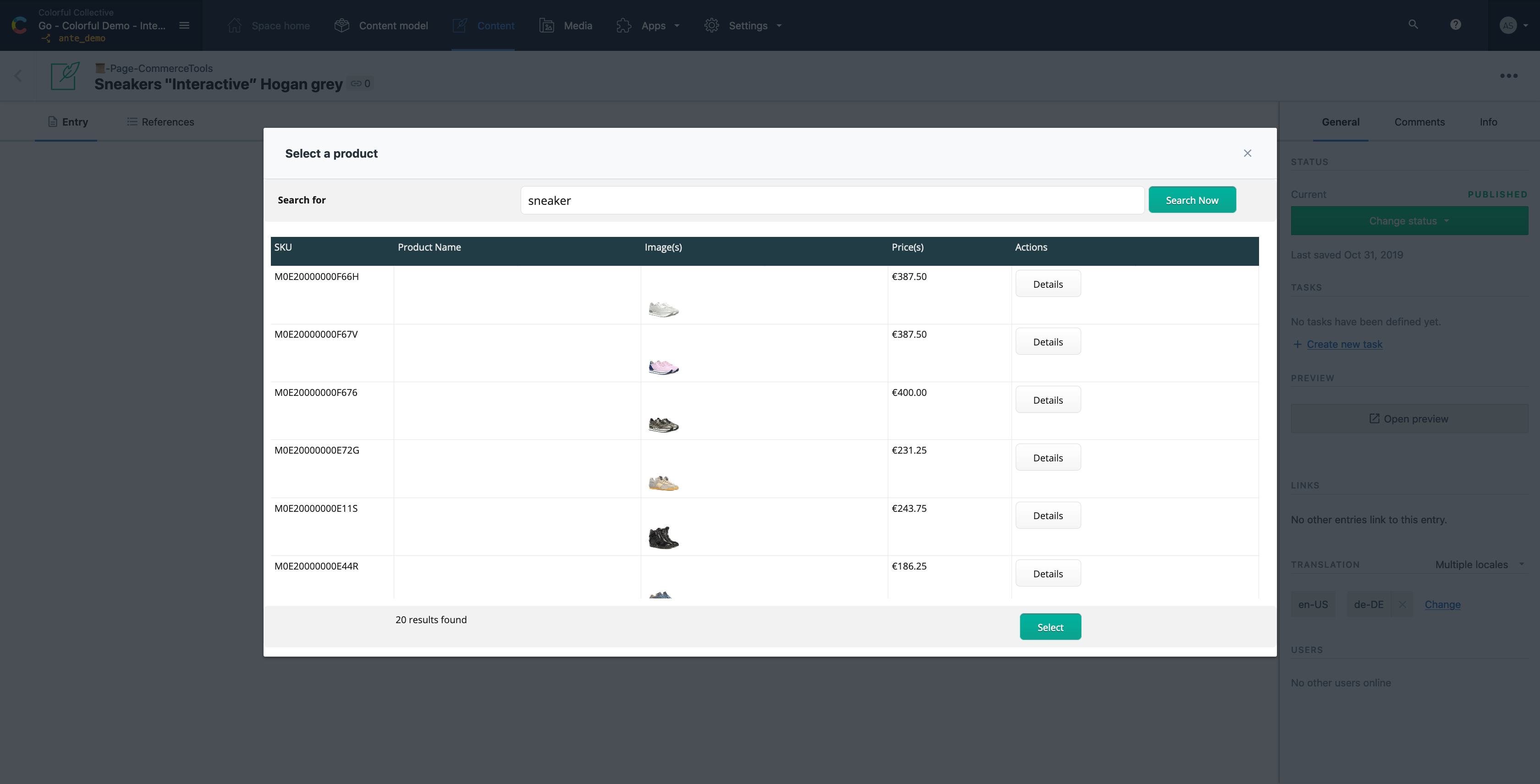
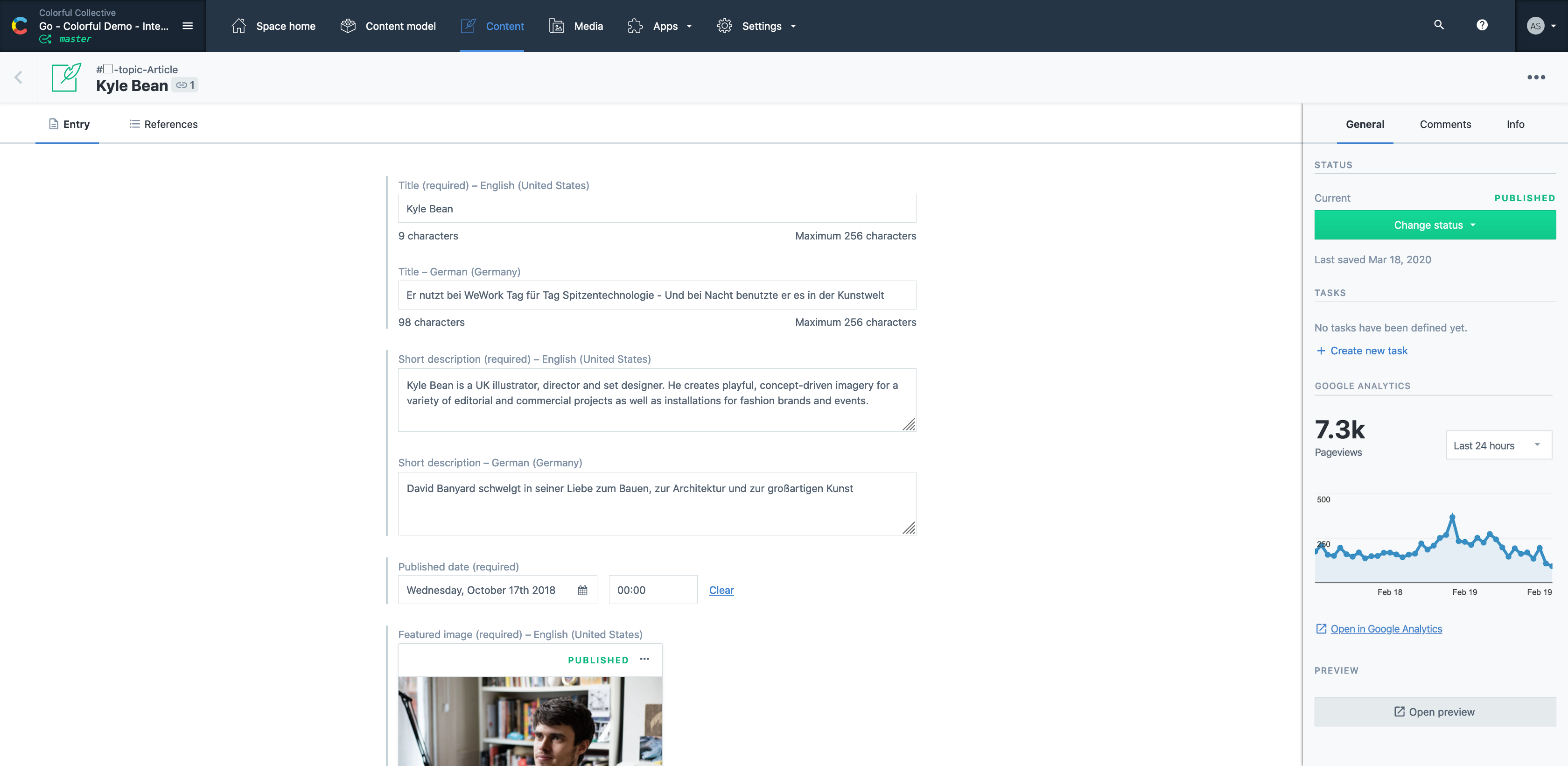
Contentful is a cloud based CMS solution that provides the ability to manage content across multiple platforms.The editing interface allows for managing content interactively and provides developers the ability to deliver the content with the programming language and template framework of their choice.
$0
Oracle APEX
Score 8.8 out of 10
N/A
Oracle APEX (or Oracle Application Express) is an online low-code application builder that allows users to develop a database-drive application, customize the application's UI, and then give their users access to the application via URL. Oracle APEX includes a suite of pre-built productivity applications and examples, such as a Survey Builder, Bug Tracking, P-Track project management, etc
$0.32
OCPU per hour
Webflow
Score 8.7 out of 10
N/A
Webflow is a Website Experience Platform for modern marketing teams, used to visually build, manage, and optimize websites that offer both the consumer experience teams expect and enterprise-grade performance and scale.
Webflow is stronger in terms of being a WYSIWYG platform. Contentful however is easier for us to integrate with our many other services that need to be orchestrated by a single application, which we accomplish by creating and referencing Contentful components and entries. Webflo…
It's a great all rounder for content projects. It's easy in the basics and powerful in the complex, data heavy scenarios. Extending the platform is straightforward and the SDK gives you everything you need. If you have many many varying content types , it gets expensive and perhaps not the best choice .
If you need to develop an application very quickly, without unnecessary lengthy specifications or business requirements, something you need right away, while utilizing all the capabilities of the Oracle database, APEX is the right choice. Thanks to the many components you use from the vast Oracle APEX library, working with this tool is exceptionally pleasant, fast, and effective.
Since the purpose in my case is to build a small professional looking site to present project outcomes and other research, I can create custom fields and design experimentations. Webflow builds sites that are super professional, with many amazing templates that don't look cheap. Additionally, I can test responsive layouts. Apart from this, I used 1-2 static pages to illustrate key findings for example what a multilingual site could look like with screenshots without needing CMS in free version, which are all the valuable skills to acquire. Compared to WordPress, Webflow is expensive with limited free features, although it has really cool additional features that will make the site I build stand out.
Saves time- because I don't have to do double entry of content.
It saves money. I like that it is an all-in-one system, so I don't have to host elsewhere.
Flexibility - Webflow provides me with a lot of flexibility in my webpage design, allowing me to adjust pages as needed, depending on the content types.
Contentful uses "references" to allow you to build very modular content. If I have a "slider" content type, I can create a "slide" content type which references a "button" content type, and so forth. This works well, but I occasionally wish there was a better solution for one-off content, like a settings page. Currently, this is done for creating an entire content type called "settings" with a single entry. Not a big deal, but not ideal, either.
There are a few quirks with GatsbyJS integration, etc, but these issues are being fixed and improved upon very quickly.
A minor gripe, but Contentful does not have a way to organize fields within an entry. Entries with many fields are somewhat tiresome to scroll through.
Can't think of any - the Application Express development team does a fantastic job adopting and supporting emerging trends with each new release.
Requires Oracle RDBMS; i.e., is not portable to other RDBMS platforms. On the surface this may seem like a con but it is as it should be - Oracle database is best RDBMS available and tight integration with Oracle RDBMS promotes creation of reliable performant apps.
Brand recognition is still behind WordPress, which can make it a challenging sell for clients looking to play it safe in their CMS decision.
The CMS is ideal for smaller datasets, but higher content sites introduce some minor challenges.
Alignment between designers and developers is key prior to implementation. The flexibility of the platform requires careful planning to avoid over-engineering.
I felt very comfortable using Oracle Application Express from the start. I designed my data model and quickly developed the basic CRUD pages for master tables. Then I designed the main functionality and was able to test and deploy it in a couple of days work. I will probably share the app with other members of the team and continue adding some features in the short term.
It is a very easy to use and configure application. I find that it is on the user to manage the content after the models have been created, yet I still do not encounter issues finding or creating new components for our site. It is easy to set up and easy to navigate.
Oracle APEX is an ultra flexible, low code platform having a great easy of use, superior customization capabilities, scalable and provides a very good application and data security. It also has lot of AI capabilities as well as modern features such as GeoLocation maps, Automation capabilities, Workflow approval features and Mobile application capabilities using PWA like features.
Webflow is very easy for a beginner to get started with and achieve good results, but to achieve an expert level of understanding requires experience and some web development knowledge. HTML5, CSS3 and JavaScript knowledge aren't required to use Webflow, but an expert will know BEM class naming patterns, be able to create reusable elements and design systems, and add 3rd party integrations that require custom code.
In my experience, their customer service is an absolute joke, I tried reaching out to them they took forever. I had to keep following up with them as if they never received it in the first place. It’s a new platform, so guidance is needed. Tried the university they offer, in my opinion, it is completely useless, I would just completely move on from this website.
In my opinion, it is horrible, the rendering takes forever. I have the newest MacBook and the platform will still lag and slow down on me. I’m not a developer, I am a designer which makes it worst because I am using the features they are providing not extra coding features. In my opinion, it is a horrible platform really, stay away.
Very active and knowledgeable community support includes quick and helpful responses from the Oracle employees on the product development team. I've never had to raise an official support request - everything is dealt with via forums and user groups - or via direct emails. The supposrt commuinty is one of the great things about Apex.
I haven't had to engage them from a support perspective; however, there is a considerable user community for tips/ideas/troubleshooting and the like. I believe the Pro plan supports additional resources but we didn't find that the cost justified the outcome. Overall the need for support has been relatively minor.
Using it on the cloud is really simple, the entire process of configuring and provisioning an Oracle Database takes only a few minutes (less than 10) and then Oracle APEX is already deployed on the database, so you just have to start using it. I would strongly recommend using APEX on Oracle Cloud Free Tier.
Easy to use and much more organized as a single platform versus multi. The layout is clean and easy to read and we don’t have to worry about certain users safe guarding data or content then losing it when they leave the company. It’s a one stop shop for imagery
If you are expert in SQL and PLSQL and use Oracle Database, then the best choice is Oracle Application Express. The functionality is already complete and very easy to use, so it's useless to find another tool if you are using Oracle. You don't use Oracle APEX only if: (1) you are using other database than Oracle, and (2) your application load is unpredictable.
A lot more design control and easier to create a custom site, and then also to scale that site going forward. There's a lot about WordPress I miss, though, when it comes to managing a blog—user permissions, SEO control, edit HTML version of posts.
I feel it doesn’t perform the way it’s supposed to and it doesn’t have any beneficial factors to it. In my opinion, there is no reason to use a platform like this when Wix and Shopify, and WordPress exist. I believe Webflow is a platform that shouldn’t exist and it’s only popular because of the hype it received. I tried it and hate it completely.
Contentful has saved us valuable development time that was previously spent doing deploys for minor content updates.
Contentful has helped us maintain consistent documentation, reducing time needed to review for consistency.
Can't say we've really experienced any negative ROI impacts from using Contentful, but we've run into some limitations in adding too many content models and the next pricing tier is substantially more expensive.
In the mid-size organization, we had a BI tool that had a significant license cost involved. With Oracle back-end we were able to switch to APEX and move all reporting at literally zero cost.
For Oracle PL/SQL users the learning curve is very quick and easy, there are ready templates that you can start with and eventually create complex reports.
You can track authorization and authentication on data editing and usage. High performance as it is native oracle sql codes.
Centralized data capturing, makes your datawarehouse writable for lookup tables or reference tables.