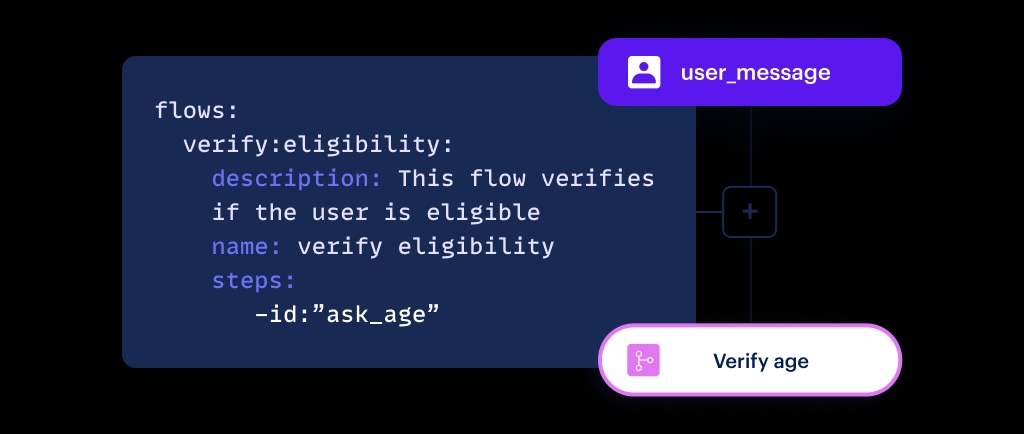
Customer Experience Agent Studio (CX Agent Studio) provides a platform powered by Gemini to rapidly build, evaluate, and deploy personalized conversational agents.
It replaces the former Dialogflow (formerly Api.ai) chatbot building tool, designed to give users ways to interact with digital products by building engaging voice and text-based conversational interfaces powered by AI.
Dialogflow was acquired by Google in 2019.
N/A
ManyChat
Score 7.0 out of 10
N/A
ManyChat headquartered in San Francisco provides their chatbot building platform to deploy Facebook messenger chatbots for support and service.
$10
per month
Rasa
Score 8.4 out of 10
Enterprise companies (1,001+ employees)
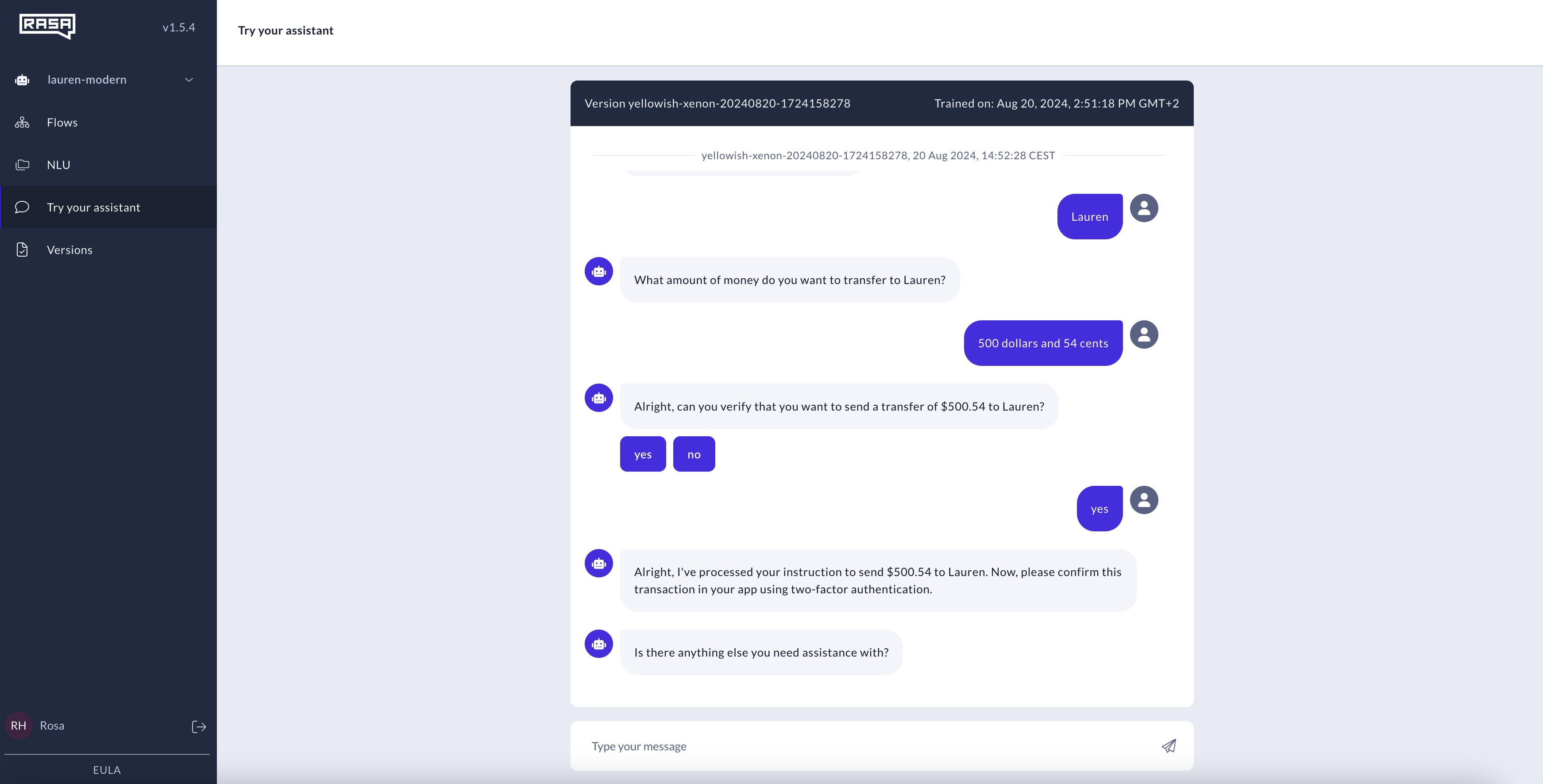
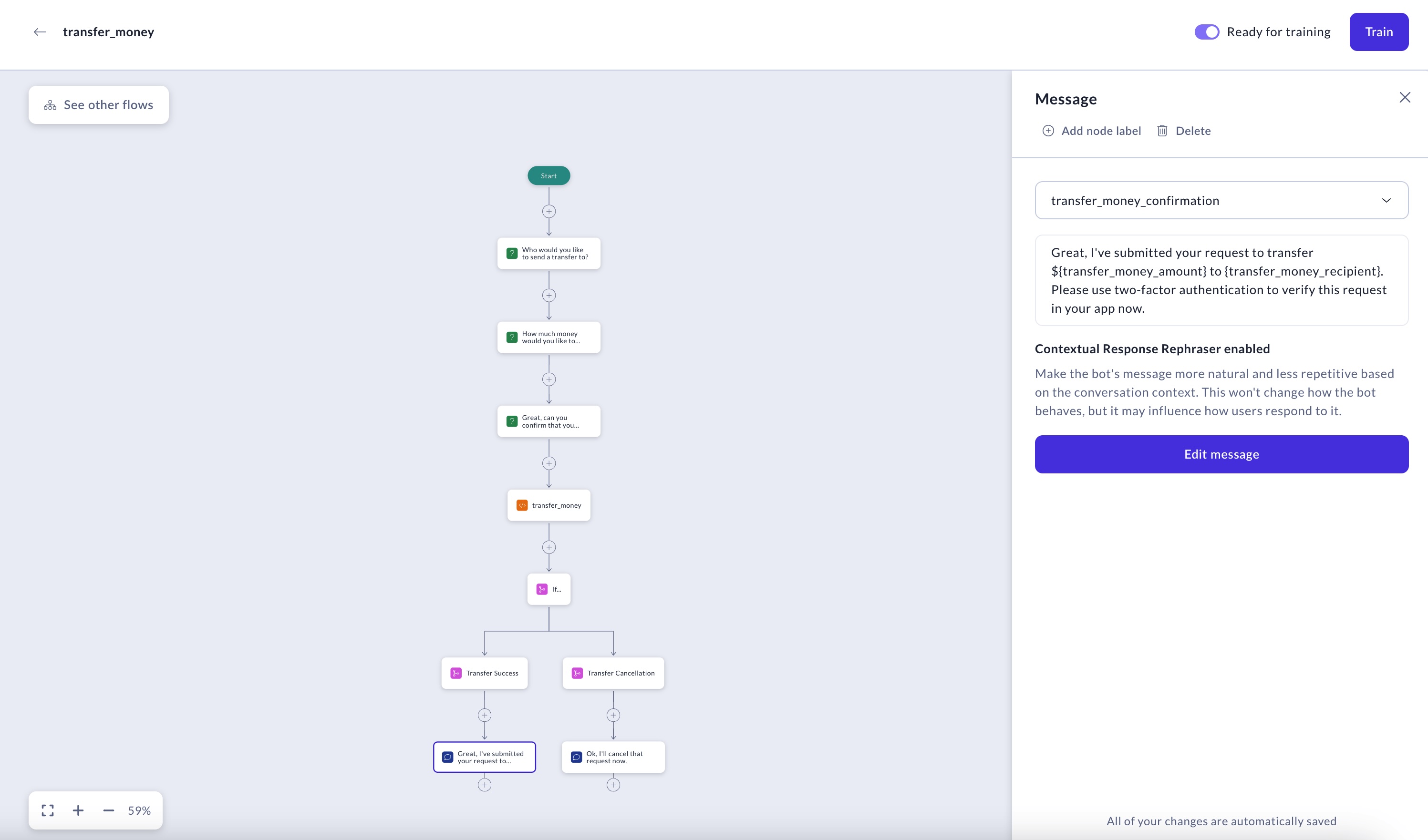
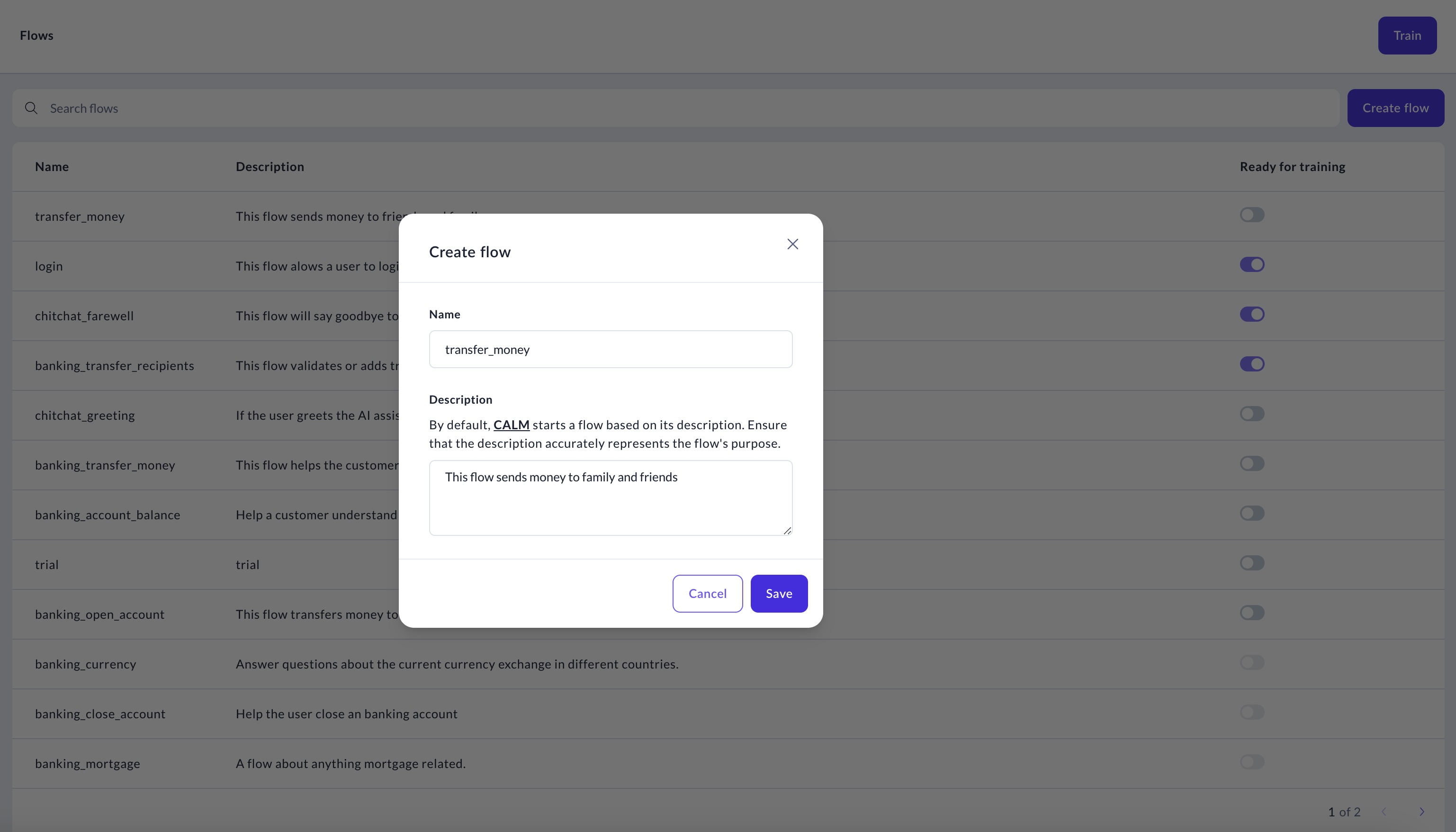
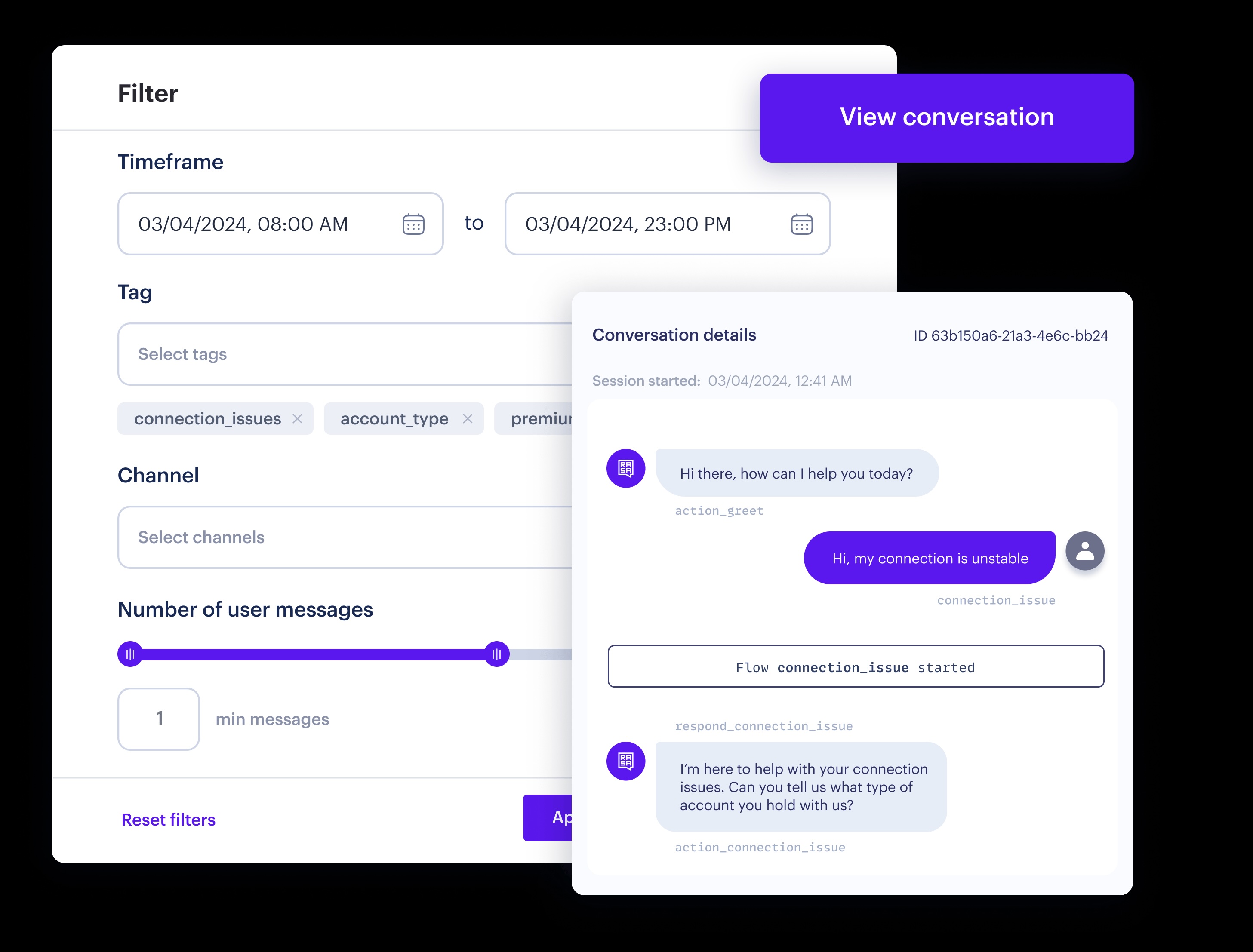
Rasa is a conversational AI platform from the company of the same name headquartered in San Francisco, enabling enterprises to build customer experiences. Rasa’s platform was built to create enterprise-grade virtual assistants, allowing personalized conversations with customers - at scale. Rasa’s conversational AI platform allows companies to build better customer experiences by lowering costs through automation, improving customer satisfaction, and providing a scalable way to gather customer…
$0
Pricing
Google Cloud Customer Experience Agent Studio (CX Agent Studio)
ManyChat
Rasa
Editions & Modules
No answers on this topic
500 Subscribers
$10.00
per month
1,000 Subscribers
$15.00
per month
2,500 Subscribers
$25.00
per month
5,000 Subscribers
$45.00
per month
10,000 Subscribers
$65.00
per month
15,000 Subscribers
$95.00
per month
20,000 Subscribers
$125.00
per month
25,000 Subscribers
$145.00
per month
25,001+ Subscribers
Contact Sales
Developer Edition
$0
Growth
starting at $35k
Enterprise
Contact Sales
Offerings
Pricing Offerings
Google Cloud CX Agent Studio
ManyChat
Rasa
Free Trial
No
No
Yes
Free/Freemium Version
No
No
Yes
Premium Consulting/Integration Services
No
No
Yes
Entry-level Setup Fee
No setup fee
Optional
No setup fee
Additional Details
—
—
—
More Pricing Information
Community Pulse
Google Cloud Customer Experience Agent Studio (CX Agent Studio)
ManyChat
Rasa
User Ratings
Google Cloud Customer Experience Agent Studio (CX Agent Studio)
Google Cloud Customer Experience Agent Studio (CX Agent Studio)
ManyChat
Rasa
Likelihood to Recommend
Google
Indicated for those who have good knowledge of programming and coding in HTML and JSON, that is, it is not suitable for beginners or users without much technical knowledge. It is suitable for those who want to integrate with various platforms, such as Telegram, Webhat, Facebook Messenger, among others. I also recommend it to anyone who needs to create a chatbot in several languages (it is not automatic translation). Recommended to create new projects in CX environment and not in ES.
I found that ManyChat is a strong tool when receiving incoming messages, being able to create a tree of potential responses based on options given to the initiator. There is also a huge potential for complex automation (as long as the environment required by Facebook in order to send outgoing messages is maintained).
Rasa Pro is well suited for corporate use and for chatbots which require backend connections. Smaller chatbots with a few flows might be better served with a simple dialogue engine and custom AI agents, or Rasa Open Source. Rasa does not come with its own complex vector database, just in-memory FAISS and connectors to external vector DB's such as Milvus and Qdrant. It provides only a basic document parser and embedder for FAISS. If you need to build a RAG focused chatbot around a large knowledge base with complex documents, e.g. lots of MS Word or PDF files, you'll have to build a separate document parser and embedder, as well as your own semantic search engine
Honestly, the only thing I don't like about ManyChat is their support. It seems to be almost non existent. However, that concern is negated by having a fantastic user base that helps each other out on Facebook.
Users benefit from Dialogflow's best User Interface and seamless User Experience. It's very scalable, and there are a lot of customization options to make it even more so. Dialogflow makes it simple to deploy, manage, and maintain chatbots. Artificial Intelligence algorithms make chatbots interactive, making it easier for users and chatbots to communicate and understand each other. Overall, it's a good option for those with little programming experience who want to learn Natural Language Processing.
ManyChat is a great tool, provides loads of features, integrations and just saves you a whole load of time once all set up. If you aren't tech-savvy or used to how digital marketing tools work, it can appear complicated. That's how I felt initially 2 years ago, and after watching tutorials online I had a better understanding of it. This is why I rated it a 7, as it's not a tool that you can just play around with and guess how it works. There's definitely a learning curve with it so I recommend doing the free training and watching video tutorials.
With the help of dedicated team - documentation and video resources it is relatively easier to build. We prioritized pro-code usage to begin with launch.
Dialogflow is a wonderful tool that is helping to design customized chatbots. I personally recommend if you wanna know how it's works give it a try with a free APIs call, you'll love this tool
There is room for improvement but frankly, we haven't had the need to request for support. Everything is pretty easy to setup and there are very useful video explanation guides and walkthroughs on ManyChat's YouTube channel. The only challenge we have had was to integrate it with Zapier, it's a bit tricky because you need to do a setup workaround first, but nothing too complicated.
Rasa support has been very responsive, trying to fix any reported issues ASAP. They've also listened to many requests for improvement. The Rasa features and changelog are well documented
There is always use cases for both. We still use the other plattforms but each has its own strengths and weaknesses. We, as a contact center implementation partner always use multiple solutions both for ourselves but also for our customers to meet their needs. In the cases we choose Google Cloud Dialogflow is when we need to be able to handle specific follow-up questions from the customer. And for more complicated issues we also use a combination of this and other 3rd party plattforms. We always meet the need of our customers and as specialist and consultants we give expert advice on how to use all these different solutions in the best way possible.
I've worked in the past with Chatfuel. However, I decided to switch to ManyChat due to a variety of reasons. Overall, ManyChat offers much more functionality out of the box (e.g., Facebook comments tool), sequence builders are much more intuitive. Also, they provide flexible pay as you go pricing plan, which is perfect for a startup like us.
As a partner to multiple contact center plattforms we have always been able to offer Google Cloud Dialogflow along with them because it integrates well with all.
Many businesses want to implement smart ways to have call deflection. Bots that can handle full dialogues with the customer is very intriguing to them because it can fulfill customers requests without using up as many resources
For the intended application, we experienced a negative ROI due to the inconsistency in the ability to maintain the automation without incoming responses. Since it is a free service that was meant to lead to paid services organically, the inconsistencies prevented the desired outcome.
We did experience a higher conversion rate with basic incoming messages with questions about services or products due to the ability to have pre-created responses and direction immediately supporting the prospect.