Gorgias is a Conversational AI platform for ecommerce used to drive sales and resolves support inquiries. Built for Shopify but featuring integrations for WooCommerce, BigCommerce, Magento, and PrestaShop.
$60
per month Up to 350 mothly tickets
Fin by Intercom
Score 8.7 out of 10
N/A
Fin is Intercom’s AI Agent for customer service, designed to deliver high-quality answers, even for complex queries. It works with any helpdesk, or it can be paired with Intercom’s next-generation Helpdesk to get the full Intercom Customer Service Suite.
$0.99
one-time fee per outcome
Salesforce Starter
Score 9.0 out of 10
Small Businesses (1-50 employees)
Salesforce Starter (formerly Salesforce Essentials) is a small business CRM that replaces the former SalesforceIQ product. It is priced at $35 per user, on a monthly basis, or at $25 per month for if billed annually ($300) and can be tried free for 14 days on a trial.
$35
per month per user
Pricing
Gorgias
Fin by Intercom
Salesforce Starter
Editions & Modules
Starter
$10
per month 50 monthly tickets
Basic
$50
per month 300 monthly tickets
Pro
$300
per month 2,000 monthly tickets
Advanced
$750
per month 5,000 monthly tickets
Enterprise
Custom Pricing
Custom ticket volume
Fin with your current helpdesk
$0.99
one-time fee per outcome
Copilot add-on
$35
per month per user
Pro
$99
per month For analysis of 1,000 conversations
Fin with Intercom’s Helpdesk
from $39 + $0.99 per Fin outcome
per month per seat
No answers on this topic
Offerings
Pricing Offerings
Gorgias
Fin by Intercom
Salesforce Starter
Free Trial
Yes
Yes
Yes
Free/Freemium Version
No
No
No
Premium Consulting/Integration Services
No
No
Yes
Entry-level Setup Fee
No setup fee
No setup fee
No setup fee
Additional Details
Discount available for annual billing. Additional cost for automated ticket handling.
Fin comes with a 90-day money-back guarantee. Here's how it works:
Intercom states that users who sign up for the Fin Guarantee Success Program and do not achieve at least a resolution rate of 65% will be paid $1M. This program is designed for high volume customers.
Eligibility criteria:
High volume customers (over 250k monthly conversions) in North America and Europe. Intercom states that phase one of this program will admit customers on Intercom Helpdesk or Zendesk.
I implemented Zendesk at a previous organization where we actually moved away from Intercom. I greatly preferred Intercom for functionality, ease of use, and even reliability for our websites and in-platform live chat widget. We moved to ZenDesk to have a streamlined …
I can say that Intercom is at the top of the "tool chain", if there's one. I can't think of anything that makes me want to regret Intercom. All I can say about this tool is praises and gratitude as it really helped us a lot, more than you can imagine.
pretty same, but they win on the pricing and features with their omni channel service. Their bot features comes a bit handy and very economic. Intercom should rework on their pricing it could attract a lot of new users. Intercom is best for us as it's UI is very seamless.
Gorgias is one of the easiest platforms I've used, as it was easy to navigate. You can customize your views so you can easily track them. The shared views are also specific and convenient. The search button is also one thing I like, as it easily shows what you're looking for with just keywords, email addresses, or any information.
It's excellent when users often have trouble understanding certain aspects of your product, so you don't have to manually share the same information every time. It's less appropriate if your user problems are user-specific, as then you probably don't have every expected case covered in your documentation, which then requires Fin to have access to your codebase, at which point you might want to consider building your own agent.
If you own a business that has complex selling processes or requires integrations with 3rd party tools/systems, you should look at Professional, Enterprise, or Unlimited editions. Salesforce operates very well across pretty much every industry, but not all sales, marketing, and operational processes are created equal. If your marketing process requires a long list of sendable contacts then I would recommend adding on Pardot or Hubspot. Always start small and scale up, to avoid boxing yourself in down the road.
Tagging- the tagging system was a great way to stay organized.
Rules- when you have 49 inboxes implementing rules on when to fire a macro or auto tag is necessary and Gorgias’ UI was easy to understand and execute.
Integrations- I had to integrate with dozens of inboxes many times using aliases and most of the time Gorgias was able to help.
It seems some users really struggle to figure out how to escalate to a human (especially through email).
Not excited about how "soft" resolutions still count as resolutions and are paid for. Though some abandoned cases appear to be able to be concluded as "the user got the answer they needed", there are others where they clearly didn't, because they just open up another chat (or even more), trying to get more info. This pads the resolution stats and makes it seem more effective than it actually is.
Cost -- Fin is quite expensive. It helps us with scaling coverage, but we're not really saving money.
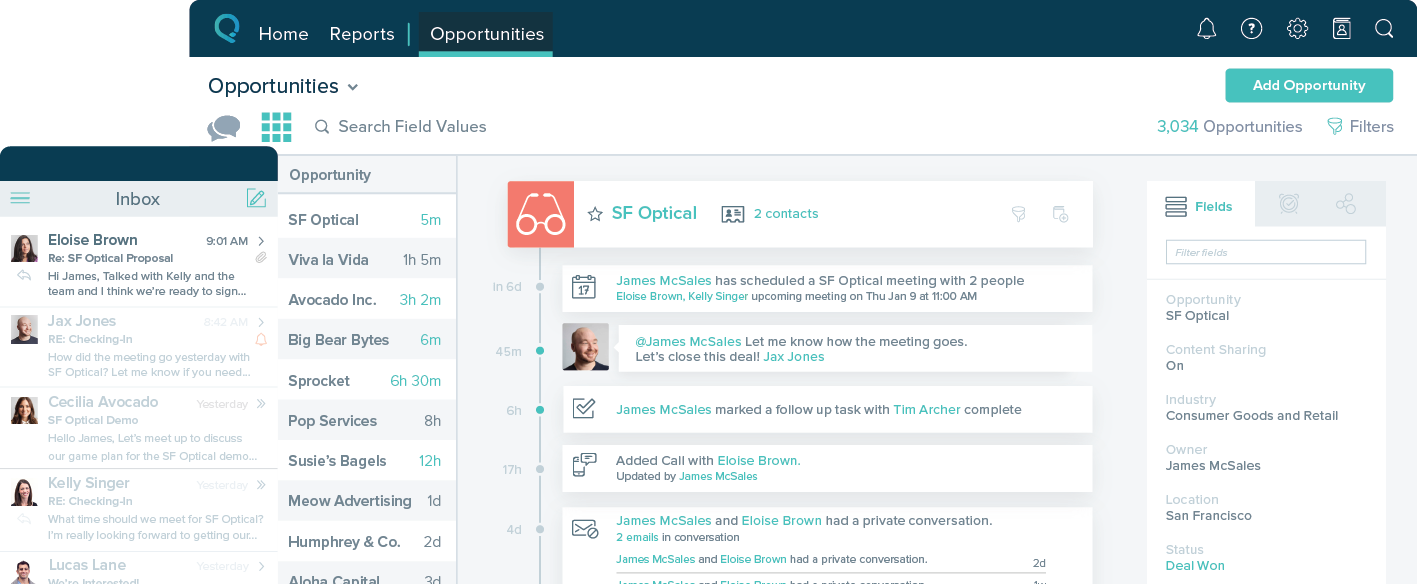
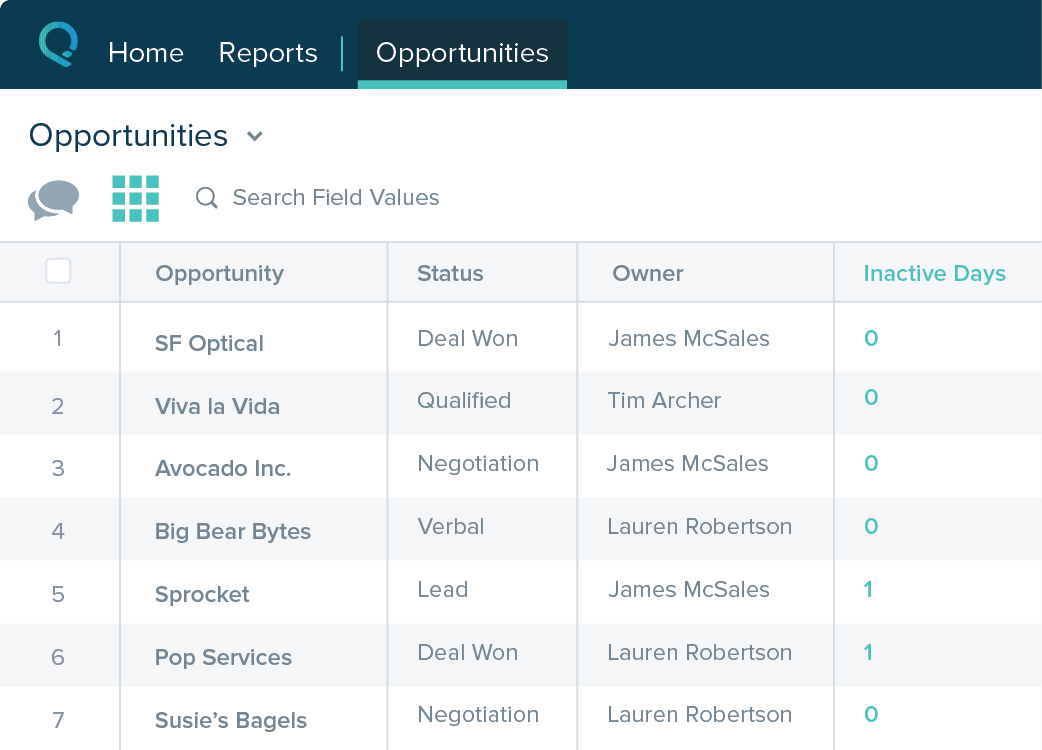
Table views can be sorted by column. Filters can be applied, but only to one column. Multi-column filtering like Excel allows would be extremely useful and a big improvement.
The ability to quick copy data in a table view would also be helpful, like (ctrl ') in excel.
We have been and will be continuing our journey with Intercom and nothing too concerning has happened that I have experienced or heard of that has us on the edge yet. If it ever happens it will be something along the lines of "Outgrowing" the use of need of the platform.
Gorgias is still by far most the most complete customer service tool to handle multiple responses and channels at a single umbrella without the needs of opening multiple tabs and sometimes will even make us missed some messages what supposed to be taken care of at a timely manner
FIN is easy to set up and pretty quick to get everything the way you need (some things could be handled better), and you can preview how it's going to work before it's available to everyone. Since you can use FIN on multiple channels, you can save a lot of time by not having your team work on multiple chat platforms as well.
The system is very user-friendly on a desktop but lacks mobile friendliness. The Customer relationship manager disappears after the deal is signed. We struggled to get the system in a usable format, which was not cost-effective. The CRM system on desktop was great but way more complicated than it should be.
I can get help by asking Fin questions about itself. It answers accurately, citing its own Help Center resources with visuals. It can reason and dialogue well. But when it comes to getting human support for Fin, it is not as quick. It can sometimes take a few days. They are polite and well-meaning. Some things aren't their fault (product limitations), but there was one occasion where something took a long time to resolve with lots of back and forth but it was I who found out the error in the end that they missed, so they didn't really help resolve it.
We selected Gorgias from Zendesk based on its Shopify integration. Given how many stores we were managing the team needed to quickly find all of a customer's information in an email. We preferred it to Zendesk. However, now that I use intercom I have many more features such as surveys, topics, extensive reporting, auto tags, and series I prefer intercom for my work now
There are so many AI platforms available, and you could theoretically build a system using the available AI API's from any of the big platforms. However, I dont think it's as easy as this. Intercom is deliberately built for customer service, the features they are releasing a based on providing the best customer experience. If we were to build this ourselves or to use another platform we would be taking on the upkeep, using Fin is just much simpler as it's also our chosen ticketing platform so anything that Fin is not able to answer yet and escalated directly to our team with no extra effort required from our side.
New role opportunities — Using the “Fin-first” approach has reduced the workload for our Tier 1 team, giving them more time to focus on their own career growth. It’s also opened the door to a dedicated, AI-focused role, where a team member regularly reviews Fin’s answers and makes updates to help it perform even better.
Enabling Fin has also reduced our response time and allowed us to meet SLA's.