
Eric Bahme
Marketing Campaign Manager
Chose HCL Unica
The Salesforce application can handle simple campaigns but I wasn’t convinced that I could handle medium to more complex campaigns that involved detailed changing data.

| Product | Rating | Most Used By | Product Summary | Starting Price |
|---|---|---|---|---|
 HCL Unica | N/A | HCL Unica is available as a cloud or on-premise solution that provides fully integrated marketing automation software for enterprise. It includes enterprise marketing automation tools that optimize marketing activities, to ensure excellent customer experiences and data privacy. | N/A | |
 mParticle | N/A | The mParticle customer data platform supports data collection from a wide variety of sources and provides standardization, cleansing and deduping, and tags, as well as data enrichment via scoring, contextual or behavioral data, as well as segmentation and customer profile management. | N/A | |
 Treasure AI | Mid-Size Companies (51-1,000 employees) | Treasure AI is an enterprise customer data platform (CDP) that reclaims customer-centricity in the age of the digital customer. It does this by connecting all data and uniting teams and systems into one customer data platform to power purposeful engagements. | N/A |
| HCL Unica | mParticle | Treasure AI | ||||||||||||||||||||||
|---|---|---|---|---|---|---|---|---|---|---|---|---|---|---|---|---|---|---|---|---|---|---|---|---|
| Editions & Modules | No answers on this topic | No answers on this topic | No answers on this topic | |||||||||||||||||||||
| Offerings |
| |||||||||||||||||||||||
| Entry-level Setup Fee | Optional | No setup fee | Optional | |||||||||||||||||||||
| Additional Details | — | — | — | |||||||||||||||||||||
| More Pricing Information | ||||||||||||||||||||||||
| HCL Unica | mParticle | Treasure AI | |
|---|---|---|---|
| Considered Multiple Products |  HCL Unica Eric Bahme Marketing Campaign Manager Chose HCL Unica The Salesforce application can handle simple campaigns but I wasn’t convinced that I could handle medium to more complex campaigns that involved detailed changing data.  Gabriel Racine Analyste CRM & gestion de contacts Chose HCL Unica The contact history and the response history are so powerful. You can track whatever you want to help the call center to push relevant offers to our customer. In addition, predictive models can be built, with patience, in IBM Campaign. If you have some complaints from the call …  Tim Biddiscombe Principal Consultant Chose HCL Unica Against all the other applications, IBM EMM stands head and shoulders above the others, in terms of sophistication & diverse capabilities - with Neolane being the closest.  Brent Banning Most recently Senior Client Services Manager & Client Services Team Leader Chose HCL Unica It's been a market leader within this space for over 10 years, it has a high ability to execute time and time again. Against it's competitors it has been tried and proven to been robust but flexible within reason to allow adaptations that will not break the system. Can be …  Justin Russell Marketing Unica Database Administrator Chose HCL Unica We haven't had a chance to review other products. I went to a conference in Las Vegas where there were many other products that say Unica is old school. Some of the things I saw those companies do, I wish we could do in Unica. | mParticle  Partha Sarma Senior Data Analyst Chose mParticle I have not evaluated or used other products like mParticle  Mark Gibaud CTO (Chief Technical Officer) Chose mParticle vs Segment, mParticle seems a bit fresher (more recently founded) and a better mobile app focus. |  Treasure AI  Sachin Hiray VP - Insights & Data Chose Treasure AI Tealium AudienceStream  Matthew Knapp Director, Data Chose Treasure AI We selected Treasure Data because we felt they were the best fit for a publisher as diversified as Penske. Because we have so many lines of business and integrated systems, we needed a product that had an extensible framework and was not tied to concrete workflows.  Leonardo Christofoli Senior Data Engineer Chose Treasure AI Treasure Data has much better technical support and contract flexibility.  동윤 서 Data Analyst Chose Treasure AI I can refine customer behavior more than Google Ananlytics or see it without aggregation errors.  Anderson Pelegrini Data engineer Chose Treasure AI I haven't used other products, just a few features from Treasure Data, like treasure insights.  Charles Pich Vice President, Analytics Chose Treasure AI Segment and Tealium AudienceStream  Susmita Guha Application Development Senior Analyst Chose Treasure AI There is a limited amount of human resource in the market who has knowledge in CDP. Treasure Data is simple and easy to navigate so that a newbie might find it easy to grasp its working concepts and initiate performing on the same. Whereas Tealium is more suited for a person … |
| HCL Unica | mParticle | Treasure AI | |
|---|---|---|---|
| Small Businesses |  Vbout Score 9.9 out of 10 |  Bloomreach Score 9.1 out of 10 | Bloomreach Score 9.1 out of 10 |
| Medium-sized Companies |  PFL Direct Mail Platform Score 9.0 out of 10 | Bloomreach Score 9.1 out of 10 | Bloomreach Score 9.1 out of 10 |
| Enterprises | PFL Direct Mail Platform Score 9.0 out of 10 | Bloomreach Score 9.1 out of 10 | Bloomreach Score 9.1 out of 10 |
| All Alternatives | View all alternatives | View all alternatives | View all alternatives |
| HCL Unica | mParticle | Treasure AI | |
|---|---|---|---|
| Likelihood to Recommend | 9.0 (0 ratings) | 6.8 (0 ratings) | 9.0 (0 ratings) |
| Likelihood to Renew | 8.7 (0 ratings) | 5.5 (0 ratings) | 9.1 (0 ratings) |
| Usability | 8.0 (0 ratings) | - (0 ratings) | 8.0 (0 ratings) |
| Availability | - (0 ratings) | - (0 ratings) | 9.1 (0 ratings) |
| Performance | - (0 ratings) | - (0 ratings) | 8.2 (0 ratings) |
| Support Rating | 3.0 (0 ratings) | 8.0 (0 ratings) | 8.2 (0 ratings) |
| In-Person Training | - (0 ratings) | - (0 ratings) | 6.4 (0 ratings) |
| Online Training | - (0 ratings) | - (0 ratings) | 7.3 (0 ratings) |
| Implementation Rating | 7.2 (0 ratings) | - (0 ratings) | 6.4 (0 ratings) |
| Configurability | - (0 ratings) | - (0 ratings) | 7.3 (0 ratings) |
| Ease of integration | - (0 ratings) | - (0 ratings) | 9.1 (0 ratings) |
| Product Scalability | - (0 ratings) | - (0 ratings) | 9.1 (0 ratings) |
| Vendor post-sale | - (0 ratings) | - (0 ratings) | 7.3 (0 ratings) |
| Vendor pre-sale | - (0 ratings) | - (0 ratings) | 7.4 (0 ratings) |
| HCL Unica | mParticle | Treasure AI | |
|---|---|---|---|
| Likelihood to Recommend |
Tim Biddiscombe Principal Consultant |
🚀 Mark Gibaud CTO (Chief Technical Officer) |
|
| Pros |
|
|
 나영 김 Frontend Developer |
| Cons |
|
|
|
| Likelihood to Renew |
|
Partha Sarma Senior Data Analyst |
Anderson Pelegrini Data engineer |
| Usability |
| No answers on this topic |
|
| Reliability and Availability | No answers on this topic | No answers on this topic |
Anderson Pelegrini Data engineer |
| Performance | No answers on this topic | No answers on this topic |
Anderson Pelegrini Data engineer |
| Support Rating |
|
|
|
| In-Person Training | No answers on this topic | No answers on this topic |
Anderson Pelegrini Data engineer |
| Online Training | No answers on this topic | No answers on this topic |
Anderson Pelegrini Data engineer |
| Implementation Rating |
| No answers on this topic |
|
| Alternatives Considered |
Gabriel Racine Analyste CRM & gestion de contacts |
|
|
| Scalability | No answers on this topic | No answers on this topic |
Anderson Pelegrini Data engineer |
| Return on Investment |
Eric Bahme Marketing Campaign Manager |
|
|
| ScreenShots | HCL Unica Screenshots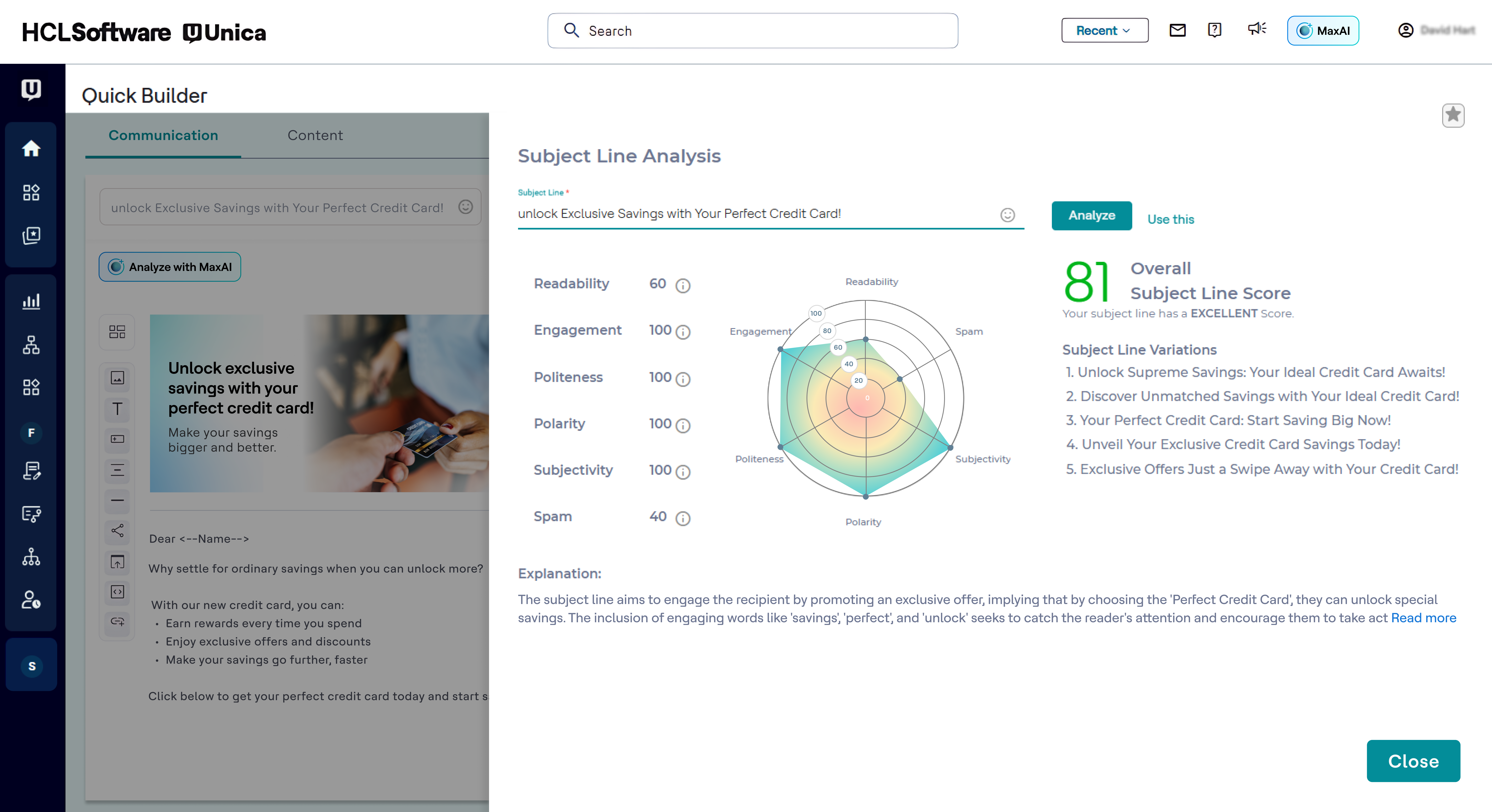 | Treasure AI Screenshots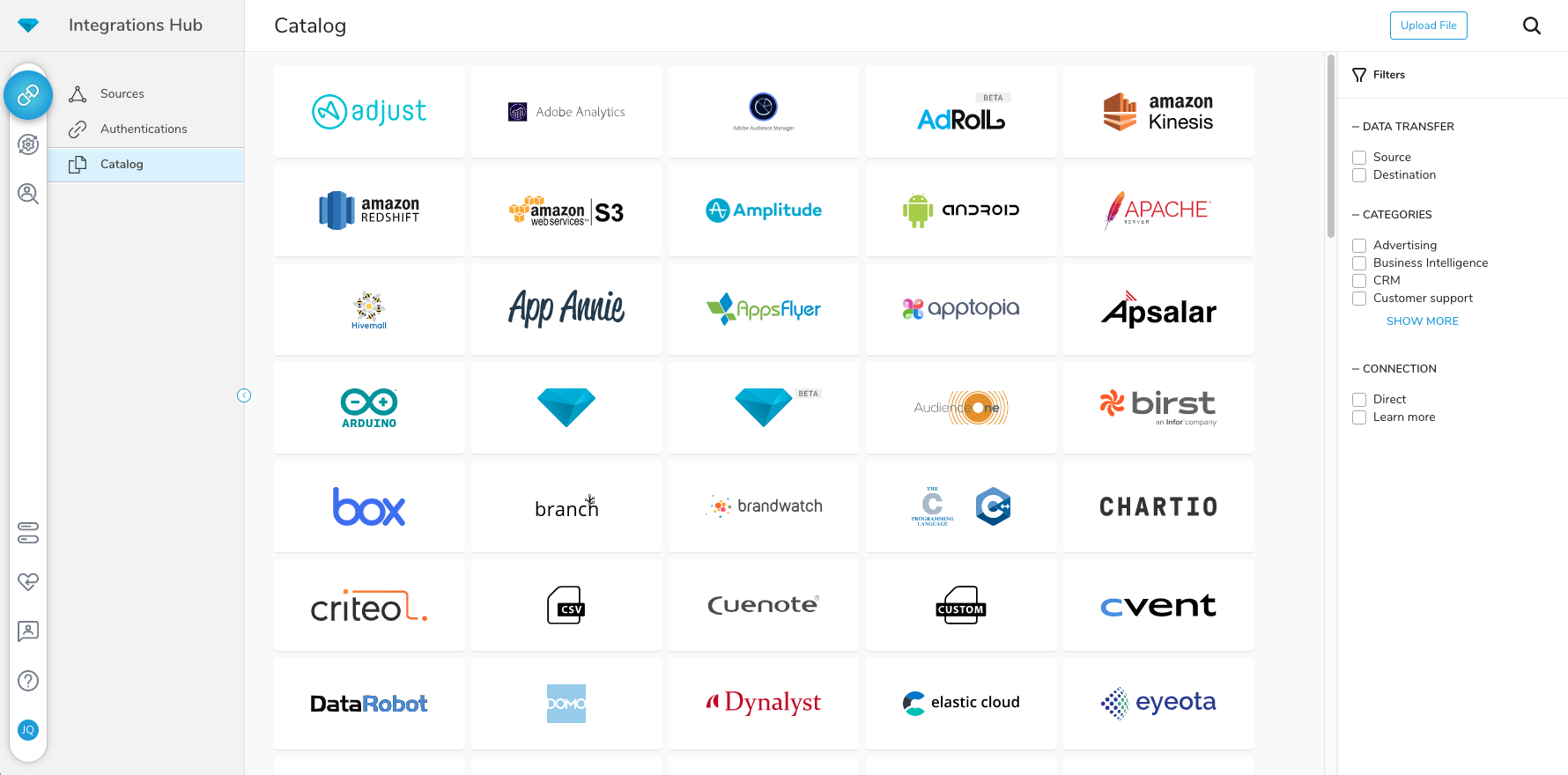  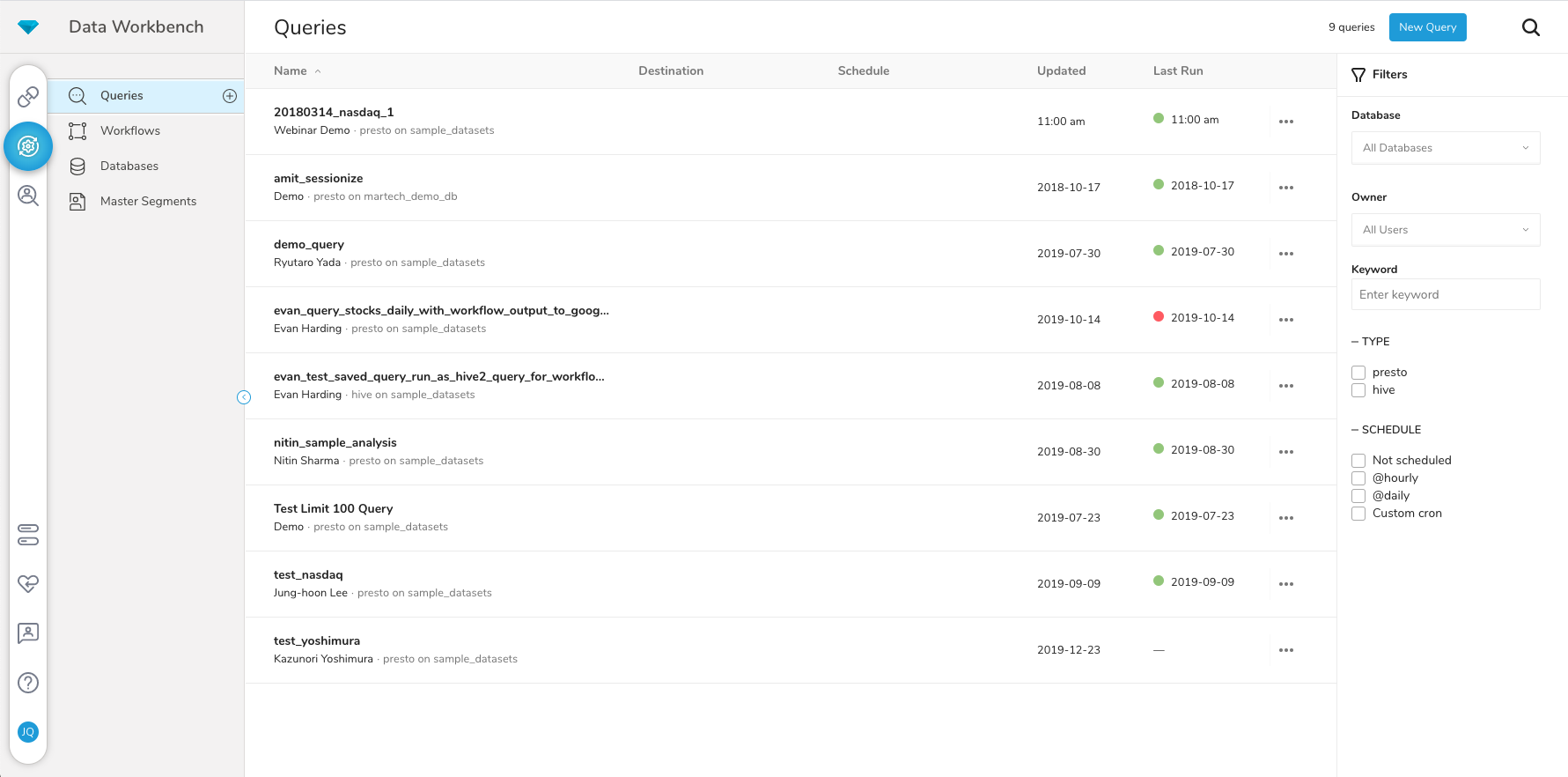 |