Chose Fin by Intercom
None, not involved in decision making process.

| Product | Rating | Most Used By | Product Summary | Starting Price |
|---|---|---|---|---|
 Fin by Intercom | N/A | Fin is Intercom’s AI Agent for customer service, designed to deliver high-quality answers, even for complex queries. It works with any helpdesk, or it can be paired with Intercom’s next-generation Helpdesk to get the full Intercom Customer Service Suite. | $0.99 one-time fee per outcome | |
 Jira Service Management | N/A | Jira Service Management (formerly Jira Service Desk, now including features from the former Mindville Insight, acquired by Atlassian in June 2020) is a service desk software that is purpose-built for IT, service, and support teams. The software provides everything IT and support teams need out-of-the-box for service request, incident, problem and change management. Jira Service Management integrates seamlessly with Jira Software so that IT and development teams can work better together. Users… | $0 per month |
| Fin by Intercom | Jira Service Management | |||||||||||||||
|---|---|---|---|---|---|---|---|---|---|---|---|---|---|---|---|---|
| Editions & Modules |
|
| ||||||||||||||
| Offerings |
| |||||||||||||||
| Entry-level Setup Fee | No setup fee | No setup fee | ||||||||||||||
| Additional Details | Fin comes with a 90-day money-back guarantee. Here's how it works: Intercom states that users who sign up for the Fin Guarantee Success Program and do not achieve at least a resolution rate of 65% will be paid $1M. This program is designed for high volume customers. Eligibility criteria: High volume customers (over 250k monthly conversions) in North America and Europe. Intercom states that phase one of this program will admit customers on Intercom Helpdesk or Zendesk. | — | ||||||||||||||
| More Pricing Information | ||||||||||||||||
| Fin by Intercom | Jira Service Management | |
|---|---|---|
| Considered Both Products |  Fin by Intercom  TJ Ruff Customer Success - Sales Leadership Chose Fin by Intercom Compared to most of the competitive market, Intercom seems to be the most human/personable approach to customer success, customer service, and technical support. The alternatives are primarily built on an archaic approach - "take a ticket and wait in line" - that we worried … |  Jira Service Management  Claudio Fernando Maciel Sr. Software Developer Chose Jira Service Management Jira is the full-fledged task, bug and issue management tool. One can have his way with other tools, but there is going to have to be a whole lot of compromising. With Jira, one does not need to compromise, for as soon as its learning curve is achieved, one can have all he … |
| Fin by Intercom | Jira Service Management | ||||||||||||||||||||||||
|---|---|---|---|---|---|---|---|---|---|---|---|---|---|---|---|---|---|---|---|---|---|---|---|---|---|
| Incident and problem management |
| ||||||||||||||||||||||||
| ITSM asset management |
| ||||||||||||||||||||||||
| Change management |
|
| Fin by Intercom | Jira Service Management | |
|---|---|---|
| Small Businesses |  LocaliQ Score 8.8 out of 10 |  Agiloft Service Desk (discontinued) Score 9.0 out of 10 |
| Medium-sized Companies |  Piper the AI SDR by Qualified Score 9.2 out of 10 | Agiloft Service Desk (discontinued) Score 9.0 out of 10 |
| Enterprises |  Conversica Score 4.0 out of 10 |  ManageEngine ServiceDesk Plus Score 9.3 out of 10 |
| All Alternatives | View all alternatives | View all alternatives |
| Fin by Intercom | Jira Service Management | |
|---|---|---|
| Likelihood to Recommend | 8.7 (384 ratings) | 7.9 (85 ratings) |
| Likelihood to Renew | 10.0 (21 ratings) | 10.0 (1 ratings) |
| Usability | 8.7 (294 ratings) | 8.3 (10 ratings) |
| Availability | 9.1 (1 ratings) | - (0 ratings) |
| Performance | 9.1 (1 ratings) | - (0 ratings) |
| Support Rating | 5.8 (10 ratings) | 9.1 (25 ratings) |
| Online Training | 7.4 (2 ratings) | - (0 ratings) |
| Implementation Rating | 6.6 (5 ratings) | - (0 ratings) |
| Product Scalability | 9.1 (1 ratings) | - (0 ratings) |
| Fin by Intercom | Jira Service Management | |
|---|---|---|
| Likelihood to Recommend | Intercom
| Atlassian
|
| Pros | Intercom
| Atlassian
|
| Cons | Intercom
| Atlassian
|
| Likelihood to Renew | Intercom
| Atlassian
 Chinthaka Jayawardane Head-Senior Manager - Global IT Operations |
| Usability | Intercom
| Atlassian
|
| Reliability and Availability | Intercom
| Atlassian No answers on this topic |
| Performance | Intercom
| Atlassian No answers on this topic |
| Support Rating | Intercom
| Atlassian
|
| Online Training | Intercom
| Atlassian No answers on this topic |
| Implementation Rating | Intercom
| Atlassian No answers on this topic |
| Alternatives Considered | Intercom
| Atlassian
 Gary Smolyak Development Operations Systems Administrator |
| Return on Investment | Intercom
| Atlassian
|
| ScreenShots | Fin by Intercom Screenshots     | Jira Service Management Screenshots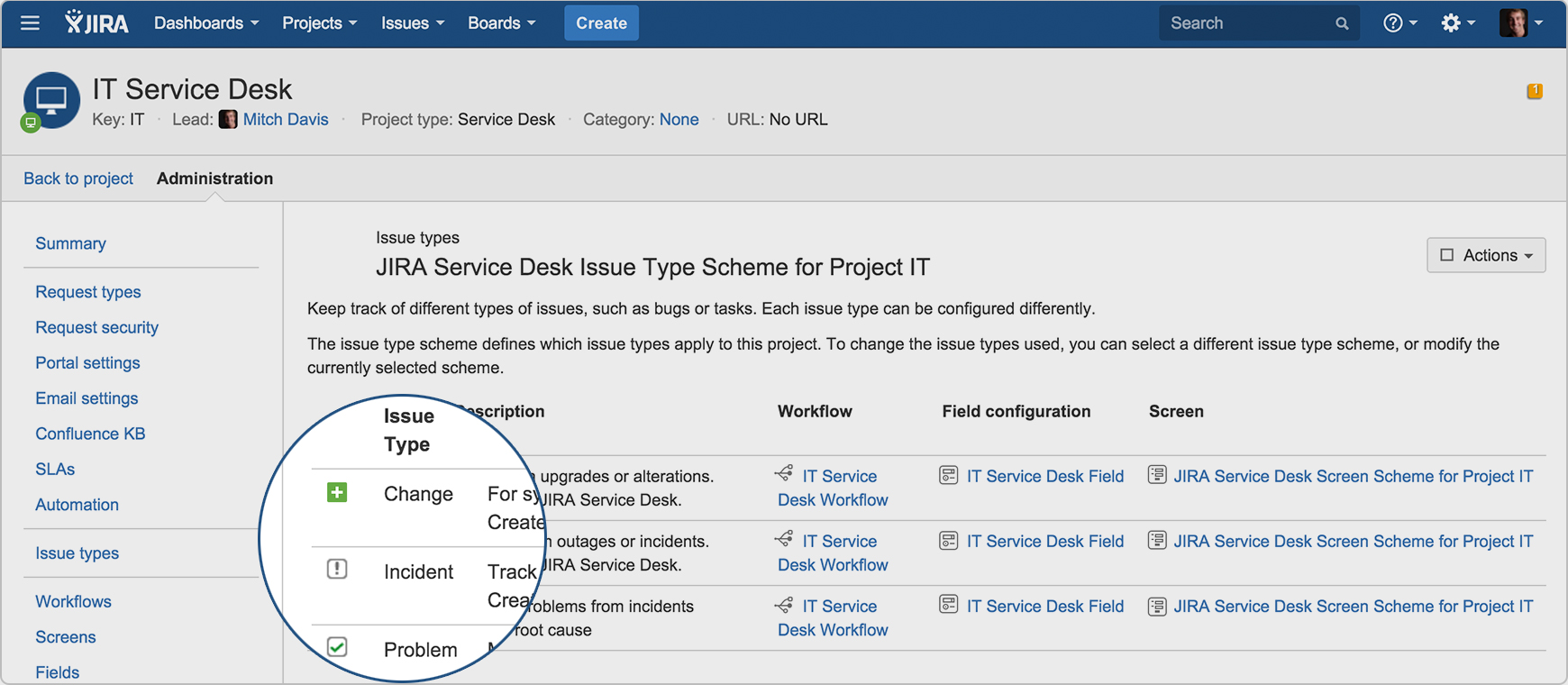  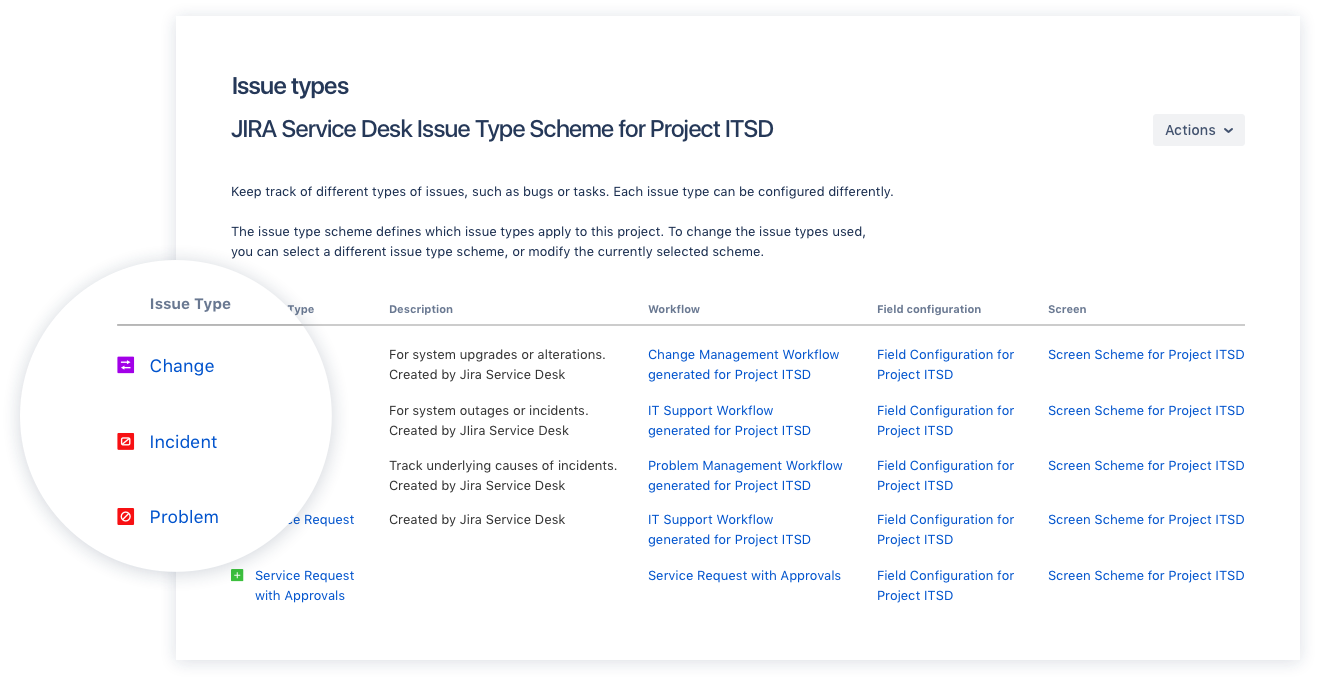  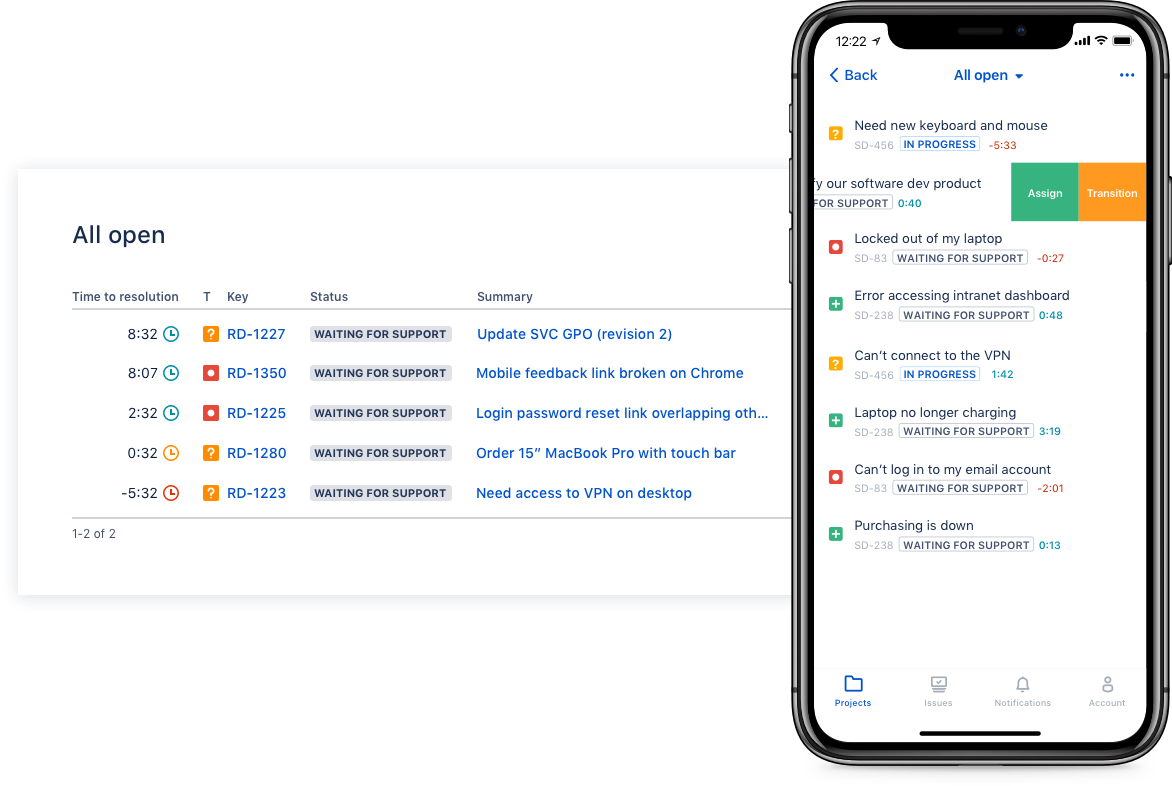  |