
Debbie Pyykkonen, MBA
Director of Business Analytics
Chose QlikView

| Product | Rating | Most Used By | Product Summary | Starting Price |
|---|---|---|---|---|
 QlikView | N/A | QlikView® is Qlik®’s original BI offering designed primarily for shared business intelligence reports and data visualizations. It offers guided exploration and discovery, collaborative analytics for sharing insight, and agile development and deployment. | N/A | |
 SAS Visual Analytics | Enterprise companies (1,001+ employees) | SAS Visual Analytics provides a complete platform for analytics visualization, enabling users to identify patterns and relationships in data that weren't initially evident. Interactive, self-service BI and reporting capabilities are combined with out-of-the-box advanced analytics so everyone can discover insights from any size and type of data, including text. | $0 Annual By Users: 5, 10, 20 | |
 Tableau Desktop | N/A | Tableau Desktop is a data visualization product from Tableau. It connects to a variety of data sources for combining disparate data sources without coding. It provides tools for discovering patterns and insights, data calculations, forecasts, and statistical summaries and visual storytelling. | $1,380 per year (purchased via a Creator license) |
| QlikView | SAS Visual Analytics | Tableau Desktop | ||||||||||||||||||||||
|---|---|---|---|---|---|---|---|---|---|---|---|---|---|---|---|---|---|---|---|---|---|---|---|---|
| Editions & Modules |
|
|
| |||||||||||||||||||||
| Offerings |
| |||||||||||||||||||||||
| Entry-level Setup Fee | Optional | No setup fee | No setup fee | |||||||||||||||||||||
| Additional Details | On an perpetual license basis, based on server plus number of users. Contact vendor for pricing. | SAS Visual Statistics and SAS Office Analytics are also available as add-ons. | All pricing plans are billed annually. A Creator license includes Tableau Desktop, Tableau Prep Builder, and Tableau Pulse. Discounts sometimes available for volume. | |||||||||||||||||||||
| More Pricing Information | ||||||||||||||||||||||||
| QlikView | SAS Visual Analytics | Tableau Desktop | |
|---|---|---|---|
| Considered Multiple Products |  QlikView Debbie Pyykkonen, MBA Director of Business Analytics Chose QlikView  Dr. Petri Vitiello Manager Chose QlikView Tableau is aesthetically interactive. QV is easier to customise and the set analysis is very powerful  Chin Uba (MBA, MSc, MCITP, MCSE) IT Division Manager Chose QlikView I have used Microsoft BI, Tableau Desktop and currently playing with SAP BO. Don't get me wrong, QlikView has its place in the SME space but still needs work done on the user interface, licensing and ability to handle macros.  Melinda Patience Analyst Chose QlikView QlikView has a simpler interface and is easier to use, however, the graphics aren't as crisp and modern as Tableau's.  Jake Tolbert Director of Development - Data Services Chose QlikView Tableau and Qlik Sense are a lot prettier and easier to use than QlikView. They also cost a LOT more. If you've got the budget, I'd consider going with one of those solutions. However, departments that don't have the budget to support tools like those need usable solutions as …  Yemsi Pino Planificador Territorial II Chose QlikView The first thing we liked about QlikView was the price. For a small amount per user, I can have a very useful software to manage the whole data set our company uses. The Tableau Desktop has very high pricing for the software, and for just one user, not the whole organization. …  Mark McHenry Marketing Chose QlikView  Nestor Ramirez Strategic Technical Director Chose QlikView Qlik was less intuitive than Paxata, but less expensive than either microstrategy or PowerBI. Qlik has enough breadth to accommodate most use cases without breaking the bank.  Jason Xiao Senior Analyst, Fraud Data Science & Analytics Chose QlikView QlikView is cost-efficient and has a free desktop version to try out the different functions of it before you make the purchase decision.  Gurcan Orhan Data Quality Management Software Development Manager Chose QlikView QlikView was already chosen and implemented before I started [to work here], but it is very easy to learn (for me) and I started to solve problems within a day or two.  Oleg Troyansky President Chose QlikView I worked and played with several BI tools in my careers. Some were easier to learn than others. With QlikView, I instantly fell in love, and I'm still in love after 12 years of using the product. The most common feedback that I get from my users is: "This is the best thing I've …  Suzan Liu Customer Success Manager Chose QlikView We evaluated a lot of other products in the magic quadrant but primarily compared QV against Tableau. We initially wanted to go with Tableau because it was cheaper and a simpler product to learn and use but frankly, their sales person was horrible and was not willing to work … |  SAS Visual Analytics |  Tableau Desktop  Alexander Lubyansky Technical Leader for Modeling and Simulation Chose Tableau Desktop Excel is almost as good as Tableau. If you have a few thousand floating around just spring for the Tableau. QlikView is an abomination. Not much else to say there. SAS and friends are like ye olde-timey versions of Tableau in terms of their visualization abilities. Python, R, …  Tom Bertolino Product Development Chose Tableau Desktop  Phillip Smith Sr. Financial Analyst (Finance Manager) Chose Tableau Desktop  Agni G Research Assistant Chose Tableau Desktop If any changes had to be made to existing visualizations when we used QlikView, a lot of security constraints existed and I had to run to the IT team for every change I had to implement.
Tableau gives easy security change rights to the developer environment.  Chandra Bhanu Pratap Singh BI Developer Chose Tableau Desktop 1. As compared to SAP Business Objects, Tableau is very easy to use and quick in terms of implementation. Although SAP BO is reporting tool but both tool servers different purposes. SAP BO is a huge enterprises tool used mainly for creating large tabular reports while Tableau …  Jannika Rasi Senior Business Analyst Chose Tableau Desktop Tableau is more flexible than these - I liked QlikView old version a lot but have not used the Qlik Sense etc new ones. Tableau user logic is harder to understand than Looker Studio. However it's more trust worthy. Connecting internet sources to Tableau Desktop is much harder. …  Pusshpendar Kumaarr Project Manager Scrum Master Chose Tableau Desktop Because of the product's capability, user interaction, and available free online training, Tableau Desktop has become leader in the data visualization segment. The reason we selected Tableau Desktop is our large data sets and need for a tool that is flexible enough to suit this …  Akshaya Bhardwaj Consultant Chose Tableau Desktop It is very easy to use, we can create numbers of charts through it which I think other tools lack in. Lots of online communities are there which have provided solutions to the basic issues. Its ODS(output delivery system) is also very effective. We can use SQL in it for …  sanjeev pandey Software Engineer Chose Tableau Desktop In tableau you can achieve things really quickly and it has the power to show you insight data very easily. Tableau is also economical in comparison to what these tools cost. It's a full value tool.  David Shi Technical Business Analyst Chose Tableau Desktop Tableau is clearly the most intuitive and best looking product out of the box. Whereas other competitors appear to be playing catch up with Tableau. It also has the biggest online community which enables new users to become proficient in this application very quickly. It also …  Ravi Ada System Architect Chose Tableau Desktop User experience wise Tableau is hands down the winner.  Danish Ali Ahmad BI Specialist III Chose Tableau Desktop Ease of use, user friendly. The user finds it easy to work with and started creating things from day 1.  Mashhood Syed BI Analyst Chose Tableau Desktop I have used SSRS, Crystal Reports, Microsoft Excel, and Business Objects. Tableau offers more functionality than the rest and is pretty intuitive. I think SSRS is the easiest to use. Query speed is excellent with SSRS (at least when you are connected to SQL Server). Microsoft …  Majd Izadian (majd.izadian@zendeux.com) Managing Partner & CEO - Big Data, MDM, Data Quality Chose Tableau Desktop QlikView, Business Objects  Prafulla Kharwadey Senior BI Consultant Chose Tableau Desktop We use tableau to see the feasibility for a client requirement. I rank it better |
| QlikView | SAS Visual Analytics | Tableau Desktop | |||||||||||||||||||||||||||
|---|---|---|---|---|---|---|---|---|---|---|---|---|---|---|---|---|---|---|---|---|---|---|---|---|---|---|---|---|---|
| BI Standard Reporting |
| ||||||||||||||||||||||||||||
| Ad-hoc Reporting |
| ||||||||||||||||||||||||||||
| Report Output and Scheduling |
| ||||||||||||||||||||||||||||
| Data Discovery and Visualization |
| ||||||||||||||||||||||||||||
| Access Control and Security |
| ||||||||||||||||||||||||||||
| Mobile Capabilities |
| ||||||||||||||||||||||||||||
| Application Program Interfaces (APIs) / Embedding |
|
| QlikView | SAS Visual Analytics | Tableau Desktop | |
|---|---|---|---|
| Small Businesses |  Yellowfin Score 8.7 out of 10 | Yellowfin Score 8.7 out of 10 | Yellowfin Score 8.7 out of 10 |
| Medium-sized Companies |  Reveal Score 10.0 out of 10 | Reveal Score 10.0 out of 10 | Reveal Score 10.0 out of 10 |
| Enterprises |  Kyvos Semantic Layer Score 9.5 out of 10 | Kyvos Semantic Layer Score 9.5 out of 10 | Kyvos Semantic Layer Score 9.5 out of 10 |
| All Alternatives | View all alternatives | View all alternatives | View all alternatives |
| QlikView | SAS Visual Analytics | Tableau Desktop | |
|---|---|---|---|
| Likelihood to Recommend | 7.7 (88 ratings) | 9.0 (17 ratings) | 8.8 (203 ratings) |
| Likelihood to Renew | 8.8 (29 ratings) | 9.3 (3 ratings) | 7.5 (41 ratings) |
| Usability | 8.0 (15 ratings) | 6.0 (1 ratings) | 8.3 (73 ratings) |
| Availability | 9.8 (4 ratings) | - (0 ratings) | 10.0 (11 ratings) |
| Performance | 8.6 (4 ratings) | - (0 ratings) | 8.0 (10 ratings) |
| Support Rating | 3.3 (15 ratings) | 8.0 (3 ratings) | 1.0 (57 ratings) |
| In-Person Training | - (0 ratings) | - (0 ratings) | 9.4 (4 ratings) |
| Online Training | 8.0 (3 ratings) | - (0 ratings) | 8.0 (5 ratings) |
| Implementation Rating | 7.4 (13 ratings) | - (0 ratings) | 8.0 (34 ratings) |
| Configurability | - (0 ratings) | - (0 ratings) | 7.0 (3 ratings) |
| Ease of integration | - (0 ratings) | - (0 ratings) | 10.0 (1 ratings) |
| Product Scalability | 8.9 (2 ratings) | - (0 ratings) | 9.0 (4 ratings) |
| Vendor post-sale | - (0 ratings) | - (0 ratings) | 10.0 (1 ratings) |
| Vendor pre-sale | - (0 ratings) | - (0 ratings) | 10.0 (1 ratings) |
| QlikView | SAS Visual Analytics | Tableau Desktop | |
|---|---|---|---|
| Likelihood to Recommend | Qlik
| SAS
| Tableau
 Karol Kozłowski Project manager |
| Pros | Qlik
Jake Tolbert Director of Development - Data Services | SAS
 Raman Ahuja Associate Consultant | Tableau
 Afia Tamanna Information Technology Business Consultant |
| Cons | Qlik
| SAS
 Tapan Jain Data Analyst | Tableau
|
| Likelihood to Renew | Qlik
Debbie Pyykkonen, MBA Director of Business Analytics | SAS
 Nicole Jagusztyn Institutional Research Officer | Tableau
|
| Usability | Qlik
| SAS
Raman Ahuja Associate Consultant | Tableau
 Al Mubassir Muin Software Engineer |
| Reliability and Availability | Qlik
 Bill Chamberlain Partner | SAS No answers on this topic | Tableau
 Brad Llewellyn Associate Data Analytics Consultant |
| Performance | Qlik
| SAS No answers on this topic | Tableau
|
| Support Rating | Qlik
| SAS
Nicole Jagusztyn Institutional Research Officer | Tableau
|
| In-Person Training | Qlik
| SAS No answers on this topic | Tableau
 Jon Boeckenstedt Associate Vice President |
| Online Training | Qlik
 Robert Goodman Director, Business Intelligence & Analytics | SAS No answers on this topic | Tableau
|
| Implementation Rating | Qlik
 David Worrell CFO (Chief Financial Officer) | SAS No answers on this topic | Tableau
 David Fickes Decision Sciences - Modeling, Simulation & Analysis |
| Alternatives Considered | Qlik
| SAS
| Tableau
|
| Scalability | Qlik No answers on this topic | SAS No answers on this topic | Tableau
|
| Return on Investment | Qlik
Mark McHenry Marketing | SAS
 suva sahu Project Lead | Tableau
|
| ScreenShots | QlikView Screenshots 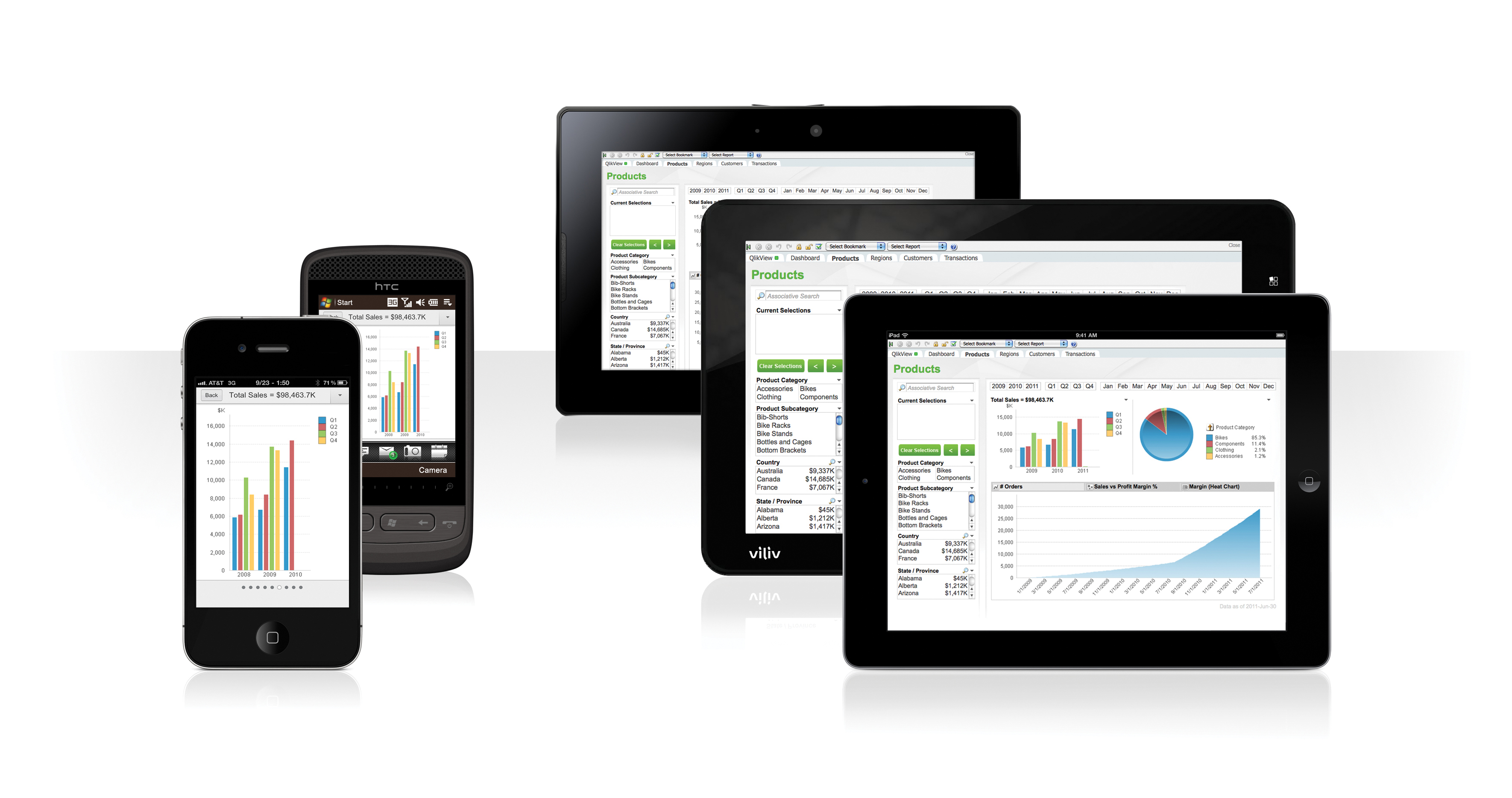 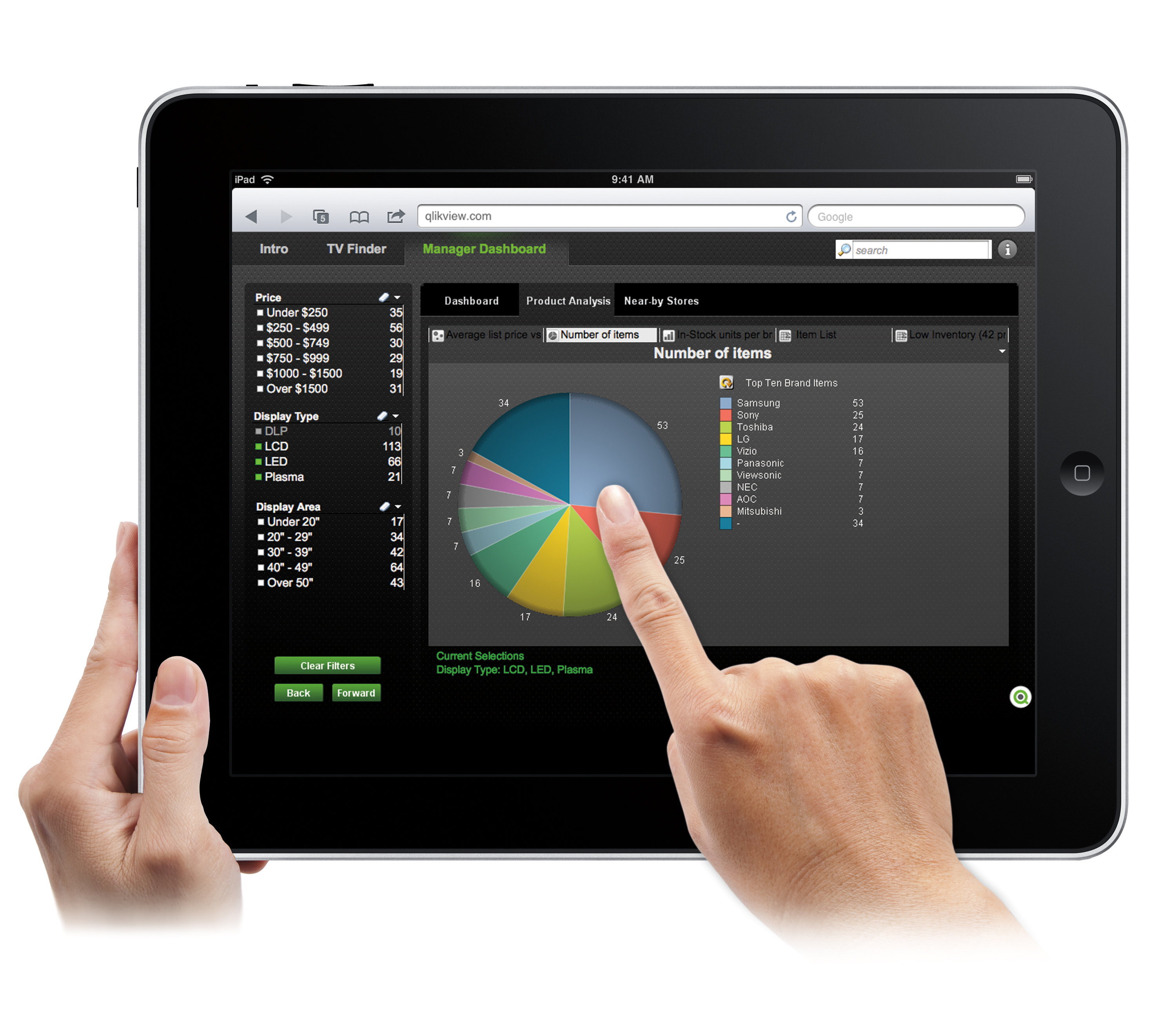 | SAS Visual Analytics Screenshots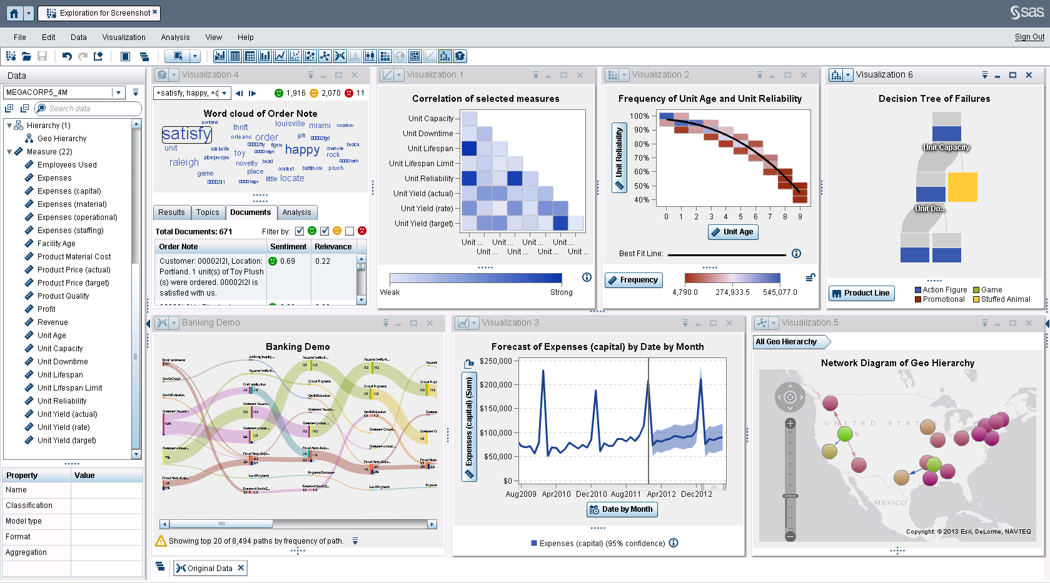 |