
Apptopia vs. Google Universal Analytics (discontinued)
Apptopia vs. Google Universal Analytics (discontinued)
| Product | Rating | Most Used By | Product Summary | Starting Price |
|---|---|---|---|---|
 Apptopia | Mid-Size Companies (51-1,000 employees) | Apptopia offers mobile app data and market intelligence in a web tool. Mobile publishers and developers, service providers, and investors use Apptopia on a daily basis to understand and monitor competitors, inform business strategies, and identify emerging consumer interests and trends. Download, revenue, and usage estimates are available for every ranked app and publisher in the world. According to the vendor, Apptopia is unique in its ability to also offer SDK recognition and… | $79 month | |
 Google Universal Analytics (discontinued) | N/A | Google Universal Analytics was an enterprise-level analytics solution that was sunset in July of 2024. | $150,000 Up to 1 Billion hits/month |
| Apptopia | Google Universal Analytics (discontinued) | |||||||||||||||
|---|---|---|---|---|---|---|---|---|---|---|---|---|---|---|---|---|
| Editions & Modules |
|
| ||||||||||||||
| Offerings |
| |||||||||||||||
| Entry-level Setup Fee | No setup fee | No setup fee | ||||||||||||||
| Additional Details | Custom plans are available, including the option for a robust API integration. Email sales@apptopia.com or call 1-855-277-8674 to learn more. | — | ||||||||||||||
| More Pricing Information | ||||||||||||||||
| Apptopia | Google Universal Analytics (discontinued) |
|---|
| Apptopia | Google Universal Analytics (discontinued) | ||||||||||||||||||||||||
|---|---|---|---|---|---|---|---|---|---|---|---|---|---|---|---|---|---|---|---|---|---|---|---|---|---|
| Web Analytics |
|
| Apptopia | Google Universal Analytics (discontinued) | |
|---|---|---|
| Small Businesses |  Firebase Crashlytics Score 9.7 out of 10 |  StatCounter Score 9.0 out of 10 |
| Medium-sized Companies | Firebase Crashlytics Score 9.7 out of 10 |  Siteimprove Score 9.1 out of 10 |
| Enterprises | Firebase Crashlytics Score 9.7 out of 10 |  Optimal Score 8.6 out of 10 |
| All Alternatives | View all alternatives | View all alternatives |
| Apptopia | Google Universal Analytics (discontinued) | |
|---|---|---|
| Likelihood to Recommend | 6.7 (3 ratings) | 8.0 (55 ratings) |
| Likelihood to Renew | - (0 ratings) | 10.0 (11 ratings) |
| Usability | - (0 ratings) | 9.0 (5 ratings) |
| Performance | - (0 ratings) | 10.0 (1 ratings) |
| Support Rating | - (0 ratings) | 10.0 (23 ratings) |
| In-Person Training | - (0 ratings) | 9.0 (1 ratings) |
| Online Training | - (0 ratings) | 7.0 (1 ratings) |
| Implementation Rating | - (0 ratings) | 10.0 (3 ratings) |
| Apptopia | Google Universal Analytics (discontinued) | |
|---|---|---|
| Likelihood to Recommend | Apptopia, Inc.
 Megan Armes Business Development |  Discontinued Products
|
| Pros | Apptopia, Inc.
| Discontinued Products
 Sergey Gorbanenko QA Engineer |
| Cons | Apptopia, Inc.
| Discontinued Products
 Rachel Harrison CRO & UX Manager |
| Likelihood to Renew | Apptopia, Inc. No answers on this topic | Discontinued Products
|
| Usability | Apptopia, Inc. No answers on this topic | Discontinued Products
 Rebecca Visconti Senior Digital Analyst |
| Support Rating | Apptopia, Inc. No answers on this topic | Discontinued Products
 Eric Buhman Senior Sales Manager |
| Online Training | Apptopia, Inc. No answers on this topic | Discontinued Products
 Tyson Kirksey VP, Search Marketing & Analytics |
| Implementation Rating | Apptopia, Inc. No answers on this topic | Discontinued Products
Eric Buhman Senior Sales Manager |
| Alternatives Considered | Apptopia, Inc.
Megan Armes Business Development | Discontinued Products
|
| Return on Investment | Apptopia, Inc.
| Discontinued Products
|
| ScreenShots | Apptopia Screenshots 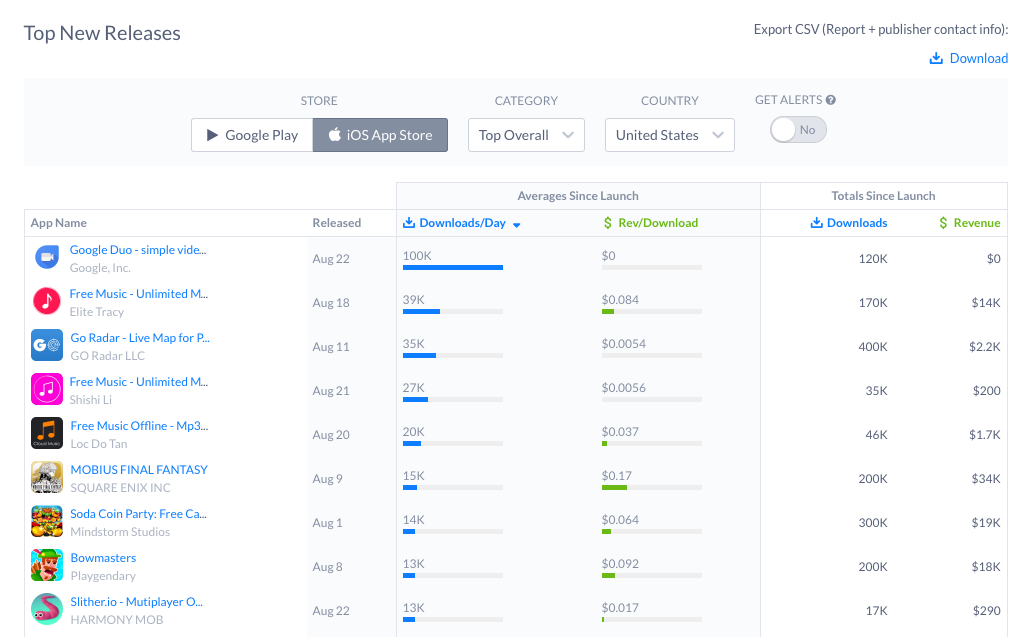  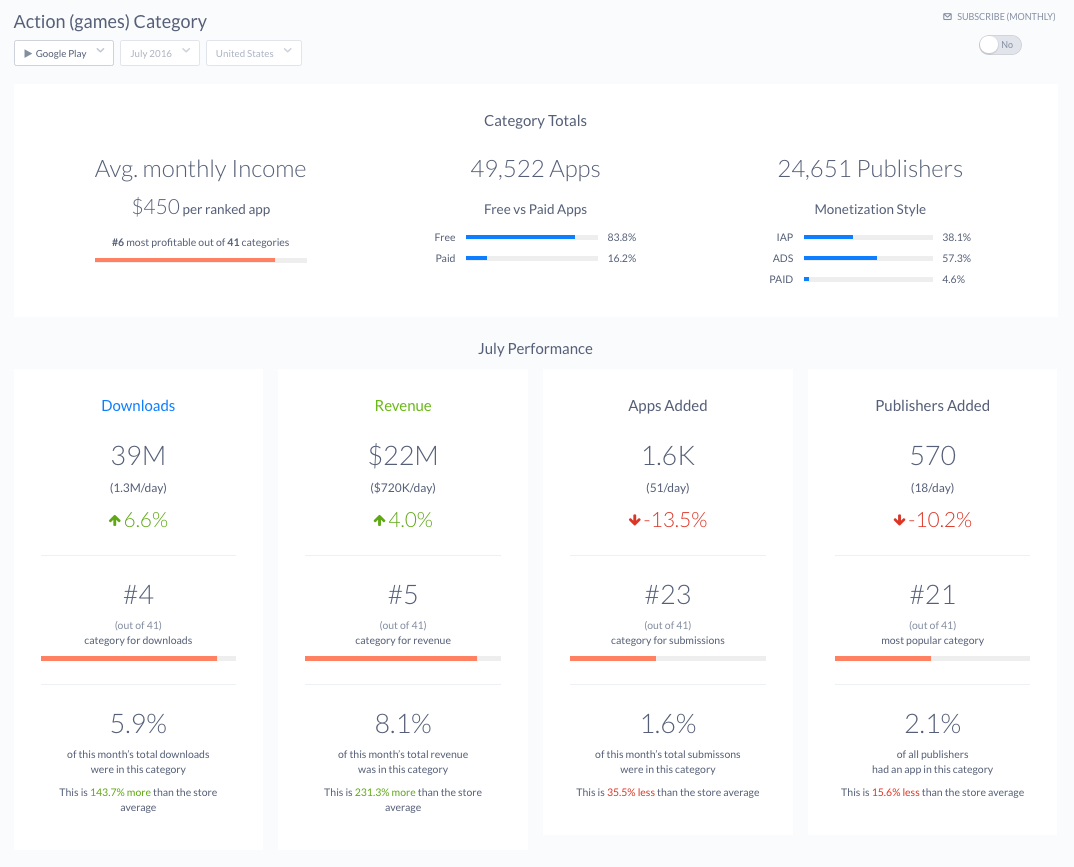  |