Chose Asana
Look and feel of monday.com is better, but Asana has more features and capabilities making it the better option.

| Product | Rating | Most Used By | Product Summary | Starting Price |
|---|---|---|---|---|
 Asana | N/A | Asana is a web and mobile project management app. With tasks, projects, conversations, and dashboards, Asana lets an entire team know who's doing what by when, enabling workload balancing. Users can also add integrations for GANTT charts, time tracking and more. | $13.49 per month per user | |
 Seismic Content | Enterprise companies (1,001+ employees) | Seismic is a recognized leader in sales and marketing enablement. The vendor's value proposition is that their solution equips global sales teams with the knowledge, messaging, and automatically personalized content proven to be the most effective for any buyer interaction. Additionally, the vendor says powerful content intelligence and analytics enable marketers to prove and improve their impact on the bottom line, revealing what is really driving revenue and what needs to be… | N/A |
| Asana | Seismic Content | |||||||||||||||
|---|---|---|---|---|---|---|---|---|---|---|---|---|---|---|---|---|
| Editions & Modules |
| No answers on this topic | ||||||||||||||
| Offerings |
| |||||||||||||||
| Entry-level Setup Fee | Optional | No setup fee | ||||||||||||||
| Additional Details | A discount is offered for annual billing. | — | ||||||||||||||
| More Pricing Information | ||||||||||||||||
| Asana | Seismic Content | |
|---|---|---|
| Considered Both Products |  Asana | Seismic Content  Jason Mayer Sales Enablement Chose Seismic Content Seismic is designed for salespeople - whereas Adobe Experience Manager (Assets and Sites) were both designed for Marketing teams to use. I think Seismic is more valuable for customer interactions than Adobe Experience Manager because it allows you to measure the amount of time … |
| Asana | Seismic Content | |||||||||||||||||||||||||||||||||||||||||||||
|---|---|---|---|---|---|---|---|---|---|---|---|---|---|---|---|---|---|---|---|---|---|---|---|---|---|---|---|---|---|---|---|---|---|---|---|---|---|---|---|---|---|---|---|---|---|---|
| Project Management |
| |||||||||||||||||||||||||||||||||||||||||||||
| Professional Services Automation |
|
| Asana | Seismic Content | |
|---|---|---|
| Small Businesses |  Stackby Score 8.9 out of 10 |  Lead411 Score 8.3 out of 10 |
| Medium-sized Companies |  InEight Score 8.3 out of 10 |  Paperflite Score 8.0 out of 10 |
| Enterprises | InEight Score 8.3 out of 10 | Paperflite Score 8.0 out of 10 |
| All Alternatives | View all alternatives | View all alternatives |
| Asana | Seismic Content | |
|---|---|---|
| Likelihood to Recommend | 9.0 (208 ratings) | 5.4 (79 ratings) |
| Likelihood to Renew | 9.6 (34 ratings) | - (0 ratings) |
| Usability | 8.3 (36 ratings) | 5.0 (4 ratings) |
| Availability | 8.4 (2 ratings) | - (0 ratings) |
| Support Rating | 5.0 (42 ratings) | 7.5 (32 ratings) |
| Product Scalability | 8.2 (1 ratings) | - (0 ratings) |
| Asana | Seismic Content | |
|---|---|---|
| Likelihood to Recommend | Asana
 Marina Torttoli Marketing Director | Seismic
 Jordan Persad Sales Rep |
| Pros | Asana
 Ammar Aboalrub Freelancer | Seismic
 Jamie Clarke Assistant Vice President, Sr. Digital Solutions Manager |
| Cons | Asana
| Seismic
|
| Likelihood to Renew | Asana
 page V CEO (Chief Executive Officer) | Seismic No answers on this topic |
| Usability | Asana
| Seismic
|
| Reliability and Availability | Asana
 Ronen Soreq Project Manager | Seismic No answers on this topic |
| Support Rating | Asana
 Adam Lumley Director of Marketing & Communications | Seismic
|
| Alternatives Considered | Asana
 Rafiqul Islam Full-stack Software Engineer | Seismic
|
| Scalability | Asana
Ronen Soreq Project Manager | Seismic No answers on this topic |
| Return on Investment | Asana
 Kristi Porter Chief Do-Gooder | Seismic
|
| ScreenShots | Asana Screenshots 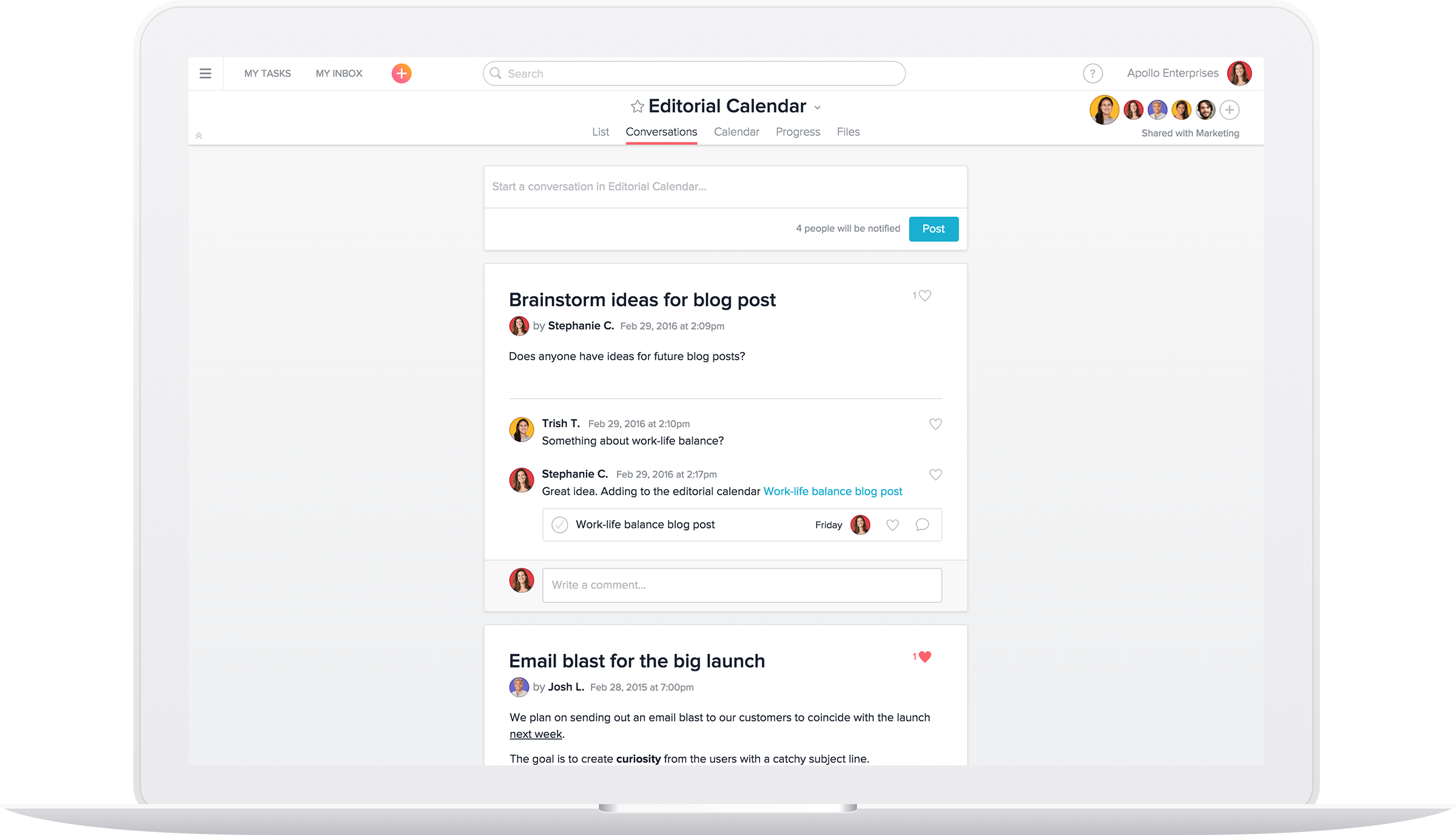     | Seismic Content Screenshots 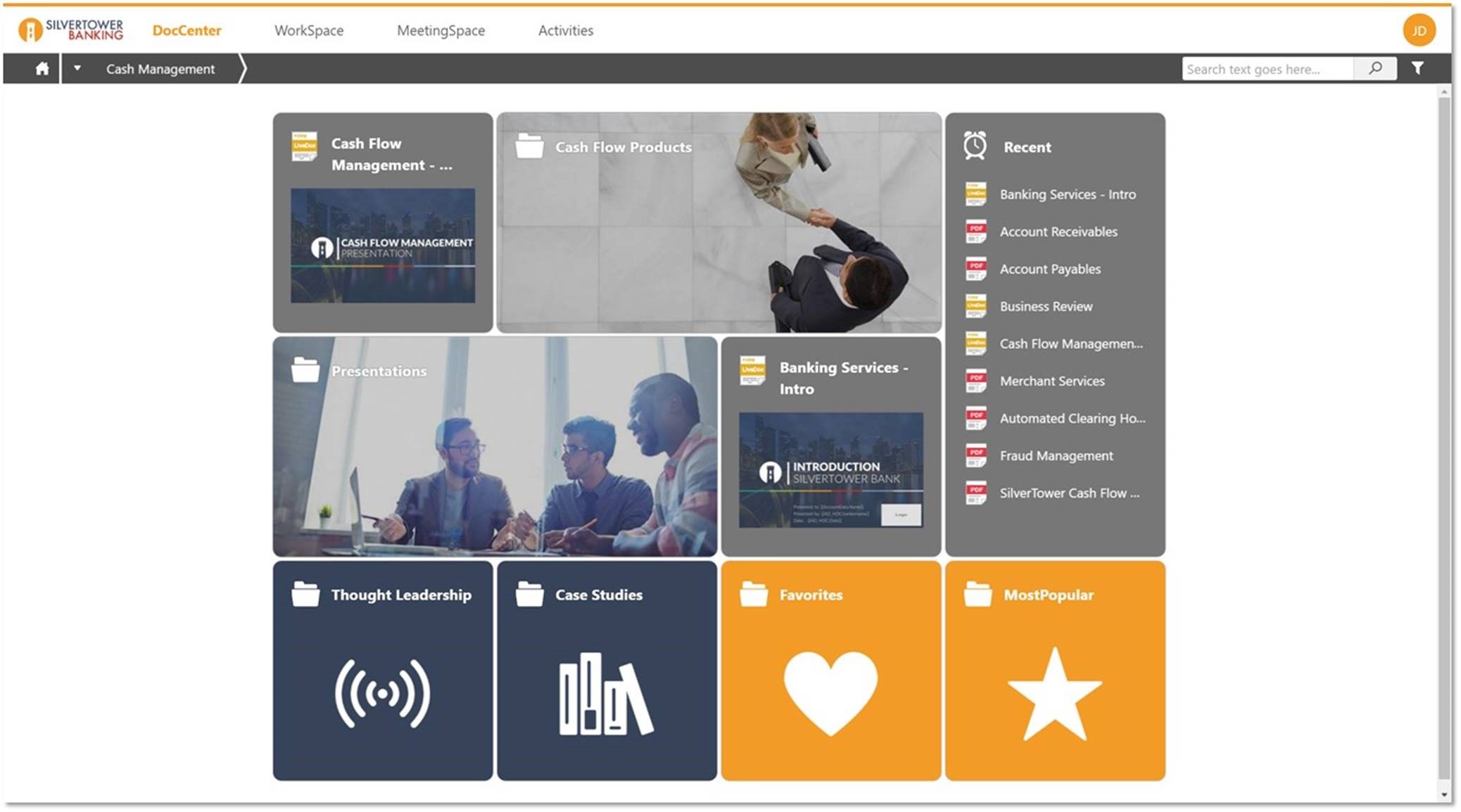  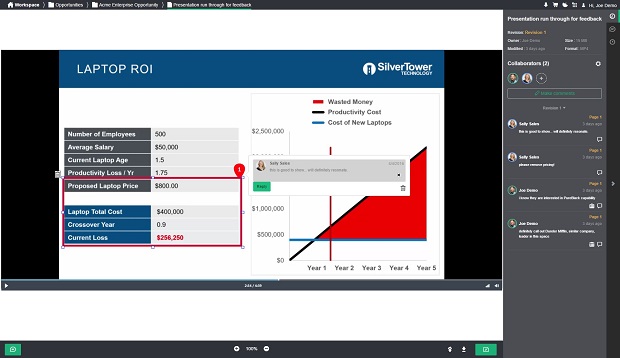 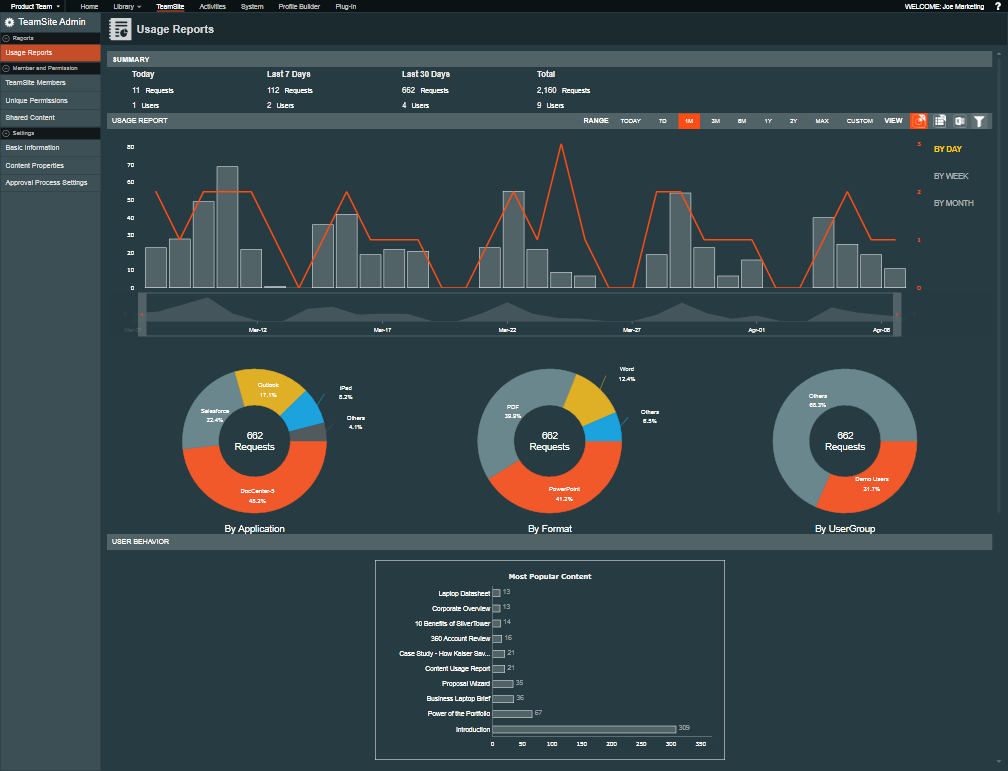 |