AWS Elastic Beanstalk is the platform-as-a-service offering provided by Amazon and designed to leverage AWS services such as Amazon Elastic Cloud Compute (Amazon EC2), Amazon Simple Storage Service (Amazon S3).
$35
per month
BrowserStack
Score 8.5 out of 10
N/A
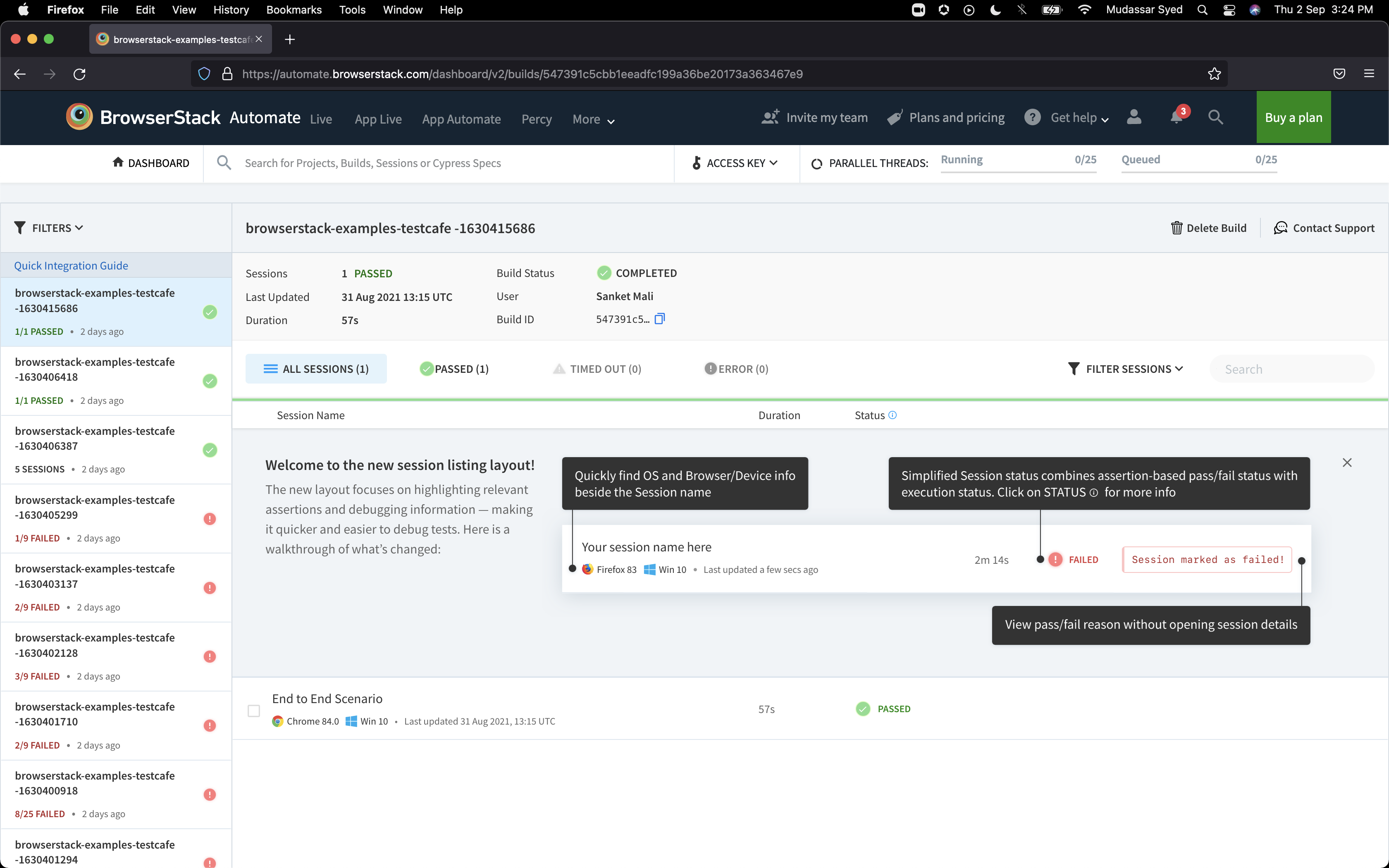
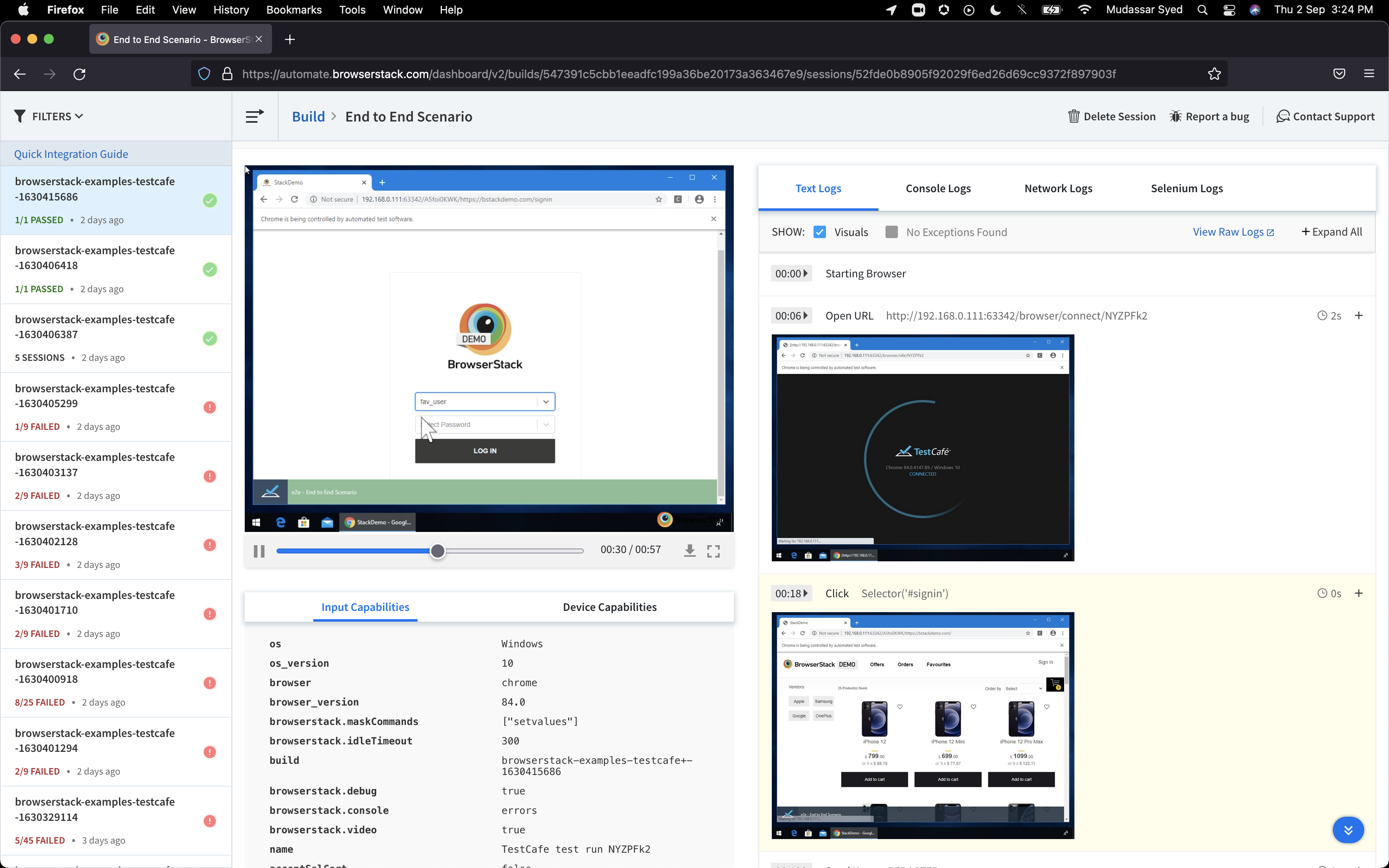
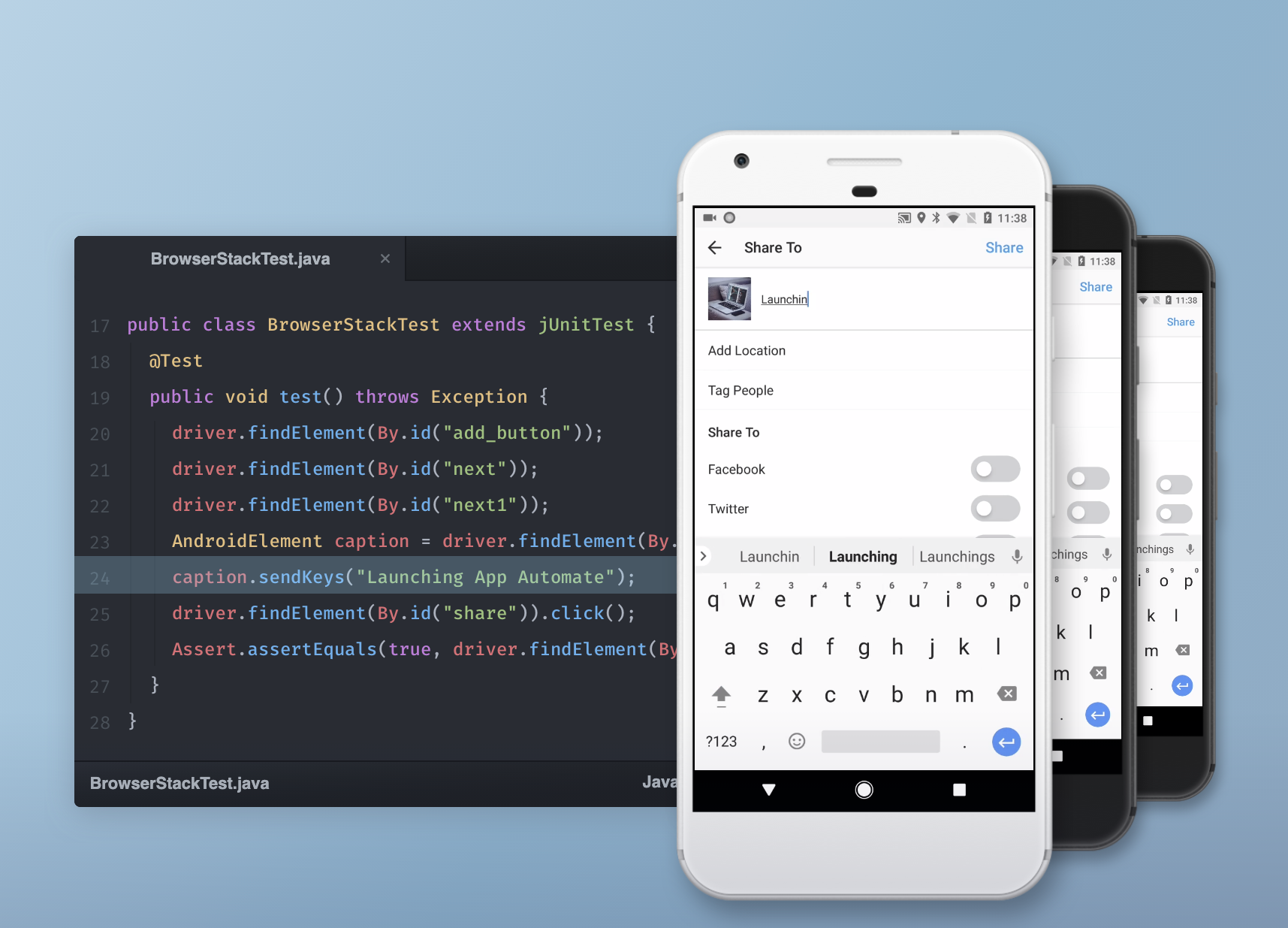
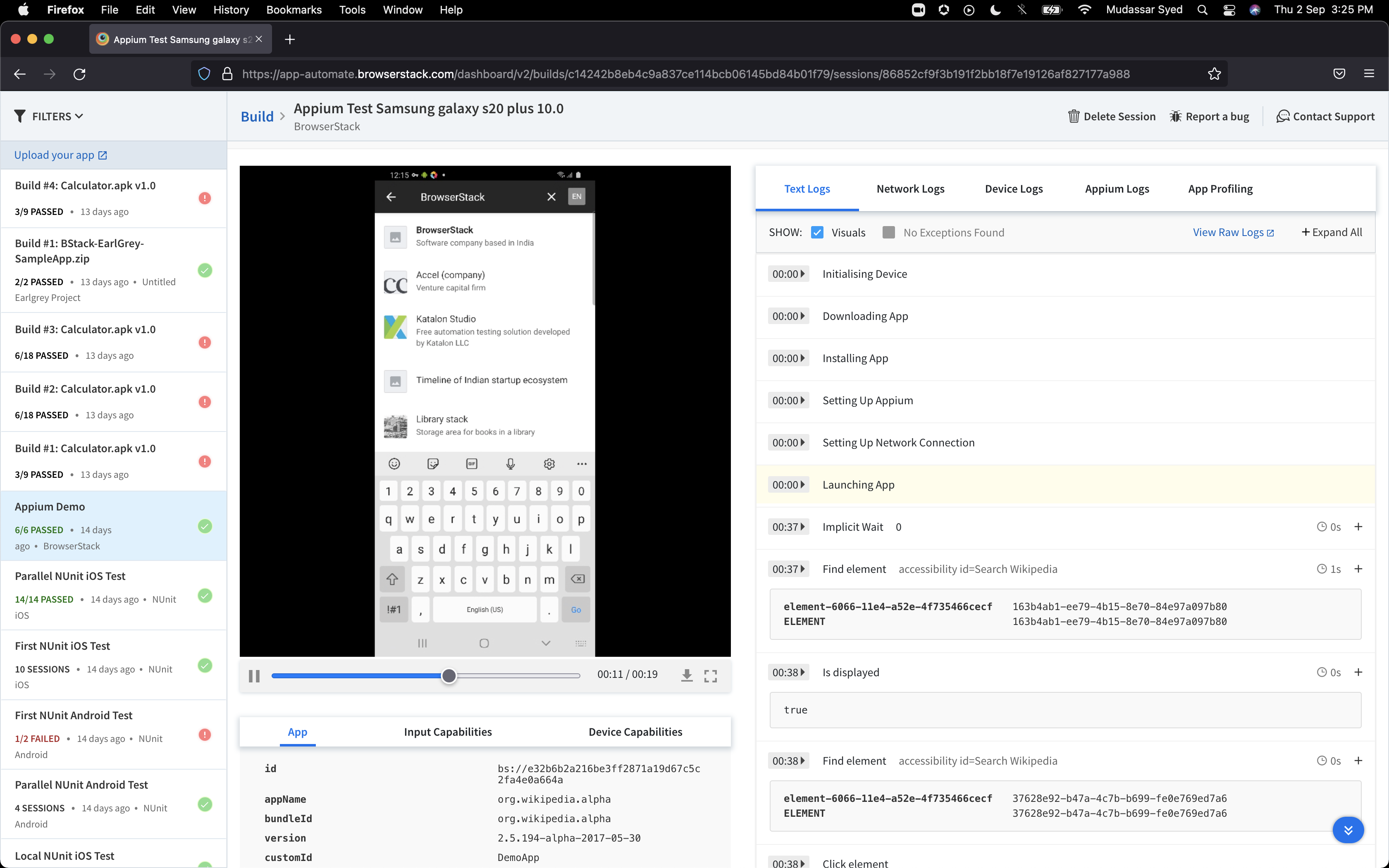
BrowserStack is a test platform built for developers and QAs to expand test coverage, scale and optimize testing with cross-browser, real device cloud, accessibility, visual testing, test management, and test observability. BrowserStack states it currently powers over a billion tests a year for customers who include Amazon, Paypal, Well Fargo Bank, Nvidia, MongoDB, Pfizer, GE, Discovery, React JS, Apache, JQuery and several others rely on BrowserStack to test their web and mobile apps.
$0
per month Unlimited users and 5000 free screenshots
Pricing
AWS Elastic Beanstalk
BrowserStack
Editions & Modules
No Charge
$0
Users pay for AWS resources (e.g. EC2, S3 buckets, etc.) used to store and run the application.
Percy - Free
$0
per month Unlimited users and 5000 free screenshots
App Percy - Free
$0
per month 5000 free screenshots and 100 minutes of infrastructure
I have been using AWS Elastic Beanstalk for more than 5 years, and it has made our life so easy and hassle-free. Here are some scenarios where it excels -
I have been using different AWS services like EC2, S3, Cloudfront, Serverless, etc. And Elastic Beanstalk makes our lives easier by tieing each service together and making the deployment a smooth process.
N number of integrations with different CI/CD pipelines make this most engineer's favourite service.
Scalability & Security comes with the service, which makes it the absolute perfect product for your business.
Personally, I haven't found any situations where it's not appropriate for the use cases it can be used. The pricing is also very cost-effective.
If you need immediate testing (for example, from Azure pipelines agents), use BrowserStack instead of LambdaTest (which makes you wait in a "pool" until the device/platform combo you are querying is accessible). If you don't need your tests to be immediate and prefer a wider range of devices, then use Lambdatest.
Getting a project set up using the console or CLI is easy compared to other [computing] platforms.
AWS Elastic Beanstalk supports a variety of programming languages so teams can experiment with different frameworks but still use the same compute platform for rapid prototyping.
Common application architectures can be referenced as patterns during project [setup].
Multiple environments can be deployed for an application giving more flexibility for experimentation.
Limited to the frameworks and configurations that AWS supports. There is no native way to use Elastic Beanstalk to deploy a Go application behind Nginx, for example.
It's not always clear what's changed on an underlying system when AWS updates an EB stack; the new version is announced, but AWS does not say what specifically changed in the underlying configuration. This can have unintended consequences and result in additional work in order to figure out what changes were made.
As our technology grows, it makes more sense to individually provision each server rather than have it done via beanstalk. There are several reasons to do so, which I cannot explain without further diving into the architecture itself, but I can tell you this. With automation, you also loose the flexibility to morph the system for your specific needs. So if you expect that in future you need more customization to your deployment process, then there is a good chance that you might try to do things individually rather than use an automation like beanstalk.
It's almost the 3rd year for us and it's renewal time for us. So yes, we are already discussing how many licenses we need to increase as users are increasing internally. So it's 100% sure that we are already planning renewal this year as well BrowserStack with live and app automate.
The overall usability is good enough, as far as the scaling, interactive UI and logging system is concerned, could do a lot better when it comes to the efficiency, in case of complicated node logics and complicated node architectures. It can have better software compatibility and can try to support collaboration with more softwares
So many options that it can be a little overwhelming, but the core functions are easy to find and use and it's usually not too hard to figure things out for the more complex tasks. Very easy to boot up a device and a specific browser from the dashboard to begin a manual website test.
I rated BrowserStack's availability a 10 because it is consistently reliable, with minimal to no downtime or unplanned outages. The platform is accessible whenever needed, ensuring uninterrupted testing. Its robust infrastructure and proactive monitoring ensure a seamless experience, allowing us to meet deadlines without delays caused by availability issues and all
The tests are fast considering the fact that they're Appium tests. I've seen tests reliably pass or fail when they're supposed to, with next to zero issues on the BrowserStack side of things. Tests launch only seconds after I kick off them off from my CLI.
As I described earlier it has been really cost effective and really easy for fellow developers who don't want to waste weeks and weeks into learning and manually deploying stuff which basically takes month to create and go live with the Minimal viable product (MVP). With AWS Beanstalk within a week a developer can go live with the Minimal viable product easily.
I've not had much direct interaction with the BrowserStack support team. The help and community are great and we've not run into any issue that has really required us to reach out. I guess having a stable and easy to use system means you may never need to contact support.
Yes, it was online training on meet, and trainer looks like skilled and technical strong, he has covered end to end all the features and he has answers all the queries. because of this trainings we are able to implement it by our own in the organization, thank you for support and training.
It was a quick training from the support of browserstack, it was nice and easy to understand, thanks again for the support given by the team. and regularly I used to receive mails for training from support for any new feature they launch, I was able to spread same training to all my team and dev.
- Do as many experiments as you can before you commit on using beanstalk or other AWS features. - Keep future state in mind. Think through what comes next, and if that is technically possible to do so. - Always factor in cost in terms of scaling. - We learned a valuable lesson when we wanted to go multi-region, because then we realized many things needs to change in code. So if you plan on using this a lot, factor multiple regions.
I rated the implementation satisfaction an 8 because while it went smoothly overall, there were some challenges during the initial learning phase and integration with existing tools. Key insights include the importance of providing sufficient training upfront and ensuring seamless integration with other systems to minimize disruptions and improve adoption speed.
We also use Heroku and it is a great platform for smaller projects and light Node.js services, but we have found that in terms of cost, the Elastic Beanstalk option is more affordable for the projects that we undertake. The fact that it sits inside of the greater AWS Cloud offering also compels us to use it, since integration is simpler. We have also evaluated Microsoft Azure and gave up trying to get an extremely basic implementation up and running after a few days of struggling with its mediocre user interface and constant issues with documentation being outdated. The authentication model is also badly broken and trying to manage resources is a pain. One cannot compare Azure with anything that Amazon has created in the cloud space since Azure really isn't a mature platform and we are always left wanting when we have to interface with it.
BrowserStack products has been found better for low code automations and visual regression techniques. We have been struggling to maintain the API endpoint sanity tests and writing a lot of code for them while releasing the builds, while we chose BrowserStack accessibility solutions, we found it a way easier than we thought and worked it up.
I may not be the best person to answer this as I am only using it for 1 department and at 1 site but will still try my best As far as Scalability for Devices for Mobile Automation is concerned, it gets a Solid 10, as the users can run cases on upto 10 device parallel and also have the best choices of devices to choose