
Chose BrowserStack
BrowserStack vs. OpenText UFT One vs. Selenium
BrowserStack vs. OpenText UFT One vs. Selenium
| Product | Rating | Most Used By | Product Summary | Starting Price |
|---|---|---|---|---|
 BrowserStack | N/A | BrowserStack is a test platform built for developers and QAs to expand test coverage, scale and optimize testing with cross-browser, real device cloud, accessibility, visual testing, test management, and test observability. BrowserStack states it currently powers over a billion tests a year for customers who include Amazon, Paypal, Well Fargo Bank, Nvidia, MongoDB, Pfizer, GE, Discovery, React JS, Apache, JQuery and several others rely on BrowserStack to test their web and mobile apps. | $0 per month Unlimited users and 5000 free screenshots | |
 OpenText UFT One | N/A | Unified Functional Testing (UFT, formerly known as HP UFT and before that QuickTest Professional or HP QTP) is a functional and performance testing tool acquired by Micro Focus from Hewlett-Packard Enterprise, now from OpenText. | N/A | |
 Selenium | N/A | Selenium is open source software for browser automation, primarily used for functional, load, or performance testing of applications. | N/A |
| BrowserStack | OpenText UFT One | Selenium | ||||||||||||||||||||||
|---|---|---|---|---|---|---|---|---|---|---|---|---|---|---|---|---|---|---|---|---|---|---|---|---|
| Editions & Modules |
| No answers on this topic | No answers on this topic | |||||||||||||||||||||
| Offerings |
| |||||||||||||||||||||||
| Entry-level Setup Fee | No setup fee | No setup fee | No setup fee | |||||||||||||||||||||
| Additional Details | — | — | — | |||||||||||||||||||||
| More Pricing Information | ||||||||||||||||||||||||
| BrowserStack | OpenText UFT One | Selenium | |
|---|---|---|---|
| Considered Multiple Products |  BrowserStack  Jiancong Lu QA Analyst Chose BrowserStack BrowserStack by far is still the best tool we have for mobile and accessibility testing.  Abhineet Sharma Specialist in Quality Engineering Chose BrowserStack I have used Saucelabs with Jenkins and would say both of them are really comprehensive. Yet I suggested BrowserStack to our customers and team since I have used it recently and felt it easy to use and implement Tests on it. BrowserStack support team is another reason behind why … |  OpenText UFT One  Sourav Singla ,Safe Agilist, CSP, ICP-ACC, CSM, CSPO, SSM, LSSG Enterprise Agile Coach Chose OpenText UFT One  Sourav Halder Senior Specialist Chose OpenText UFT One UFT has the advantages of supporting different types of technologies. Different competitive tools were not able to support the wide range of technologies which UFT does. UFT has a strong history and has been ranked one among all the Test Automation tools for quite some time. …  Derek Wallis Technical Test Analyst and Automation Engineer Chose OpenText UFT One The only real competitor is Selenium but the simple ease and advanced features of UFT won out during the selection process. Also the ability to test against non-web based applications can come in handy.  Sharmin Promi Senior Automation Engineer Chose OpenText UFT One [My] company uses UFT across different projects and different departments for all types of testing and automation.  Gagneet Singh Test Manager Chose OpenText UFT One Most of the test tools are similar in nature to what they do. Every tool has its own quirks, making them necessary to understand how and what they do, before we get to start using them; which also happens to be the key to good automation testing. Considering the HP toolset, … |  Selenium  Veeraiah Motukuri Principal Consultant Chose Selenium Customers are always spending less cost on tools and prefer open-source tools which leverage all applications Can be tailored your framework in selenium according to application Moreover CI/CD pipeline is easy in selenium compared to other tools Can be built custom test …  Dmitry Shyshkin Lead QA Automation Engineer Chose Selenium Selenium supports more browsers, selenium has huge open source community, and, best of all, it's free  Payam Pirooznia Senior Automation Test Engineer Chose Selenium HQ UFT, it is one of the best and has more abilities but it is too much expensive while Selenium is free. SmartBear TestComplete, same reason as UFT. Watir, it is a Selenium-like open source project but has less features and limited documentation.  Naveen Bezawada Test Automation Lead/DevOps Engineer Chose Selenium |
| BrowserStack | OpenText UFT One | Selenium | |||||||||||||||||||||||||||||||
|---|---|---|---|---|---|---|---|---|---|---|---|---|---|---|---|---|---|---|---|---|---|---|---|---|---|---|---|---|---|---|---|---|---|
| Automation Testing |
|
| BrowserStack | OpenText UFT One | Selenium | |
|---|---|---|---|
| Small Businesses |  TestComplete Score 7.9 out of 10 | BrowserStack Score 8.5 out of 10 | BrowserStack Score 8.5 out of 10 |
| Medium-sized Companies |  ReadyAPI Score 6.3 out of 10 | ReadyAPI Score 6.3 out of 10 | ReadyAPI Score 6.3 out of 10 |
| Enterprises |  ignio AIOps Score 8.1 out of 10 | ReadyAPI Score 6.3 out of 10 | ignio AIOps Score 8.1 out of 10 |
| All Alternatives | View all alternatives | View all alternatives | View all alternatives |
| BrowserStack | OpenText UFT One | Selenium | |
|---|---|---|---|
| Likelihood to Recommend | 8.9 (244 ratings) | 8.0 (12 ratings) | 9.2 (55 ratings) |
| Likelihood to Renew | 9.1 (19 ratings) | - (0 ratings) | 9.2 (6 ratings) |
| Usability | 7.8 (23 ratings) | 7.0 (1 ratings) | 8.8 (6 ratings) |
| Availability | 9.7 (5 ratings) | - (0 ratings) | - (0 ratings) |
| Performance | 5.4 (78 ratings) | - (0 ratings) | - (0 ratings) |
| Support Rating | 7.7 (24 ratings) | 8.0 (1 ratings) | 8.3 (11 ratings) |
| In-Person Training | 7.3 (1 ratings) | - (0 ratings) | - (0 ratings) |
| Online Training | 4.2 (3 ratings) | - (0 ratings) | - (0 ratings) |
| Implementation Rating | 8.9 (8 ratings) | - (0 ratings) | 9.0 (3 ratings) |
| Configurability | 8.3 (6 ratings) | - (0 ratings) | - (0 ratings) |
| Contract Terms and Pricing Model | 8.9 (4 ratings) | - (0 ratings) | - (0 ratings) |
| Ease of integration | 8.3 (3 ratings) | - (0 ratings) | - (0 ratings) |
| Product Scalability | 9.8 (6 ratings) | - (0 ratings) | - (0 ratings) |
| Professional Services | 8.9 (4 ratings) | - (0 ratings) | - (0 ratings) |
| Vendor post-sale | 9.0 (4 ratings) | - (0 ratings) | - (0 ratings) |
| Vendor pre-sale | 8.3 (4 ratings) | - (0 ratings) | - (0 ratings) |
| BrowserStack | OpenText UFT One | Selenium | |
|---|---|---|---|
| Likelihood to Recommend | BrowserStack
| OpenText
Sourav Halder Senior Specialist | Open Source
|
| Pros | BrowserStack
 Erin Hinnen Technical Project Manager | OpenText
Derek Wallis Technical Test Analyst and Automation Engineer | Open Source
|
| Cons | BrowserStack
| OpenText
Sourav Singla ,Safe Agilist, CSP, ICP-ACC, CSM, CSPO, SSM, LSSG Enterprise Agile Coach | Open Source
|
| Likelihood to Renew | BrowserStack
| OpenText No answers on this topic | Open Source
 Siddharth Walia Test Engineer |
| Usability | BrowserStack
| OpenText
| Open Source
|
| Reliability and Availability | BrowserStack
| OpenText No answers on this topic | Open Source No answers on this topic |
| Performance | BrowserStack
 Steven Boutcher QA Automation Engineer | OpenText No answers on this topic | Open Source No answers on this topic |
| Support Rating | BrowserStack
| OpenText
Derek Wallis Technical Test Analyst and Automation Engineer | Open Source
 zahit bogus Business Intelligence & Database Consultant |
| In-Person Training | BrowserStack
| OpenText No answers on this topic | Open Source No answers on this topic |
| Online Training | BrowserStack
| OpenText No answers on this topic | Open Source No answers on this topic |
| Implementation Rating | BrowserStack
| OpenText No answers on this topic | Open Source
Dmitry Shyshkin Lead QA Automation Engineer |
| Alternatives Considered | BrowserStack
 Kuman Kothiya Test Lead | OpenText
Veeraiah Motukuri Principal Consultant | Open Source
|
| Contract Terms and Pricing Model | BrowserStack
| OpenText No answers on this topic | Open Source No answers on this topic |
| Scalability | BrowserStack
| OpenText No answers on this topic | Open Source No answers on this topic |
| Professional Services | BrowserStack
| OpenText No answers on this topic | Open Source No answers on this topic |
| Return on Investment | BrowserStack
| OpenText
Gagneet Singh Test Manager | Open Source
 Janice Cruz (L.I.O.N.) Quality Assurance Analyst |
| ScreenShots | BrowserStack Screenshots 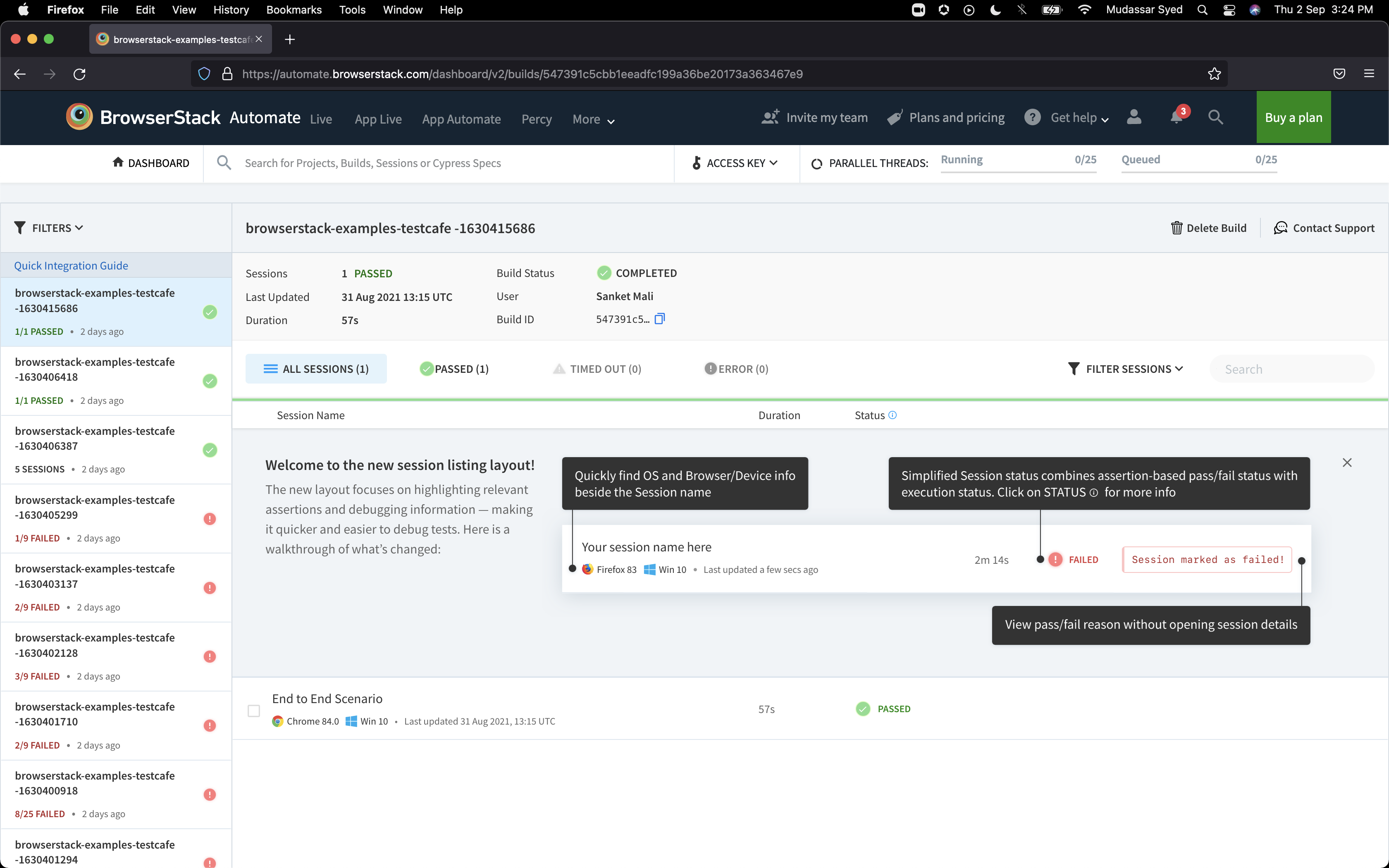 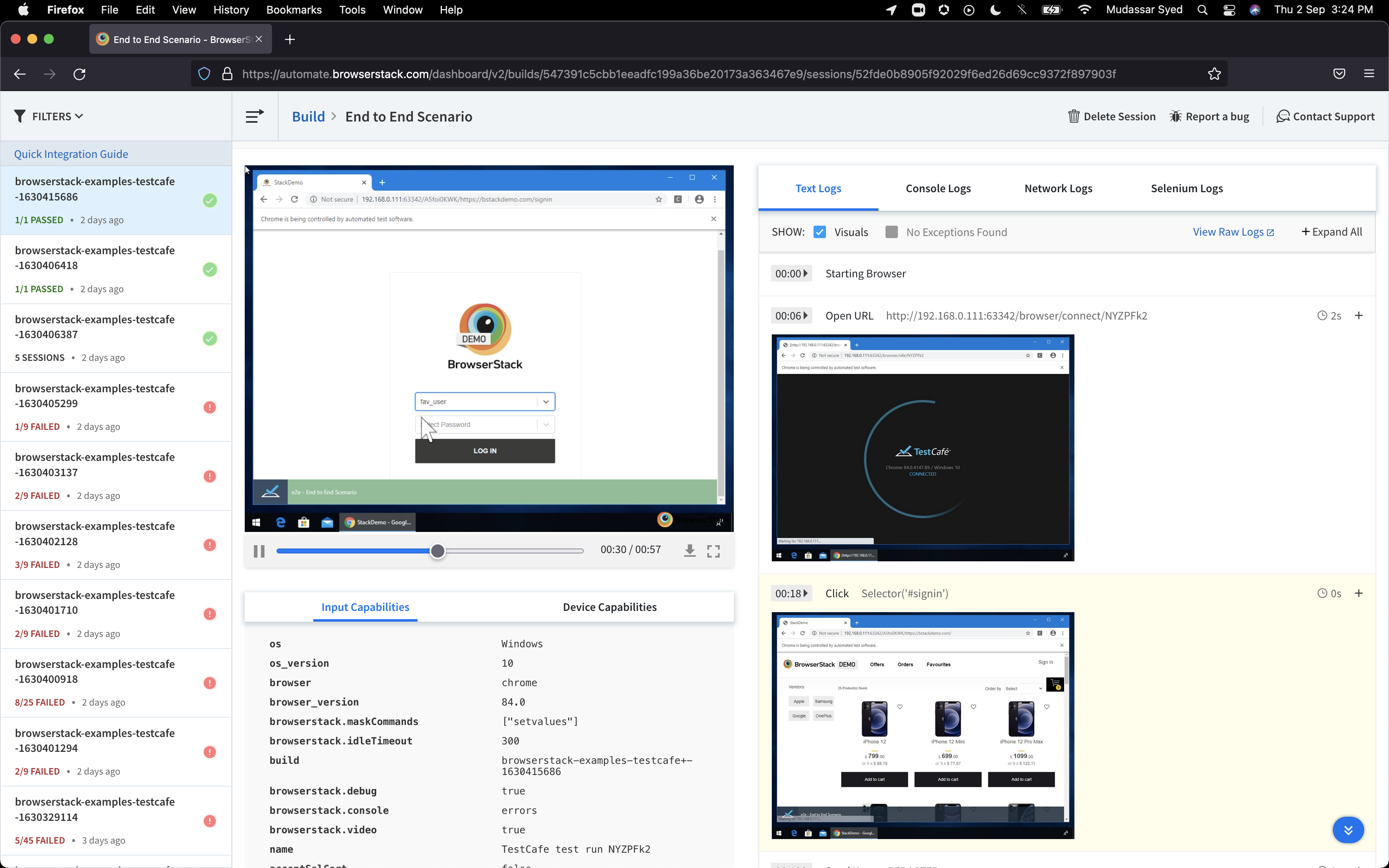 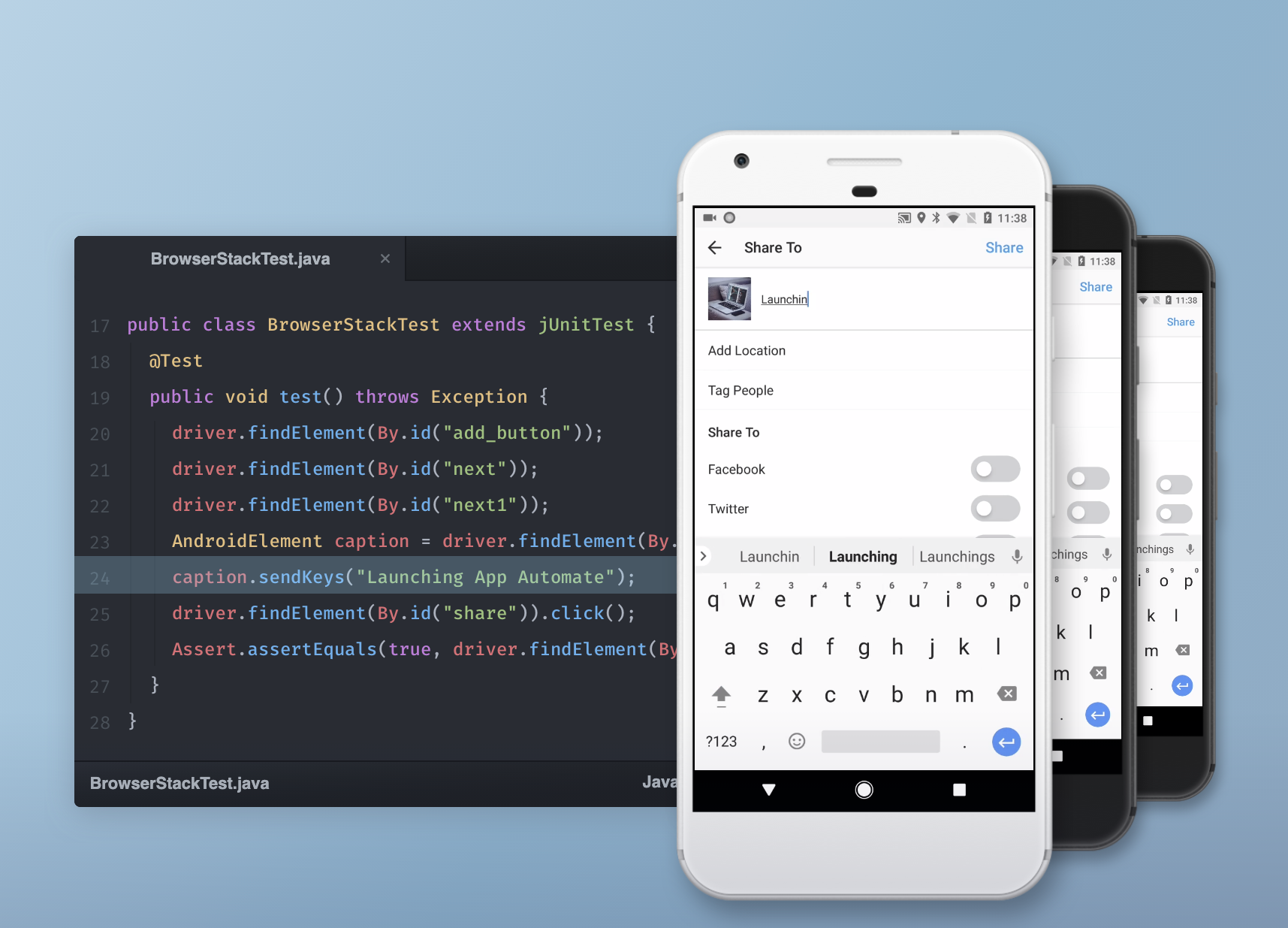  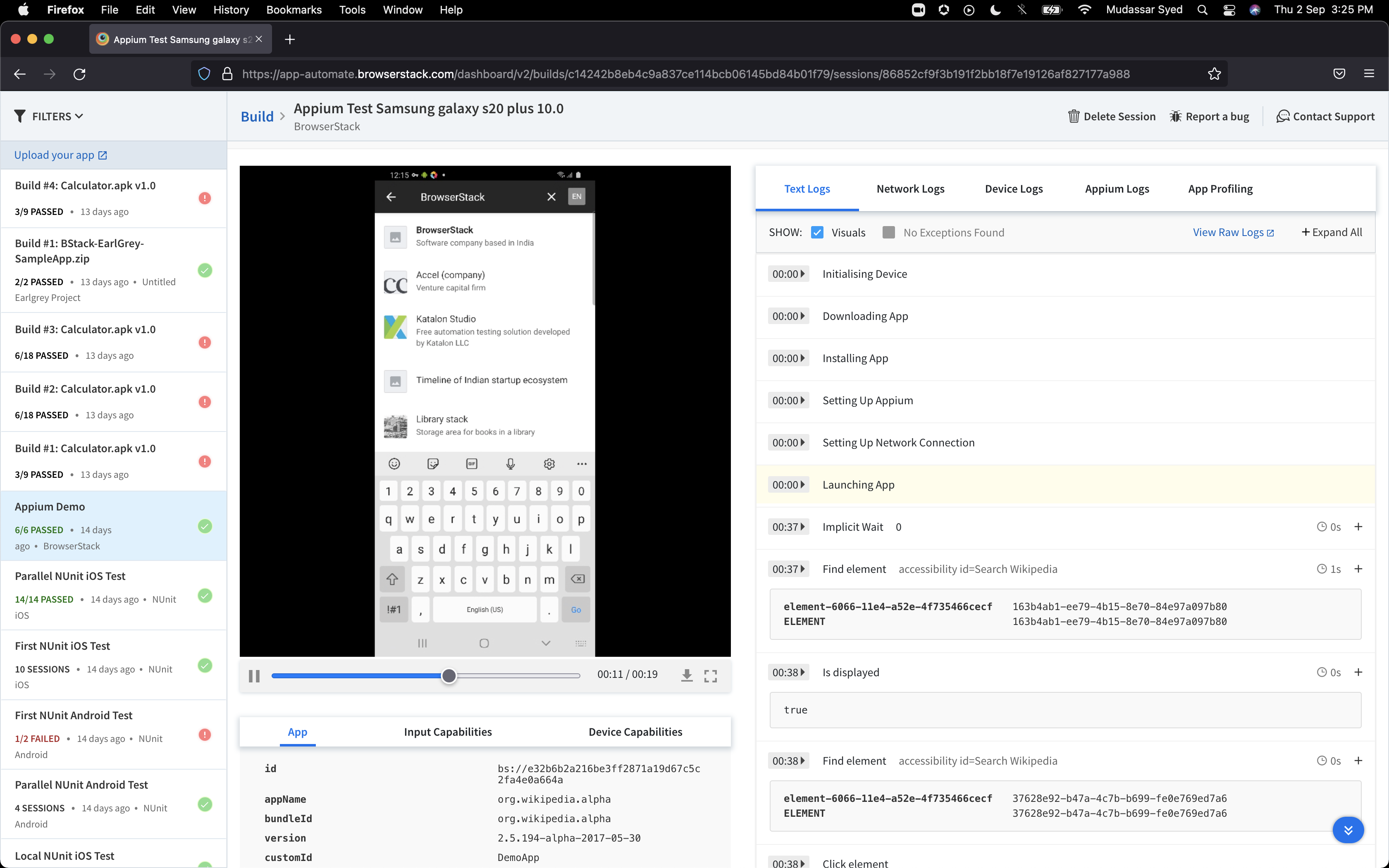 |