Chose ClickUp
Trello

| Product | Rating | Most Used By | Product Summary | Starting Price |
|---|---|---|---|---|
 ClickUp | Small Businesses (1-50 employees) | ClickUp is a productivity platform that brings together work apps, data, and workflows. Also presented as a Converged AI Workspace, ClickUp eliminates work sprawl to provide context and a single place for humans and agents to work together. The platform currently boasts over 20 million users worldwide. ClickUp Brain² is deeply embedded into the workspace, offering conversational intake for project scoping and autonomous task generation. It can transform brainstorming docs… | $10 per month per user | |
 Redmine | N/A | Redmine is a project management web application written using the Ruby on Rails framework. It is cross-platform and cross-database, and free to download and use as an open source project available on the GNU 2.0 license. | N/A | |
 YouTrack | N/A | YouTrack is a project management tool for agile teams. YouTrack allows one to track projects and tasks, use agile boards, plan sprints and releases, keep a knowledge base, work with reports and dashboards, and create workflows that follow business processes. | N/A |
| ClickUp | Redmine | YouTrack | ||||||||||||||||||||||
|---|---|---|---|---|---|---|---|---|---|---|---|---|---|---|---|---|---|---|---|---|---|---|---|---|
| Editions & Modules |
| No answers on this topic | No answers on this topic | |||||||||||||||||||||
| Offerings |
| |||||||||||||||||||||||
| Entry-level Setup Fee | No setup fee | No setup fee | No setup fee | |||||||||||||||||||||
| Additional Details | Discount available for annual billing. | — | — | |||||||||||||||||||||
| More Pricing Information | ||||||||||||||||||||||||
| ClickUp | Redmine | YouTrack | |
|---|---|---|---|
| Considered Multiple Products |  ClickUp  Ben Soutas Marketing Chose ClickUp I have never been the decision maker on software like this. They are always decided by someone else before I start working for a company. ClickUp seems like the one with the most features though. My co-worker especially loves it and is the one who insisted we use ClickUp over … Chose ClickUp For me the customizability of ClickUp was unmatched. It really felt like there was no limit on what I could use it for and how I could organize things. For specific features, their Docs are really my favorite part. The customizability and ability to directly link to related …  Howar Rasguido Web Developer Chose ClickUp Mejor integracion y visualizacion de tareas, la contabilidad del tiempo por tareas/tickets es una de las partes mas robustas de ClickUp, la integration con gitlab es una ventaja y ayuda mucho a la organizacion del trabajo, la posibilidad de agrupar tareas por grupos o tipos …  Hugo Moreira CS Manager Chose ClickUp Asana is very limited in its basics; I believe only the paid version would work better.  Mariah Milán Project Manager Chose ClickUp ClickUp offers more ways to set up a project. It's not just one or two ways - which makes it a bit more stealthy in its way to fit a variety of team sizes and project types. For us, having so many features within one tool makes it a no-brainer for our team.  √ Andre Lucas Co Founder Chose ClickUp ClickUp has more features integrated and well organized. Especially the concept of having Spaces, folders and lists helps a lot in organizing the projects and each having its own workflows.  Ranjeet Malik Retention Marketing Specialist Chose ClickUp It stands out as more feature-rich and customizable, especially for handling multiple projects in one place. |  Redmine  Ye Yint Moe Functional Consultant Chose Redmine Jira is a great project management tool for software product life cycle management for an agile environment based on agile methodologies. Jira is an intuitive and modernized user interface design compared with Redmine but Redmine is a lightweight and affordable project …  Richard Davies Senior Web Application Developer Chose Redmine As we've moved to using agile-based methodologies, we've started using Jira more, which is better suited for agile development. Jira looks and feels like a more modern web application and has greater flexibility and more features. I used Basecamp a long time ago for some small …  João Almeida Researcher Chose Redmine Redmine has a lot of the same functionality but is much easier to use. The project tends to have functions that only the most advanced PM would even look at. JIRA is easier to deploy in a cloud/managed environment: it also has better "apps" support. However, Redmine benefits …  Ashley Lee Project Manager for Software Development Chose Redmine Basecamp was very busy and seemed more into the "wow" factor than into being an efficient tool. Redmine has none of the characters or kid-like appearance of Basecamp's model. I found Basecamp to be too cluttered in views and its interactions confusing, making it difficult to …  Iryna Orliuk Junior Business Analyst / Consultant Chose Redmine Redmine is a low-cost solution for companies that need Jira  Vinicius Lima Programador Chose Redmine Redmine stacks up to its competitors by being free and open-source. Additionally, it is an easy tool to install and maintain in any operating system, like Linux and Windows. Administrators will not have so many headaches when getting it running. You can customize the code and …  Jessica Martin Salesforce Consultant Chose Redmine Redmine has a lot of the same functionality, but is much easier to use. Project tends to have functions that only the most advanced PM would even look at.  Ilya Popovich QA Test Lead Chose Redmine It can beat other services only as free, open source solution. Right now we've moved to Jira, and Redmine only stays on as an archive and is used by our editor's department.  Ronald Melendez Desarrollador AngularJs - Front-End Developer Chose Redmine I think that although they are tools for managing equipment and tools for bugs tracking, Redmine has a great advantage since it can be integrated with many third-party tools and that is the only tool of this type with which I have been able to integrate and integrate systems. … |  YouTrack  Andrew Elia CEO (Chief Executive Officer) Chose YouTrack YouTrack is more cost effective than all the commercial options. It's way more powerful and easier to use than the Open Source ones. It's a good middle ground and it does everything we need. Our software projects are of moderate complexity and YouTrack handles them well. … |
| ClickUp | Redmine | YouTrack | |||||||||||||||||||||||||||||||||||||||||||||||||||||||||||
|---|---|---|---|---|---|---|---|---|---|---|---|---|---|---|---|---|---|---|---|---|---|---|---|---|---|---|---|---|---|---|---|---|---|---|---|---|---|---|---|---|---|---|---|---|---|---|---|---|---|---|---|---|---|---|---|---|---|---|---|---|---|
| Project Management |
| ||||||||||||||||||||||||||||||||||||||||||||||||||||||||||||
| Professional Services Automation |
|
| ClickUp | Redmine | YouTrack | |
|---|---|---|---|
| Small Businesses |  Stackby Score 8.9 out of 10 | Stackby Score 8.9 out of 10 | Stackby Score 8.9 out of 10 |
| Medium-sized Companies |  InEight Score 8.2 out of 10 | InEight Score 8.2 out of 10 | InEight Score 8.2 out of 10 |
| Enterprises | InEight Score 8.2 out of 10 | InEight Score 8.2 out of 10 | InEight Score 8.2 out of 10 |
| All Alternatives | View all alternatives | View all alternatives | View all alternatives |
| ClickUp | Redmine | YouTrack | |
|---|---|---|---|
| Likelihood to Recommend | 8.8 (0 ratings) | 9.0 (0 ratings) | 8.0 (0 ratings) |
| Likelihood to Renew | 9.3 (0 ratings) | - (0 ratings) | - (0 ratings) |
| Usability | 8.5 (0 ratings) | 10.0 (0 ratings) | 8.5 (0 ratings) |
| Availability | 9.5 (0 ratings) | - (0 ratings) | - (0 ratings) |
| Performance | 8.0 (0 ratings) | - (0 ratings) | - (0 ratings) |
| Support Rating | 9.4 (0 ratings) | 6.5 (0 ratings) | - (0 ratings) |
| Online Training | 10.0 (0 ratings) | - (0 ratings) | - (0 ratings) |
| Implementation Rating | 7.9 (0 ratings) | - (0 ratings) | - (0 ratings) |
| Configurability | 8.0 (0 ratings) | - (0 ratings) | - (0 ratings) |
| Ease of integration | 7.0 (0 ratings) | - (0 ratings) | - (0 ratings) |
| Product Scalability | 8.9 (0 ratings) | - (0 ratings) | - (0 ratings) |
| Vendor post-sale | 5.0 (0 ratings) | - (0 ratings) | - (0 ratings) |
| Vendor pre-sale | 5.0 (0 ratings) | - (0 ratings) | - (0 ratings) |
| ClickUp | Redmine | YouTrack | |
|---|---|---|---|
| Likelihood to Recommend |
|
João Almeida Researcher |
|
| Pros |
|
Ashley Lee Project Manager for Software Development |
|
| Cons |
 Erica Hernandez Group Director, Client Operations |
Richard Davies Senior Web Application Developer |
Andrew Elia CEO (Chief Executive Officer) |
| Likelihood to Renew |
 José Francisco Laguna Technical Writer | No answers on this topic | No answers on this topic |
| Usability |
Ben Soutas Marketing |
João Almeida Researcher |
|
| Reliability and Availability |
| No answers on this topic | No answers on this topic |
| Performance |
| No answers on this topic | No answers on this topic |
| Support Rating |
 Will Helliwell Assistant Head of Engineering |
| No answers on this topic |
| Online Training |
| No answers on this topic | No answers on this topic |
| Implementation Rating |
 Leon Prather II, CTS Manager, Digital Product Operations | No answers on this topic | No answers on this topic |
| Alternatives Considered |
|
|
Andrew Elia CEO (Chief Executive Officer) |
| Scalability |
| No answers on this topic | No answers on this topic |
| Return on Investment |
|
|
|
| ScreenShots | ClickUp Screenshots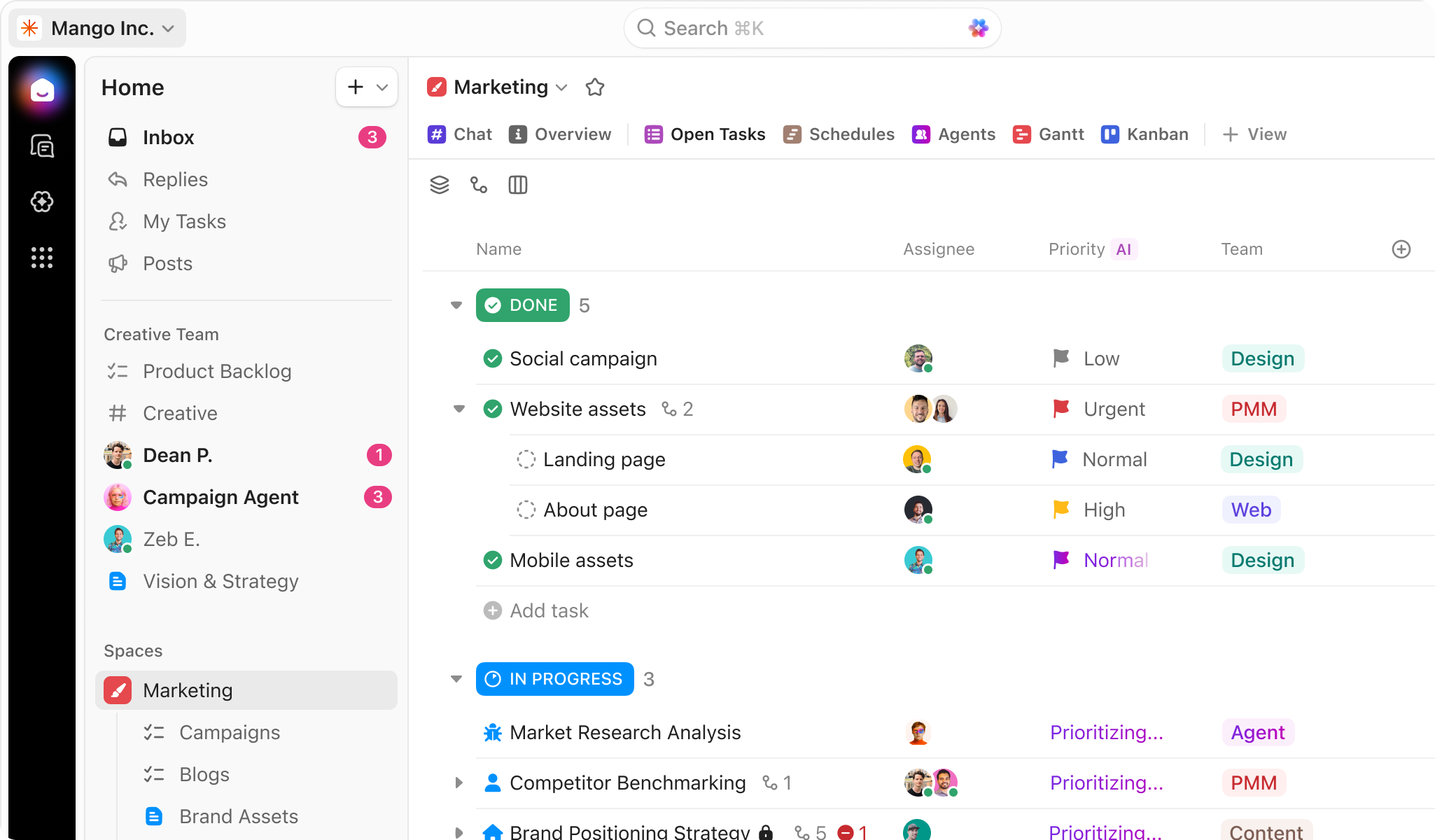 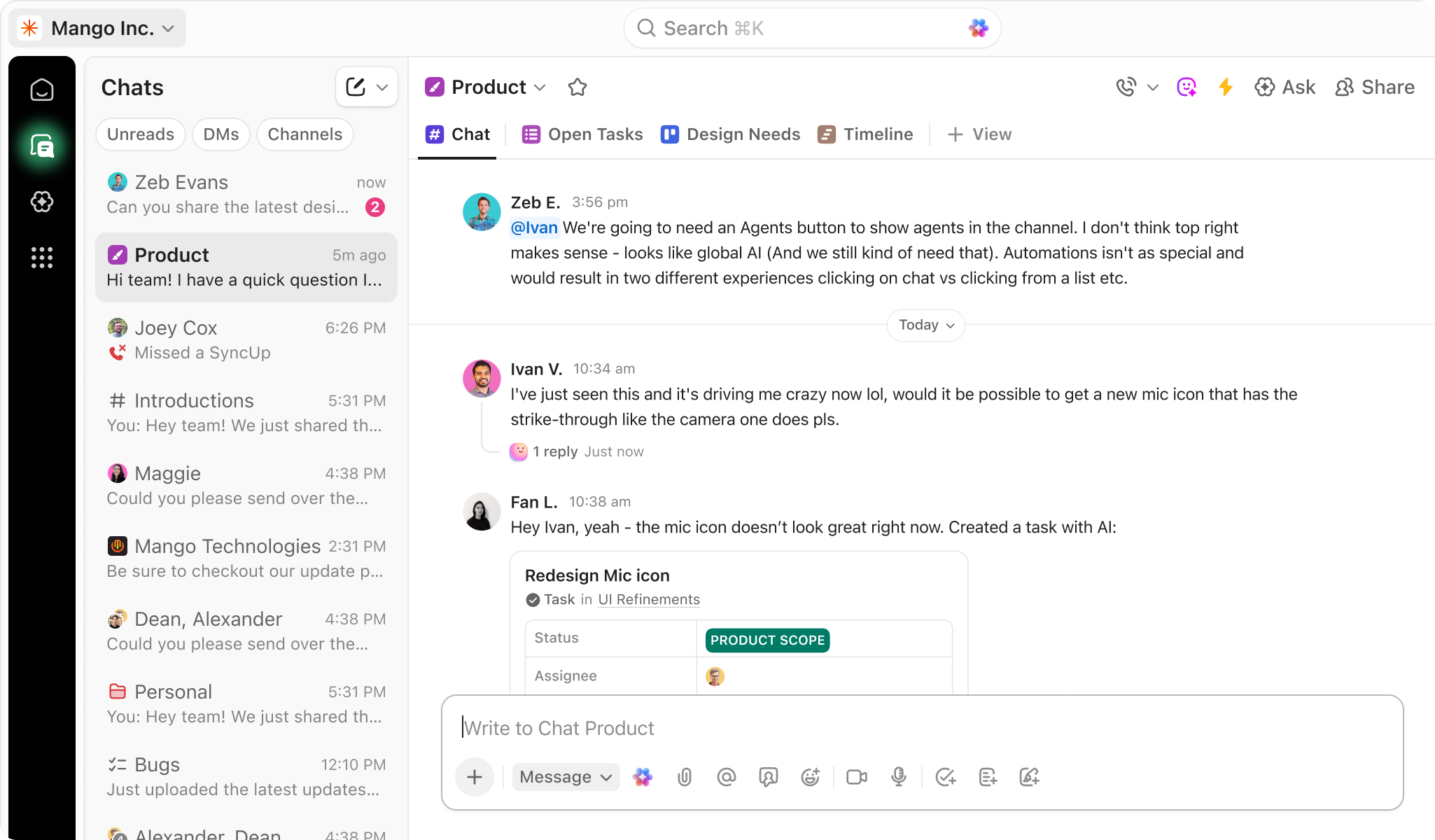 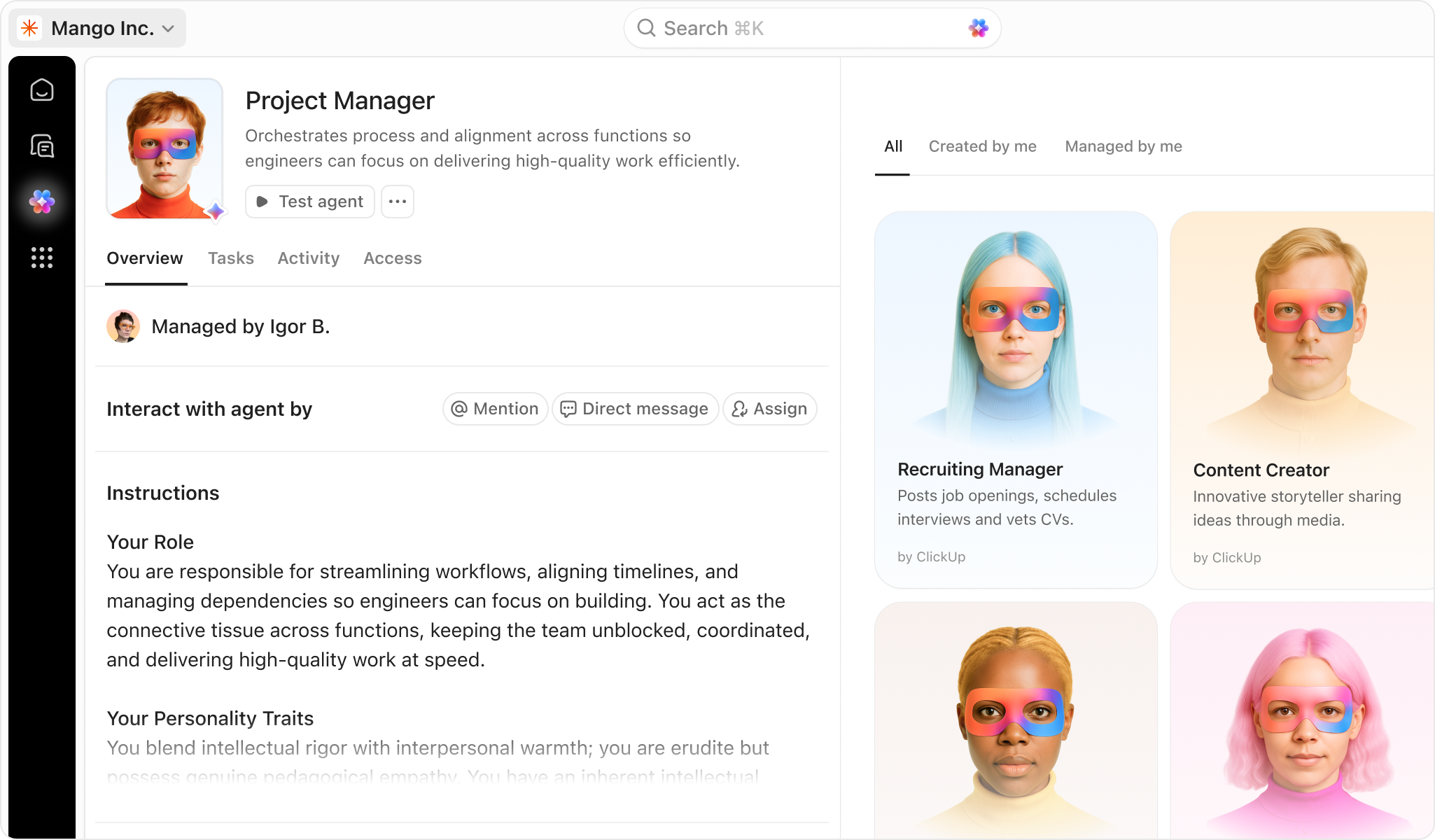 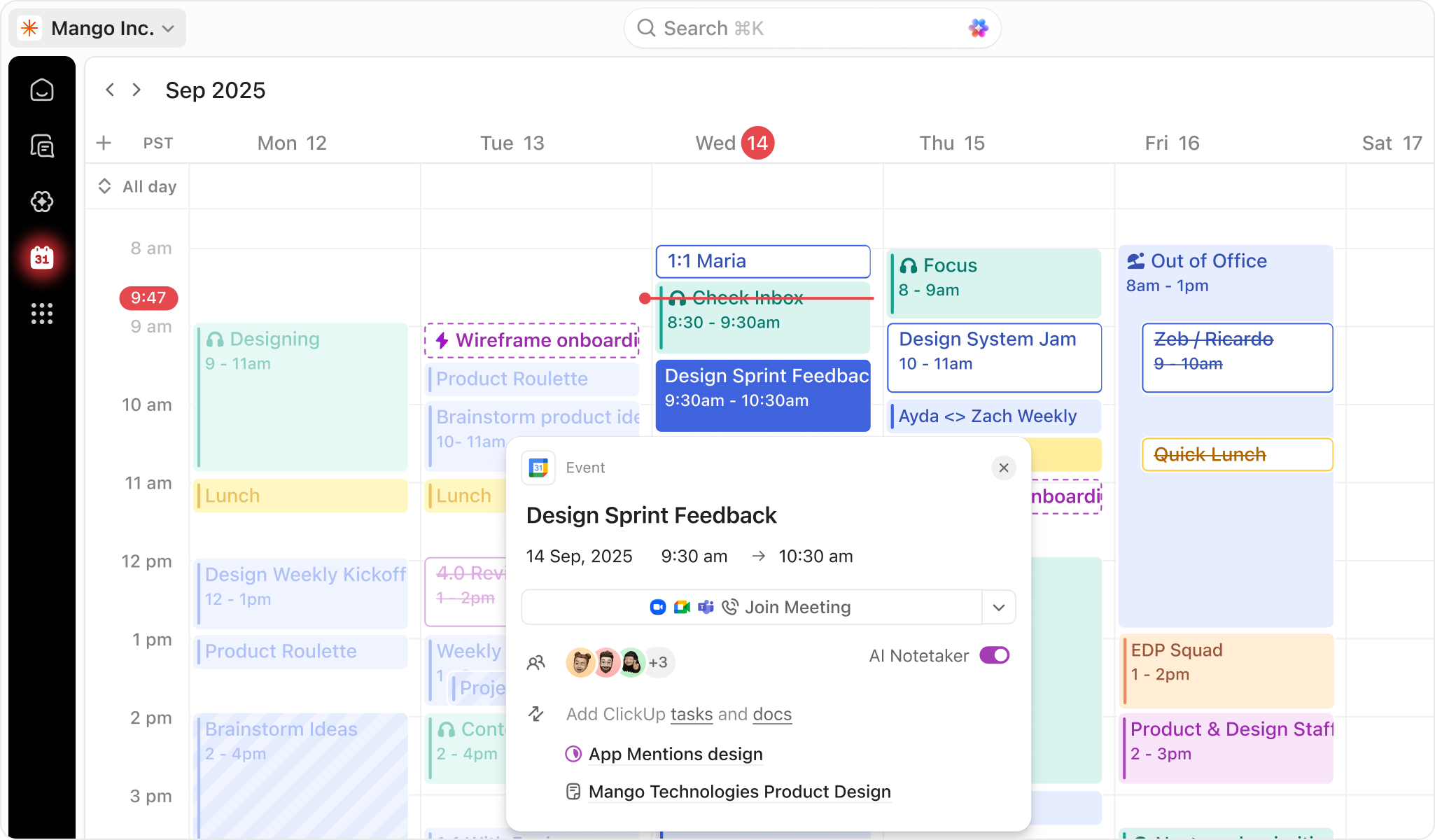 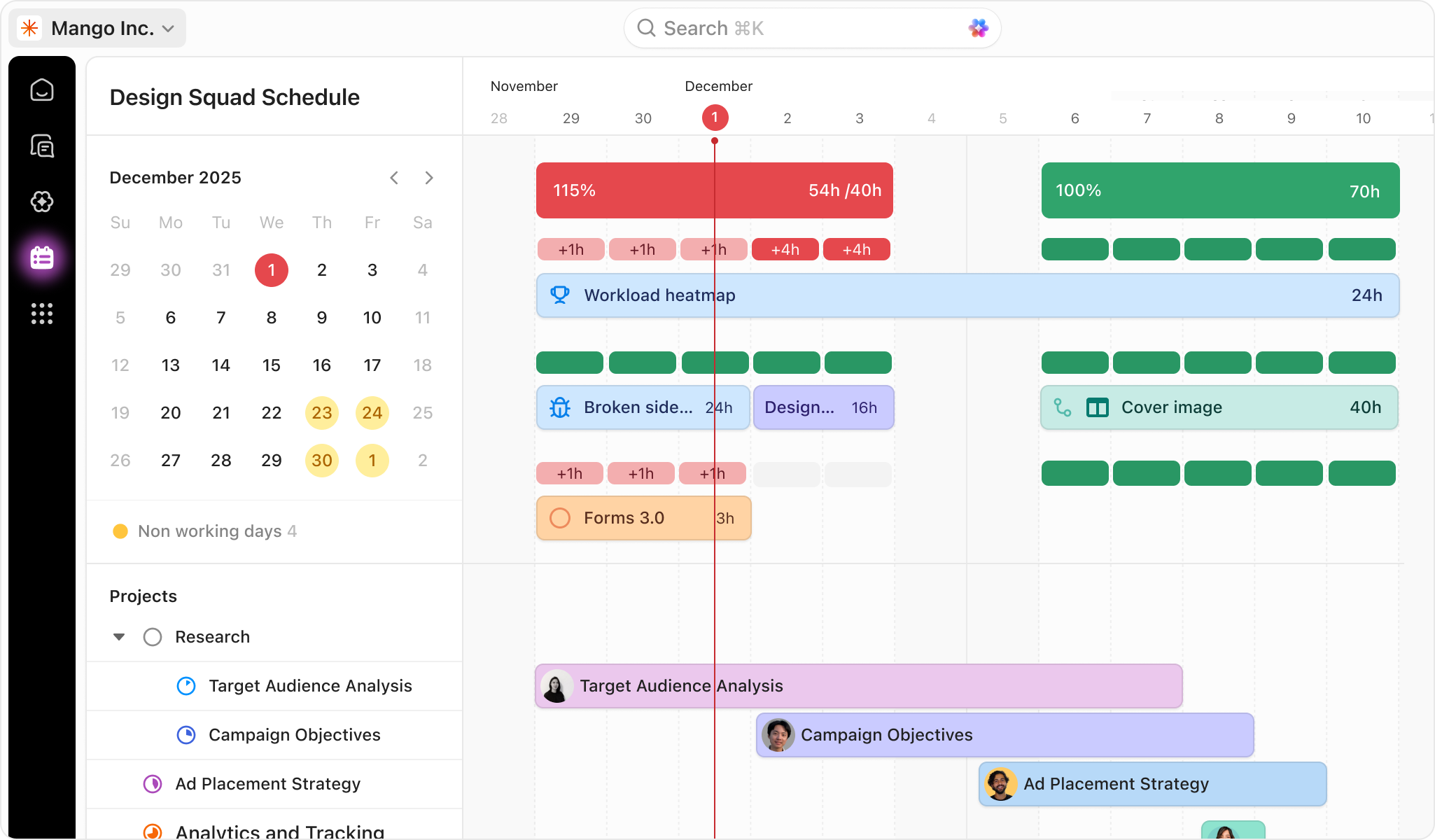 |
