
Cloud Elements (discontinued) vs. Laserfiche vs. OCI API Management
Cloud Elements (discontinued) vs. Laserfiche vs. OCI API Management
| Product | Rating | Most Used By | Product Summary | Starting Price |
|---|---|---|---|---|
 Cloud Elements (discontinued) | N/A | Cloud Elements was a cloud API integration service acquired by UiPath in 2021. It used cooperative apps to connect an organization’s customers, partners and employees to the cloud services they use. The product was discontinued in 2023. | N/A | |
 Laserfiche | N/A | Laserfiche has two main editions: Rio and Avante: Laserfiche Rio is designed to meet the needs of large organizations that have more than 100 users. It combines content management functionality with business process management (BPM), security and auditing, unlimited servers and a thin-client interface. Add-ons include records management functionality, public Web portals and production-level document capture and processing. Laserfiche Avante is an ECM suite for small to medium organizations with… | $540 per year per user | |
 OCI API Management | N/A | Oracle Cloud Infrastructure (OCI) provides a comprehensive set of services to manage the lifecycle of APIs (application programming interfaces). The built-in tools let developers to collaborate on prototyping, testing, and validating APIs. | $3 per month per 1 Million API calls |
| Cloud Elements (discontinued) | Laserfiche | OCI API Management | ||||||||||||||||||||||
|---|---|---|---|---|---|---|---|---|---|---|---|---|---|---|---|---|---|---|---|---|---|---|---|---|
| Editions & Modules | No answers on this topic |
| No answers on this topic | |||||||||||||||||||||
| Offerings |
| |||||||||||||||||||||||
| Entry-level Setup Fee | No setup fee | No setup fee | No setup fee | |||||||||||||||||||||
| Additional Details | — | — | — | |||||||||||||||||||||
| More Pricing Information | ||||||||||||||||||||||||
| Cloud Elements (discontinued) | Laserfiche | OCI API Management |
|---|
| Cloud Elements (discontinued) | Laserfiche | OCI API Management | |||||||||||||||||||||||||||||||||||||||||||||||||||
|---|---|---|---|---|---|---|---|---|---|---|---|---|---|---|---|---|---|---|---|---|---|---|---|---|---|---|---|---|---|---|---|---|---|---|---|---|---|---|---|---|---|---|---|---|---|---|---|---|---|---|---|---|---|
| Enterprise Content Management |
| ||||||||||||||||||||||||||||||||||||||||||||||||||||
| API Management |
|
| Cloud Elements (discontinued) | Laserfiche | OCI API Management | |
|---|---|---|---|
| Small Businesses |  Make Score 9.3 out of 10 |  Square 9 Softworks Score 9.7 out of 10 |  NGINX Score 9.2 out of 10 |
| Medium-sized Companies |  IBM App Connect Score 9.2 out of 10 |  MediaValet Score 9.0 out of 10 | NGINX Score 9.2 out of 10 |
| Enterprises | IBM App Connect Score 9.2 out of 10 | MediaValet Score 9.0 out of 10 | NGINX Score 9.2 out of 10 |
| All Alternatives | View all alternatives | View all alternatives | View all alternatives |
| Cloud Elements (discontinued) | Laserfiche | OCI API Management | |
|---|---|---|---|
| Likelihood to Recommend | 8.6 (8 ratings) | 9.0 (48 ratings) | 8.0 (15 ratings) |
| Likelihood to Renew | - (0 ratings) | 8.6 (16 ratings) | - (0 ratings) |
| Usability | - (0 ratings) | 9.0 (9 ratings) | - (0 ratings) |
| Availability | - (0 ratings) | 10.0 (2 ratings) | - (0 ratings) |
| Performance | - (0 ratings) | 9.0 (1 ratings) | - (0 ratings) |
| Support Rating | - (0 ratings) | 9.4 (9 ratings) | - (0 ratings) |
| Online Training | - (0 ratings) | 10.0 (1 ratings) | - (0 ratings) |
| Ease of integration | - (0 ratings) | 8.0 (1 ratings) | - (0 ratings) |
| Cloud Elements (discontinued) | Laserfiche | OCI API Management | |
|---|---|---|---|
| Likelihood to Recommend |  Discontinued Products
 Erik Ralston Chief Architect |  Laserfiche
 Stephen Green Accreditation Manager |  Oracle
 Jackson Waithaka Electrical Engineer |
| Pros | Discontinued Products
| Laserfiche
 Angela Jordan Dept. Head Secretary for Building & Planning | Oracle
 Dan Hotka author |
| Cons | Discontinued Products
| Laserfiche
| Oracle
|
| Likelihood to Renew | Discontinued Products No answers on this topic | Laserfiche
 Judy Nie Finance Clerk | Oracle No answers on this topic |
| Usability | Discontinued Products No answers on this topic | Laserfiche
 Ramsey Oklah Lead Solutions Architect | Oracle No answers on this topic |
| Reliability and Availability | Discontinued Products No answers on this topic | Laserfiche
 Tim Nolan Sr Application Manager | Oracle No answers on this topic |
| Performance | Discontinued Products No answers on this topic | Laserfiche
| Oracle No answers on this topic |
| Support Rating | Discontinued Products No answers on this topic | Laserfiche
 Alexa Siebert Records Management Technician, Public Works and Utilities | Oracle No answers on this topic |
| Online Training | Discontinued Products No answers on this topic | Laserfiche
 Sheree Montgomery Facilities Plans Coordinator/Laserfiche Administrator | Oracle No answers on this topic |
| Alternatives Considered | Discontinued Products
| Laserfiche
 Glen Murie Laserfiche Application Specialist | Oracle
 Jared Jacobson Senior IT Business Analyst |
| Return on Investment | Discontinued Products
| Laserfiche
 Mark Ellickson Senior Account Manager | Oracle
 prabhakar srivastava Software Developer |
| ScreenShots | Laserfiche Screenshots   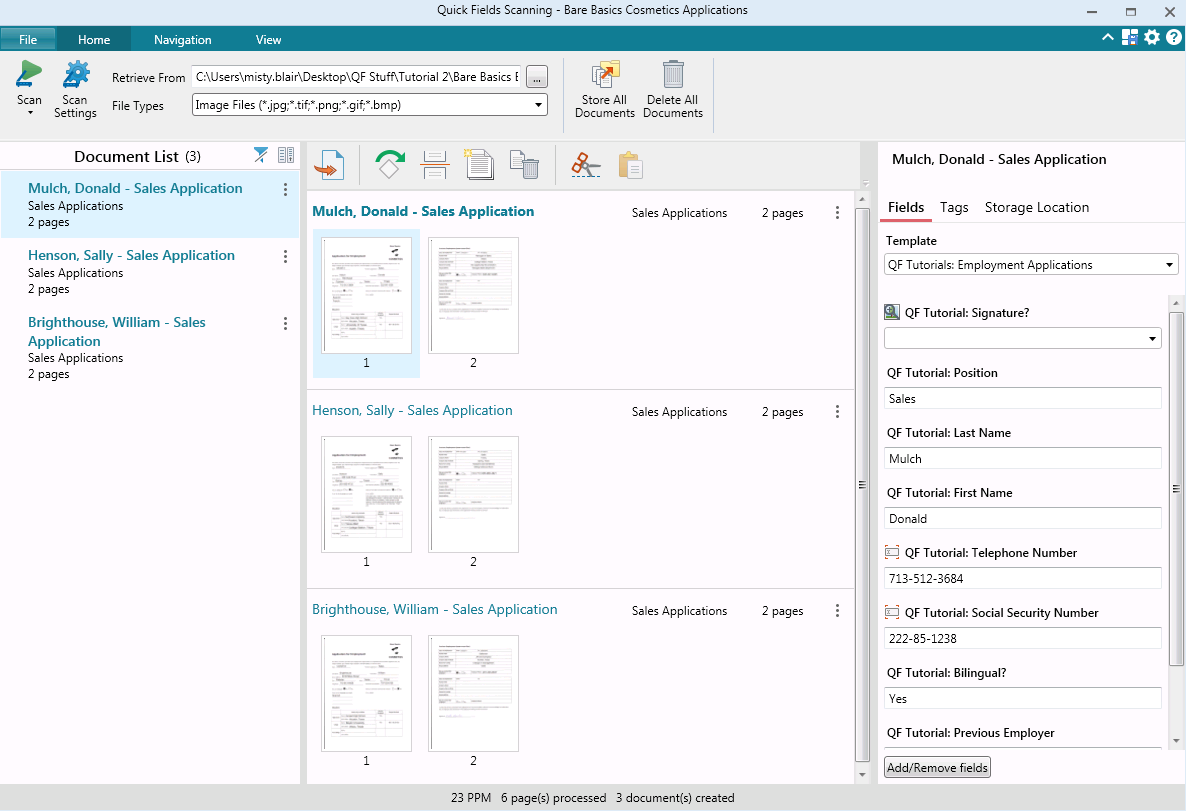  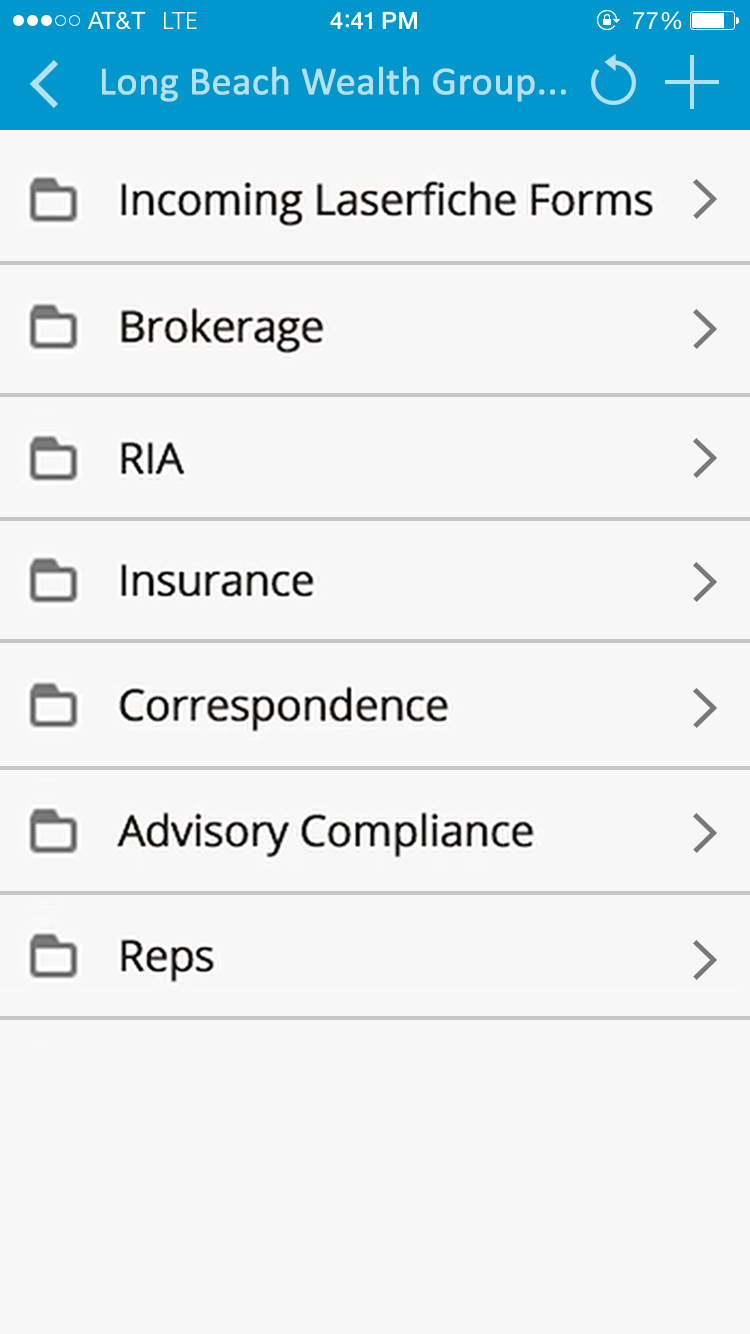 |