
James Roy
Office Manager
Chose Harvest
Harvest is a bit more robust and offers additional related options such as invoicing (which Clockify does not have) though most people invoice through another system anyway.

| Product | Rating | Most Used By | Product Summary | Starting Price |
|---|---|---|---|---|
 Harvest | N/A | Harvest is used to track time, gain insights from past projects, and get paid for work. Dedicated apps and integrations with popular tools like Asana and Slack allow Harvest to fit into a team’s workflow. A selection of visual reports are offered to keep projects running smoothly and an organization's team supported. Harvest also helps to turn a team’s tracked time and expenses into professional nvoices and collect payment quickly with integrated online payments. | $13.75 per month per seat | |
 Kickidler | N/A | Kickidler is an employee monitoring and user activity tracking software. The tool provides automation of control of personnel, information security and aims to increase business efficiency. Main Kickidler features: online monitoring of computers, recording and playback of employees history of activity, analysis of efficiency, time tracking and also violations detecting. Kickidler can be used to optimize communications inside the company and remote workers monitoring. | N/A | |
 Paymo | N/A | Paymo is a collaborative work management platform that helps track team progress, collaborate in context, and make smarter decisions. It acts as a single source of truth, where project planning, resource scheduling, file proofing, time tracking, and billing feed into each other to co-exist under the same roof. | $0 Up to 10 users |
| Harvest | Kickidler | Paymo | ||||||||||||||||||||||
|---|---|---|---|---|---|---|---|---|---|---|---|---|---|---|---|---|---|---|---|---|---|---|---|---|
| Editions & Modules |
| No answers on this topic |
| |||||||||||||||||||||
| Offerings |
| |||||||||||||||||||||||
| Entry-level Setup Fee | No setup fee | Optional | No setup fee | |||||||||||||||||||||
| Additional Details | 20% discount for annual billing on Pro and Premium plans. | — | Free version available for freelancers. | |||||||||||||||||||||
| More Pricing Information | ||||||||||||||||||||||||
| Harvest | Kickidler | Paymo | |
|---|---|---|---|
| Considered Multiple Products |  Harvest James Roy Office Manager Chose Harvest Harvest is a bit more robust and offers additional related options such as invoicing (which Clockify does not have) though most people invoice through another system anyway.  Brian Manning President & Co-Founder Chose Harvest Harvest had automated expense tracking features which neither had and more robust time tracking capability around client and project structuring.  Alan Bloxham Project Manager Chose Harvest Upwork works great at tracking time for projects, however it doesn't allow you to track your own time. ADP is the opposite to Upwork, you can track personal time, but there's nothing to track for projects or other clients. Overall, Harvest is better in every way.  Marc Duke Marketing Consultant Chose Harvest Harvest Chrome extension is not as refined as Toggl but it integrates expenses which is a lot better. The reporting element of it is better than Toggl as well. With Toggl you don't have to confirm submission on a week by week basis which can be a little irritating. Toggle does …  Sarah Porter Digital Marketing Manager Chose Harvest Other products that we've used did not show the projects that were being worked on during the employee's workday.  Erin Harris Director of Sales & Marketing Chose Harvest I've only used in-house time tracking/payroll systems or managed my own invoicing system. I have no opinion on how Harvest compares to other programs.  Lynzee Jablonka Senior Account Manager Chose Harvest Like Asana, Harvest is great for project management, though it definitely skews more toward the time tracking rather than the step by step process. Some of our team members write out their to-do list as project tasks in Havest and start the tracker when they're ready to get to …  McKay Salisbury Founder/CEO Chose Harvest Harvest tends to be a little bit more expensive than other options such as Clockify (depending on how many users you have) but it's more robust and includes additional features that, depending on your business, may be necessary. It's very reliable, user-friendly, and easy to …  Lark Ismail Website Support, Managing Director Chose Harvest Freshbooks is a great program and I used to use it before my needs changed and I needed different features. When I switched, Harvest had made the most progress versus other platforms of making time tracking easy. This is important for accuracy versus having team members forget …  Joy Reschke Brand Strategist Chose Harvest We have not evaluated any other services.  Dave Seeman Co-Owner / Mechanical Design Engineer Chose Harvest Harvest has everything you need in one software, excellent support, and a simple and clean interface.  Chris Hecox Business Owner Chose Harvest Harvest is pretty darn good vs. these other options. I recommend trying it out on trial.  Tegan Jenner Senior Data Analyst Chose Harvest Harvest is significantly better than Jira. I think Jira's is not originally intended to be used as a time logging/management system, but we had been previously using it as that. It was much clunkier, and many employees had a difficult time using it as a user interface goes. Harve… Chose Harvest The Harvest UI was much simpler. The others felt like they had too much going on and setting up and maintaining was confusing. Harvest's interface is very straightforward and easy enough for a non-techie to set up for their business. Toggl was the closest competitor and looked …  Brian Alonzo Owner - Web Designer & Developer Chose Harvest We tried Quickbooks Online for project invoices and Harvest far exceeds its ability. QuickBooks did not allow us to easily track time or create easy to use line-item estimates. We have not been able to find a service that can offer everything Harvest can help with. Harvest … |  Kickidler |  Paymo  Neal Bauer President - Bauer Graphics Chose Paymo We still use Trello and Slack, but Basecamp and Hubspot are too much for our operation to manage or integrate. Paymo is missing some of the tracking features of HubSpot and isn't as universally used as Basecamp but we've been with them for 8 years and they seem to know what …  Lacey Piekarz Owner and Principal Consultant Chose Paymo More robust than apps like Harvest with a more user-friendly time tracking interface.  Daniel Summers Jr Head Cat Chose Paymo Paymo lets me track to the minute - even going back to add in time that I wasn't able to track via the app. This has been wonderful as clients might call with something quick but when I'm not able to turn on the tracker, yet I'm still able to appear to them as if I was sitting …  Lisa Johnson Marketing Manager Chose Paymo No competition.. Paymo was by far the best software for our needs. |
| Harvest | Kickidler | Paymo | |||||||||||||||||||||||||||||||||||||||||||||||
|---|---|---|---|---|---|---|---|---|---|---|---|---|---|---|---|---|---|---|---|---|---|---|---|---|---|---|---|---|---|---|---|---|---|---|---|---|---|---|---|---|---|---|---|---|---|---|---|---|---|
| Project Management |
| ||||||||||||||||||||||||||||||||||||||||||||||||
| Professional Services Automation |
|
| Harvest | Kickidler | Paymo | |
|---|---|---|---|
| Small Businesses |  Dayforce Powerpay Score 9.2 out of 10 |  Traqq Score 9.1 out of 10 |  Stackby Score 8.9 out of 10 |
| Medium-sized Companies |  TimeClock Plus Score 9.5 out of 10 |  Hubstaff Score 9.4 out of 10 |  InEight Score 8.2 out of 10 |
| Enterprises |  Zoho People Score 8.9 out of 10 | Hubstaff Score 9.4 out of 10 | InEight Score 8.2 out of 10 |
| All Alternatives | View all alternatives | View all alternatives | View all alternatives |
| Harvest | Kickidler | Paymo | |
|---|---|---|---|
| Likelihood to Recommend | 9.5 (0 ratings) | 8.6 (0 ratings) | 8.0 (0 ratings) |
| Usability | 9.1 (0 ratings) | - (0 ratings) | 9.0 (0 ratings) |
| Support Rating | 8.4 (0 ratings) | - (0 ratings) | 8.9 (0 ratings) |
| Harvest | Kickidler | Paymo | |
|---|---|---|---|
| Likelihood to Recommend |
 Alex Greenwood Principal and Owner |
|
Daniel Summers Jr Head Cat |
| Pros |
 Laura Cain Director, Business Operations |
|
 Heather Miller Senior Graphic Designer |
| Cons |
Brian Alonzo Owner - Web Designer & Developer |
|
 Jillyn Dillon Principal |
| Usability |
James Roy Office Manager | No answers on this topic |
|
| Support Rating |
Marc Duke Marketing Consultant | No answers on this topic |
|
| Alternatives Considered |
|
|
|
| Return on Investment |
Sarah Porter Digital Marketing Manager |
|
 Kaitlin Berg Marketing Communications Coordinator |
| ScreenShots | Harvest Screenshots     | Paymo Screenshots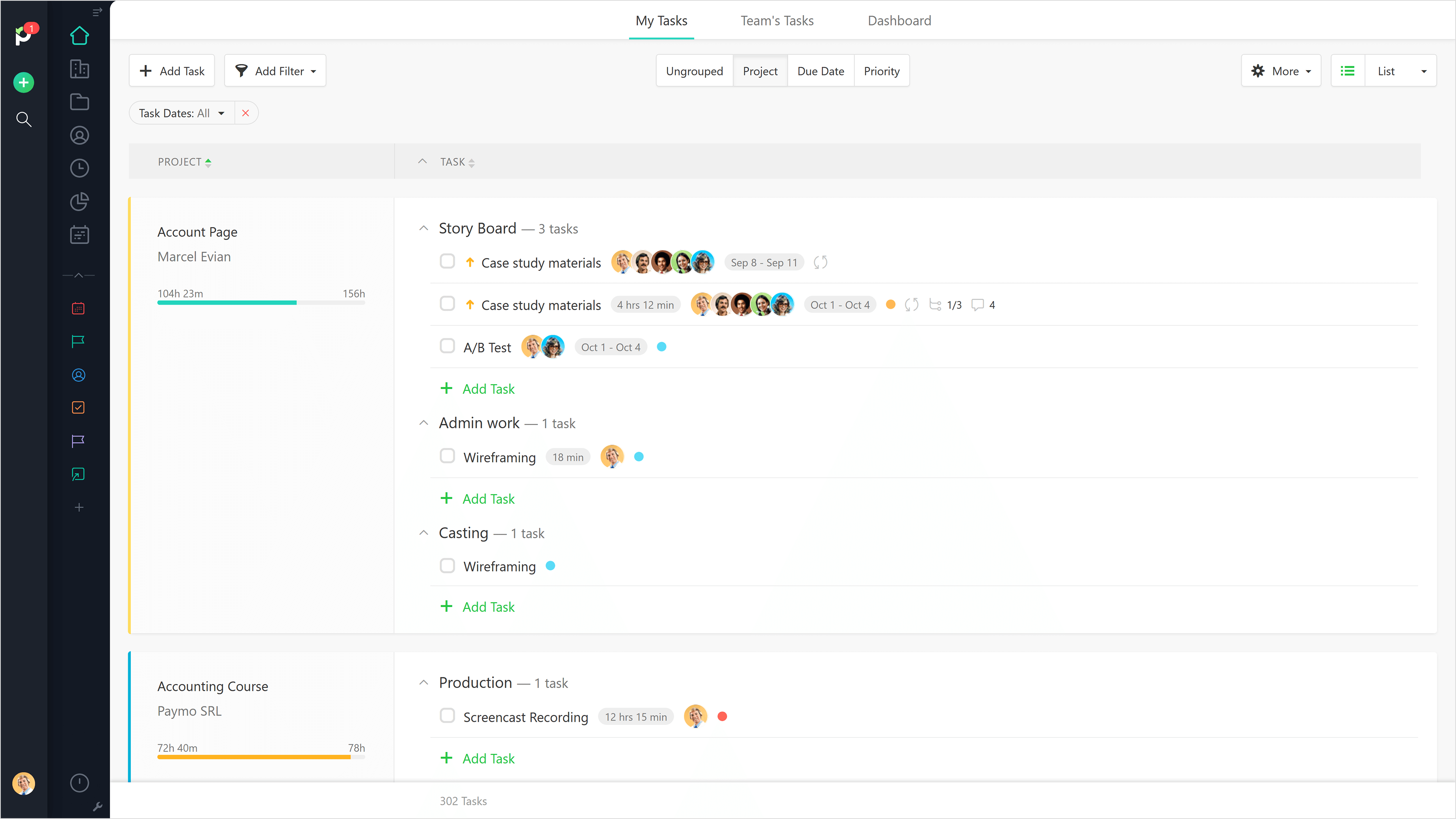 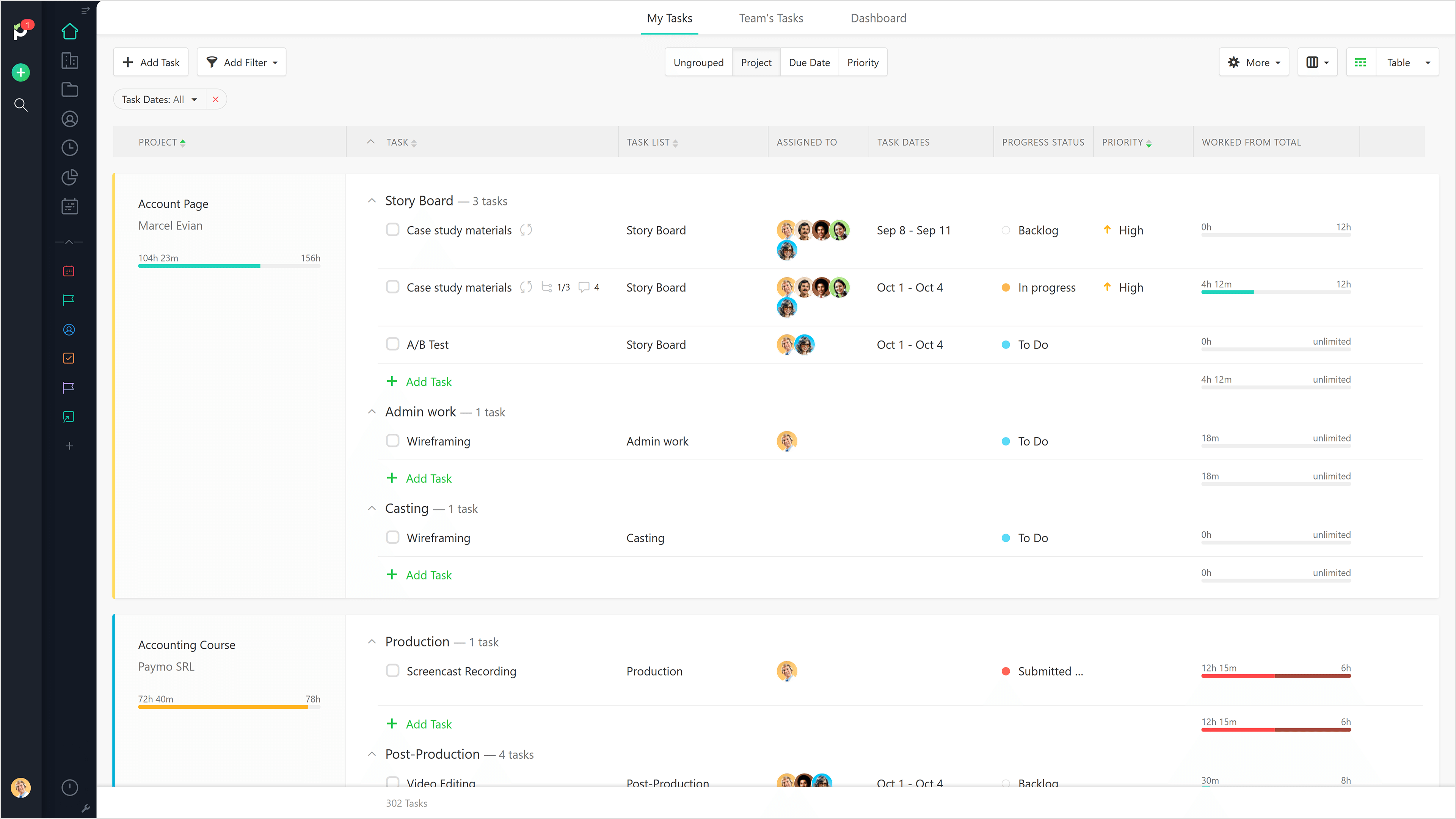     |
