
Fadi Dagher
Solutions Architect
Chose Jitterbit

| Product | Rating | Most Used By | Product Summary | Starting Price |
|---|---|---|---|---|
 Jitterbit | N/A | Jitterbit is a cloud integration technology for cloud, social or mobile apps. It provides accessibility for non-technical users, including easily creating API’s and data transformation scripts within the integrations. | $1,000 per month | |
 Postman | N/A | Postman, headquartered in San Francisco, offers their flagship API development and management free to small teams and independent developers. Higher tiers (Postman Pro and Postman Enterprise) support API management, as well as team collaboration, extended support and other advanced features. | $0 | |
 SnapLogic | N/A | SnapLogic is a cloud integration platform with a self-service capacity supported by over 450 prebuilt modifiable connectors. SnapLogic also offers real-time and batch integration processes for interfacing with external data sources, a drag-and-drop interface, and use of the vendors’ Iris AI. | N/A |
| Jitterbit | Postman | SnapLogic | ||||||||||||||||||||||
|---|---|---|---|---|---|---|---|---|---|---|---|---|---|---|---|---|---|---|---|---|---|---|---|---|
| Editions & Modules |
|
| No answers on this topic | |||||||||||||||||||||
| Offerings |
| |||||||||||||||||||||||
| Entry-level Setup Fee | No setup fee | No setup fee | Optional | |||||||||||||||||||||
| Additional Details | — | 1. Postman Free plan: Start designing, developing, and testing APIs at no cost for teams of up to three people. 2. Postman Basic plan: Collaborate with your team to design, develop, and test APIs faster; $12/month per user, billed annually 3. Postman Professional plan: Centrally manage the entire API workflow; $29/month per user, billed annually 4. Postman Enterprise plan: Securely manage, organize, and accelerate API-first development at scale; $99/month per user, billed annually | — | |||||||||||||||||||||
| More Pricing Information | ||||||||||||||||||||||||
| Jitterbit | Postman | SnapLogic | |
|---|---|---|---|
| Considered Multiple Products |  Jitterbit Fadi Dagher Solutions Architect Chose Jitterbit  Laura Sponaas IT Developer Architect Chose Jitterbit Scribe - we had problems with this product (jobs were running long, some jobs would finish incomplete without any warning or info, etc) and we wanted more functionality/configurability -- keep in mind this was 3 years ago, so the product may have changed since then! CozyRoc … | Postman No answer on this topic |  SnapLogic  Tony Kowalick Assistant Director of Enterprise Systems Chose SnapLogic Boomi was our runner-up product. The pricing model was much higher and cost-prohibitive. They were not as flexible with pricing on a non-profit higher education institution. We did love their integration code library shared across all clients. The user interface was on par … |
| Jitterbit | Postman | SnapLogic | |||||||||||||||||||||||||||||||
|---|---|---|---|---|---|---|---|---|---|---|---|---|---|---|---|---|---|---|---|---|---|---|---|---|---|---|---|---|---|---|---|---|---|
| Cloud Data Integration |
| ||||||||||||||||||||||||||||||||
| API Management |
|
| Jitterbit | Postman | SnapLogic | |
|---|---|---|---|
| Small Businesses |  Make Score 9.3 out of 10 |  NGINX Score 9.2 out of 10 | Make Score 9.3 out of 10 |
| Medium-sized Companies |  IBM App Connect Score 9.2 out of 10 | NGINX Score 9.2 out of 10 | IBM App Connect Score 9.2 out of 10 |
| Enterprises | IBM App Connect Score 9.2 out of 10 | NGINX Score 9.2 out of 10 | IBM App Connect Score 9.2 out of 10 |
| All Alternatives | View all alternatives | View all alternatives | View all alternatives |
| Jitterbit | Postman | SnapLogic | |
|---|---|---|---|
| Likelihood to Recommend | 7.0 (25 ratings) | 9.0 (43 ratings) | 8.1 (24 ratings) |
| Likelihood to Renew | 8.0 (9 ratings) | - (0 ratings) | 9.0 (2 ratings) |
| Usability | - (0 ratings) | 8.8 (7 ratings) | 7.0 (1 ratings) |
| Support Rating | 10.0 (1 ratings) | 7.1 (11 ratings) | 8.5 (4 ratings) |
| Implementation Rating | - (0 ratings) | - (0 ratings) | 9.0 (1 ratings) |
| Ease of integration | - (0 ratings) | 9.0 (1 ratings) | - (0 ratings) |
| Jitterbit | Postman | SnapLogic | |
|---|---|---|---|
| Likelihood to Recommend | Jitterbit
| Postman
 Callum O'Connor Senior Analytics Engineer | Snaplogic
|
| Pros | Jitterbit
| Postman
 Kerry Haupt HR Director | Snaplogic
|
| Cons | Jitterbit
Laura Sponaas IT Developer Architect | Postman
| Snaplogic
|
| Likelihood to Renew | Jitterbit
 Crystal Steinbach, MBA Digital Communications Professional | Postman No answers on this topic | Snaplogic
Tony Kowalick Assistant Director of Enterprise Systems |
| Usability | Jitterbit No answers on this topic | Postman
| Snaplogic
 Jacob Rasmussen Data Engineer |
| Support Rating | Jitterbit
 Travis Terry Performance Testing Engineer / Front End Developer /System Analyst | Postman
| Snaplogic
|
| Implementation Rating | Jitterbit No answers on this topic | Postman No answers on this topic | Snaplogic
Jacob Rasmussen Data Engineer |
| Alternatives Considered | Jitterbit
 Laura McDonough, PMP Vice-President, Business Operations & PMO | Postman
 Anthony Aziz Senior Software Engineer | Snaplogic
|
| Return on Investment | Jitterbit
| Postman
| Snaplogic
|
| ScreenShots | Postman Screenshots     | SnapLogic Screenshots  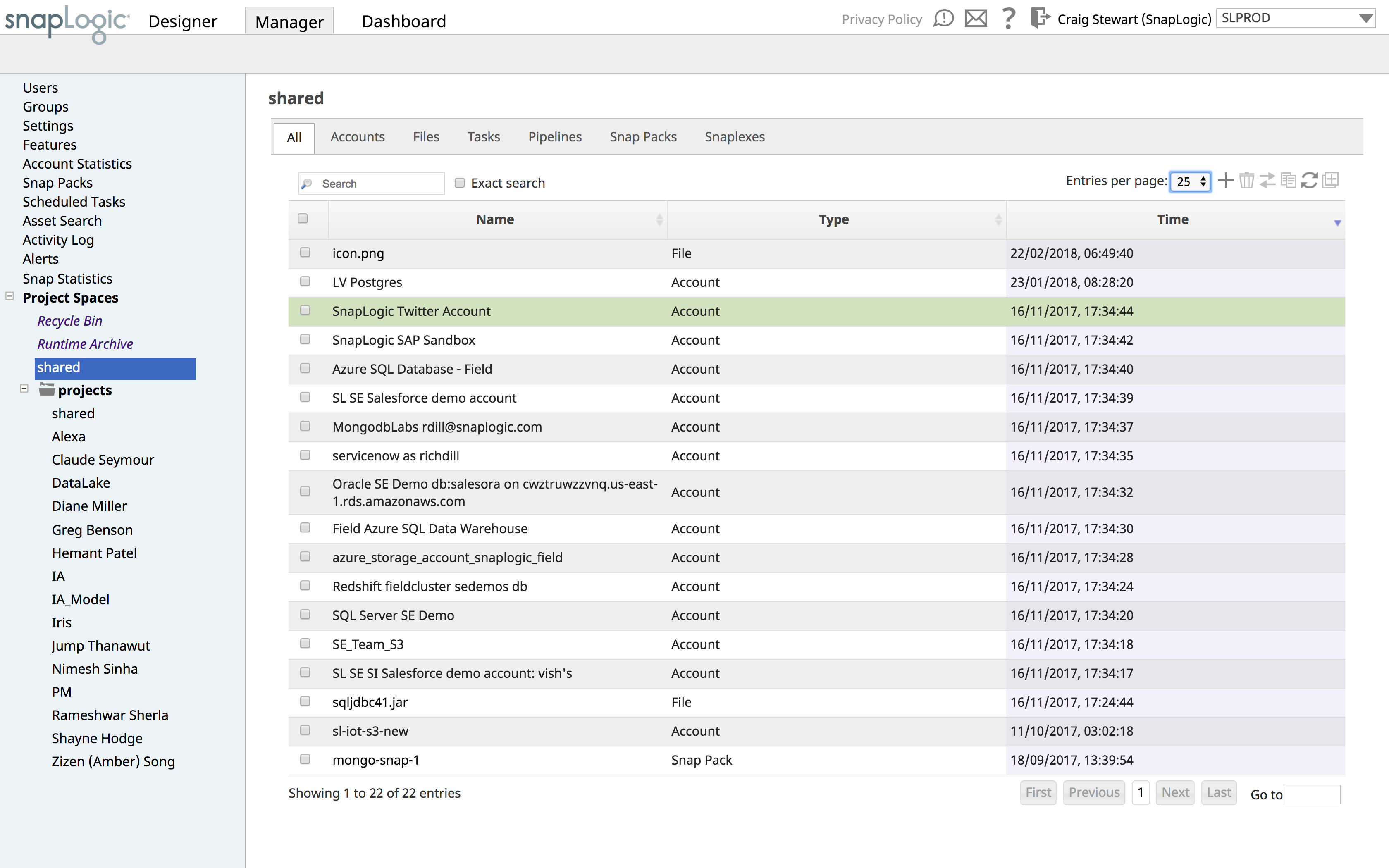 |