Confluence is a collaboration and content sharing platform used primarily by customers who are already using Atlassian's Jira project tracking product. The product appeals particularly to IT users.
$0
Free for 10 Users
BMC AMI DevX
Score 9.3 out of 10
N/A
BMC AMI DevX is an integrated software platform that provides mainframe development teams with modern Application Development and DevOps capabilities. The solution connects traditional mainframe environments with contemporary development practices through components for source code management, testing, debugging, and analytics.
N/A
Typo
Score 9.1 out of 10
N/A
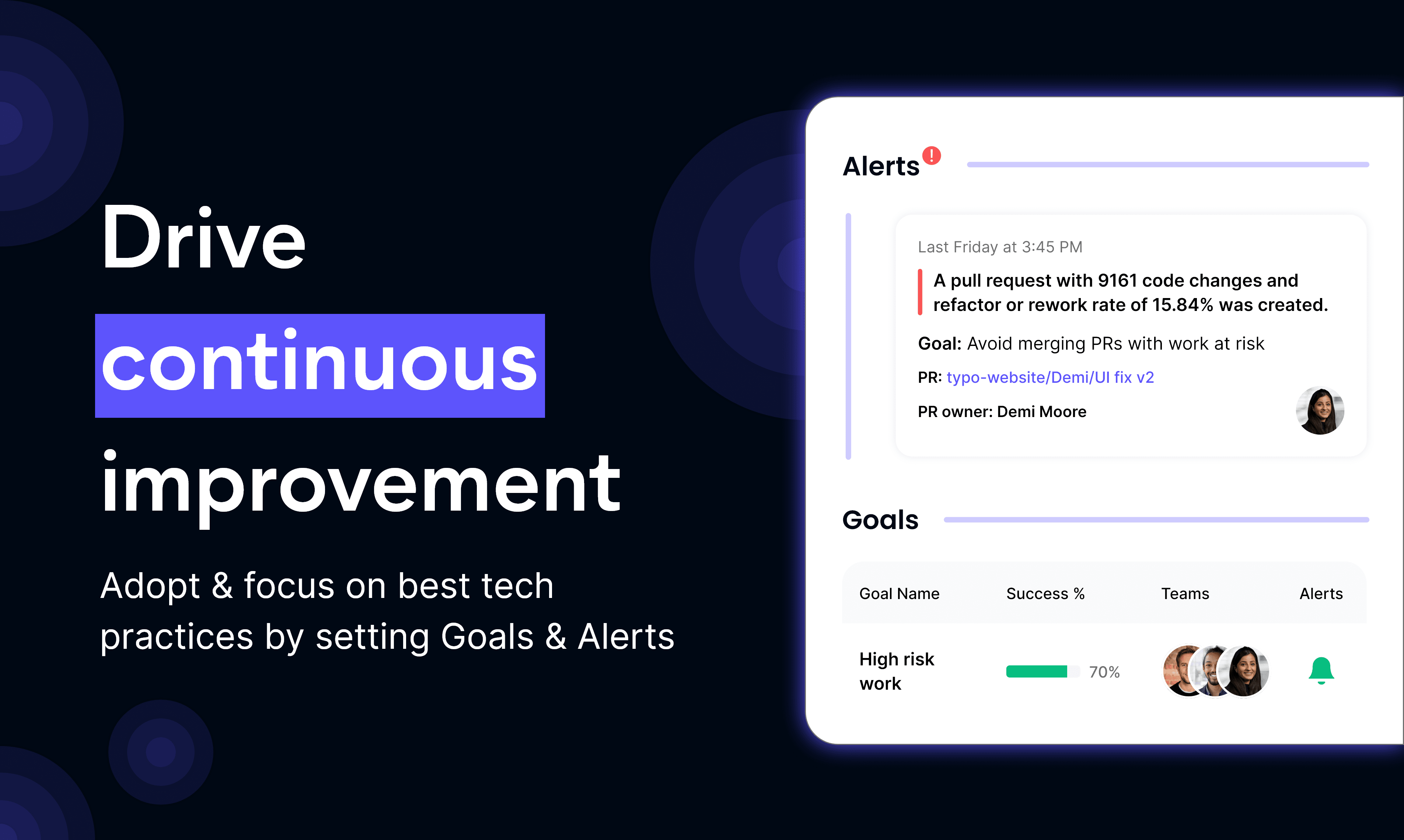
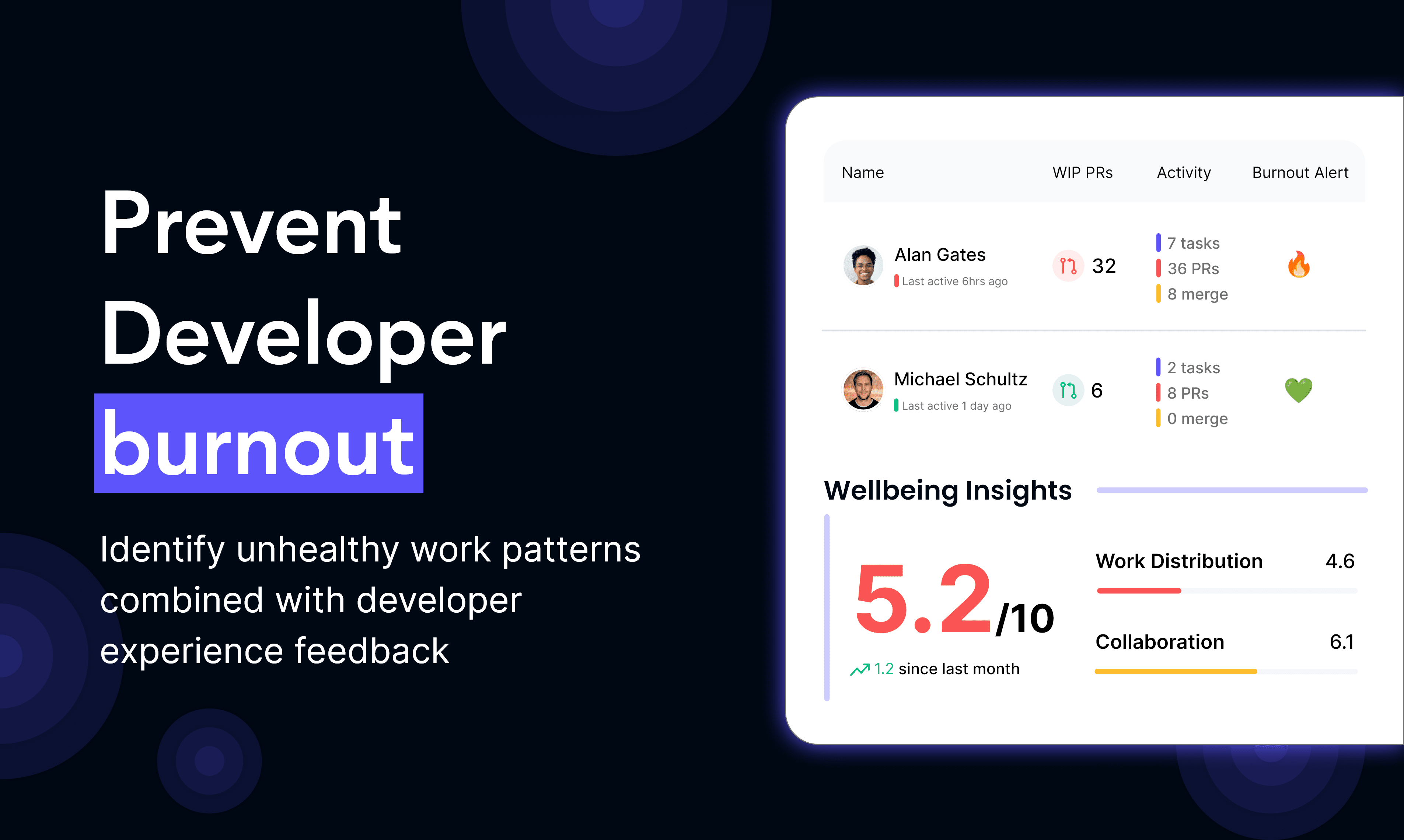
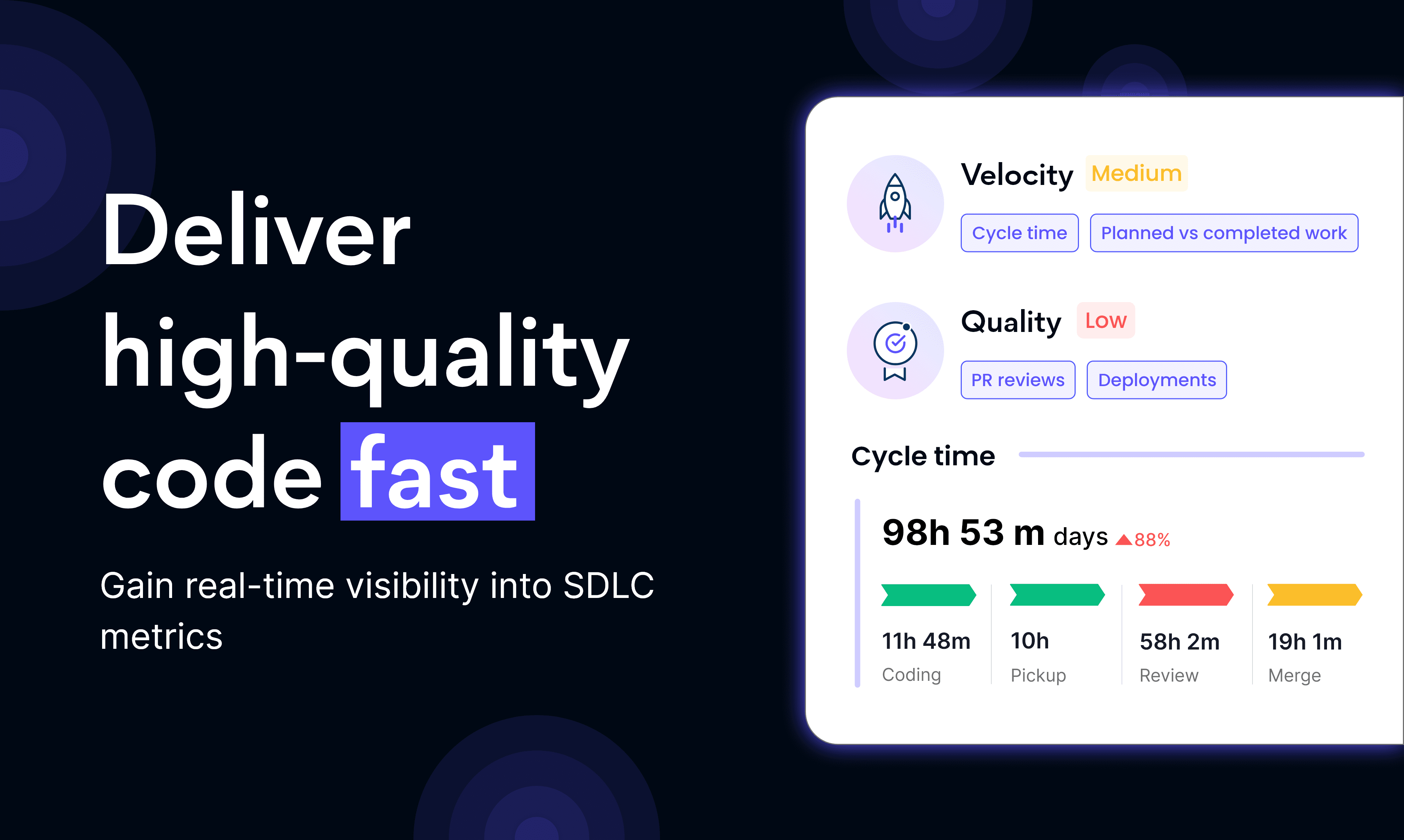
Typo is a software development productivity platform that helps Engineering Leaders & Managers gain visibility, unblock the flow & drive continuous improvement. Here's what can be done with Typo: - Connect the dots across developer tools to gain visibility of their work & well-being - See where teams spend most of their efforts & align on what matters - Improve performance with recommended team goals & automated alerts on Slack
Typo boasts users among 100+ Engineering…
$20
per month per user
Pricing
Atlassian Confluence
BMC AMI DevX
Typo
Editions & Modules
Free
$0
Free for 10 Users
Standard
$6.40
per month per user
Premium
$12.30
per month per user
Data Center
220,000.00
40,001+ Users - Annually
Enterprise
Contact Sales
No answers on this topic
Starter (for up to 10 members)
$20
per month per user
Pro (for 10-250 members)
$30
per month per user
Enterprise (for 250+ members)
Custom
per month per user
Offerings
Pricing Offerings
Confluence
BMC AMI DevX
Typo
Free Trial
Yes
No
Yes
Free/Freemium Version
No
No
No
Premium Consulting/Integration Services
No
No
No
Entry-level Setup Fee
No setup fee
No setup fee
No setup fee
Additional Details
Prices shown here reflect prices for deployments with 100 users or less. The prices decrease wien the user base surpasses 100.
—
Typo works on a flat pricing system, based on the number of unique active members fetched through connected data sources. The monthly payment option can be canceled at any time. There is a 20% discount for annual billing.
PayPal is used to process payments securely and most credit cards and debit cards are accepted. Invoices are provided for all subscription plans. All prices are in USD.
It has great features like integration and real time collaboration with new features like AI and automation. So it gives an edge over other tools I have used in the past few years. I am sure there are a lot of features which I have not explored yet, but the features I am using …
Atlassian Confluence has a more comprehensive and flexible set of capabilities that stand out and made the decision upfront more straightforward for our team. The tools we evaluated have knowledge management, task management and collaboration capabilities, however Atlassian …
Atlassian Confluence is way popular for a larger team and makes collaboration way easier. The community is strong and you get easier resolution against any request. It's integration with other Atlassian products like JIRA is an icing on the cake.
In my experience, Atlassian Confluence is at the top of these tools. I've had first hand experience with other tools and they are not at par with Atlassian Confluence. The versatility of the tool is very well recognized and utilized. Being a new user is not a probably as all …
Atlassian Confluence is a super handy hub for sharing ideas and keeping all your docs in one place. While Jira Service Management is more about handling tickets and support issues, Atlassian Confluence really makes teamwork easy. I feel Atlassian Confluence is user-friendly, …
We choose Atlassian Confluence because it is the reference for managing a SAAS wiki service. And having such a solution in our company to manage the knowledge and especially the knowledge transfer is crucial.
Confluence has a more robust set of capabilities compared to Dovetail and Trello and also was already approved by our legal and compliance teams, so it tends to keep its stickiness due to that. It's also widely known in the market as a knowledge management tool. I would say it …
Overall, Atlassian Confluence is a user-friendly tool and offers such a vast array of capabilities for project and knowledge management purposes and beyond. Other tools listed above have much more limited capabilities, although they are great tools for very specific needs and …
The main reason for moving to Atlassian Confluence was for: 1) Having 1 space that holds all of the org's documentation and knowledge sharing 2)We already used JSM and Jira so it would an organic move to have Atlassian Confluence as our main documentation hub 3) The cost …
Confluence, since it is part of the overall infrastructure of Atlassian, makes it immensely powerful internally, to build an internal knowledgebase, and is far ahead of its counterparts in Zendesk and Hubspot, which is more centered towards their customers. Confluence is just …
Sharepoint in out organisation was mostly used for collaborating on documents, which to some degree has been moved to Confluence, where the Confluence pages have replaced the specific documents.
Being a company which uses other Atlassian tools, Atlassian Confluence was a great fit; the natural and automatic linking of assets from other platforms made following paper trails seamless. Though the editing options aren't as advanced as some other options out there, it does …
We find Atlassian better for its ease of use, real time editing, integration with Jira for bug tracking, stores our security compliance documents in structured way, it is feature rich and have lots of capabilities.
In the past, I have used MediaWiki hosted locally as well as Microsoft Team Foundation Server. Wiki was simply a nightmare so all the money saved from paying for Atlassian subscriptions was lost in time while trying to use Wiki and format something properly. I haven't used …
Atlassian Confluence is better suited for documenting and acting as a repository for information than the more immediate what is currently being worked on things that are better suited for in Jira. In my opinion, Atlassian Confluence certainly has it's short comings but it is …
We still use Atlassian Confluence only for its integration with Jira and Bitbucket. For everything else, we moved away from it and are using more modern solutions.
We chose Atlassian Confluence over SharePoint because it's much more user-friendly and intuitive. Atlassian Confluence makes collaboration and knowledge sharing easier with its simpler interface and better search. While SharePoint can be powerful, it often feels clunky and …
The alternatives tested are based only on the whiteboarding functionality added by Confluence Whiteboard, and not the core Confluence functionality (documentation).
Again, Atlassian Confluence is efficient when paired with Jira and can do most of what a company needs it to do. But, I thi Spekit is better for "just-in-time" learning, Sharepoint is better for file hosting and organization, Asana is much better for project/task management, …
We were inclined to use Atlassian Confluence for its easy collaboration with Jira which is used for tracking project development tasks and issues. Using Atlassian Confluence, content creation became easy and even applying access control to the created content was possible. It …
Power bi also gives all the data information about the mainframe server but it does rights codes or debugs the files. Both has other features and I think both does job in their own individual way.
The names may have changed over the years, but anyone who has been around for a while will recognize them. For Software Configuration Management, I have used TSO/ISPF/SCLM, Panvalet, ChangeMan, Librarian, Endevor, and now Code Pipeline. All of them met the basic requirements. …
Optim is more user friendly in how it operates, in my opinion. It's less obtuse to figure out how to extract and mask the data required compared to File-AID. Further, Optim is easier to gather related tables, by far. I do prefer using File-AID via the Topaz GUI much more than …
Atlassian Confluence is a great tool for housing important information and resources across the organization, as it's very easy to search and find content across different teams and departments. The search function is mostly very accurate and the additional tagging with keywords also helps in the search experience. It's also good at tagging other team members, which triggers an automated email to them. Atlassian Confluence also has an extensive template library for all kinds of purposes like project management, etc., which saves time overall.
I love these tools! However, my company has not yet transitioned from SCLM to a modern repository, and this is causing most of our developers to remain within TSO for all their development. It's been a slow adoption up to this point, but we are moving toward more modernization this year and next, so with any luck, we'll see usage pick up. Success depends on the speed at which your management is willing to move.
Its integration with Jira for tracking development and the bugs and work linked to detailed Confluence documentation.
We use it extensively for writing Software Product Requirement Documents, feature specs, architecture designs, and retrospectives.
Our company follows compliance very seriously, so it helps in streamlining all documentation for ISO27001/27017 compliance and security-related information.
Its integration with various tools allows us to create flow diagrams which are often required to make client and customer understand the overall flow of interactions across various modules of the design architecture
Code Pipeline: integration of MF and non-MF type of object (COBOL, Java, zosconnect...). Deployment of objects coming from inside and outside the mainframe in the same way.
Workbench for Eclipse: a must-have for working with Code Pipeline and the mainframe in the development context.
Workbench for VS Code: They started developing VSCode, and the plugin works very well. There are a lot of things to add, but it's still very good. Young developers like it!
I am confident that Atlassian can come with additional and innovative macros and functions to add value to Confluence. In 6 months, Atlassian transformed a good collaborative tools into a more comprehensive system that can help manage projects and processes, as well as "talk" with other Atlassian products like Jira. We are in fact learning more about Jira to evaluate a possible fit to complement our tool box.
It's very intuitive for most things, making it easy to jump in and start creating pages and collaborating. This makes it ideal for onboarding new members to the team. There are a few areas that could be a little smoother, but overall it's a great experience.
We never worked against the tide while using Confluence. Everything loads considerably fast, even media components like videos (hosted on the platform or embed external videos from Youtube, for example). We are not using heavy media components a lot, but in the rare occasion we happen to use one we have no problems whatsoever.
This rating is specifically for Atlassian's self-help documentation on their website. Often times, it is not robust enough to cover a complex usage of one of their features. Frequently, you can find an answer on the web, but not from Atlassian. Instead, it is usually at a power user group elsewhere on the net.
Support has been amazing compared to Optim. Further, new features are very regular with File-AID - I can't remember the last time Optim had a significant update. File-AID support is very receptive to feature requests and reported bugs, including sending out hotfixes quickly.
The installation teams for these products have never complained about any difficulties during the integration of this range of tools into our IT system.
Atlassian Confluence is a super handy hub for sharing ideas and keeping all your docs in one place. While Jira Service Management is more about handling tickets and support issues, Atlassian Confluence really makes teamwork easy. I feel Atlassian Confluence is user-friendly, integrates smoothly with other Atlassian tools, and helps everyone stay in sync. It's great for brainstorming, and project planning as well. Overall, it is a great way to boost collaboration and ensure all team members are on the same page.
The names may have changed over the years, but anyone who has been around for a while will recognize them. For Software Configuration Management, I have used TSO/ISPF/SCLM, Panvalet, ChangeMan, Librarian, Endevor, and now Code Pipeline. All of them met the basic requirements. All of them had their advantages and disadvantages. Code Pipeline, however, stands head and shoulders above the rest in simplicity, completeness, effectiveness, efficiency, and elegance.
Merging instances has saved search time - We used to have several instances of Atlassian Confluence, which means they're separate and so can't communicate with each other. We've since merged into one instance and now with the help of the search feature can find the documents you're looking for in seconds rather than several minutes.
Cross linking product assets streamlines following paper trails - Being able to click on a BitBucket link from a Confluence page which then links to a JIRA ticket means you can follow paper trails really easily; seconds rather than several minutes.
I can debug (expeditor) much faster and more efficiently. In fact, I was asked yesterday to run their job through Workbench Expeditor. I can also view data movement much better.
Code analysis lets me give a quicker explanation of what a program may do, as it provides a graphical interface showing processing and data movement.