Chose Freshsuccess
Can't really say that, at the time I had natero I was evaluating [other] options.

| Product | Rating | Most Used By | Product Summary | Starting Price |
|---|---|---|---|---|
 Freshsuccess | N/A | Freshsuccess (based on technology acquired by Natero by Freshworks in May 2019) is designed to help Customer Success Managers prevent churn, increase account expansion, and manage more customers with less effort. The vendor says features include: Customer 360 - See customer emails, chats, meetings, support tickets, billing history, and product usage, in one place. Predictive Alerts - Predict which customers are likely to churn, convert, or expand their… | $79 per month | |
 Fin by Intercom | N/A | Fin is Intercom’s AI Agent for customer service, designed to deliver high-quality answers, even for complex queries. It works with any helpdesk, or it can be paired with Intercom’s next-generation Helpdesk to get the full Intercom Customer Service Suite. | $0.99 one-time fee per outcome | |
 Totango | N/A | Totango customer success software, now with Catalyst, helps enterprise businesses and cross-functional teams accelerate customer outcomes in productivity, retention, and expansion. Totango and Catalyst will become a unified product, following the merger in February 2024. | N/A |
| Freshsuccess | Fin by Intercom | Totango | ||||||||||||||||||||||
|---|---|---|---|---|---|---|---|---|---|---|---|---|---|---|---|---|---|---|---|---|---|---|---|---|
| Editions & Modules |
|
| No answers on this topic | |||||||||||||||||||||
| Offerings |
| |||||||||||||||||||||||
| Entry-level Setup Fee | No setup fee | No setup fee | Optional | |||||||||||||||||||||
| Additional Details | — | Fin comes with a 90-day money-back guarantee. Here's how it works: Intercom states that users who sign up for the Fin Guarantee Success Program and do not achieve at least a resolution rate of 65% will be paid $1M. This program is designed for high volume customers. Eligibility criteria: High volume customers (over 250k monthly conversions) in North America and Europe. Intercom states that phase one of this program will admit customers on Intercom Helpdesk or Zendesk. | Each package gives teams a 360° customer account profile, customer health scoring, customer journey program templates (SuccessBLOCS), automated workflows (SuccessPlays), email campaigns, self-paced onboarding, and customer support. | |||||||||||||||||||||
| More Pricing Information | ||||||||||||||||||||||||
| Freshsuccess | Fin by Intercom | Totango | |
|---|---|---|---|
| Considered Multiple Products | Freshsuccess |  Fin by Intercom  George Markou Customer Success Manager Chose Fin by Intercom Although used for different purposes in general, in terms of automated campaigns, we utilize both products. Totango seems to be more appropriate as it allows for better goal definition and provides more flexibility with a simpler interface.  Ziv Peled VP Client Services Chose Fin by Intercom Other chat tools are not well connected to any platform, Intercom was built for SAAS and it was also cost effective. |  Totango  Gunjan Marwah Customer Success Technology Consultant Chose Totango Good reseller partnership, easy UI, good time to value. George Markou Customer Success Manager Chose Totango I was not with the organization when the choice was made. Other products, however, were evaluated based on free trials and live demo sessions.  Ben Joe Customer Success Manager Chose Totango It depends on the problem you are trying to solve. The overall industry and role of customer success is still growing and many organizations are still trying to get their head around it. However, as a SaaS organization you very likely recognize the need to improve your … Ziv Peled VP Client Services Chose Totango We spoke with all vendors and tested Preact and found Totango to be the best fit for us. |
| Freshsuccess | Fin by Intercom | Totango | |||||||||||||||||||||||||||||||
|---|---|---|---|---|---|---|---|---|---|---|---|---|---|---|---|---|---|---|---|---|---|---|---|---|---|---|---|---|---|---|---|---|---|
| Security |
| ||||||||||||||||||||||||||||||||
| Platform & Infrastructure |
| ||||||||||||||||||||||||||||||||
| Customer Data Extraction / Integration |
| ||||||||||||||||||||||||||||||||
| Customer Success Management |
| ||||||||||||||||||||||||||||||||
| CSM Reporting & Analytics |
|
| Freshsuccess | Fin by Intercom | Totango | |
|---|---|---|---|
| Small Businesses |  ChurnZero Score 8.1 out of 10 |  LocaliQ Score 8.8 out of 10 | ChurnZero Score 8.1 out of 10 |
| Medium-sized Companies |  CustomerSuccessBox Score 9.5 out of 10 |  Piper the AI SDR by Qualified Score 9.0 out of 10 | CustomerSuccessBox Score 9.5 out of 10 |
| Enterprises |  Gainsight CS Score 8.8 out of 10 |  Conversica Score 4.0 out of 10 | Gainsight CS Score 8.8 out of 10 |
| All Alternatives | View all alternatives | View all alternatives | View all alternatives |
| Freshsuccess | Fin by Intercom | Totango | |
|---|---|---|---|
| Likelihood to Recommend | 6.3 (6 ratings) | 8.7 (383 ratings) | 9.1 (261 ratings) |
| Likelihood to Renew | - (0 ratings) | 10.0 (21 ratings) | 7.3 (8 ratings) |
| Usability | - (0 ratings) | 8.7 (294 ratings) | 8.6 (95 ratings) |
| Availability | - (0 ratings) | 9.1 (1 ratings) | 9.9 (3 ratings) |
| Performance | - (0 ratings) | 9.1 (1 ratings) | 8.8 (2 ratings) |
| Support Rating | - (0 ratings) | 5.7 (10 ratings) | 7.7 (93 ratings) |
| Online Training | - (0 ratings) | 7.4 (2 ratings) | 7.0 (1 ratings) |
| Implementation Rating | - (0 ratings) | 6.6 (5 ratings) | 10.0 (12 ratings) |
| Configurability | - (0 ratings) | - (0 ratings) | 8.2 (4 ratings) |
| Ease of integration | - (0 ratings) | - (0 ratings) | 8.0 (8 ratings) |
| Product Scalability | - (0 ratings) | 9.1 (1 ratings) | 9.8 (3 ratings) |
| Vendor post-sale | - (0 ratings) | - (0 ratings) | 8.0 (1 ratings) |
| Vendor pre-sale | - (0 ratings) | - (0 ratings) | 8.0 (1 ratings) |
| Freshsuccess | Fin by Intercom | Totango | |
|---|---|---|---|
| Likelihood to Recommend | Freshworks Inc
 Garrett Genest Marketing Manager – Technology | Intercom
| Totango
 Jaime Cortes Customer Success Manager |
| Pros | Freshworks Inc
| Intercom
| Totango
 Bex Howell - Trusty Oak Client Success |
| Cons | Freshworks Inc
| Intercom
| Totango
|
| Likelihood to Renew | Freshworks Inc No answers on this topic | Intercom
| Totango
 Alex Sandrea Customer Success Manager |
| Usability | Freshworks Inc No answers on this topic | Intercom
| Totango
|
| Reliability and Availability | Freshworks Inc No answers on this topic | Intercom
| Totango
|
| Performance | Freshworks Inc No answers on this topic | Intercom
| Totango
|
| Support Rating | Freshworks Inc No answers on this topic | Intercom
| Totango
 Janet Price Customer Success Director |
| Online Training | Freshworks Inc No answers on this topic | Intercom
| Totango
|
| Implementation Rating | Freshworks Inc No answers on this topic | Intercom
| Totango
 Sam Rutzick Customer Success Maven |
| Alternatives Considered | Freshworks Inc
| Intercom
| Totango
|
| Scalability | Freshworks Inc No answers on this topic | Intercom No answers on this topic | Totango
 John Abraham Customer Success Manager |
| Return on Investment | Freshworks Inc
 Ewen Fortune Customer Success Manager | Intercom
| Totango
|
| ScreenShots | Freshsuccess Screenshots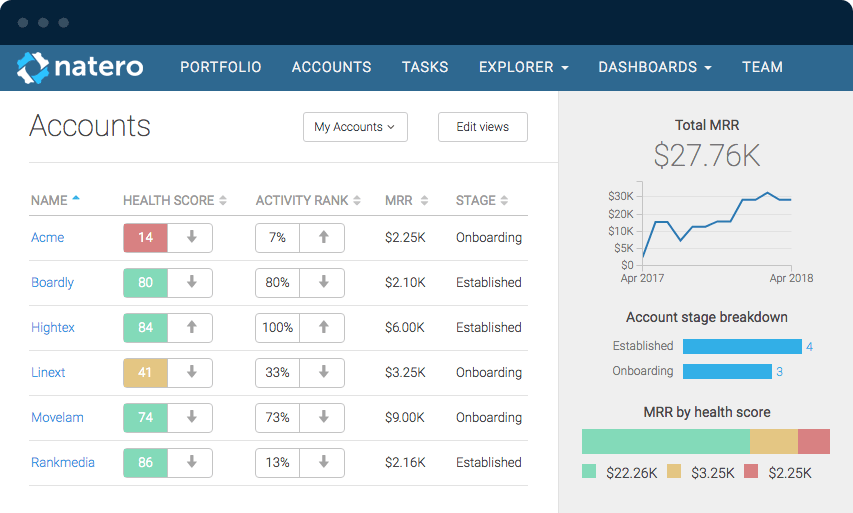   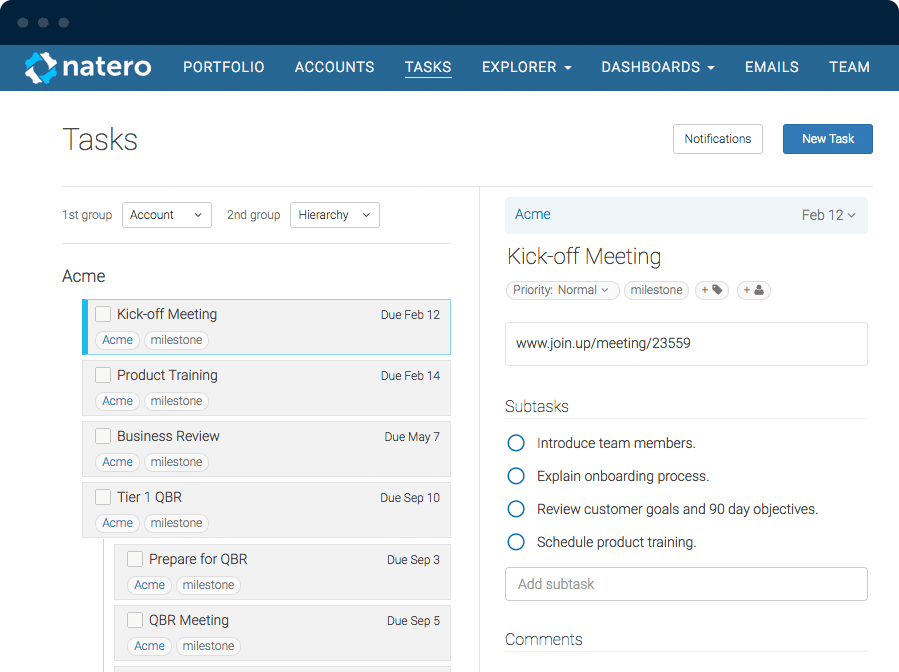 | Fin by Intercom Screenshots     | Totango Screenshots     |