
Alexis Hernandez, BSME, PE
PROJECT ENGINEER
Chose Autodesk Build
Procore has budget tools and schedules. However, Plangrid handles drawings better.

| Product | Rating | Most Used By | Product Summary | Starting Price |
|---|---|---|---|---|
 Autodesk Build | N/A | Autodesk Build, based on the former PlanGrid, is construction productivity software. It includes tools to collaborate, collect, and manage project information throughout the project’s construction and operations lifespan. It enables document centralization and tracking. | $39 user per month | |
 Procore | N/A | Procore is a project management software designed specifically for the construction industry. Procore is cloud-based and allows unlimited users per instance, so that construction team members and stakeholders can all access project information and documents. | N/A |
| Autodesk Build | Procore | |||||||||||||||
|---|---|---|---|---|---|---|---|---|---|---|---|---|---|---|---|---|
| Editions & Modules |
|
| ||||||||||||||
| Offerings |
| |||||||||||||||
| Entry-level Setup Fee | No setup fee | No setup fee | ||||||||||||||
| Additional Details | — | Procore charges an upfront annual fee by product and based upon Annual Construction Volume (ACV) - the aggregate dollar value of the construction work across the customer's projects. Procore contracts include access for unlimited users, customer support, unlimited data storage, and product enhancements, at no additional cost. Multi-year pools: Contract volume is set for the entire multi-year term and can be consumed at any time during that period to help smooth out variability in consumption. Volume opt-in: Up-front contractual pricing is put in place for additional volume that might need to be added mid-term, to increase predictability of costs. Renewal rate protection: Up-front setting of rates is locked now, so businesses can budget accordingly for future renewals and improve cost predictability in future years. | ||||||||||||||
| More Pricing Information | ||||||||||||||||
| Autodesk Build | Procore | |
|---|---|---|
| Considered Both Products | Autodesk Build Alexis Hernandez, BSME, PE PROJECT ENGINEER Chose Autodesk Build Procore has budget tools and schedules. However, Plangrid handles drawings better.  Kara Hermann, PE, LEED AP Project Manager Chose Autodesk Build Bluebeam and PlanGrid work great together, not sure one could replace the other. Bluebeam is really great for more detailed markups, better than PlanGrid in that respect. When you zoom out on the markups for PlanGrid, markups get really thick and unreadable. For me, Procore is …  Michael Carter General Superintendent Chose Autodesk Build I feel that PlanGrid is much more useful in our organization than Procore due to the extra features and value  Jeffrey Rudacille IT Manager Chose Autodesk Build Plangrid would sit in between these two when it comes to mobile job site collaboration and document management. Procore is more a full-featured product but it is 2X-3X the cost and there is some question whether the extra costs actual turns in to an ROI at the end of the day. …  Les Yager LEED Green Associate Chose Autodesk Build It's easier to use, more user-friendly, has ready access, and is more cost effective.  James Nolan Project Manager/Estimator Chose Autodesk Build Plangrid, while not serving the external document distribution function, is unrivaled for internal document distribution and sharing in the construction industry. The speed at which documents are navigatable, the ability to download your projects for viewing without an internet …  Rick Crouch Senior Superintendent Chose Autodesk Build Haven't actually used anything else like PlanGrid. I studied Procore but have never gotten a chance to use it in practice. |  Procore  Keith Jensen MArch RA LEED AP EDAC Architect, Project Manager Chose Procore Procore is in the top 3 but the decision to use on a project is driven by the Institutional Owner or General Contractor.  Gavin Scott-Miller Project Manager Chose Procore Procore is very much the industry-standard software, I personally preferred using field wire because it was considerably more user-friendly for field operators to understand. Procore is utilized more readily between different trades, so often we would see Procore to be better …  Carrie Pipkin Director Of Information Technology Chose Procore  Josh Grider Region Construction Manager (Central Region Head of Construction) Chose Procore Procore has no equal in the GC Market.  Andrew Adams Project Engineer Chose Procore Procore is more intuitive and easy to pick up and to navigate.  Tim Corbett General Manager Chose Procore To be honest, PlanGrid was far superior as a Drawing / Punchlist tool back when it came out. Procore did a major revision on their Tools in the last year or two, and now Procore is an excellent tool.  Stephen Valeri Jr. Project Engineer Chose Procore PlanGrid is similar, but does not have as many features as Procore, nor the flexibility.  Diego Valerio Project Director Chose Procore We selected Procore because it manages to have the benefits of many programs on a single platform on both PC and mobile devices regardless of the number of users. It is also safe and reliable for informational use in the design and construction industry. |
| Autodesk Build | Procore | |||||||||||||||||||||||||||||||||||||||||||||
|---|---|---|---|---|---|---|---|---|---|---|---|---|---|---|---|---|---|---|---|---|---|---|---|---|---|---|---|---|---|---|---|---|---|---|---|---|---|---|---|---|---|---|---|---|---|---|
| Construction Project & Field Management |
| |||||||||||||||||||||||||||||||||||||||||||||
| Human Resource Management |
| |||||||||||||||||||||||||||||||||||||||||||||
| Payroll Management |
| |||||||||||||||||||||||||||||||||||||||||||||
| Reporting & Analytics |
| |||||||||||||||||||||||||||||||||||||||||||||
| Estimating |
|
| Autodesk Build | Procore | |
|---|---|---|
| Small Businesses |  FollowUp CRM Score 1.3 out of 10 | FollowUp CRM Score 1.3 out of 10 |
| Medium-sized Companies |  Bluebeam Score 8.9 out of 10 | Bluebeam Score 8.9 out of 10 |
| Enterprises | Bluebeam Score 8.9 out of 10 | Bluebeam Score 8.9 out of 10 |
| All Alternatives | View all alternatives | View all alternatives |
| Autodesk Build | Procore | |
|---|---|---|
| Likelihood to Recommend | 7.0 (70 ratings) | 8.4 (882 ratings) |
| Likelihood to Renew | 10.0 (1 ratings) | 8.6 (70 ratings) |
| Usability | 5.0 (2 ratings) | 10.0 (57 ratings) |
| Availability | - (0 ratings) | 9.9 (15 ratings) |
| Performance | - (0 ratings) | 9.5 (15 ratings) |
| Support Rating | 9.0 (52 ratings) | 9.7 (69 ratings) |
| In-Person Training | - (0 ratings) | 8.1 (5 ratings) |
| Online Training | - (0 ratings) | 9.3 (13 ratings) |
| Implementation Rating | - (0 ratings) | 10.0 (114 ratings) |
| Configurability | - (0 ratings) | 9.3 (15 ratings) |
| Ease of integration | - (0 ratings) | 9.1 (310 ratings) |
| Product Scalability | - (0 ratings) | 9.8 (15 ratings) |
| Vendor post-sale | - (0 ratings) | 9.9 (13 ratings) |
| Vendor pre-sale | - (0 ratings) | 9.8 (14 ratings) |
| Autodesk Build | Procore | |
|---|---|---|
| Likelihood to Recommend | Autodesk
| Procore Technologies
 David Noah Controls Engineer |
| Pros | Autodesk
Jeffrey Rudacille IT Manager | Procore Technologies
|
| Cons | Autodesk
| Procore Technologies
 Laura Samoisette, LEED AP, WELL AP High Performance Division Project Manager |
| Likelihood to Renew | Autodesk
| Procore Technologies
|
| Usability | Autodesk
| Procore Technologies
 Jason Glover President |
| Reliability and Availability | Autodesk No answers on this topic | Procore Technologies
|
| Performance | Autodesk No answers on this topic | Procore Technologies
 Phillip Li COO (Chief Operations Officer) |
| Support Rating | Autodesk
| Procore Technologies
|
| In-Person Training | Autodesk No answers on this topic | Procore Technologies
Jason Glover President |
| Online Training | Autodesk No answers on this topic | Procore Technologies
|
| Implementation Rating | Autodesk No answers on this topic | Procore Technologies
|
| Alternatives Considered | Autodesk
James Nolan Project Manager/Estimator | Procore Technologies
|
| Scalability | Autodesk No answers on this topic | Procore Technologies
 Ariana Marsiglia Operations Manager |
| Return on Investment | Autodesk
 Melissa McCain Facilities Quality & Compliance Program Coordinator | Procore Technologies
 Diana Smith Site Engineer |
| ScreenShots | Autodesk Build Screenshots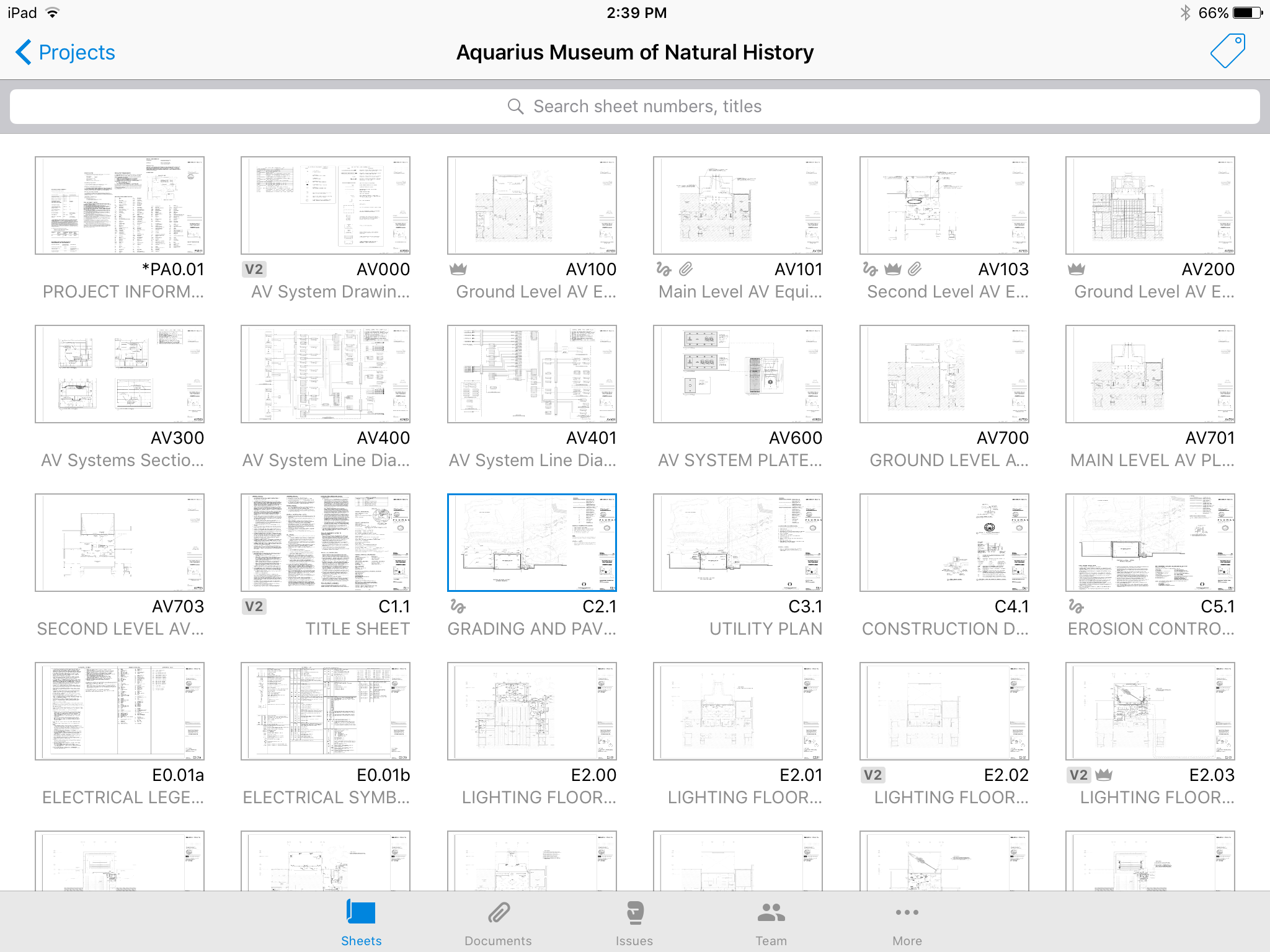     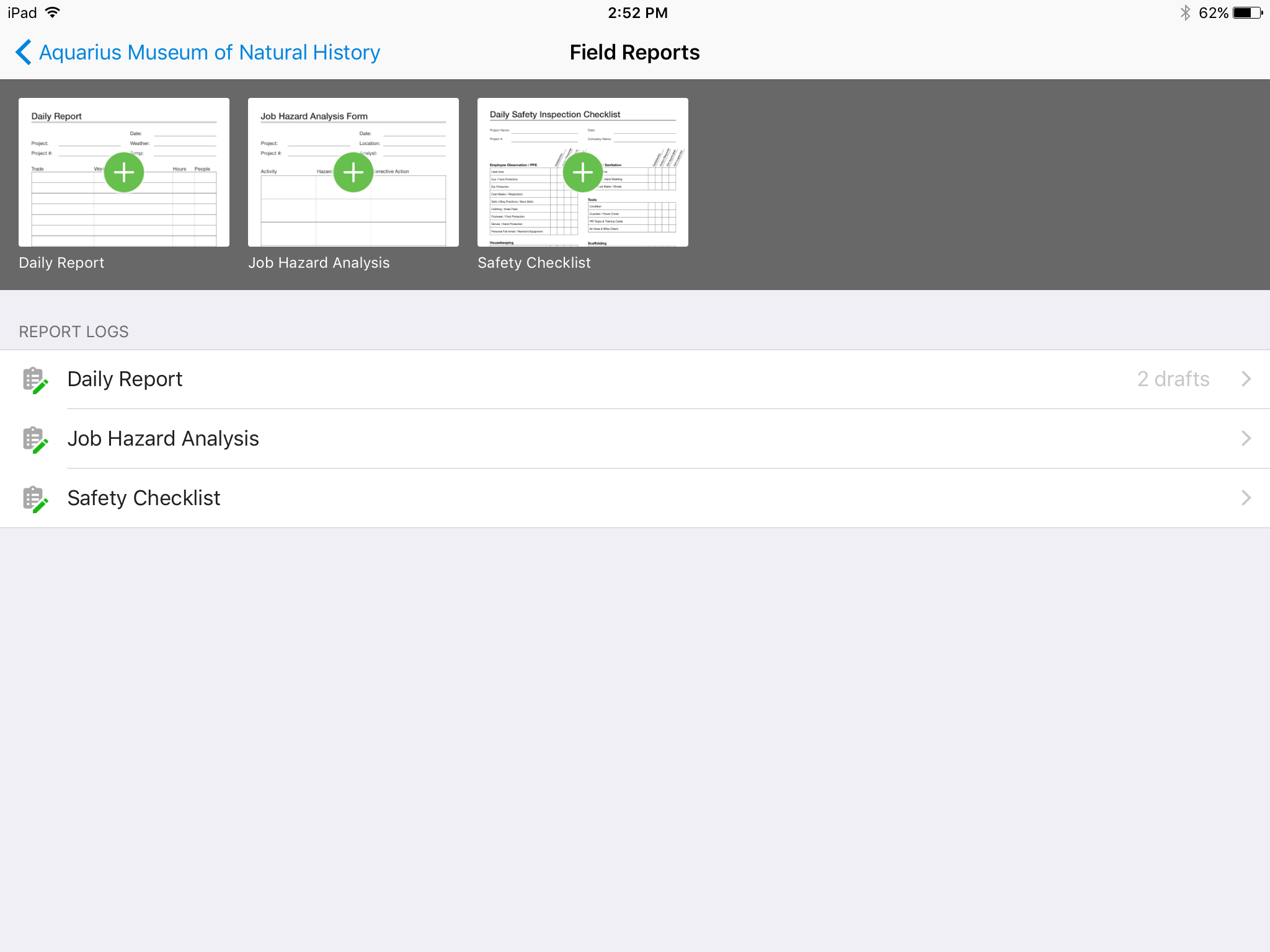 |