Appian is a low-code development and business process management platform. It features drag-and-drop design for app building, automated work processes, unified data management, and cloud-based deployment.
$0
IBM watsonx Orchestrate
Score 8.3 out of 10
N/A
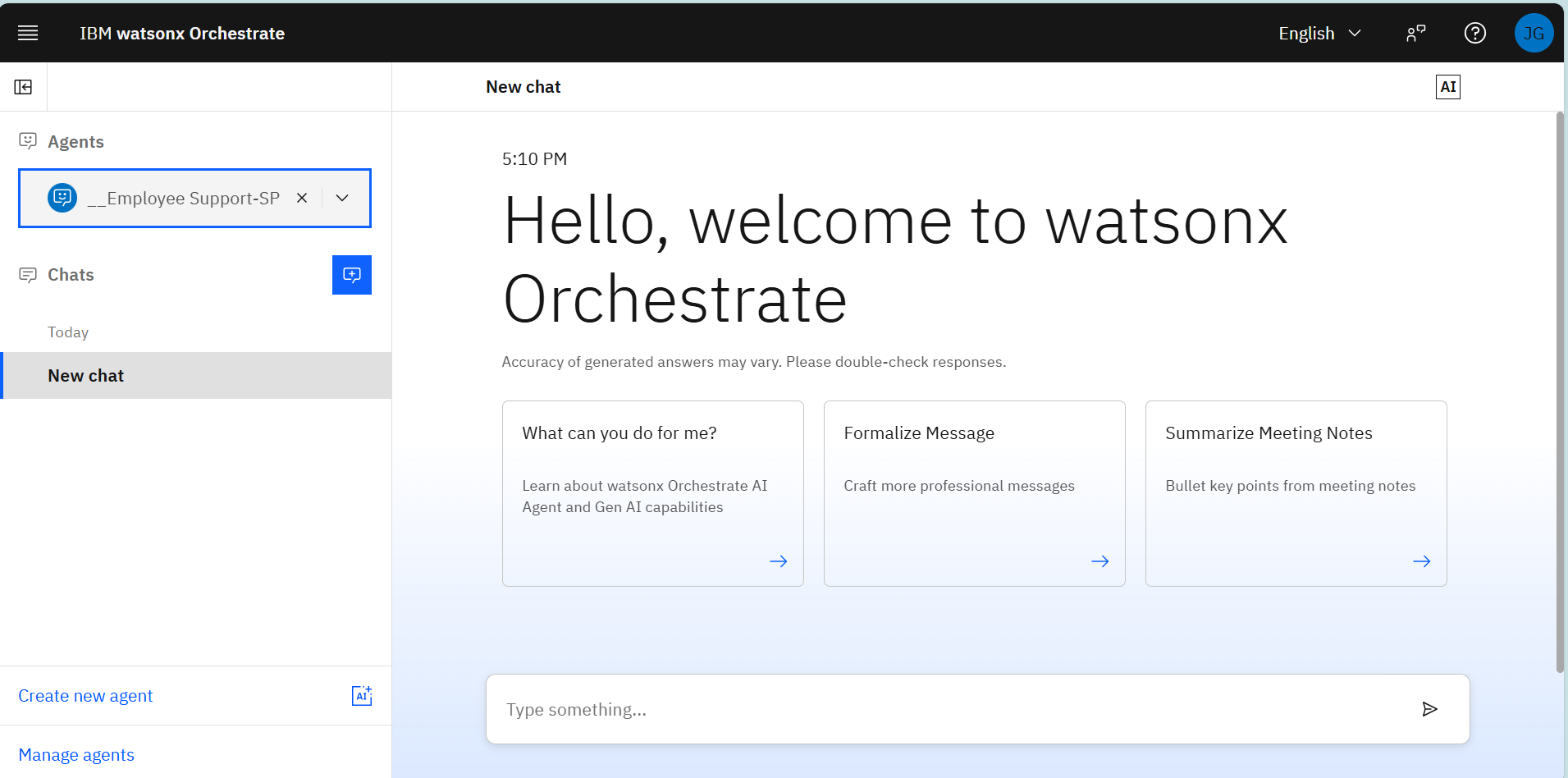
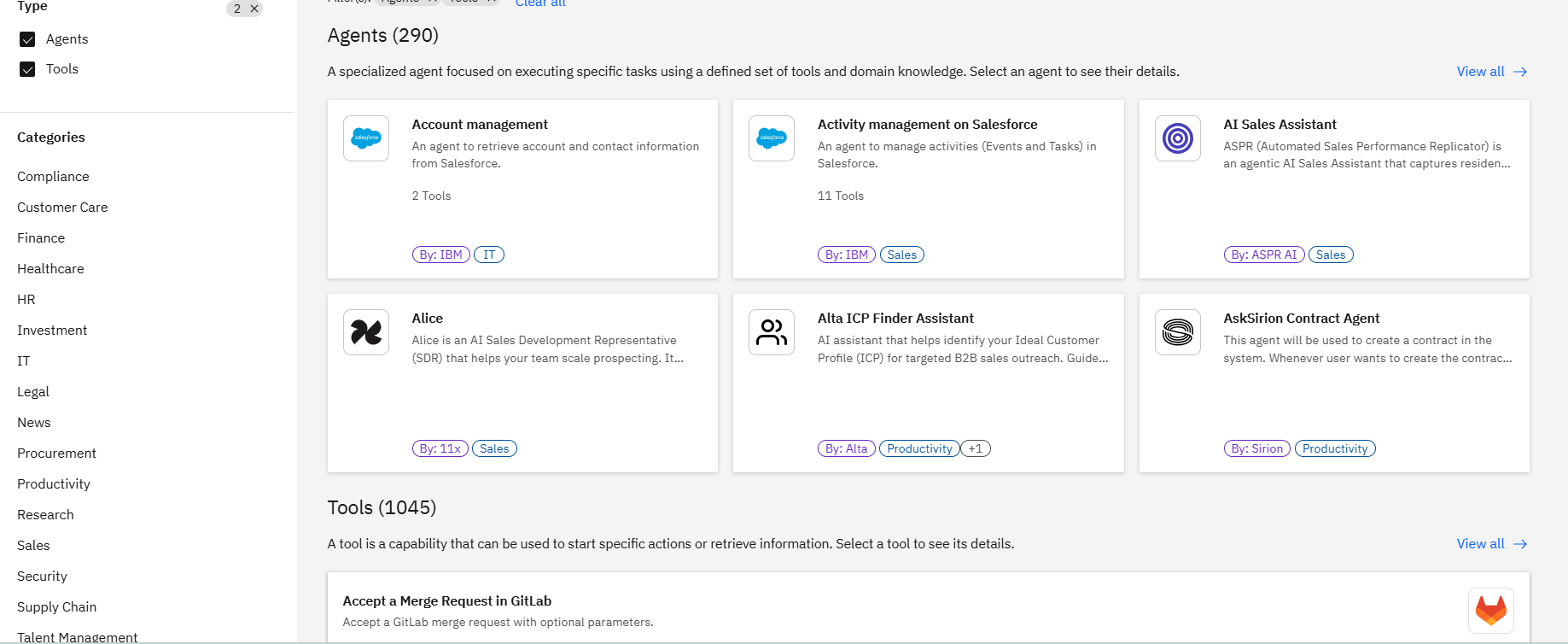
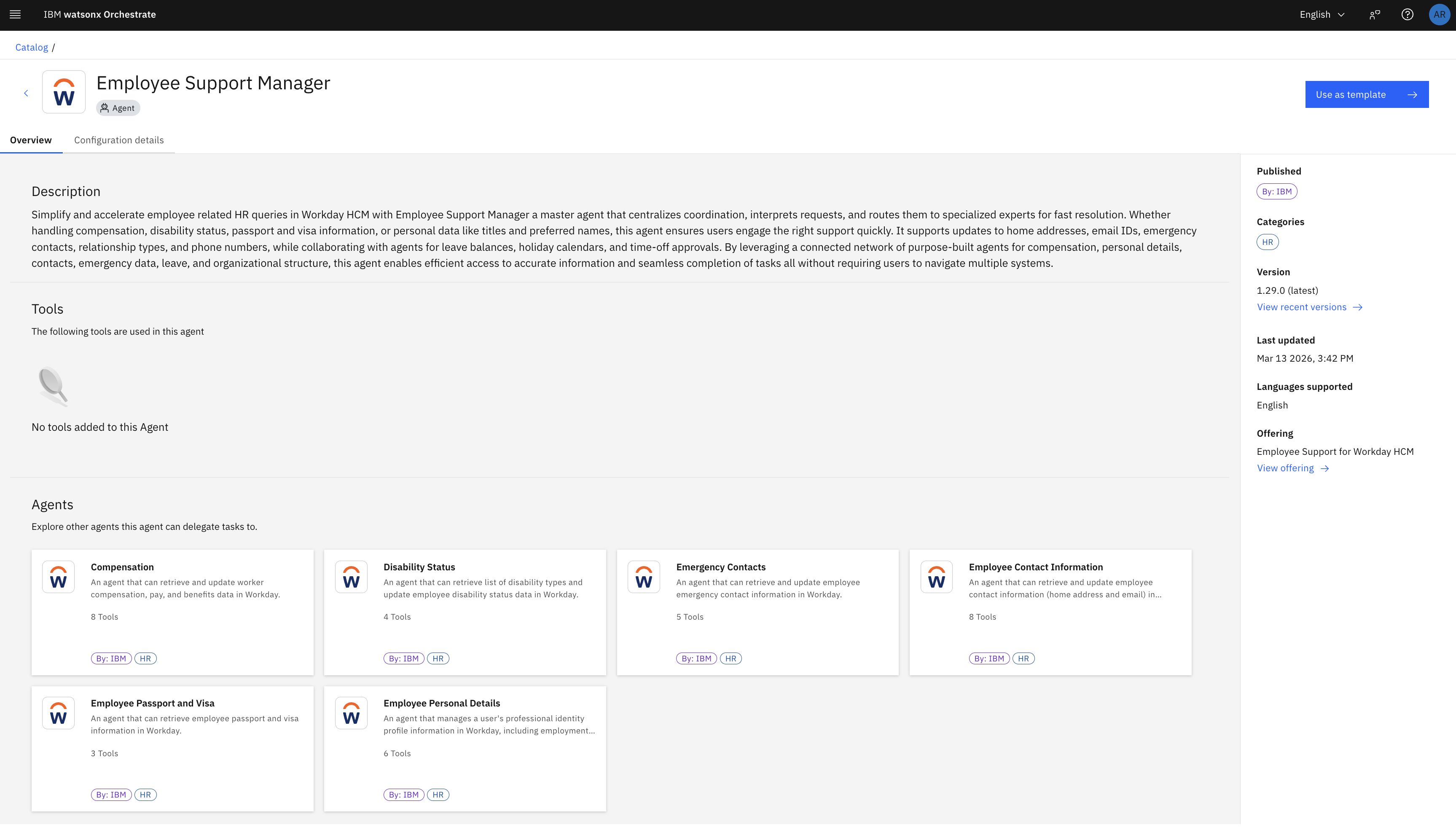
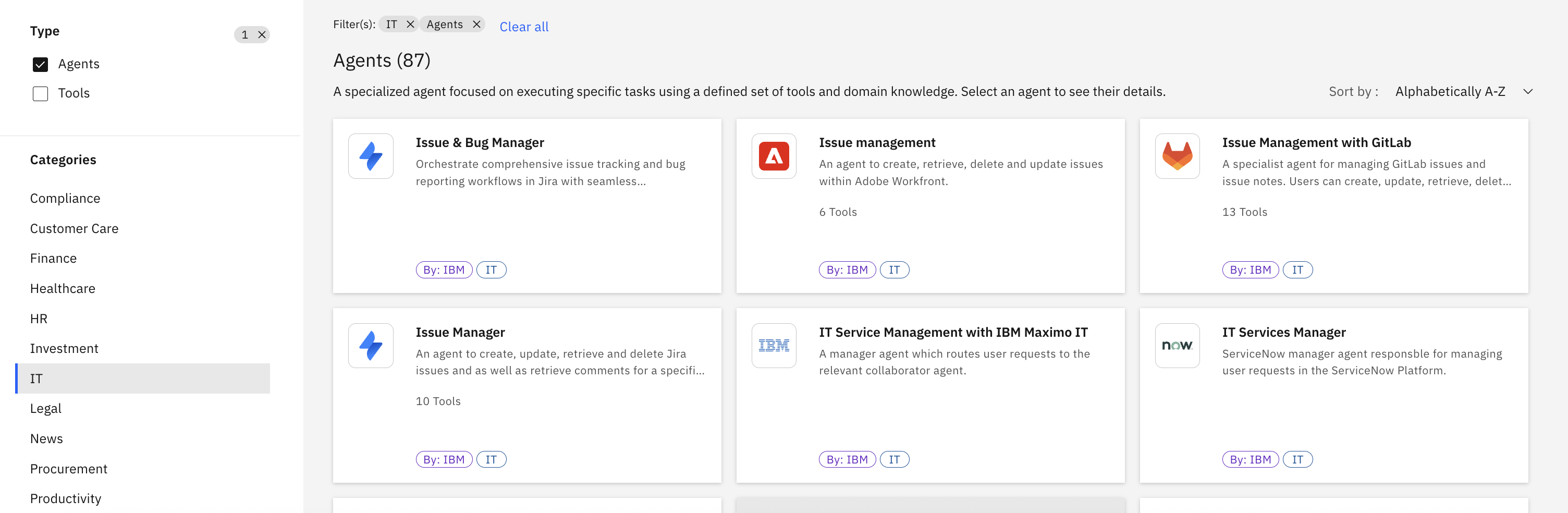
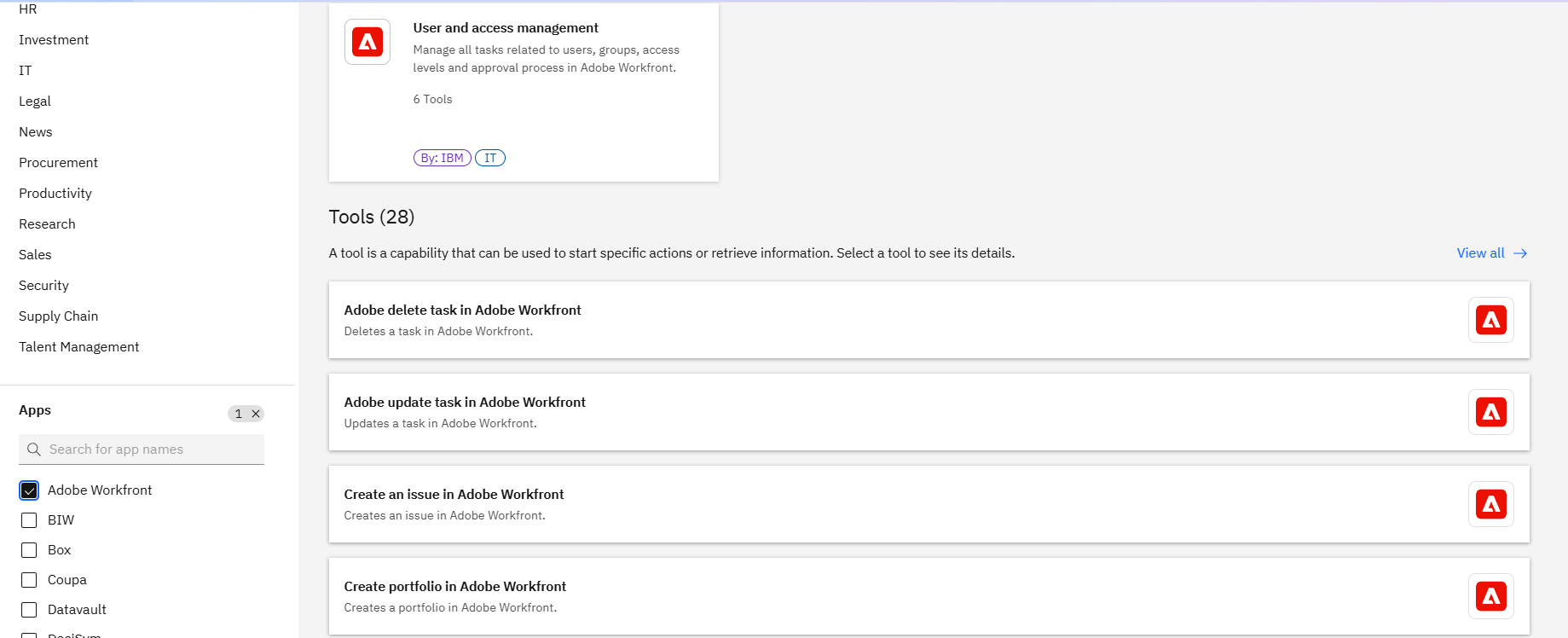
IBM® watsonx™ Orchestrate® leverages AI to automate complex workflows. The solution helps build, deploy, and manage AI assistants and agents. It offers a catalogue of pre-built agents and tools, low-code agent builder, multi-agent collaboration capabilities, and integrations with enterprise apps.
$530
per month
Mendix
Score 7.2 out of 10
Enterprise companies (1,001+ employees)
Mendix is a low code platform-as-a-service offering with mobile and social extensions. Mendix was acquired by Siemens August 2018.
$0
Pricing
Appian
IBM watsonx Orchestrate
Mendix
Editions & Modules
Appian Community Edition
$0
Application - Input-Only
$2
per month per user
Application - Infrequent
$9
per month per user
Application - Standard
$75
per month per user
Platform
Custom Quote Priced per user with unlimited apps.
minimum 100 users, no maximum
Unlimited
Custom Quote Priced per development with unlimited apps.
unlimited
Platform
Custom Quote Priced per user with unlimited apps.
Minimum 100, no maximum
Unlimited
Custom Quote Priced per development with unlimited apps.
Unlimited
Essential
$500
per month per subscription
Essentials
$500
per month Per subscription
Standard
Enterprise
Standard
Enterprise
per month Per subscription
Free Edition
$0
Pro Edition
1,250
per month (billed annually)
Enterprise Edition
1,675
per month (billed annually)
Offerings
Pricing Offerings
Appian
IBM watsonx Orchestrate
Mendix
Free Trial
Yes
Yes
Yes
Free/Freemium Version
Yes
No
Yes
Premium Consulting/Integration Services
Yes
Yes
Yes
Entry-level Setup Fee
No setup fee
Optional
Optional
Additional Details
—
IBM watsonx Orchestrate can be deployed and run on IBM Cloud, AWS, or on-premises. Prices shown are indicative, may vary by country, exclude any applicable taxes and duties, and are subject to product offering availability in a locale.
Mendix is more flexible and custom making oriented than Appian. OutSystems is almost the same as Mendix but more directed to the traditional developer, whereas Mendix is trying to make it possible for everyone to be able to model.
Appian works great for automating manual processes and integrating multiple systems through its toolset. It gives great flexibility for establishing rules for approvals, routings, escalations, and the like. Because of the low code toolset, it's very easy to deploy and make changes as needed as processes evolve and as the organization learns to utilize the system better. Minimal maintenance is required to support the applications build on the platform. Some of the automated testing integration with tools like Jenkins is limited so that may be an issue for some.
In our case, it is well-suited for workday integration, which allows us to automate the entire workflow. However, we are still working on the O9 platform integration, which we feel is less appropriate, and integrating the workflow into the platform.
Mendix excels in scenarios involving Business Process Automation, making it a strong choice for applications requiring workflow automation, including processes like request approvals, document management, and other business workflows.Conversely, Mendix may be less suitable for projects that demand highly customized solutions with extensive custom coding. Its primary focus on low-code development may not align well with the requirements of projects that heavily rely on intricate and specialized coding.
Allows at a glance workflow documentation which assists in the need we have for information readiation.
Drag and drop interface for workflow development greatly speeds our apps time to market.
Using the advanced features of Appian, we are able to create working sites in a fraction of the time it would take to do so using "traditional" development.
New and improved natural language processing yielding better results helps the assistants understand the intention behind the query.
Preserves context of communication, allowing the customers to establish inquiries on the website and continue on the mobile app without having extra informational input.
Intelligent conversations mean that complex paths that are branched based on the user's inputs allow for a much more natural flow of the conversation than fixed scripts.
We're able to really easily develop different views that are very specific to a customer's needs or customer's different types of user needs. So for example, the production managers can have a certain view that's relevant to them and then certain line managers can have views that are specific to them that allow them to run different scenarios which they define. So it allows us to easily build customized apps for each different type of user.
Search issues when type ahead and database search are used in the same field.
Buttons implementation where user is require[d] to click on the button description - if clicks on the button outside that text - button will not work.
Problems with using certain off-the-shelf performance tools like WebLoad or Neoload. That is because of different dynamic variables being used internally in Appian - which these tools are unable to correlate. We are still investigating using other tools like Jmeter to overcome dynamic correlation problem for performance testing.
I think that it needs to be able to integrate better with the knowledge catalogs. It currently provides a default database, which isn't quite large enough for enterprise use. We can connect that then to an external source, but it'd be nice if we could able just to instantiate one straight away.
We recently renewed our license with Appian. We are convinced that its flexibility, relative ease of use, the support they provide, there mobile advancements and their general willingness and desire to see us succeed all contributed to our reason to renew our agreement with Appian
Currently we are using to develop chatbots based on client provided flow what kind chatbot required for client either button or free text chatbots. we will decided accordingly flow and develop chatbot using IBM Watson. We will integrated custom components if required which is not present in library. Action flow and dialog flow we are currently in chatbot.
Appian is a low code environment, because of this, a very good visual interface is required. Appian is providing a feature-rich dashboard [that] we can use for building the dashboards and other interfaces. Appian also provides patches and releases to enhance these features. A developer can start off development just by going through a basic course from the Appian learning community.
With the growing use of AI and chatbots, it's very easy to use, and the conversational language makes it easier than keyword searches in a document. The contextual language processing is impressive. It's easy to integrate into our internal portal. The use of this tool would depend on each company's security and data sensitivity.
A 10 would say I have nothing to wish for. A 9 means I haven't seen anything better.This tool really helps you in the whole creation and maintenace cycle, so from requirements to building/modeling to testing to deploying to capturing feedback.
To develop chatbots based on client provided flow what kind chatbot required for client either button or free text chatbots. we will decided accordingly flow and develop chatbot using IBM Watson. We will integrated custom components if required which is not present in library. IBM Watson library anyone can easily learn and develop chatbots.
Appian is one of the leading low code business automation platforms that support RPA, decision rules, case management, workflow automation, and machine learning all in a single bundle. But it is also harder to implement and replace the traditional business process.
We've rarely had to engage support, but they've always been prompt in responding and very attentive. Support experiences have been extremely positive (but we're mostly happy that we just don't have any cause to routinely need support in the first place!).
Response times are quick and you will get updates regularly about the status of your request. Even with very technical questions they have specialists that can help you with your problems it will give you an answer or help you with a work around.
As analyst I participated in a developer boot camp. At times it was hard to keep up but most of the time it made sense. Trainer took the time to explain and slowed pace down to answer questions etc.
Appian has enormously transformed and keeps on updating the product every quarter to meet the latest needs of the world with new innovations & technologies being integrated within the platform. What gives more pleasure than a product that keeps on continuous[ly] improv[ing]?
Make has more community of workflows to follow that have been redeveloped and are available for download. Selecting WxO is based on our trust level with IBM and the propositions of the Granite model being less biased, more business trained, and the ecosystem allowing for expansion with Assistant and Discovery.
Mendix would be my preferred system all the way. The system is designed for these kinds of works. I've worked with WP and DNN but they should be used just for websites. To create an app for a business value, I would suggest Mendix. Also, the offline capabilities of Mendix have greatly improved since the deployment of Mendix 7.13.
From past 3+ years I am using IBM Watson in our current project easily can implement and manage and monitor user how their using. Is there and update also just update dialog is just enough to change no need to touch any other templates. Multiple language will support, and action and dialog speak recognize chatbot we can create as per client requirement. Overall, as of now good experience with IBM Watson.
I believe it has negatively impacted our release dates. There may have been a misunderstanding as to the learning curve, even though it is "low code."
The look and feel of the applications created using Appian have uniformity and it's easier to have "reuse" between applications.
There is less developer control when it comes to features. I think this mainly has to do with the amount of plugins available. I would think there should be many more available plugins. But again, our use case is probably different than most others.
By automating tasks that would otherwise require human intervention, organizations may achieve cost savings in terms of labor, especially for handling large volumes of routine inquiries.
Virtual assistants can handle a large number of simultaneous interactions, making them scalable to accommodate growing customer bases and increasing workloads without a linear increase in staffing.
It helps to speed up application development because of its low code by the fact that it's low code. It allows professional developers to focus more on specialized application development rather than the more routine application development that business IT and super users can do for themselves with some coaching from the IT department. So it's just allowing the more specialist professional developers.net, for example, Java in our organization to focus on more complex engineering application developments.