
Brad Ranks
Director of Technology
Chose AWS Elastic Beanstalk
We ended up with AWS Lambda to take workload off the developers and develop in tandem, then later integrate. We use both though.

| Product | Rating | Most Used By | Product Summary | Starting Price |
|---|---|---|---|---|
 AWS Elastic Beanstalk | N/A | AWS Elastic Beanstalk is the platform-as-a-service offering provided by Amazon and designed to leverage AWS services such as Amazon Elastic Cloud Compute (Amazon EC2), Amazon Simple Storage Service (Amazon S3). | $35 per month | |
AWS Lambda | N/A | AWS Lambda is a serverless computing platform that lets users run code without provisioning or managing servers. With Lambda, users can run code for virtually any type of app or backend service—all with zero administration. It takes of requirements to run and scale code with high availability. | $NaN Per 1 ms | |
 BrowserStack | N/A | BrowserStack is a test platform built for developers and QAs to expand test coverage, scale and optimize testing with cross-browser, real device cloud, accessibility, visual testing, test management, and test observability. BrowserStack states it currently powers over a billion tests a year for customers who include Amazon, Paypal, Well Fargo Bank, Nvidia, MongoDB, Pfizer, GE, Discovery, React JS, Apache, JQuery and several others rely on BrowserStack to test their web and mobile apps. | $0 per month Unlimited users and 5000 free screenshots |
| AWS Elastic Beanstalk | AWS Lambda | BrowserStack | ||||||||||||||||||||||
|---|---|---|---|---|---|---|---|---|---|---|---|---|---|---|---|---|---|---|---|---|---|---|---|---|
| Editions & Modules |
|
|
| |||||||||||||||||||||
| Offerings |
| |||||||||||||||||||||||
| Entry-level Setup Fee | No setup fee | No setup fee | No setup fee | |||||||||||||||||||||
| Additional Details | — | — | — | |||||||||||||||||||||
| More Pricing Information | ||||||||||||||||||||||||
| AWS Elastic Beanstalk | AWS Lambda | BrowserStack | |
|---|---|---|---|
| Considered Multiple Products |  AWS Elastic Beanstalk Brad Ranks Director of Technology Chose AWS Elastic Beanstalk We ended up with AWS Lambda to take workload off the developers and develop in tandem, then later integrate. We use both though.  Partha Roy Lead Product Engineer Chose AWS Elastic Beanstalk There are many services like AWS Elastic beanstalk, but there are none with the maturity in the platform or the cost-effectiveness of AWS Elastic Beanstalk. Also, AWS Elastic Beanstalk is the oldest among them, so there are more people with AWS experience than the other …  Ramindu Deshapriya Lead Consultant - Technology Chose AWS Elastic Beanstalk The AWS platform provides a great deal of configurability that is abstracted and provided very well through AWS Elastic Beanstalk. This is the main reason for choosing Elastic Beanstalk over competing services. Another reason for selecting AWS Beanstalk was vendor …  Rahul Chaudhary Software Engineer Chose AWS Elastic Beanstalk Honestly, I haven't tried any other alternative products. As already mentioned, I am already heavily invested in AWS, so EBS was a natural choice for me. In other reviews, I have found, AWS is better than its competitors. There are more flavors, and options in AWS, better …  Sandeep Singh Consultant Chose AWS Elastic Beanstalk We didn't use Lambda much till now. We, however, found better control of resources in EBS. |  AWS Lambda |  BrowserStack No answer on this topic |
| AWS Elastic Beanstalk | AWS Lambda | BrowserStack | |||||||||||||||||||||||||||||||||||||||||||||||
|---|---|---|---|---|---|---|---|---|---|---|---|---|---|---|---|---|---|---|---|---|---|---|---|---|---|---|---|---|---|---|---|---|---|---|---|---|---|---|---|---|---|---|---|---|---|---|---|---|---|
| Platform-as-a-Service |
| ||||||||||||||||||||||||||||||||||||||||||||||||
| Access Control and Security |
| ||||||||||||||||||||||||||||||||||||||||||||||||
| Reporting & Analytics |
| ||||||||||||||||||||||||||||||||||||||||||||||||
| Function as a Service (FaaS) |
|
| AWS Elastic Beanstalk | AWS Lambda | BrowserStack | |
|---|---|---|---|
| Small Businesses | AWS Lambda Score 8.3 out of 10 |  IBM Cloud Functions Score 6.9 out of 10 |  TestComplete Score 7.9 out of 10 |
| Medium-sized Companies |  Red Hat OpenShift Score 9.2 out of 10 | Red Hat OpenShift Score 9.2 out of 10 |  ReadyAPI Score 6.3 out of 10 |
| Enterprises | Red Hat OpenShift Score 9.2 out of 10 | Red Hat OpenShift Score 9.2 out of 10 |  ignio AIOps Score 8.1 out of 10 |
| All Alternatives | View all alternatives | View all alternatives | View all alternatives |
| AWS Elastic Beanstalk | AWS Lambda | BrowserStack | |
|---|---|---|---|
| Likelihood to Recommend | 7.0 (28 ratings) | 7.7 (52 ratings) | 8.9 (244 ratings) |
| Likelihood to Renew | 7.9 (2 ratings) | - (0 ratings) | 9.1 (19 ratings) |
| Usability | 7.0 (10 ratings) | 8.3 (17 ratings) | 7.8 (23 ratings) |
| Availability | - (0 ratings) | - (0 ratings) | 9.7 (5 ratings) |
| Performance | - (0 ratings) | - (0 ratings) | 5.4 (78 ratings) |
| Support Rating | 8.0 (12 ratings) | 8.7 (20 ratings) | 7.7 (24 ratings) |
| In-Person Training | - (0 ratings) | - (0 ratings) | 7.3 (1 ratings) |
| Online Training | - (0 ratings) | - (0 ratings) | 4.2 (3 ratings) |
| Implementation Rating | 7.0 (2 ratings) | - (0 ratings) | 8.8 (8 ratings) |
| Configurability | - (0 ratings) | - (0 ratings) | 8.3 (6 ratings) |
| Contract Terms and Pricing Model | - (0 ratings) | - (0 ratings) | 8.9 (4 ratings) |
| Ease of integration | - (0 ratings) | - (0 ratings) | 8.3 (3 ratings) |
| Product Scalability | - (0 ratings) | - (0 ratings) | 9.8 (6 ratings) |
| Professional Services | - (0 ratings) | - (0 ratings) | 8.9 (4 ratings) |
| Vendor post-sale | - (0 ratings) | - (0 ratings) | 9.0 (4 ratings) |
| Vendor pre-sale | - (0 ratings) | - (0 ratings) | 8.3 (4 ratings) |
| AWS Elastic Beanstalk | AWS Lambda | BrowserStack | |
|---|---|---|---|
| Likelihood to Recommend | Amazon AWS
Partha Roy Lead Product Engineer | Amazon AWS
 Andy Qi Senior Software Developer | BrowserStack
|
| Pros | Amazon AWS
 Michael Jenkins Senior Systems Reliability Engineer | Amazon AWS
 Animesh Kumar Senior Member of Technical Staff | BrowserStack
 Erin Hinnen Technical Project Manager |
| Cons | Amazon AWS
 Joshua Dickson Director of Engineering | Amazon AWS
Michael Jenkins Senior Systems Reliability Engineer | BrowserStack
|
| Likelihood to Renew | Amazon AWS
Rahul Chaudhary Software Engineer | Amazon AWS No answers on this topic | BrowserStack
|
| Usability | Amazon AWS
| Amazon AWS
| BrowserStack
|
| Reliability and Availability | Amazon AWS No answers on this topic | Amazon AWS No answers on this topic | BrowserStack
|
| Performance | Amazon AWS No answers on this topic | Amazon AWS No answers on this topic | BrowserStack
 Steven Boutcher QA Automation Engineer |
| Support Rating | Amazon AWS
| Amazon AWS
| BrowserStack
|
| In-Person Training | Amazon AWS No answers on this topic | Amazon AWS No answers on this topic | BrowserStack
|
| Online Training | Amazon AWS No answers on this topic | Amazon AWS No answers on this topic | BrowserStack
|
| Implementation Rating | Amazon AWS
Rahul Chaudhary Software Engineer | Amazon AWS No answers on this topic | BrowserStack
|
| Alternatives Considered | Amazon AWS
| Amazon AWS
| BrowserStack
 Kuman Kothiya Test Lead |
| Contract Terms and Pricing Model | Amazon AWS No answers on this topic | Amazon AWS No answers on this topic | BrowserStack
|
| Scalability | Amazon AWS No answers on this topic | Amazon AWS No answers on this topic | BrowserStack
|
| Professional Services | Amazon AWS No answers on this topic | Amazon AWS No answers on this topic | BrowserStack
|
| Return on Investment | Amazon AWS
Sandeep Singh Consultant | Amazon AWS
 Fedor Paretsky Co-Founder/CEO | BrowserStack
|
| ScreenShots | BrowserStack Screenshots 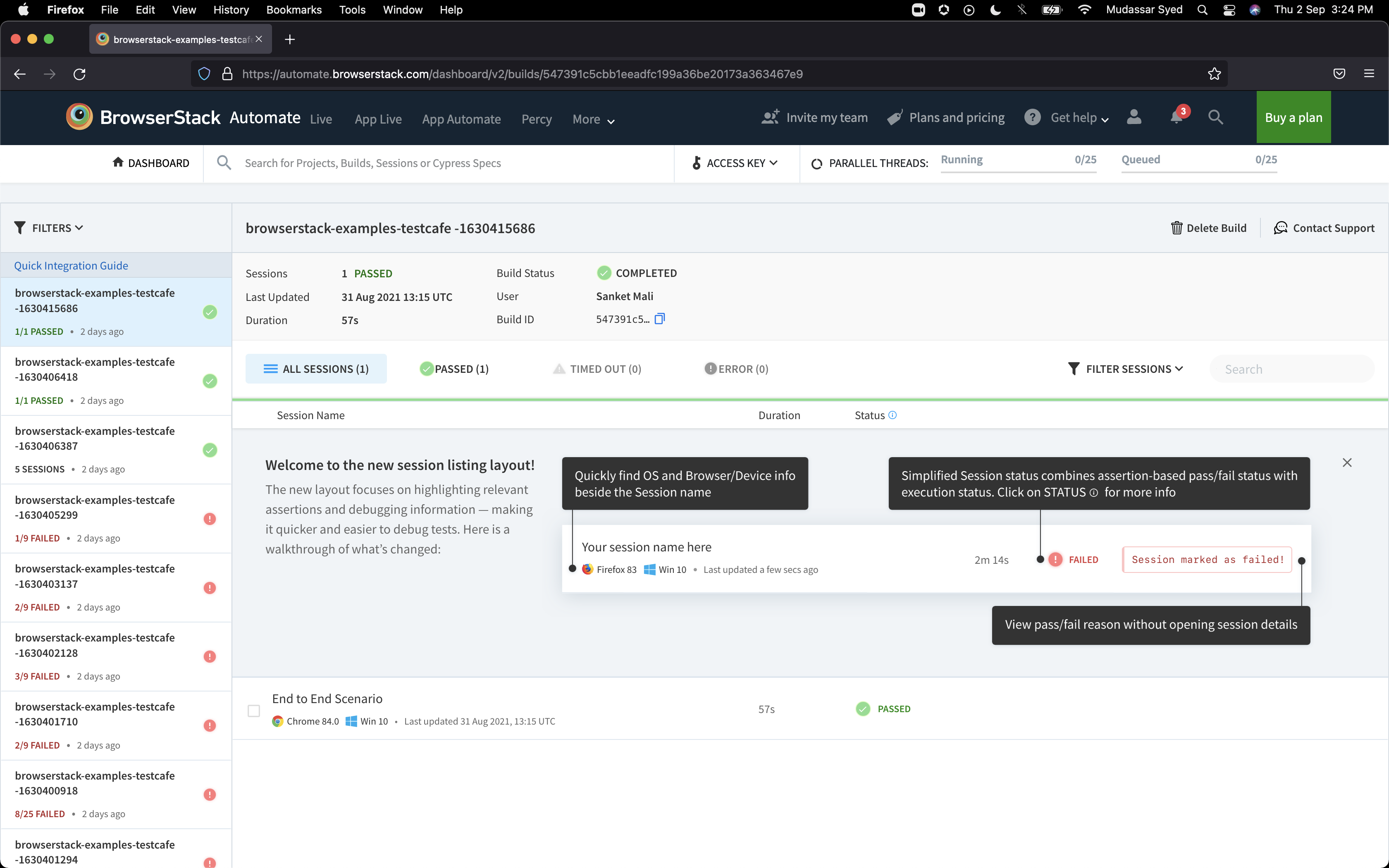 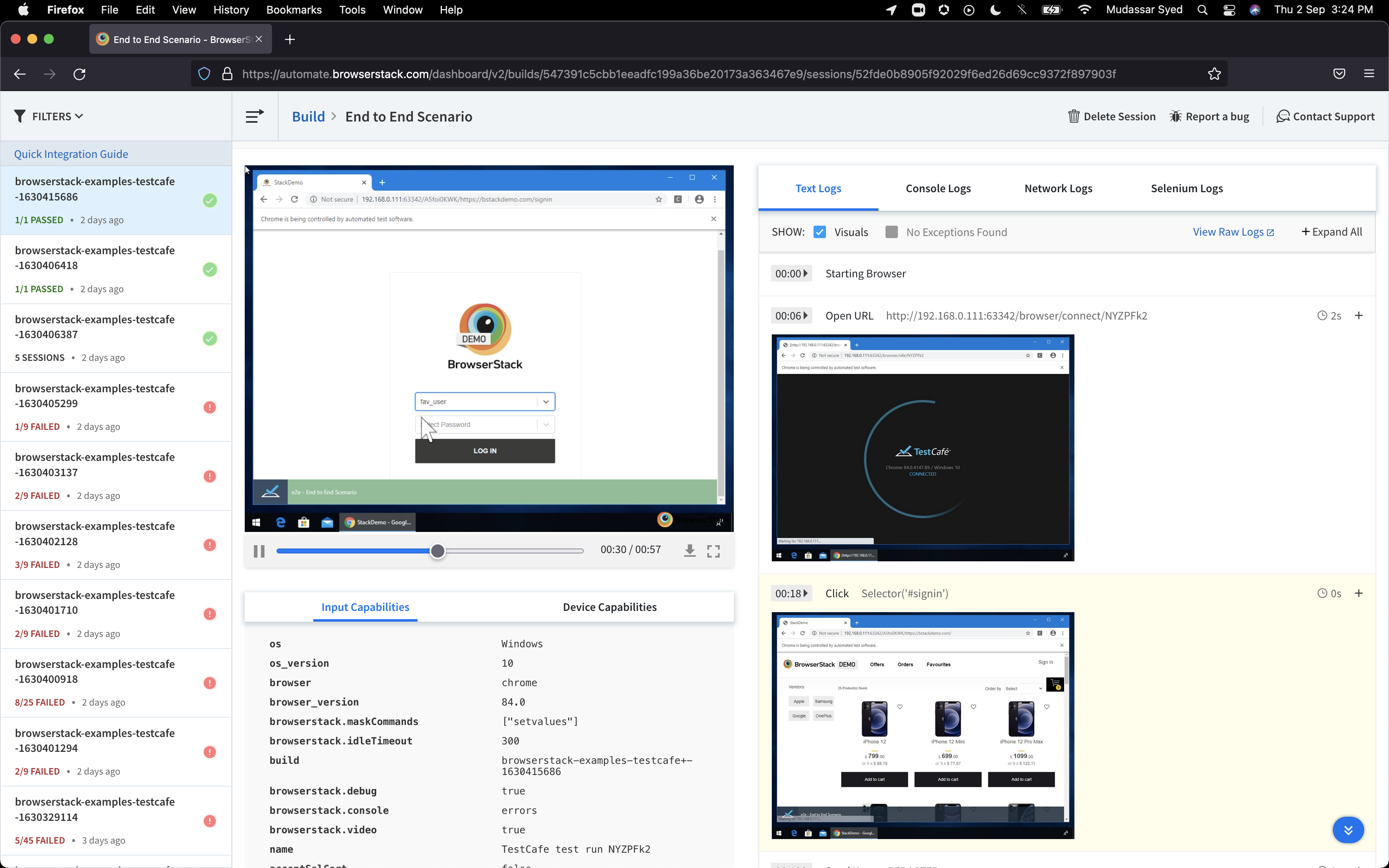 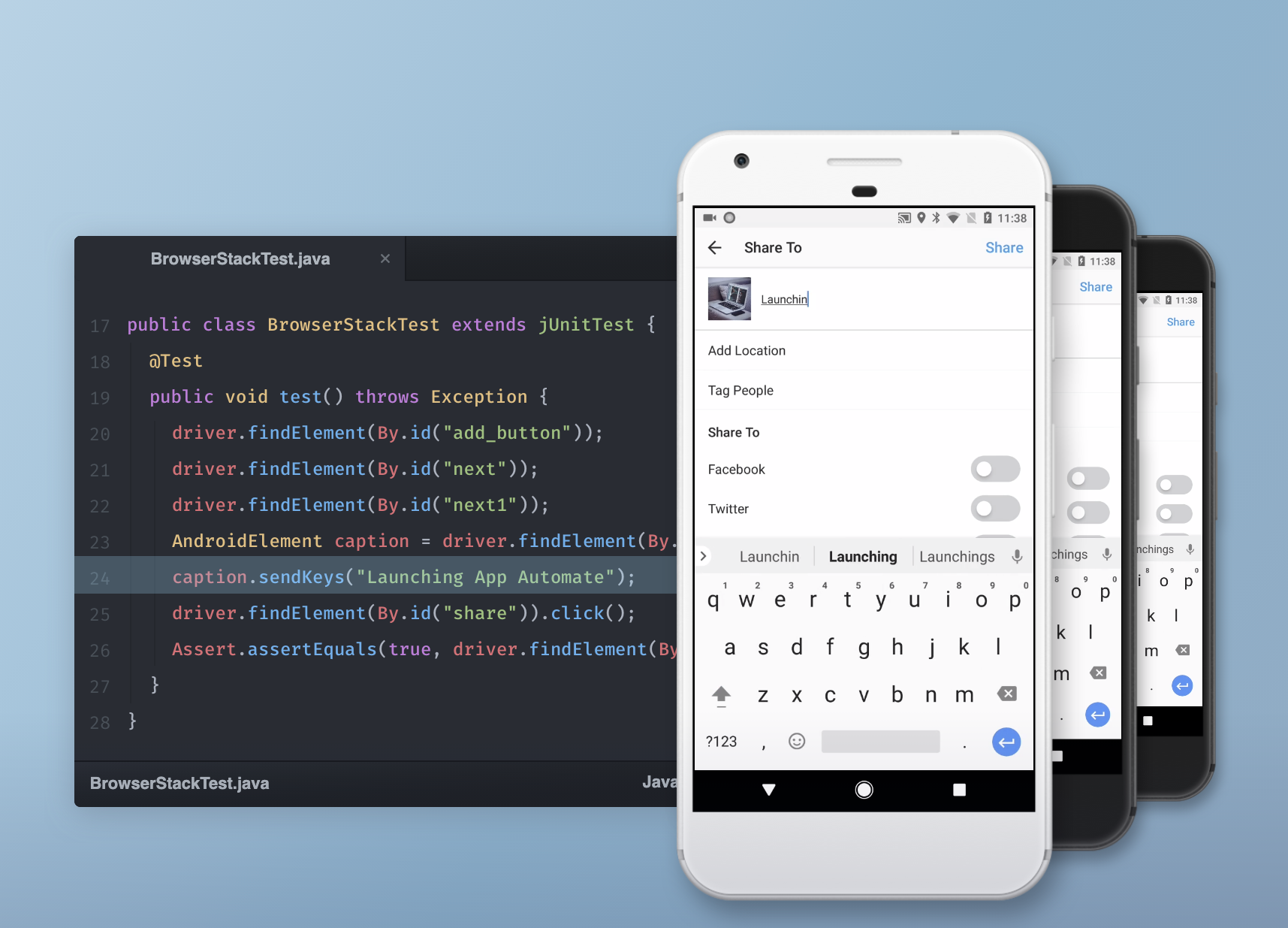  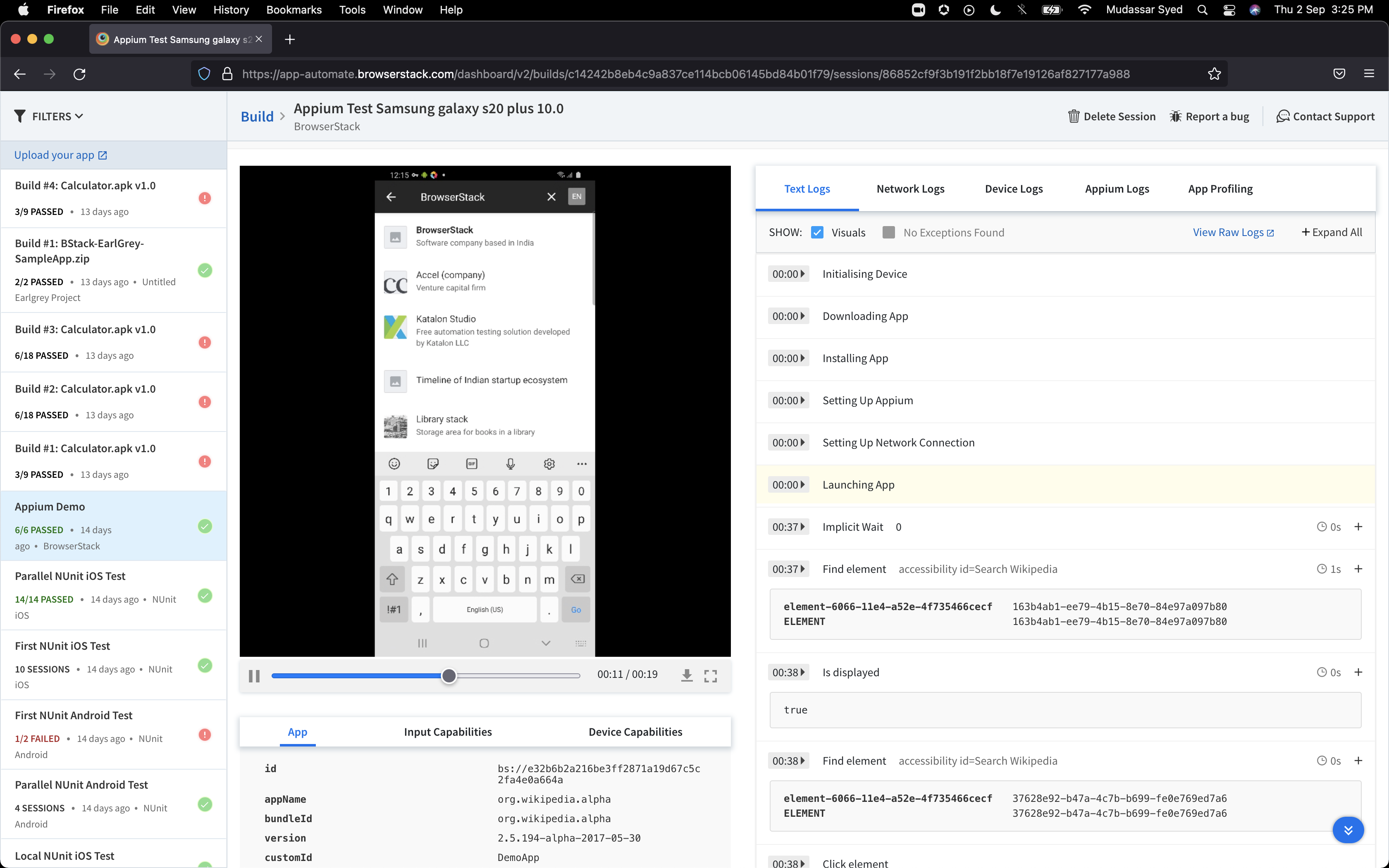 |