The vendor states that Informatica Data Quality empowers companies to take a holistic approach to managing data quality across the entire organization, and that with Informatica Data Quality, users are able to ensure the success of data-driven digital transformation initiatives and projects across users, types, and scale, while also automating mission-critical tasks.
N/A
ZoomInfo Operations
Score 8.5 out of 10
N/A
ZoomInfo OperationsOS/RingLead is a comprehensive data quality management platform for sales and marketing operations teams to clean, enrich, and route their go-to-market data.
N/A
SAP Data Intelligence
Score 8.7 out of 10
N/A
SAP Data Intelligence is presented by the vendor as a single solution to innovate with data. It provides data-driven innovation in the cloud, on premise, and through BYOL deployments. It is described by the vendor as the new evolution of the company's data orchestration and management solution running on Kubernetes, released by SAP in 2017 to deal with big data and complex data orchestration working across distributed landscapes and processing engine.
For effective data collaboration, systematic verification of customer information, and address, among others, Informatica Data Quality is a fruitful application to consider. Besides, Informatica Data Quality controls quality through a cleansing process, giving the company a professional outline of candid data profiling and reputable analytics. Finally, Informatica Data Quality allows the simplistic navigation of content, with a dashboard that supports predictability.
ZoomInfo Operations helps us streamline prospecting, enrich our CRM data, and aligns our departments with actionable insights. It's ideal for targeting enterprise accounts and launching ABM campaigns. It is a bit less effective for mid-market or small accounts. It could probably improve in intent data precision and the ease of integration.
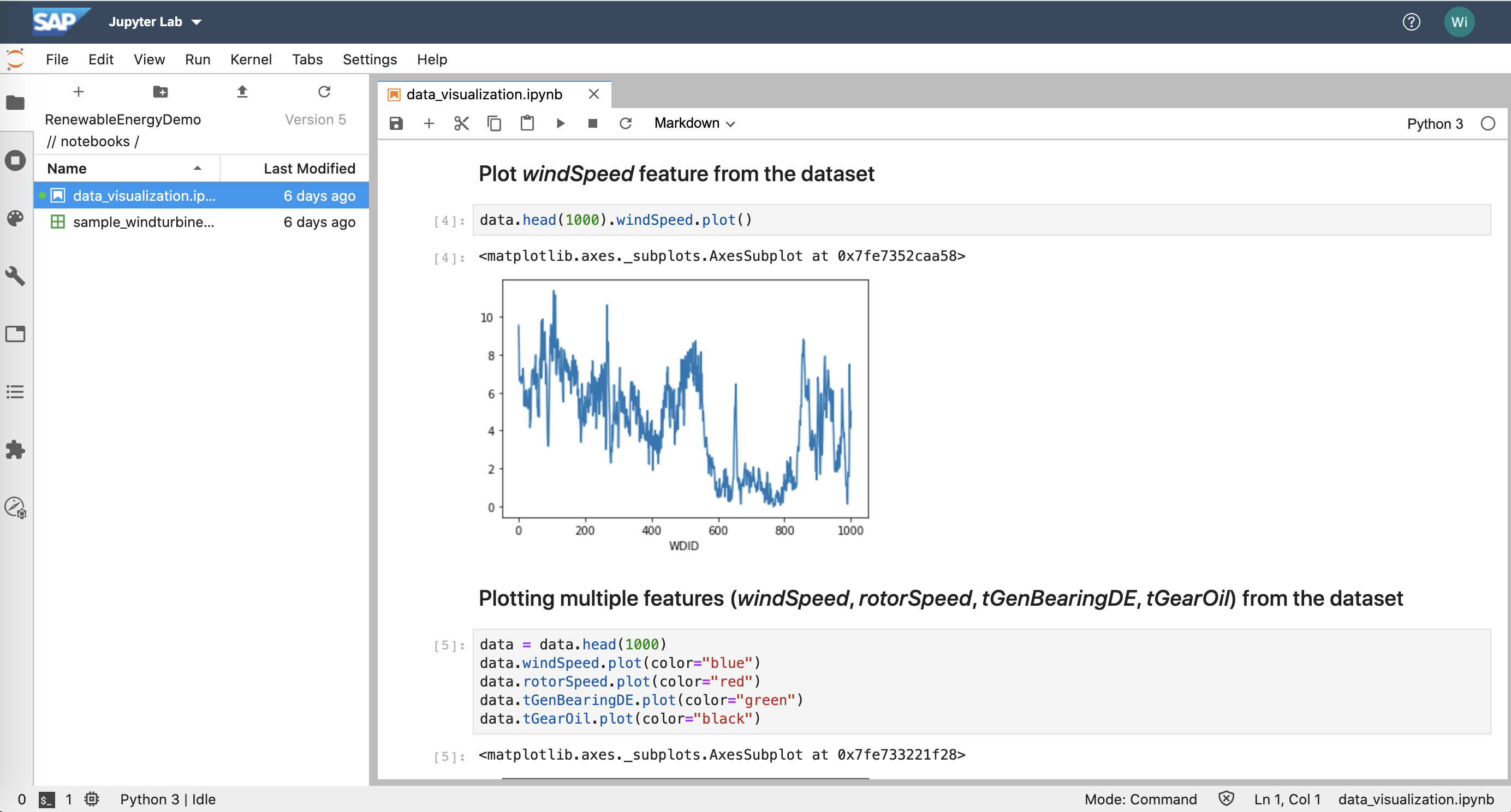
If you have an SAP products ecosystem in your IT landscape, it becomes a no-brainer to go ahead with an SAP Data Intelligence product for your data orchestration, data management, and advanced data analytics needs, such as data preparation for your AI/ML processes. It provides a seamless integration with other SAP products.
The matching algorithms in IDQ are very powerful if you understand the different types that they offer (e.g., Hamming Distance, Jaro, Bigram, etc..). We had to play around with it to see which best suit our own needs of identifying and eliminating duplicate customers. Setting up the whole process (e.g., creating the KeyGenerator Transformation, setting up the matching threshold, etc..) can be somewhat time consuming and a challenge if you don't first standardize your data.
The integration with PowerCenter is great if you have both. You can either import your mappings directly to PowerCenter or to an XML file. The only downside is that some of the transformations are unique to IDQ, so you are not really able to edit them once in PowerCenter.
The standardizer transformation was key in helping us standardize our customer data (e.g., names, addresses, etc..). It was helpful due to having create a reference table containing the standardized value and the associated unstandardized values. What was great was that if you used Informatica Analyst, a business analyst could login and correct any of the values.
EverString allows us to build account lists based off in-depth firmographic or technographic data. It's far more accurate than trying to build these lists any other way.
EverString is fast. Where it might've previously taken us weeks to build lists of this quality, we now can build them in a matter of minutes (and have them ready to be published in a couple of hours).
Data transfer speed tends to be slow when there is poor internet connection since SAP Data Intelligence don’t synchronize data while offline. However, this is not vendor fault, that’s why we have implemented robust wireless technology internet connection in our organization.
As pointed out earlier, due all the robust features IDQ has, our use f the product is successful and stable. IDQ is being used in multiple sources (from CRM application and in batch mode). As this is an iterative process, we are looking to improve our system efficiency using IDQ.
Would love to keep everstring as part of our tech stack in the future. if we ever have to move from everstring it will be due to budget not the solution itself.
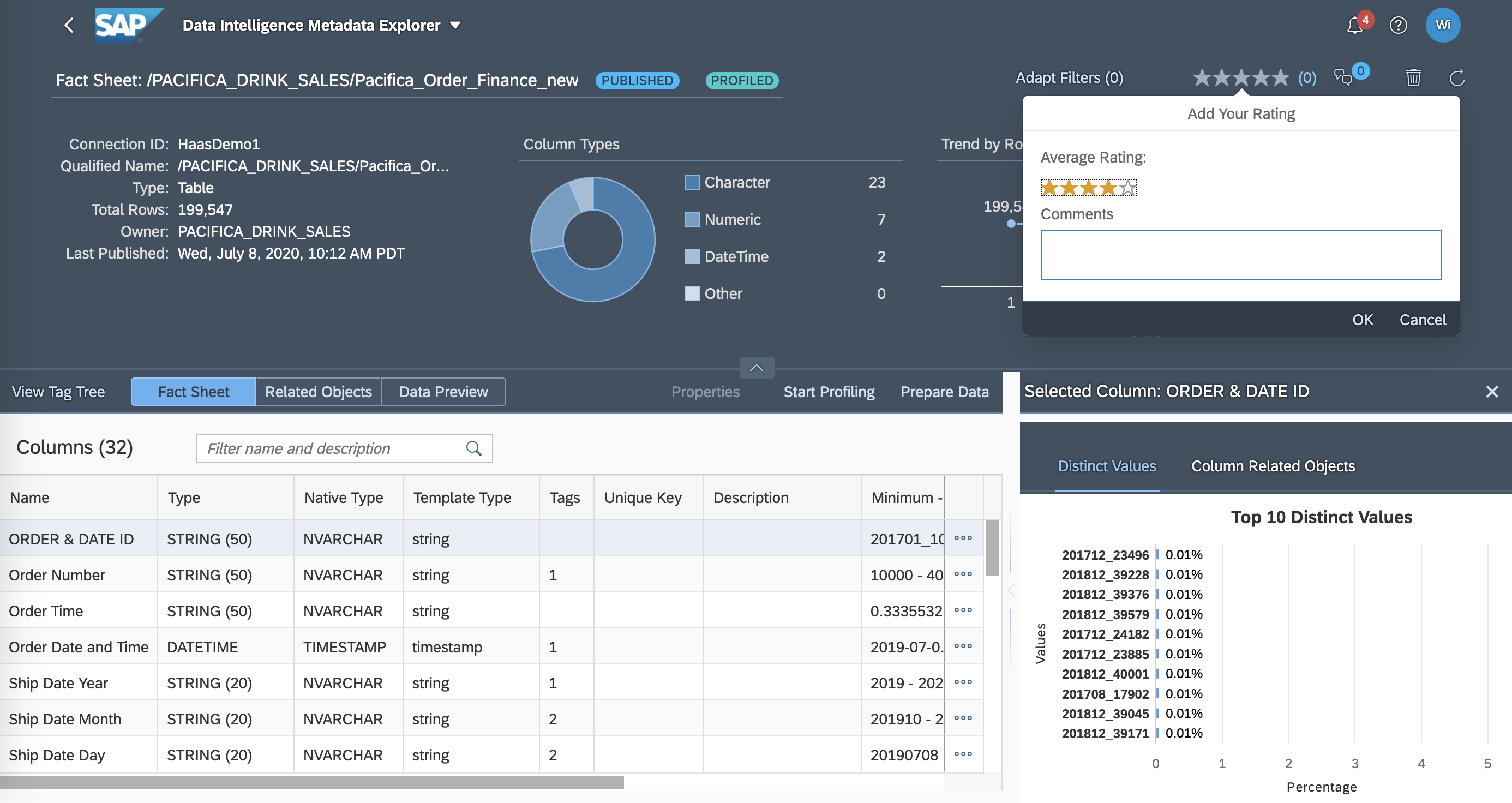
Allow collaborations among various personas with insights as ratings and comments on the datasets Reuse knowledges on the datasets for new users Next-Gen Data Management and Artificial Intelligence
Overall, it is good. They are moving in the right direction with AI integration and use cases and are probably working on Agentic AI as we speak. They just need to remember that accuracy on the small stuff is still the most important thing. Without it, there is no ZoomInfo.
I think the troubleshooting process might be streamlined with improved error recording and tracing. A lot of information about issues and how to fix them is hidden away in the Kubernetes pods themselves. I'm not sure whether SAP Data Intelligence can fix this problem it may be connected to Kubernetes's design, in which case fixing it could need modifications inside Kubernetes itself.
Initially we struggle to get help from SAP but then dedicated Dev angel was assigned to us and that simplify the overall support scenario. There is still room of improvement in documentation around SAP Data intelligence. We struggle a lot to initially understand the feature and required help around performance improvement area,
Have a plan on how you're going to evaluate. We had a two-month trial period, but a six-month average lead cycle time, making it impossible to evaluate on a purely new-business ROI basis within the trial. We applied the model to our prior data, which demonstrated how much time and effort was devoted to accounts that weren't going to close
IDQ is used by a department at my organisation to ensure and enhance the data quality. The usage was started with address standardization and now it had been brought to altogether a next level of quality check where it fixes duplicates, junk characters, standardize the names, streets, product descriptions. In the past we had issues mainly with duplicate customers and products and this were affecting the sales projection and estimates.
This was the other tool we reviewed, but the OS applications were more detailed and had better results. Although still a good tool it just did not fit our scope for our sales group. Have yet to find any of the ZoomInfo tools to not be but quality and informational applications. So highly recommend them.
One of the reasons to pick SAP Data Intelligence is the speed and security it provides, in addition to the excellent support it provides. It is also compatible with all popular databases, which is another reason to choose it.
Generate more pipeline - indirectly. Data from anywhere still needs to be transformed and used for a business objective.
Saved time in doing research and data population.
Assuming a business will purchase a data vendor, the comparison between other vendors is a factor of cost, functionality, and data quality. ZoomInfo has higher costs typically - which would lower the ROI - but with proper incentives or discounts, the comparative ROI grows.