
Sandip More
CTO & Co Founder
Chose Atlassian Jira

| Product | Rating | Most Used By | Product Summary | Starting Price |
|---|---|---|---|---|
 Atlassian Jira | N/A | Atlassian Jira is a project management tool, featuring an interactive timeline for mapping work items, dependencies, and releases, Scrum boards for agile teams, and out-of-the-box reports and dashboards. | $9 per month per user | |
 GitLab | N/A | GitLab is an intelligent orchestration platform for DevSecOps, where software teams enable AI at every stage of the software lifecycle to ship faster. The platform enables teams to automate repetitive tasks across planning, building, securing, testing, deploying, and maintaining software. | $0 per month per user |
| Atlassian Jira | GitLab | |||||||||||||||
|---|---|---|---|---|---|---|---|---|---|---|---|---|---|---|---|---|
| Editions & Modules |
|
| ||||||||||||||
| Offerings |
| |||||||||||||||
| Entry-level Setup Fee | No setup fee | Optional | ||||||||||||||
| Additional Details | Higher volume teams may qualify buyers for a discount. | GitLab Credits enable flexible, consumption-based access to agentic AI capabilities in the GitLab platform, allowing you to scale AI adoption at your own pace while maintaining cost predictability. Powered by Duo Agent Platform, GitLab’s agentic AI capabilities help software teams to collaborate at AI speed, without compromising quality and enterprise security. If usage exceeds monthly allocations and overage terms are accepted, automated on-demand billing activates without service interruption, so your developers never lose access to AI capabilities they need. Real-time dashboards provide transparency into AI consumption patterns. Software teams can see usage across users, projects, and groups with granular attribution for cost allocation. Automated threshold alerts facilitate proactive planning. Advanced analytics deliver trending, forecasting, and FinOps integration. | ||||||||||||||
| More Pricing Information | ||||||||||||||||
| Atlassian Jira | GitLab | |
|---|---|---|
| Considered Both Products |  Atlassian Jira Sandip More CTO & Co Founder Chose Atlassian Jira  Dustin Ghia Lead Consultant - Solutions Architect - Software Engineer Chose Atlassian Jira Jira Software works for many development environments, has custom workflows, is friendly, stable, robust, and can be integrated with the most recognized DevOps tools on the market. | GitLab  Andrés Alberto Herrera García Full-stack Developer Chose GitLab My feedback may not be important here because when I joined the company they already had GitLab and we still use it due to the ability to do CI/CD Integration, deployments, debugging, code owners approval, and Jira integration. So far we have not had any major blocker that has …  Juan Orlando Cartagena Duran DevOps Engineer Chose GitLab It was a management decision to use GitLab over other tools. It integrates well with RBAC using Terraform. Runners are easy to setup. Almost all the features the organization used before are available in GitLab.  Partha Roy Lead Product Engineer Chose GitLab The best thing about GitLab is the pricing and the smooth and fast onboarding. The base plan itself covers most use cases in Gitlab and that too is completely free, this gives the small companies or the startups the push they require at the beginning. Other than that Gitlab has …  Tarun Gupta Director of Engineering Chose GitLab Gitlab made our product life cycle efficient. It has a better user interface and user experience. GitLab doesn't clutter with many features upfront and provides a lot of free services, which is missing in any other product. For small teams, it's the best piece of software. I …  Ashvin Choudhary Senior Software Engineer Chose GitLab The main reason for selecting GitLab over the others is that the free version also we have most of the functionalities available. We can create private repositories, assign different permissions to different users, can create a good number of users, so almost everything you …  David McCann Software Engineer Chose GitLab  Balázs Kiss Software Developer Chose GitLab GitLab is the best combination of all the other tools. They are still viable in their own sense, but for the projects we were using, GitLab proved to be an excellent alternative. Dustin Ghia Lead Consultant - Solutions Architect - Software Engineer Chose GitLab GitLab (Starter) has a better price for on-premise installation than Bitbucket.  Kevin Ritchey Managing Member Chose GitLab  David Long, SPA Director of Development Chose GitLab |
| Atlassian Jira | GitLab | |||||||||||||||||||||||||||||||||||||||||||||
|---|---|---|---|---|---|---|---|---|---|---|---|---|---|---|---|---|---|---|---|---|---|---|---|---|---|---|---|---|---|---|---|---|---|---|---|---|---|---|---|---|---|---|---|---|---|---|
| Project Management |
| |||||||||||||||||||||||||||||||||||||||||||||
| Professional Services Automation |
|
| Atlassian Jira | GitLab | |
|---|---|---|
| Small Businesses |  Stackby Score 8.9 out of 10 |  GitGuardian Score 9.0 out of 10 |
| Medium-sized Companies |  InEight Score 8.3 out of 10 |  Veracode Score 8.8 out of 10 |
| Enterprises | InEight Score 8.3 out of 10 | Veracode Score 8.8 out of 10 |
| All Alternatives | View all alternatives | View all alternatives |
| Atlassian Jira | GitLab | |
|---|---|---|
| Likelihood to Recommend | 8.3 (221 ratings) | 8.3 (152 ratings) |
| Likelihood to Renew | 8.5 (37 ratings) | 9.0 (5 ratings) |
| Usability | 7.8 (62 ratings) | 10.0 (6 ratings) |
| Availability | 8.0 (4 ratings) | - (0 ratings) |
| Performance | 8.0 (2 ratings) | 9.0 (1 ratings) |
| Support Rating | 8.0 (24 ratings) | 10.0 (12 ratings) |
| In-Person Training | 8.0 (1 ratings) | - (0 ratings) |
| Online Training | 8.0 (2 ratings) | - (0 ratings) |
| Implementation Rating | 9.0 (1 ratings) | - (0 ratings) |
| Configurability | 8.0 (1 ratings) | - (0 ratings) |
| Contract Terms and Pricing Model | 8.0 (1 ratings) | - (0 ratings) |
| Ease of integration | 8.0 (9 ratings) | - (0 ratings) |
| Product Scalability | 8.0 (1 ratings) | 10.0 (1 ratings) |
| Atlassian Jira | GitLab | |
|---|---|---|
| Likelihood to Recommend | Atlassian
| GitLab
|
| Pros | Atlassian
| GitLab
|
| Cons | Atlassian
| GitLab
|
| Likelihood to Renew | Atlassian
Dustin Ghia Lead Consultant - Solutions Architect - Software Engineer | GitLab
 Marco Urrea DevOps Engineer |
| Usability | Atlassian
| GitLab
|
| Reliability and Availability | Atlassian
| GitLab
Marco Urrea DevOps Engineer |
| Performance | Atlassian
| GitLab
Marco Urrea DevOps Engineer |
| Support Rating | Atlassian
| GitLab
|
| In-Person Training | Atlassian
| GitLab No answers on this topic |
| Online Training | Atlassian
| GitLab No answers on this topic |
| Implementation Rating | Atlassian
 Bo Acimovic Director E-Commerce | GitLab No answers on this topic |
| Alternatives Considered | Atlassian
| GitLab
 Austin Franchino Senior Data and Security Engineer |
| Contract Terms and Pricing Model | Atlassian
| GitLab No answers on this topic |
| Scalability | Atlassian
| GitLab
Marco Urrea DevOps Engineer |
| Return on Investment | Atlassian
 kunal mathur Senior Product Designer | GitLab
 Shivangani Tamrakar DevOps Engineer |
| ScreenShots | GitLab Screenshots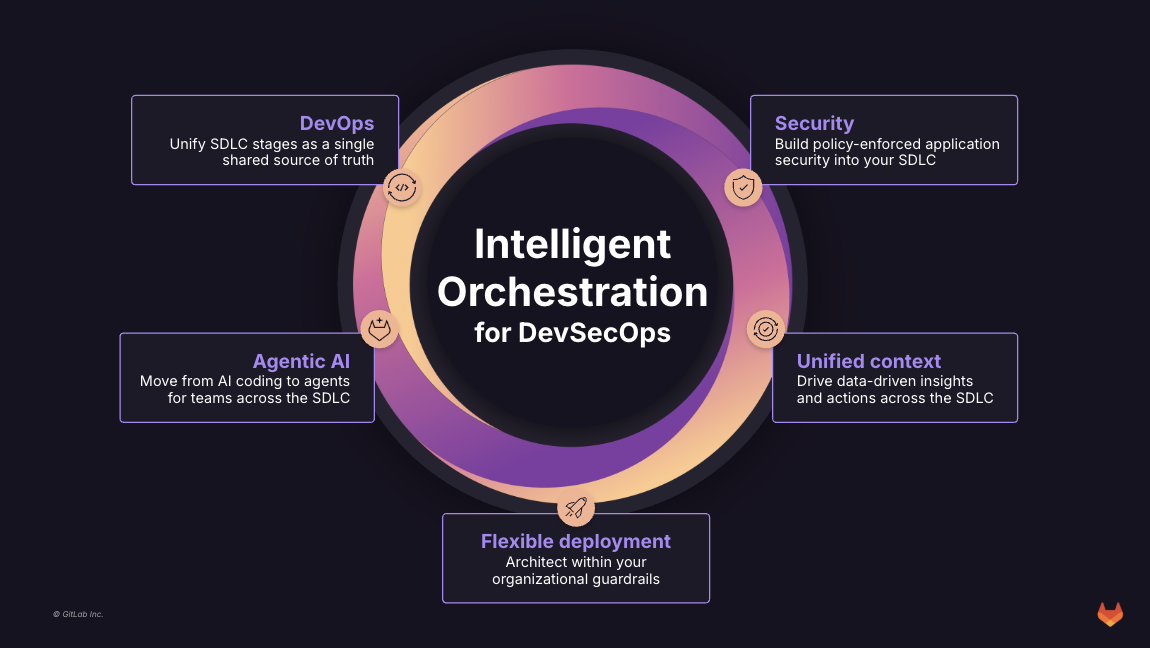 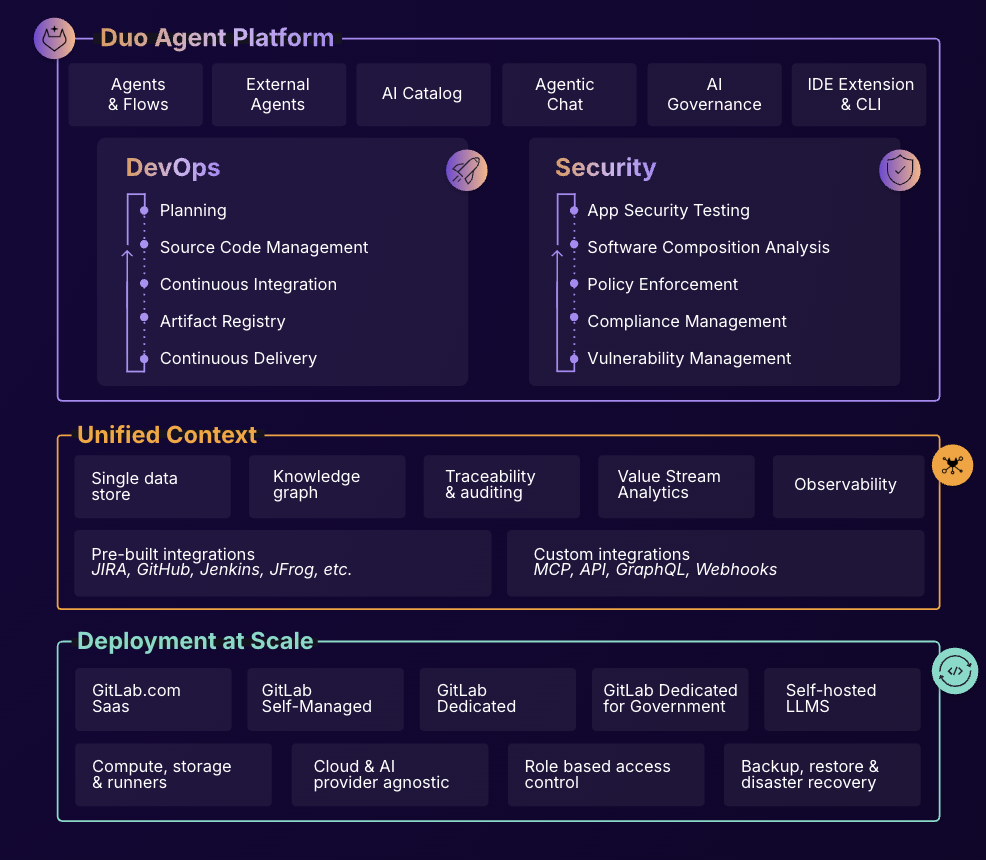 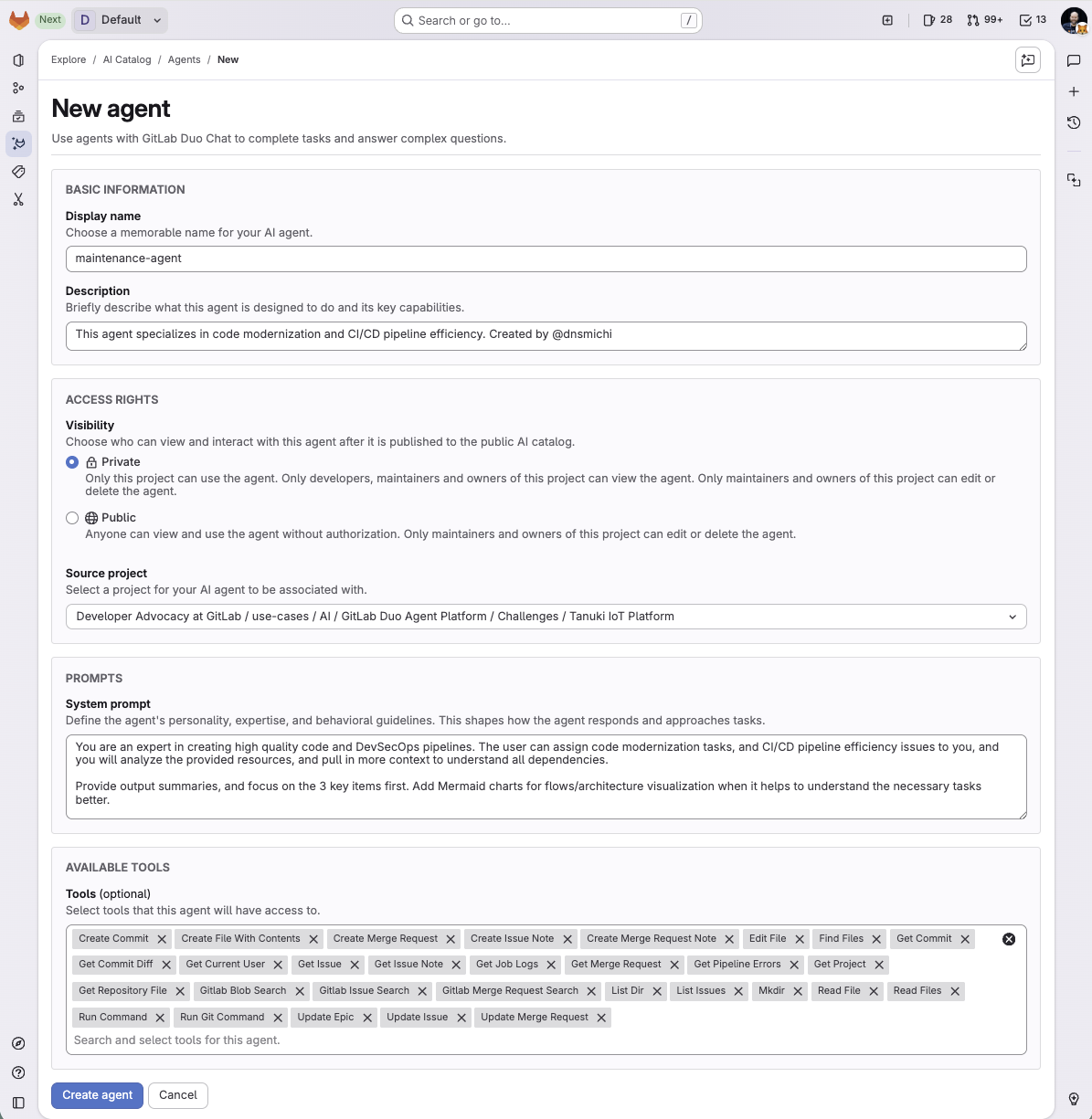 |