
Joseph Jesus Jimenez Sanchez
Manual Tester QA / Profesor
Chose BrowserStack

| Product | Rating | Most Used By | Product Summary | Starting Price |
|---|---|---|---|---|
 BrowserStack | N/A | BrowserStack is a test platform built for developers and QAs to expand test coverage, scale and optimize testing with cross-browser, real device cloud, accessibility, visual testing, test management, and test observability. BrowserStack states it currently powers over a billion tests a year for customers who include Amazon, Paypal, Well Fargo Bank, Nvidia, MongoDB, Pfizer, GE, Discovery, React JS, Apache, JQuery and several others rely on BrowserStack to test their web and mobile apps. | $0 per month Unlimited users and 5000 free screenshots | |
 GitHub | N/A | GitHub is a platform that hosts public and private code and provides software development and collaboration tools. Features include version control, issue tracking, code review, team management, syntax highlighting, etc. Personal plans ($0-50), Organizational plans ($0-200), and Enterprise plans are available. | $4 per month per user | |
 HeadSpin | N/A | HeadSpin is a Digital Experience AI Platform that combines a global device infrastructure, test automation, and ML-driven performance and quality of experience analytics. HeadSpin is designed to empower engineering, QA, operations, and product teams to assure optimal digital experiences across all delivery channels throughout the development lifecycle. | N/A |
| BrowserStack | GitHub | HeadSpin | ||||||||||||||||||||||
|---|---|---|---|---|---|---|---|---|---|---|---|---|---|---|---|---|---|---|---|---|---|---|---|---|
| Editions & Modules |
|
| No answers on this topic | |||||||||||||||||||||
| Offerings |
| |||||||||||||||||||||||
| Entry-level Setup Fee | No setup fee | No setup fee | No setup fee | |||||||||||||||||||||
| Additional Details | — | — | — | |||||||||||||||||||||
| More Pricing Information | ||||||||||||||||||||||||
| BrowserStack | GitHub | HeadSpin | |
|---|---|---|---|
| Considered Multiple Products |  BrowserStack Joseph Jesus Jimenez Sanchez Manual Tester QA / Profesor Chose BrowserStack  Arjun BM Senior Quality Assurance Engineer Chose BrowserStack Ease of use, more devices and availability are the first three things comes to my mind when it comes to BrowserStack ,and other aspect is price as well. | GitHub No answer on this topic |  HeadSpin |
| BrowserStack | GitHub | HeadSpin | |||||||||||||||||||||||||||||||||||||||
|---|---|---|---|---|---|---|---|---|---|---|---|---|---|---|---|---|---|---|---|---|---|---|---|---|---|---|---|---|---|---|---|---|---|---|---|---|---|---|---|---|---|
| Version Control Software Features |
|
| BrowserStack | GitHub | HeadSpin | |
|---|---|---|---|
| Small Businesses |  TestComplete Score 7.9 out of 10 |  Git Score 10.0 out of 10 |  Sentry Score 8.7 out of 10 |
| Medium-sized Companies |  ReadyAPI Score 6.3 out of 10 | Git Score 10.0 out of 10 | Sentry Score 8.7 out of 10 |
| Enterprises |  ignio AIOps Score 8.1 out of 10 |  Perforce P4 Score 7.2 out of 10 |  Dynatrace Score 8.3 out of 10 |
| All Alternatives | View all alternatives | View all alternatives | View all alternatives |
| BrowserStack | GitHub | HeadSpin | |
|---|---|---|---|
| Likelihood to Recommend | 8.9 (244 ratings) | 9.7 (131 ratings) | 9.8 (17 ratings) |
| Likelihood to Renew | 9.1 (19 ratings) | 10.0 (1 ratings) | - (0 ratings) |
| Usability | 7.8 (23 ratings) | 9.4 (10 ratings) | - (0 ratings) |
| Availability | 9.7 (5 ratings) | - (0 ratings) | - (0 ratings) |
| Performance | 5.4 (78 ratings) | - (0 ratings) | - (0 ratings) |
| Support Rating | 7.7 (24 ratings) | 8.8 (26 ratings) | - (0 ratings) |
| In-Person Training | 7.3 (1 ratings) | - (0 ratings) | - (0 ratings) |
| Online Training | 4.2 (3 ratings) | - (0 ratings) | - (0 ratings) |
| Implementation Rating | 8.9 (8 ratings) | - (0 ratings) | - (0 ratings) |
| Configurability | 8.3 (6 ratings) | - (0 ratings) | - (0 ratings) |
| Contract Terms and Pricing Model | 8.9 (4 ratings) | - (0 ratings) | - (0 ratings) |
| Ease of integration | 8.3 (3 ratings) | - (0 ratings) | - (0 ratings) |
| Product Scalability | 9.8 (6 ratings) | - (0 ratings) | - (0 ratings) |
| Professional Services | 8.9 (4 ratings) | - (0 ratings) | - (0 ratings) |
| Vendor post-sale | 9.0 (4 ratings) | - (0 ratings) | - (0 ratings) |
| Vendor pre-sale | 8.3 (4 ratings) | - (0 ratings) | - (0 ratings) |
| BrowserStack | GitHub | HeadSpin | |
|---|---|---|---|
| Likelihood to Recommend | BrowserStack
| GitHub
| HeadSpin
 Eric Severson Automation QA Tester |
| Pros | BrowserStack
 Erin Hinnen Technical Project Manager | GitHub
| HeadSpin
 Dina Dzousa QA Automation Analyst |
| Cons | BrowserStack
| GitHub
| HeadSpin
|
| Likelihood to Renew | BrowserStack
| GitHub
| HeadSpin No answers on this topic |
| Usability | BrowserStack
| GitHub
 Timothy Wood Founder/CEO | HeadSpin No answers on this topic |
| Reliability and Availability | BrowserStack
| GitHub No answers on this topic | HeadSpin No answers on this topic |
| Performance | BrowserStack
 Steven Boutcher QA Automation Engineer | GitHub No answers on this topic | HeadSpin No answers on this topic |
| Support Rating | BrowserStack
| GitHub
 Tim Hardy Senior Developer | HeadSpin No answers on this topic |
| In-Person Training | BrowserStack
| GitHub No answers on this topic | HeadSpin No answers on this topic |
| Online Training | BrowserStack
| GitHub No answers on this topic | HeadSpin No answers on this topic |
| Implementation Rating | BrowserStack
| GitHub No answers on this topic | HeadSpin No answers on this topic |
| Alternatives Considered | BrowserStack
 Kuman Kothiya Test Lead | GitHub
 Frank Ramirez Co-Founder, CTO and Product Lead | HeadSpin
 David De Groot Senior Test Automation Engineer |
| Contract Terms and Pricing Model | BrowserStack
| GitHub No answers on this topic | HeadSpin No answers on this topic |
| Scalability | BrowserStack
| GitHub No answers on this topic | HeadSpin No answers on this topic |
| Professional Services | BrowserStack
| GitHub No answers on this topic | HeadSpin No answers on this topic |
| Return on Investment | BrowserStack
| GitHub
| HeadSpin
|
| ScreenShots | BrowserStack Screenshots 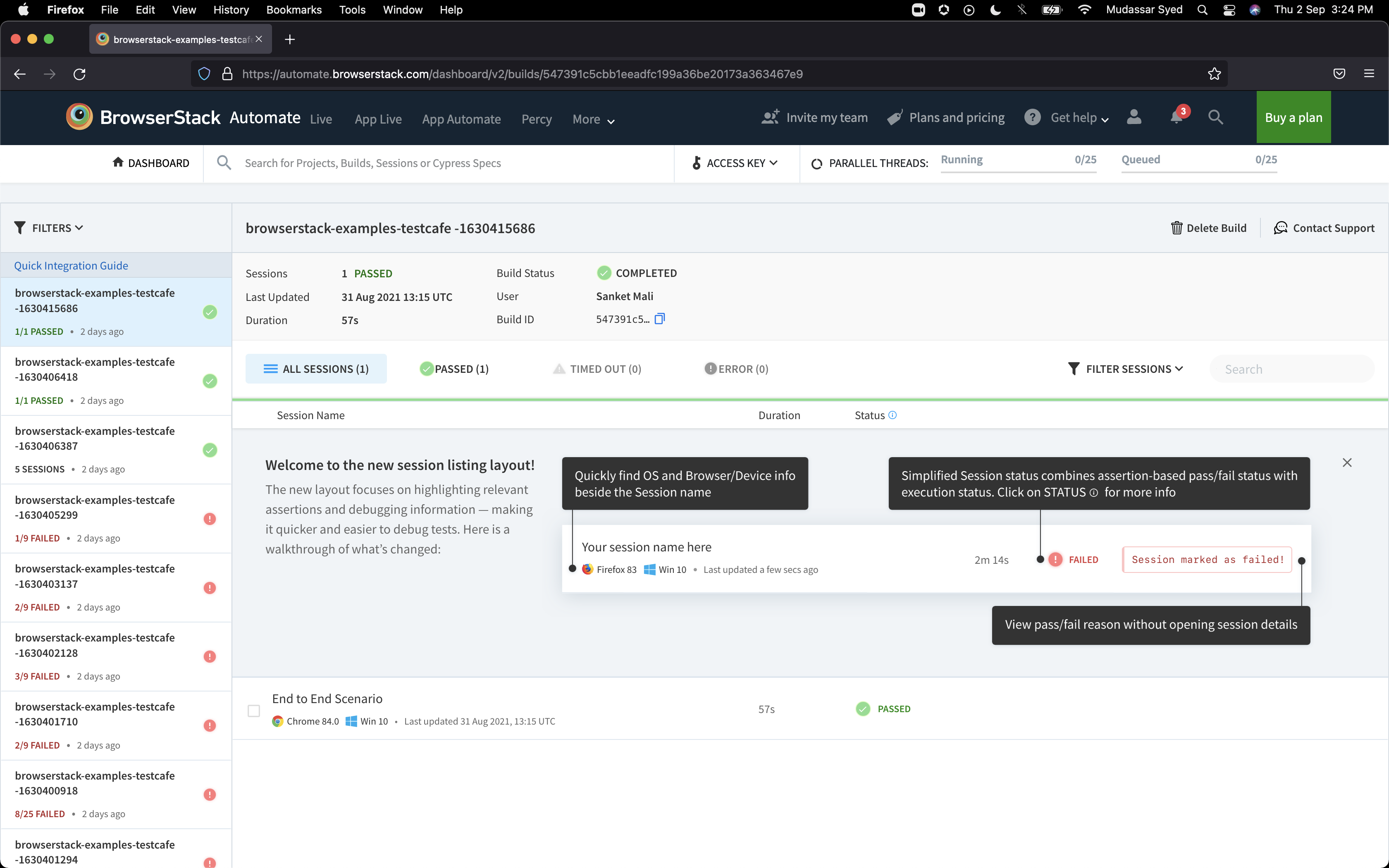 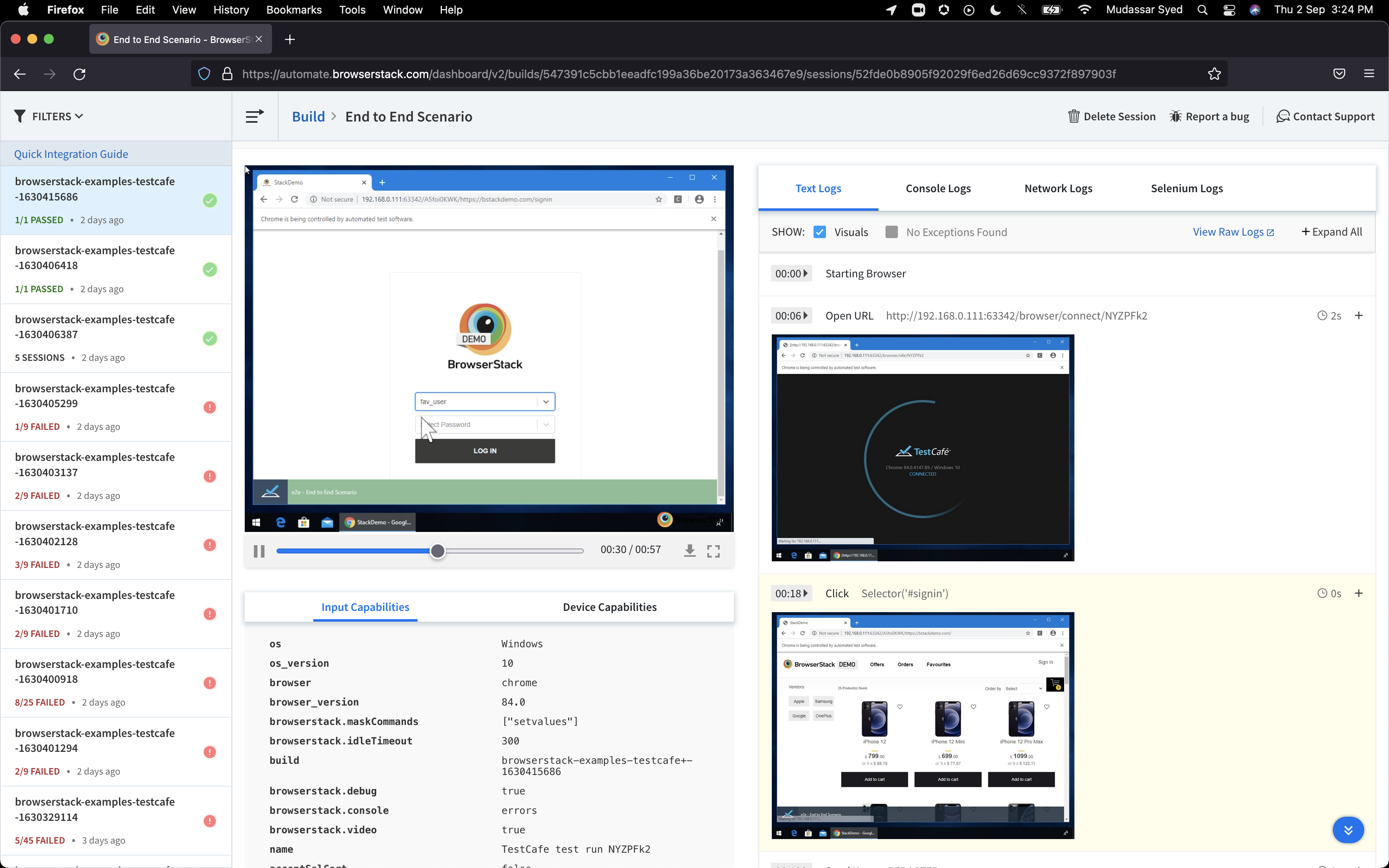 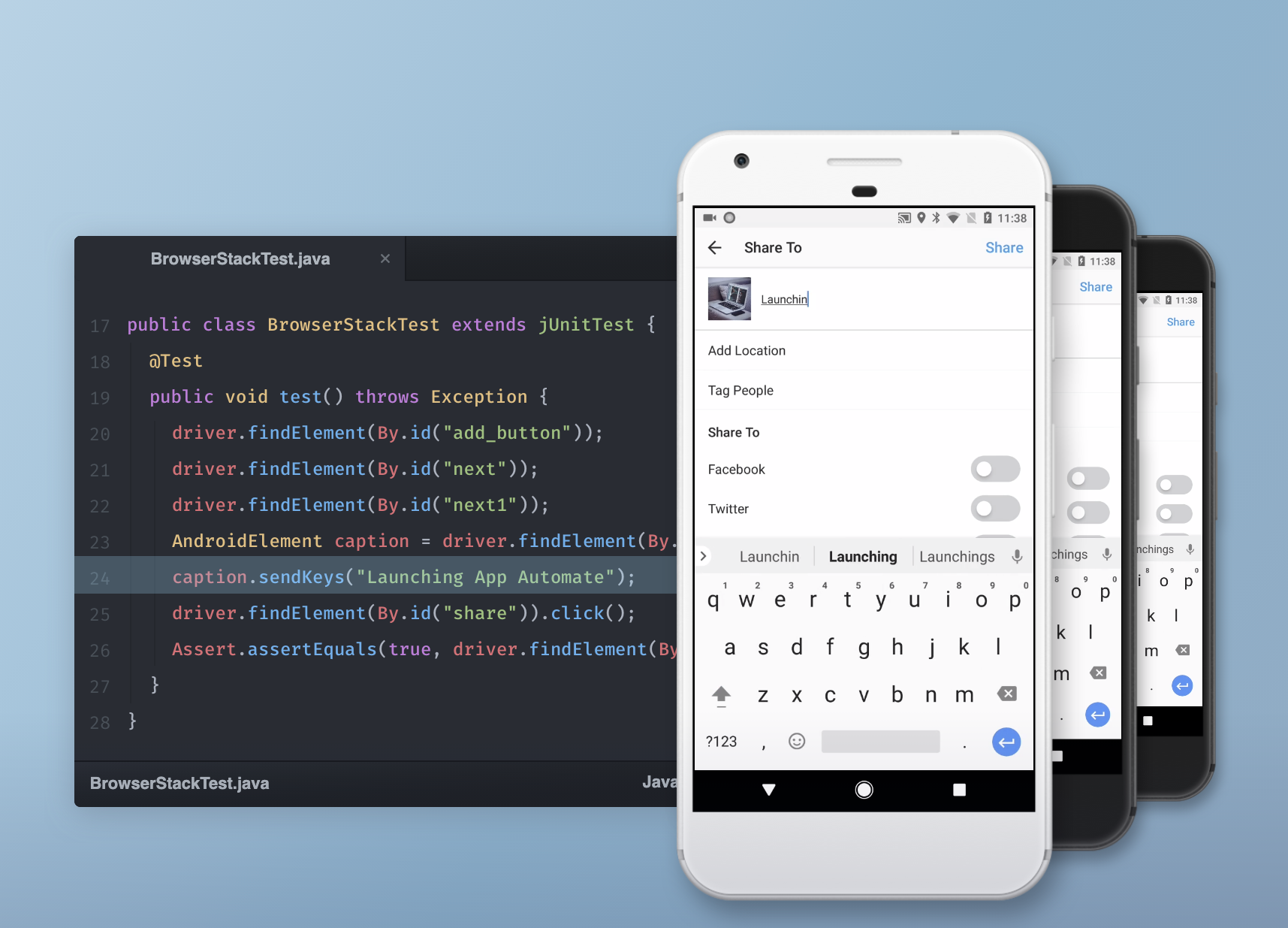  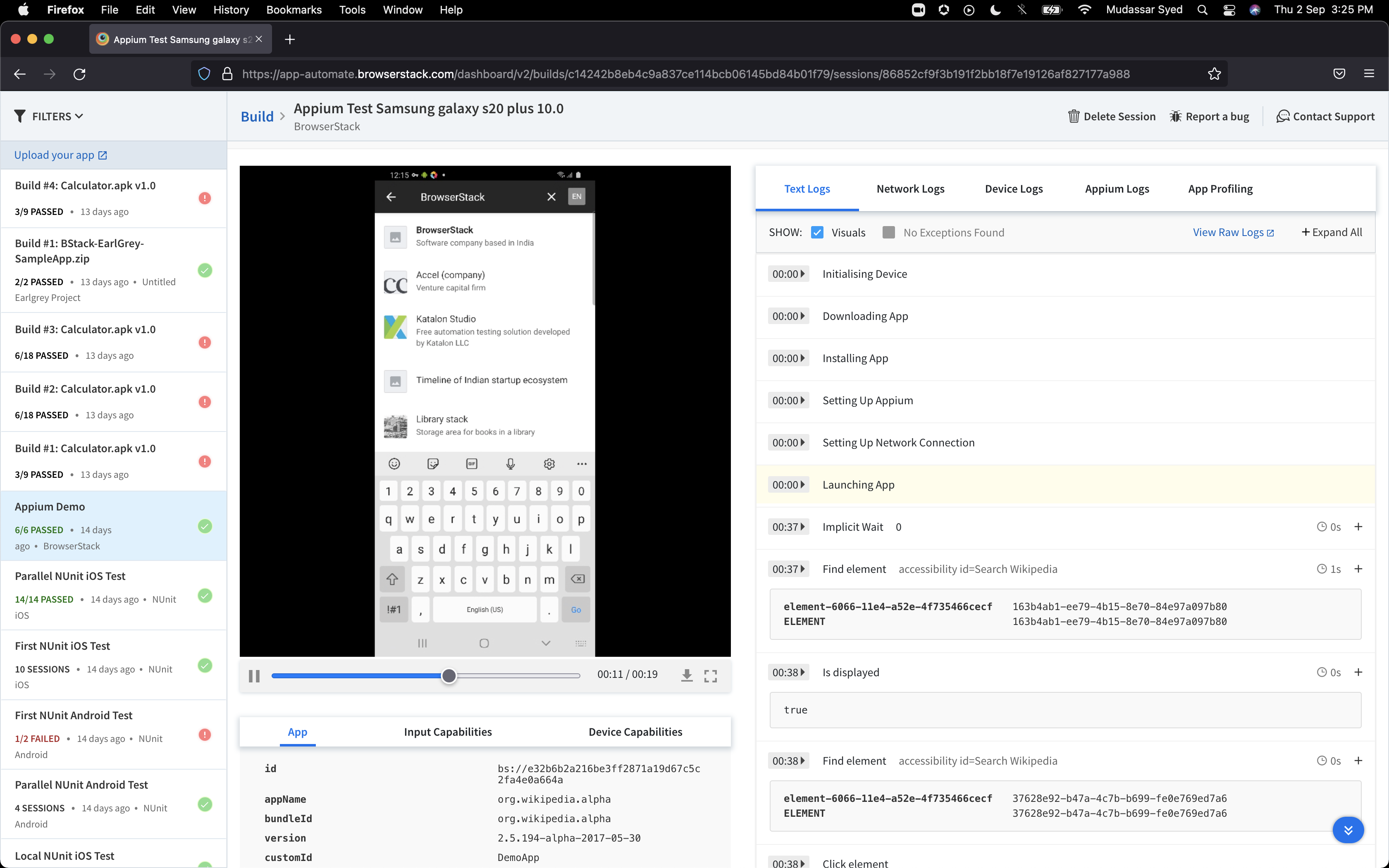 |