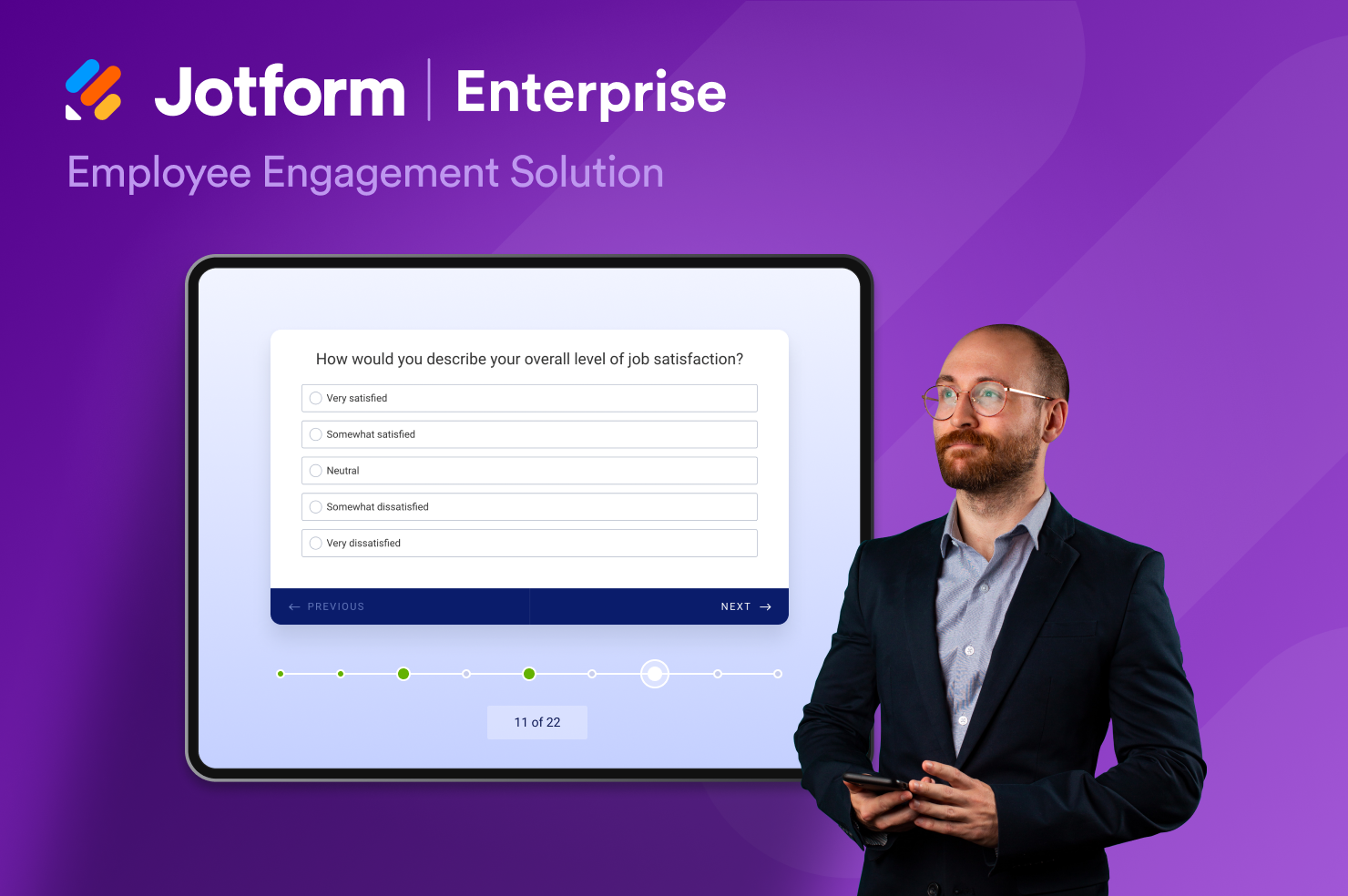
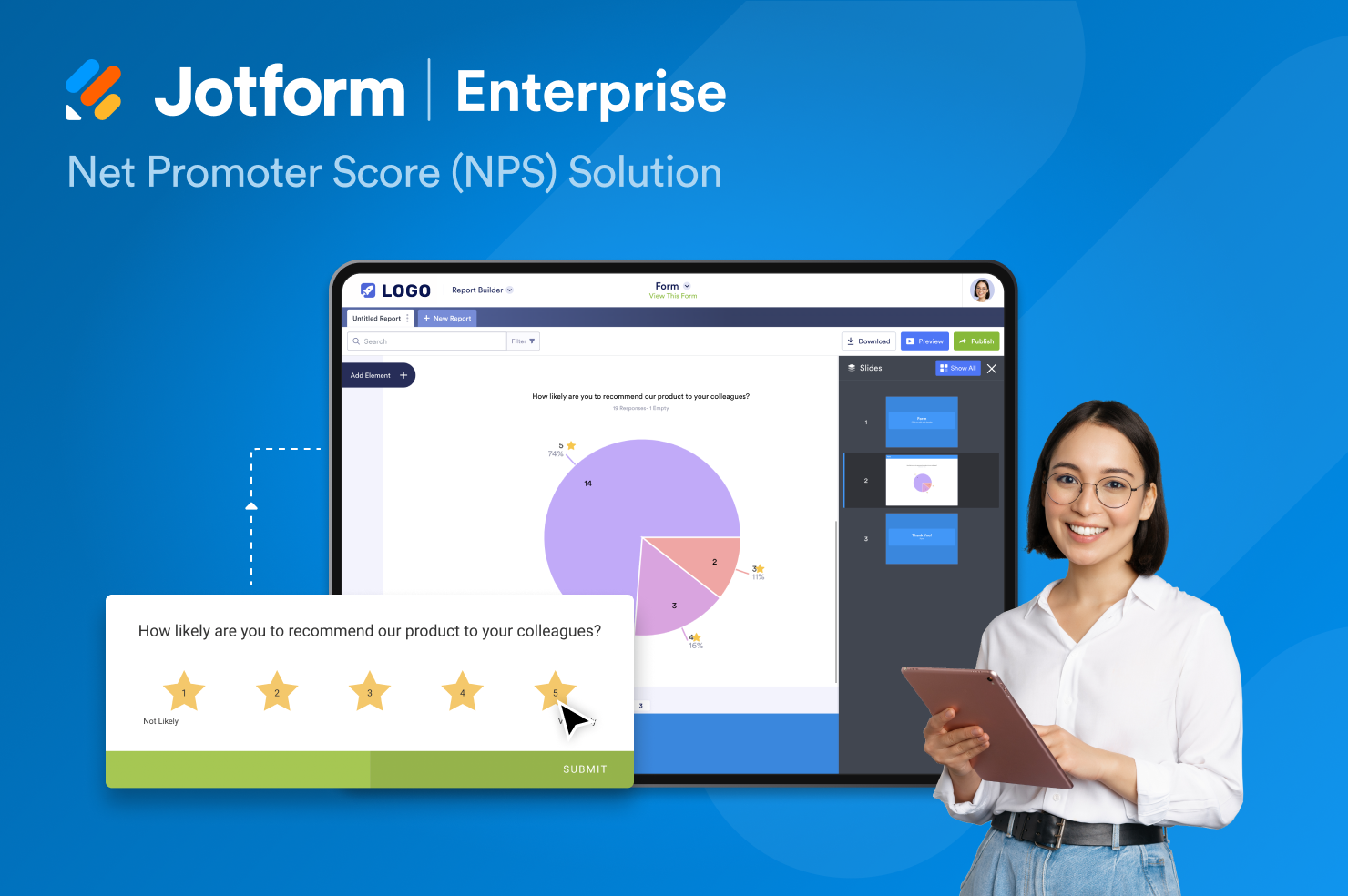
Jotform Enterprise is a digital workspace productivity tool that provides a platform for organizations. The aim of Jotform Enterprise is to give companies an easy-to-navigate tool that makes reaching out to customers, collaborating with coworkers, and collecting e-signatures and data a more seamless process. Jotform Enterprise strives to enable companies to make data-driven decisions without compromising when it comes to quality and security. It doesn’t matter what type of…
$0
Trello
Score 8.4 out of 10
N/A
Trello from Atlassian is a project management tool based on a Kanban framework. Trello is ideal for task-management in a to-do list format. It supports sharing boards and cards across users or teams. The product offers a free version, and paid versions add greater automation, collaboration, and administrative control.
$6
per month per user
Workamajig
Score 7.2 out of 10
N/A
Workamajig is a project management system with capabilities such as file sharing, resource management, and revenue projection.
$41
per month per user
Pricing
Jotform
Trello
Workamajig
Editions & Modules
Free
$0.00
Bronze
$34.00
Monthly
Silver
$39.00
Monthly
Gold
$99.00
Monthly
Enterprise
Custom
Standard
$6
per month per user
Premium
$12.50
per month per user
Enterprise
$17.50
per month per user
Free
Forever Free
In-house
$41
per month per user
Agency
$41
per month per user
Enterprise
Contact
per month per user
Offerings
Pricing Offerings
Jotform
Trello
Workamajig
Free Trial
Yes
No
No
Free/Freemium Version
Yes
Yes
No
Premium Consulting/Integration Services
No
No
No
Entry-level Setup Fee
No setup fee
No setup fee
No setup fee
Additional Details
—
A discount is offered for annual billing and for larger numbers of users.
—
More Pricing Information
Community Pulse
Jotform
Trello
Workamajig
Considered Multiple Products
Jotform
Verified User
Administrator
Chose Jotform
I initially came across JotForms when I hit some limitations on Google Forms. Specifically, at the time, I was not allowed to collect documents in Google Forms. JotForm allowed me not only to collect documents but also to define which types of documents I collected. It has been …
Workamajig definitely isn't the prettiest among the project management tools I've used, nor does it have the friendliest UX/UI. But it does have some advantages when it comes to automating tasks in a schedule, automatically replacing versions of files with the same name and …
WMJ is a fully integrated system. Accounting, time management, invoicing, project management, estimating, sales CRM, all occur in one integrated package. This is ultimately why we selected WMJ. Other packages do portions of the workflow well but don't always integrate via …
We use it for mostly community surveys and I absolutely prefer it over any other survey program out there. It is easy to create, easy to understand and easy to navigate. I love the QR code option it creates for you to share your form/ survey with others. It really is the best out there!
For teams or individuals with lots of individual tasks/details to track, Trello is perfect! It basically removes the need for a paper checklist. For those that need an overall project management tool that requires less tasks and more overarching goals, collaboration amongst various teams, and gantt charts I would suggest monday.com
If you're looking for a system to help you address accounting that's not suited for marketing agency structures, this is the right tool. It is a bit cumbersome, but it has streamlined our reporting, billing, estimating, and tracking. As for project management, it's great that it integrates with the estimating and finances, but it's just not enjoyable to use. The interface is clunky. So if project management is your main criteria, I'd choose something else. We would never use it to collaborate with clients either because I'd be afraid of making them frustrated by the tool, so we use Basecamp to do that.
The Platinum version has a particularly robust time tracking system, down to a 'timer' function that can be critical for an agency like mine where you want to be accountable for billing a client arruately
The ability to make projects available only to those who are permitted to assign their time to it has apparently been very helpful during our revenue reconciliation meetings where time incurred is reviewed against scope
The mobile app, while I still feel needs some work, is pretty handy for a quick calendar check if I'm in a client meeting and cannot utilize my browser to get information
WMJ's interface is dated. Despite an html5 driven "sheets"-based interface, it takes a lot of time and effort to manage the interface, which could be streamlined considerably. On a UX/UI scale of 1 to 10, with 10 being the best, WMJ would earn a 6 from me.
Despite the amount of documentation available, there is a distinct lack of clarity in that documentation, and it doesn't fully cover everything you would expect. Branching thoughts, for instance, are not addressed. Additionally, because there are two editions of the software online, there are two support sites that aren't sequestered. So information from both commingles, creating confusion.
Support is available on an email and phone basis. They strongly encourage you to use email, however, and they are resistant to phone time. This is likely because the support staff is limited in number, but has a great depth of knowledge. If you want immediate phone support, however, YOU ARE OUT OF LUCK. You are placed in a queue and the odds of same-day help are low. For email, the response is usually within an hour, but when you are stuck with a configuration issue, or need to generate a report and don't know how to do something, waiting is not optimal. That said, the support team is TERRIFIC.
I am very likely to renew Trello, because it doesn't cost anything to do so. I am also very likely to use Trello's upgraded features in the future because a lot of my team's data is stored on there and they have already gotten used to the platform. Trello is very easy for new team members to pick up, making the onboarding and usability very streamlined.
As a seasoned user who relies on seamless online forms for a multitude of purposes, I can confidently attest that JotForm has not only simplified the form creation process but has also elevated it to new heights.JotForm's interface is a masterpiece of intuitive design. Even if you're a newcomer to the world of online form creation, the platform's user-friendly layout will have you crafting professional-grade forms in no time.
Trello is incredibly intuitive, both on desktop and mobile right away. It is also full of helpful features that make it even easier to use, and is flexible enough to suit almost any organizational need. Onboarding for the software is thorough, but concise, and the service is frequently updated with even more QOL improvements.
I honestly have not used the support feature with Jotform. From what I can see when I look information up, everything I want to do something that I can't figure out myself it seems to not be a possible solution or edit that Jotform is currently capable of.
I haven't reached out to their support very often and their support is very limited anyway for the free users. They do have tons of great articles and videos in their Help Center and constantly send emails with updates and add-ons to the product. The fact that I've barely ever had to contact their support team means that they've developed a great product.
the most valuable things that Jotform give free trial, so the resistant users can get the experiences of the easiness and more handling to the digital things
For our small business, getting a few of us started well on Trello was the key, I think. As long as a couple of us were really comfortable with the interface, we could lead others and help them with any questions. From now on, anyone who works with us just naturally uses Trello for information sharing - it's just part of what we do.
Typeform is better hands down [in my opinion]. It's not even a comparison as [I feel] JotForm doesn't work properly and [from my experience I think] their support is very problematic. I would suggest using Typeform or using GravityForms as an alternative to JotForm. Whatever you do, [I feel you shouldn't] depend on JotForm for something that is important to your business or research project.
Trello is more simple and not as "robust" as the other tools, but it's easier to use and manage and understand and ACTUALLY get stuff done with. It's simplicity is part of the beauty of using it. You don't need a million options that nobody uses, you just need to get stuff done.
Workamajig was selected over a decade ago when there were very few project management platforms that has integrations with other platforms, support for Agile, KanBan, etc etc. Most of the other offerings did not offer the type of security available with us hosting an on premises server behind a VPN although now there are plenty of cloud based solutions that have security compliance greater than what we can provide (fedRamp, etc.)
It saved me time. Within minutes I was able to create and share forms to collect demographic data.
While struggling to use another software, I thought of Jotform and it was able to assist me with collating the data I had to confirm results previously obtained.
I could not easily identify what new information was provided in a resubmission by a respondent.
Trello keeps me organized, focused, and on track. I could filter the Trello board to only see my issues and understand what I needed to work on and when.
Trello helped our team implement an agile structure. It's a very simple kanban method of viewing all of your team's tasks and statuses. You can completely customize the columns to your team's specific workflow and create tags relevant to your work.
Trello helps reduce unnecessary communications between teams. When I want to request translations, I simply create a card on the localization Trello board -- no need to directly message anyone on the team, and I can watch the status of the card change from "in progress" to "in review" to "translated," all without having to directly ask for updates.
The agency switched to an hourly allocation so our clients were subject to a certain amount of hours each quarter. JIG helped us keep track of who was going over hours or who had some to spare. Once the clients went over we would use JIG to help charge the additional fees for going over. It helped keep clients accountable.
It was used to keep track of time sheets and through those time sheets, the directors were able to make a case for more employees on certain accounts. The corporate team hired 3 additional people that were truly needed and our time sheets helped reflect that.