
Chose Salesforce Agentforce Commerce
Salesforce Agentforce Commerce vs. Shopify Plus vs. WooCommerce
Salesforce Agentforce Commerce vs. Shopify Plus vs. WooCommerce
| Product | Rating | Most Used By | Product Summary | Starting Price |
|---|---|---|---|---|
 Agentforce Commerce | N/A | Salesforce Agentforce Commerce (formerly Commerce Cloud, and Demandware before that) is a cloud-based eCommerce solution for enterprises with merchandising tools, such as sorting, filtering, and image zooming, allowing customers to browse products. | $4 per month | |
 Shopify Plus | N/A | Shopify Plus is an eCommerce solution built for enterprise-level companies that enables them to sell online and offline across social channels like Facebook , Pinterest, and marketplaces like Amazon and eBay. | $2,300 per month with a 3-year commitment | |
 WooCommerce | N/A | WooCommerce is an eCommerce plugin for WordPress, developed by WooThemes (recently acquired by Automattic). Like WordPress, it is designed to be an extendable, adaptable, open-sourced platform. WooCommerce allows merchants to sell physical products, downloadables, or services. | $0 |
| Salesforce Agentforce Commerce | Shopify Plus | WooCommerce | ||||||||||||||||||||||
|---|---|---|---|---|---|---|---|---|---|---|---|---|---|---|---|---|---|---|---|---|---|---|---|---|
| Editions & Modules | No answers on this topic |
|
| |||||||||||||||||||||
| Offerings |
| |||||||||||||||||||||||
| Entry-level Setup Fee | No setup fee | No setup fee | No setup fee | |||||||||||||||||||||
| Additional Details | B2B Commerce: Starter - $4 price/order Growth - $6 price/order Plus - $8 price/order B2C Commerce: Starter - 1% Gross Merchandise Value Growth - 2% Gross Merchandise Value Plus - 3% Gross Merchandise Value B2B2C Commerce: 1% Gross Merchandise Value | — | WooCommerce is a free and open-source plugin for WordPress. Merchants can host their WooCommerce store on any private hosting service, or with Automattic directly via WordPress.com. Some added features or services from the WooCommerce Official Marketplace may have one time or subscription pricing. | |||||||||||||||||||||
| More Pricing Information | ||||||||||||||||||||||||
| Salesforce Agentforce Commerce | Shopify Plus | WooCommerce | |
|---|---|---|---|
| Considered Multiple Products |  Agentforce Commerce  Gary Penn Global VP Digital & eCommerce Chose Salesforce Agentforce Commerce | Shopify Plus  Amy Highland Head of Operations Chose Shopify Plus Shopify Plus offers a lot more scalable technical foundations. Magento and WooCommerce sites can be difficult to innvoate on top of and not have the security that Shopify Plus offers. Often WooCommerce sites are cobbled together with third party tools and plugins that can …  Nathan Simmons Head of Web Chose Shopify Plus A far more professional approach to e-commerce in general. Servers and the core SSL are taken care of and you're left with a whole host of tools to sell, sell and sell.  Brian Manning President & Co-Founder Chose Shopify Plus Shopify Plus has the most robust capabilities of the pure cloud plays and the app store ecosystem is the largest and best.  Darcy Knapp, MBA President Chose Shopify Plus Shopify Plus offers a more robust solution than Woo commerce and is easier to train on than Big Commerce. Woo commerce is freeware with no support. Big Commerce offers more SEO features and is a more powerful solution, but harder to remote train users on - lots more … | WooCommerce  Luke Hall Founder Chose WooCommerce WooCommerce is a good free version that's very customisable, but is not a smooth or polished platform. If you look at both dashboards between Shopify and WooCommerce you can see the difference is huge. WooCommerce seems to be built for websites that aren't focused entirely on …  Luis Escoffié Especialista en Marketing Digital y Comercio Electrónico Chose WooCommerce I like WooCommerce because it can be optimized, customized and adapted to every business needs. That's because it's WordPress core, it helps us customize stores in ways we can only imagine and also we can implement Google AMP and PWA easier and faster than with other platforms. … |
| Salesforce Agentforce Commerce | Shopify Plus | WooCommerce | |||||||||||||||||||||||||||||||||||||||
|---|---|---|---|---|---|---|---|---|---|---|---|---|---|---|---|---|---|---|---|---|---|---|---|---|---|---|---|---|---|---|---|---|---|---|---|---|---|---|---|---|---|
| Online Storefront |
| ||||||||||||||||||||||||||||||||||||||||
| Online Shopping Cart |
| ||||||||||||||||||||||||||||||||||||||||
| Online Payment System |
| ||||||||||||||||||||||||||||||||||||||||
| eCommerce Marketing |
| ||||||||||||||||||||||||||||||||||||||||
| eCommerce Business Management |
|
| Salesforce Agentforce Commerce | Shopify Plus | WooCommerce | |
|---|---|---|---|
| Small Businesses |  Ecwid by Lightspeed Score 10.0 out of 10 | Ecwid by Lightspeed Score 10.0 out of 10 | Ecwid by Lightspeed Score 10.0 out of 10 |
| Medium-sized Companies | Shopify Plus Score 8.9 out of 10 |  IBM Digital Commerce Score 9.0 out of 10 | Shopify Plus Score 8.9 out of 10 |
| Enterprises | IBM Digital Commerce Score 9.0 out of 10 | IBM Digital Commerce Score 9.0 out of 10 | IBM Digital Commerce Score 9.0 out of 10 |
| All Alternatives | View all alternatives | View all alternatives | View all alternatives |
| Salesforce Agentforce Commerce | Shopify Plus | WooCommerce | |
|---|---|---|---|
| Likelihood to Recommend | 8.5 (55 ratings) | 9.1 (44 ratings) | 8.5 (93 ratings) |
| Likelihood to Renew | 7.8 (11 ratings) | - (0 ratings) | 7.0 (4 ratings) |
| Usability | 9.0 (11 ratings) | 8.8 (12 ratings) | 8.0 (12 ratings) |
| Availability | 8.0 (1 ratings) | - (0 ratings) | - (0 ratings) |
| Performance | 9.0 (1 ratings) | - (0 ratings) | - (0 ratings) |
| Support Rating | 9.0 (3 ratings) | 10.0 (1 ratings) | 5.0 (1 ratings) |
| In-Person Training | 8.0 (1 ratings) | - (0 ratings) | - (0 ratings) |
| Implementation Rating | 8.0 (2 ratings) | - (0 ratings) | - (0 ratings) |
| Configurability | - (0 ratings) | - (0 ratings) | 10.0 (1 ratings) |
| Salesforce Agentforce Commerce | Shopify Plus | WooCommerce | |
|---|---|---|---|
| Likelihood to Recommend | Salesforce
Gary Penn Global VP Digital & eCommerce | Shopify
| Automattic
|
| Pros | Salesforce
 Natasha Sandhu Co-Founder and Marketing Director | Shopify
 Josh Fortin Warehouse Manager | Automattic
|
| Cons | Salesforce
| Shopify
| Automattic
|
| Likelihood to Renew | Salesforce
 John Perasco AVP - Digital Infrastructure | Shopify No answers on this topic | Automattic
 Rick Fitzgerald Owner/CEO |
| Usability | Salesforce
| Shopify
Amy Highland Head of Operations | Automattic
|
| Reliability and Availability | Salesforce
 Jeremiah Graham, MBA Web Manager, Oreck.com | Shopify No answers on this topic | Automattic No answers on this topic |
| Support Rating | Salesforce
 Peter Kowalczyk Sr. Software Engineer | Shopify
| Automattic
|
| In-Person Training | Salesforce
Jeremiah Graham, MBA Web Manager, Oreck.com | Shopify No answers on this topic | Automattic No answers on this topic |
| Implementation Rating | Salesforce
Jeremiah Graham, MBA Web Manager, Oreck.com | Shopify No answers on this topic | Automattic No answers on this topic |
| Alternatives Considered | Salesforce
| Shopify
| Automattic
|
| Return on Investment | Salesforce
| Shopify
 Ricky Jordan Senior Computer Systems Admin | Automattic
 Justin Esgar CEO/President - 360° IT Consulting, Server Management, IT Security |
| ScreenShots | Shopify Plus Screenshots  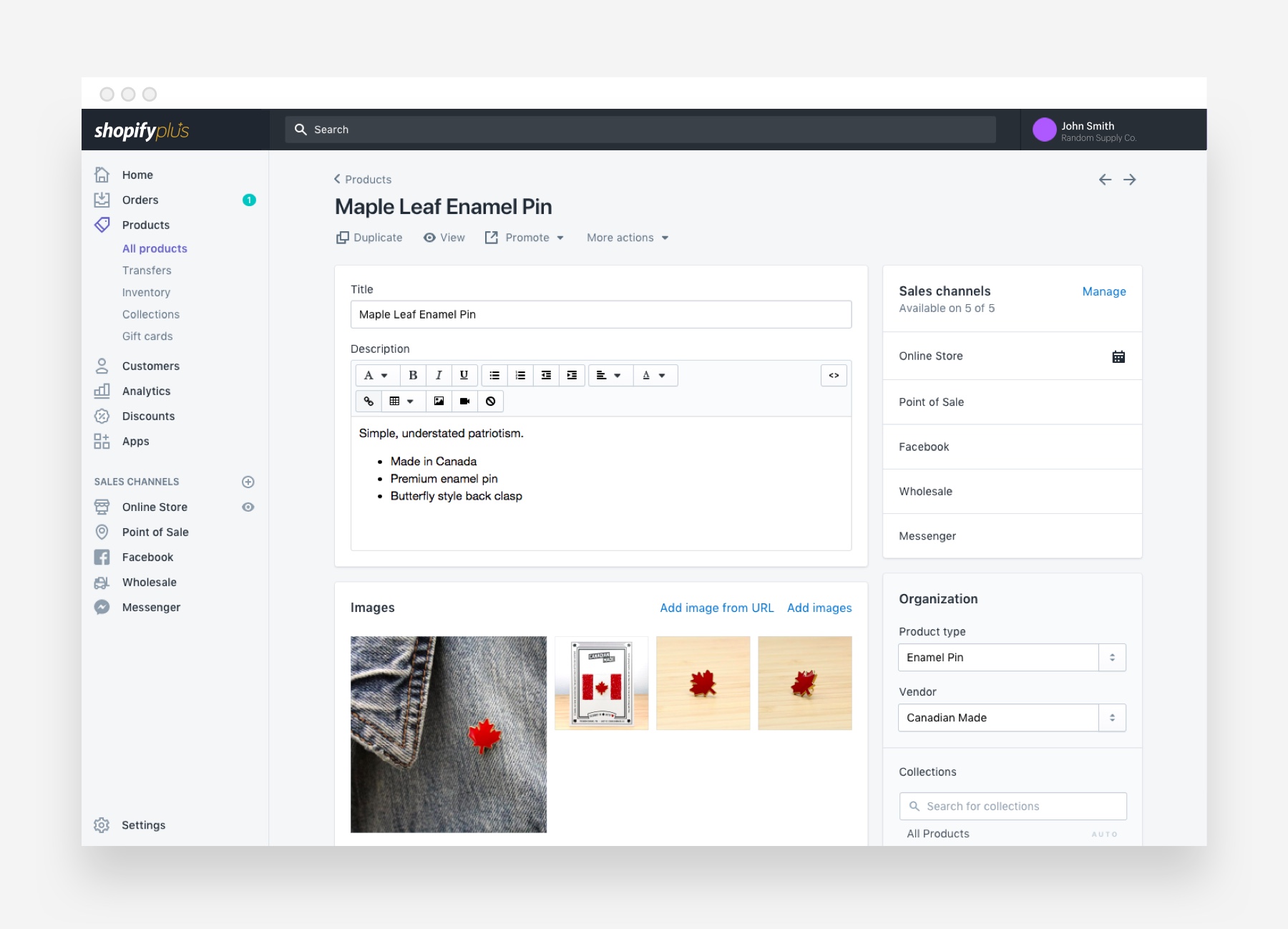  | WooCommerce Screenshots     |