Chose Adobe Real-Time Customer Data Platform
CDP enables data management and segment aspects, leveraging data from Adobe Analytics and EDL, while Adobe Target enables us to do A/B Testing and personilation use-cases

| Product | Rating | Most Used By | Product Summary | Starting Price |
|---|---|---|---|---|
 Adobe Real-Time CDP | N/A | Adobe's Real-Time Customer Data Platform allows marketers to collect, normalize, and unify known and pseudonymous consumer and professional data into real-time profiles. These person or account-based profiles then power B2B, B2C, and hybrid customer experiences at scale. | N/A | |
 Adobe Target | N/A | Adobe Test and Target is an A/B, multi-variate testing platform which Adobe acquired as part of the Omniture platform in 2009. It is now part of the Adobe Marketing Cloud. It offers tight integration with Adobe analytics and content management products. | N/A |
| Adobe Real-Time Customer Data Platform | Adobe Target | |||||||||||||||
|---|---|---|---|---|---|---|---|---|---|---|---|---|---|---|---|---|
| Editions & Modules | No answers on this topic | No answers on this topic | ||||||||||||||
| Offerings |
| |||||||||||||||
| Entry-level Setup Fee | Optional | No setup fee | ||||||||||||||
| Additional Details | Adobe offers three tiers of Real-Time CDP tailored for any type of business wanting to power their customer experience management strategy with unified customer data. The Business-to-Consumer Edition is for B2C brands wanting to personalize experiences for consumers. The Business-to-Business Edition is for B2B brands wanting to personalize experiences for leads and accounts. The Business-to-Person Edition is for combined B2C and B2B brands wanting to personalize experiences for the same person across all lines of business. | — | ||||||||||||||
| More Pricing Information | ||||||||||||||||
| Adobe Real-Time Customer Data Platform | Adobe Target | |
|---|---|---|
| Considered Both Products | Adobe Real-Time CDP  Gheorghe Cotruta Data architect / Tech Lead Chose Adobe Real-Time Customer Data Platform Adobe has a better usability, overall better profile governance and a better estimation for audiences. It works great with other Adobe Products  Rubén Vinagre Activation Strategy Senior Manager Chose Adobe Real-Time Customer Data Platform The whole stack approach and have everything under the same vendor simplifies things. | Adobe Target No answer on this topic |
| Adobe Real-Time Customer Data Platform | Adobe Target | ||||||||||||||||||||||||||||||||||||||||||||||||||||||||||||
|---|---|---|---|---|---|---|---|---|---|---|---|---|---|---|---|---|---|---|---|---|---|---|---|---|---|---|---|---|---|---|---|---|---|---|---|---|---|---|---|---|---|---|---|---|---|---|---|---|---|---|---|---|---|---|---|---|---|---|---|---|---|
| Tag Management |
| ||||||||||||||||||||||||||||||||||||||||||||||||||||||||||||
| Audience Segmentation & Targeting |
| ||||||||||||||||||||||||||||||||||||||||||||||||||||||||||||
| Customer Data Management |
| ||||||||||||||||||||||||||||||||||||||||||||||||||||||||||||
| Testing and Experimentation |
| ||||||||||||||||||||||||||||||||||||||||||||||||||||||||||||
| Results and Analysis |
|
| Adobe Real-Time Customer Data Platform | Adobe Target | |
|---|---|---|
| Small Businesses |  Bloomreach Score 9.0 out of 10 |  Convert Experiences Score 9.9 out of 10 |
| Medium-sized Companies | Bloomreach Score 9.0 out of 10 |  Dynamic Yield Score 9.0 out of 10 |
| Enterprises | Bloomreach Score 9.0 out of 10 | Dynamic Yield Score 9.0 out of 10 |
| All Alternatives | View all alternatives | View all alternatives |
| Adobe Real-Time Customer Data Platform | Adobe Target | |
|---|---|---|
| Likelihood to Recommend | 8.1 (28 ratings) | 8.4 (46 ratings) |
| Likelihood to Renew | 8.6 (28 ratings) | 6.3 (24 ratings) |
| Usability | 8.0 (28 ratings) | 8.1 (14 ratings) |
| Availability | - (0 ratings) | 6.1 (4 ratings) |
| Performance | - (0 ratings) | 8.0 (3 ratings) |
| Support Rating | - (0 ratings) | 3.5 (9 ratings) |
| In-Person Training | - (0 ratings) | 8.1 (3 ratings) |
| Online Training | - (0 ratings) | 6.1 (3 ratings) |
| Implementation Rating | - (0 ratings) | 7.2 (5 ratings) |
| Adobe Real-Time Customer Data Platform | Adobe Target | |
|---|---|---|
| Likelihood to Recommend | Adobe
| Adobe
|
| Pros | Adobe
| Adobe
 Terri Harris Legal Assistant Office Manager |
| Cons | Adobe
| Adobe
|
| Likelihood to Renew | Adobe
| Adobe
 Richard Hayes Director of Web Analytics & Optimisation |
| Usability | Adobe
| Adobe
|
| Reliability and Availability | Adobe No answers on this topic | Adobe
 Petrik Oh Senior Web Analytics Manager |
| Performance | Adobe No answers on this topic | Adobe
 Brett Johnson Digital Producer |
| Support Rating | Adobe No answers on this topic | Adobe
 Gary Poppe Data Analyst |
| In-Person Training | Adobe No answers on this topic | Adobe
 Sarah Schick Product Analyst |
| Online Training | Adobe No answers on this topic | Adobe
Sarah Schick Product Analyst |
| Implementation Rating | Adobe No answers on this topic | Adobe
|
| Alternatives Considered | Adobe
 Sasikumar Ravikumar Senior Software Engineer | Adobe
|
| Return on Investment | Adobe
| Adobe
|
| ScreenShots | Adobe Real-Time CDP Screenshots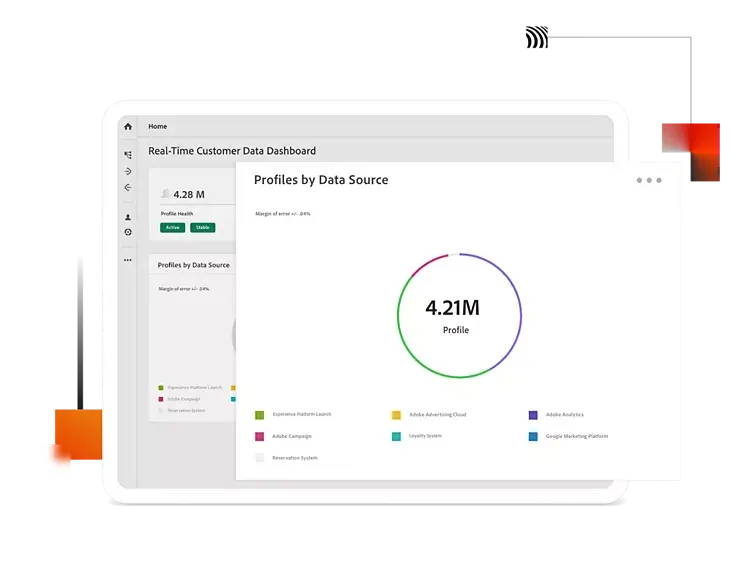 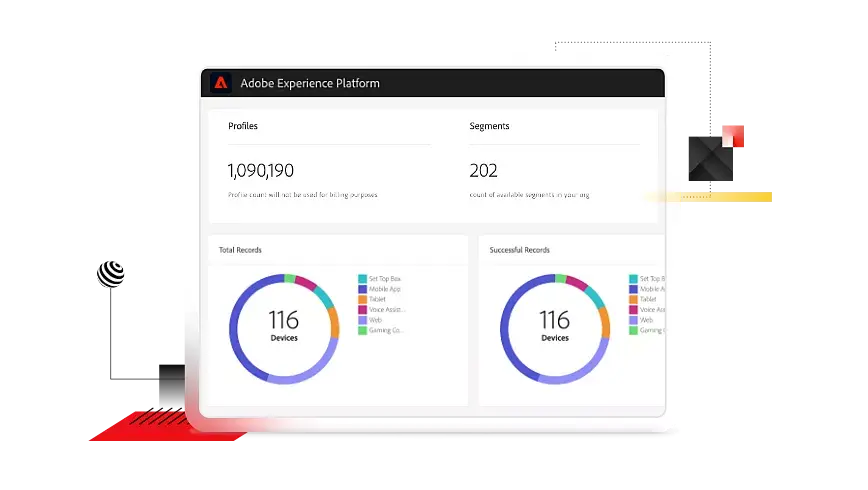 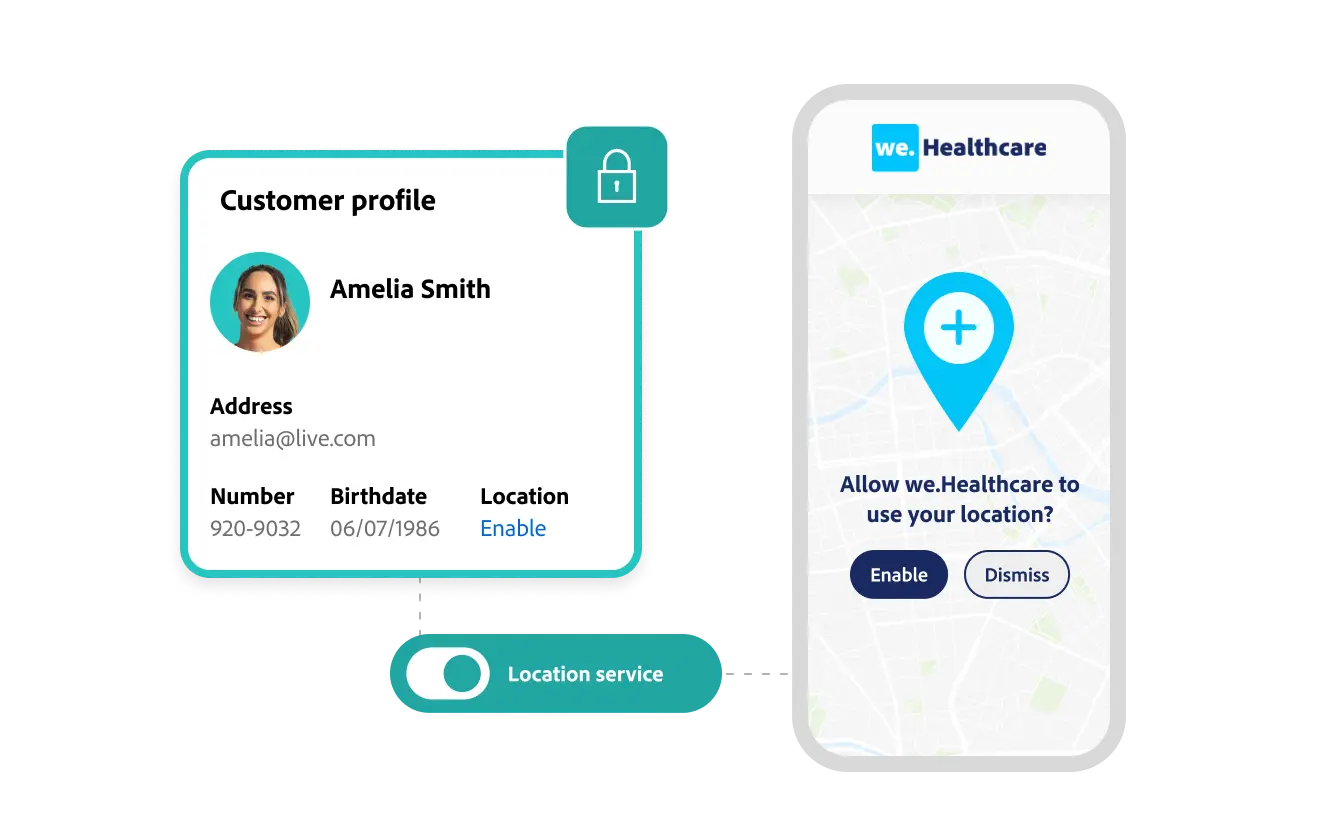 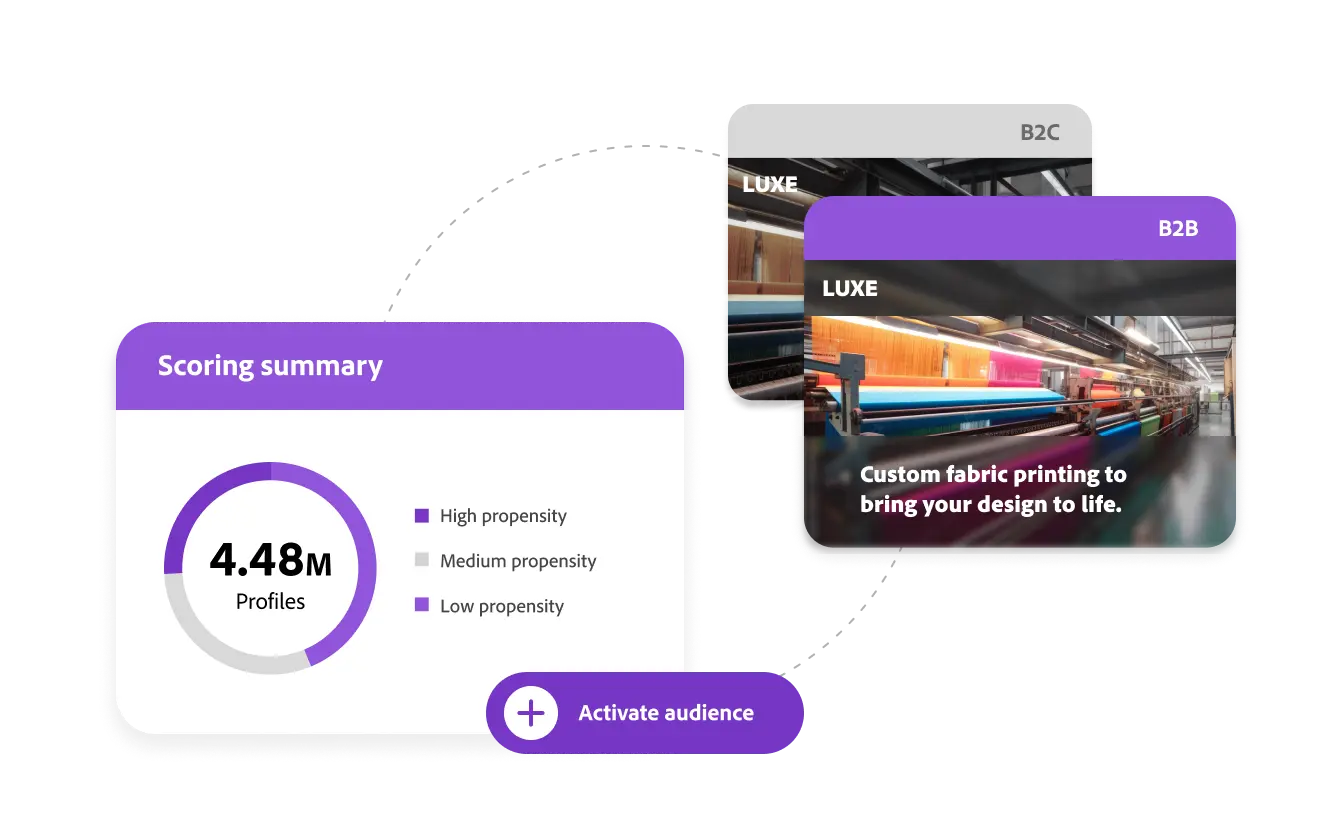 |