Chose Avaya Contact Center
I've used the mail. I've used Contact Center, things like that. I think it's very user-friendly, and we're doing a lot of remote work, so we're having a big learning curve in that area right now, but it does stack up well.

| Product | Rating | Most Used By | Product Summary | Starting Price |
|---|---|---|---|---|
 Avaya Contact Center | N/A | Avaya Contact Center is delivered through Avaya Infinity, a cloud-native platform designed to orchestrate customer interactions across multiple channels. Built on a Microservices Architecture with open AI Orchestration, Avaya Infinity enables organizations to manage Voice, Digital, Email, and Messaging interactions. The system provides Dynamic Routing, AI automation, and real-time orchestration—with the flexibility to deploy in the cloud, on-premises, or in a hybrid… | N/A | |
 MindTouch | N/A | MindTouch is a customer experience management platform with content management and help authoring capabilities. Formerly known as MediaWiki, it is optimized for building knowledge bases for customer self-service and agent assistance purposes. | N/A |
| Avaya Contact Center | MindTouch | |||||||||||||||
|---|---|---|---|---|---|---|---|---|---|---|---|---|---|---|---|---|
| Editions & Modules | No answers on this topic | No answers on this topic | ||||||||||||||
| Offerings |
| |||||||||||||||
| Entry-level Setup Fee | Required | No setup fee | ||||||||||||||
| Additional Details | — | — | ||||||||||||||
| More Pricing Information | ||||||||||||||||
| Avaya Contact Center | MindTouch | |
|---|---|---|
| Considered Both Products |  Avaya Contact Center  Pankaj Prashad Assistant Manager F &A Chose Avaya Contact Center Avaya is extremely reliable and easy to perform system administration. Frequently updated documentations are available in Avaya Portal and easily to get web chat advice from the internet.  Gustavo Alonso Corporate Manager Chose Avaya Contact Center I selected due to is the most used platform in my work day.  Vojislav Kosijer Senior Customer Service Representative Chose Avaya Contact Center Basically, Avaya looks and feels much simpler that 8x8. Its simple to use provides a vast majority of different solutions and integrations, easily top-tier VoIP on the market. It stands out by having so much within one single system, which allows or jobs to be performed with …  Duncan Hernandez Sr. Data Analytics Consultant Chose Avaya Contact Center Talkdesk to me feels a little basic and can use a better interface. Also, the live chat is much more developed with Avaya Infinity™. With the options that Avaya Infinity™ has, I think that Avaya Infinity™ is the better solution, but both products do what they say they are going …  Viridiana Olascoaga Customer Service Agent Chose Avaya Contact Center Slack is also a support tool to manage the day to day, however compared to Avaya Infinity™, it is much less complete, since Avaya Infinity™ allows to do many more simultaneous and real-time management, in addition to an automation of the service that works through the voice … |  MindTouch  Travis Sousa Director of Support, CFO Chose MindTouch I will be brief. DealerTeam is built upon Salesforce and we try to support native apps. We used Desk.com first for basic Help Ticket management. The product did not satisfy how our customers were looking for information. We upgraded to Service Cloud with Knowledge Base and …  Harry Kaplowitz Product Manager Chose MindTouch MindTouch wasn't the cheapest option we considered, but it was the best value. It gave us the most features, controls, flexibility, and growth opportunity for the money we paid for it. We did not need a ticketing solution, and a lot of the offerings we evaluated were stronger …  Ben Mo Partner Engineer Chose MindTouch We considered:
 Ed Owen Director of Customer Experience Infrastructure Chose MindTouch SDL's product at the time did not elegantly handle content other than DITA.  Ozzie Gardner Knowledge Manager Chose MindTouch In my view, MindTouch is hands down the industry leader when it comes to documentation and publishing products. None of the other products I have used provide such an intuitive interface for single-source content creation. MadCap Flare has a steep learning curve and requires …  Matthew Teborek Director, Client Success Chose MindTouch Actually, when we evaluated MinfTouch it was evident that we didn't really need to perform due diligence against other solution providers. It was apparent from the get-go they were the perfect fit for the problems we were trying to solve.  Paul Schwartz VP of Information Technology Chose MindTouch Each suite offered a variety of features; however, MindTouch had powerful SAP integration and as a hosted solution the value of ownership was nearly immediate. Put on top of the API and CSS options for customization MindTouch was the top solution for our documentation …  Seth Faber Global Services eServices Manager Chose MindTouch MindTouch offers a unique knowledge and information management tool that was different enough from traditional knowledge bases and advanced enough to not be a Wiki while allowing CRM integration and APIs for customization. MindTouch as a company is focused on making their …  Kathleen Linenberger Carrier Relations Specialist Chose MindTouch MindTouch was the first and only product we used, so I do not know what other companies provide services similar to MindTouch.  Nina Wishbow Principal Technical Writer Chose MindTouch I did not select MindTouch at my current company, but I was looking into it at my previous position. It has many of the useful features of the more traditional publications tools (RoboHelp, Frame) with the ease of web deployment of other tools (HelpIQ). It has some limitations …  Aaron Leonard Senior Content Manager Chose MindTouch We previously used MadCap Flare. Flare is amazing for its single sourcing capabilities, where MindTouch is lacking. But with Flare we had to do an entire build and publish each time (which took hours).  Ryan Burke Manager, Product Education Chose MindTouch We looked at Happy Fox, Salesforce Communities, Fuze, MadCap Flare, etc. MindTouch won out because of its Salesforce integration and the fact that it was a hosted solution with everything included in one price.  Jaclyn Schoof Knowledge Program Manager Chose MindTouch We selected MindTouch because it had the most features for what we were looking for in our solution.  Tanner Volz Technical Content Manager Chose MindTouch N/A. It has been several years since I evaluated competitors. I'm vaguely aware of ZenDesk and am in process of evaluating not - not with the intention to replace MindTouch, just to keep up with trends in the industry. I would consider a move if I ever felt that MindTouch was …  Alicia Tripler Billing and Operations Manager Chose MindTouch We evaluated various knowledge base options and previously used a home-grown site for documentation. Mindtouch had more options than we knew were possible and provided a more robust product.  Himanshu Pandya Director of Technical Support Chose MindTouch We used Parature a long time ago but we left that system due to increasing costs and we moved to SFDC and WordPress. For a few years we used WordPress which was very difficult to manage especially for managing images, page redirects and overall longterm maintenance of content.  George Eckel Principal Writer & User Experience Design Chose MindTouch MindTouch is not as sophisticated as those editors but MindTouch is the only one that generates HTML. The other editors provide additional, advanced functionality, are more bulletproof, and require the services of an experienced technical writer. MindTouch, however, is simpler … |
| Avaya Contact Center | MindTouch | ||||||||||||||||||||||||||||||||||||||||||
|---|---|---|---|---|---|---|---|---|---|---|---|---|---|---|---|---|---|---|---|---|---|---|---|---|---|---|---|---|---|---|---|---|---|---|---|---|---|---|---|---|---|---|---|
| Contact Center Software |
| ||||||||||||||||||||||||||||||||||||||||||
| Workforce Optimization (WFO) |
|
| Avaya Contact Center | MindTouch | |
|---|---|---|
| Small Businesses |  CloudTalk Score 7.4 out of 10 |  Sogolytics Score 8.5 out of 10 |
| Medium-sized Companies | CloudTalk Score 7.4 out of 10 |  CustomerSuccessBox Score 9.5 out of 10 |
| Enterprises |  Bright Pattern Contact Center Score 8.4 out of 10 |  Verint Voice of the Customer Score 9.2 out of 10 |
| All Alternatives | View all alternatives | View all alternatives |
| Avaya Contact Center | MindTouch | |
|---|---|---|
| Likelihood to Recommend | 8.6 (0 ratings) | 7.6 (0 ratings) |
| Likelihood to Renew | 7.3 (0 ratings) | 8.8 (0 ratings) |
| Usability | 7.3 (0 ratings) | 7.5 (0 ratings) |
| Availability | 7.0 (0 ratings) | - (0 ratings) |
| Performance | 10.0 (0 ratings) | 8.0 (0 ratings) |
| Support Rating | 9.1 (0 ratings) | 7.8 (0 ratings) |
| Online Training | - (0 ratings) | 8.8 (0 ratings) |
| Implementation Rating | 8.2 (0 ratings) | 7.7 (0 ratings) |
| Configurability | - (0 ratings) | 5.0 (0 ratings) |
| Ease of integration | - (0 ratings) | 9.0 (0 ratings) |
| Product Scalability | - (0 ratings) | 1.4 (0 ratings) |
| Vendor post-sale | - (0 ratings) | 9.3 (0 ratings) |
| Avaya Contact Center | MindTouch | |
|---|---|---|
| Likelihood to Recommend |
|
|
| Pros |
 Shauna Stermer Internet Technician/Consultant for Cox Communications at Sutherland Global Services/CloudSource |
 Kristen Kiley Instructional Designer |
| Cons |
 Hammad Bin Idrees Call Center Manager |
|
| Likelihood to Renew |
 Michelle VanderBand Business Analyst III |
 Olav Andreas Frenning Technical Writer / Help Author / Copywriter / Course instructor |
| Usability |
Pankaj Prashad Assistant Manager F &A |
|
| Performance | No answers on this topic |
|
| Support Rating |
|
|
| Online Training | No answers on this topic |
Olav Andreas Frenning Technical Writer / Help Author / Copywriter / Course instructor |
| Implementation Rating |
Gustavo Alonso Corporate Manager |
 Lisa Fontaine Technical Writer |
| Alternatives Considered |
|
Travis Sousa Director of Support, CFO |
| Scalability | No answers on this topic |
 Ziv Peled VP Client Services |
| Return on Investment |
|
|
| ScreenShots | MindTouch Screenshots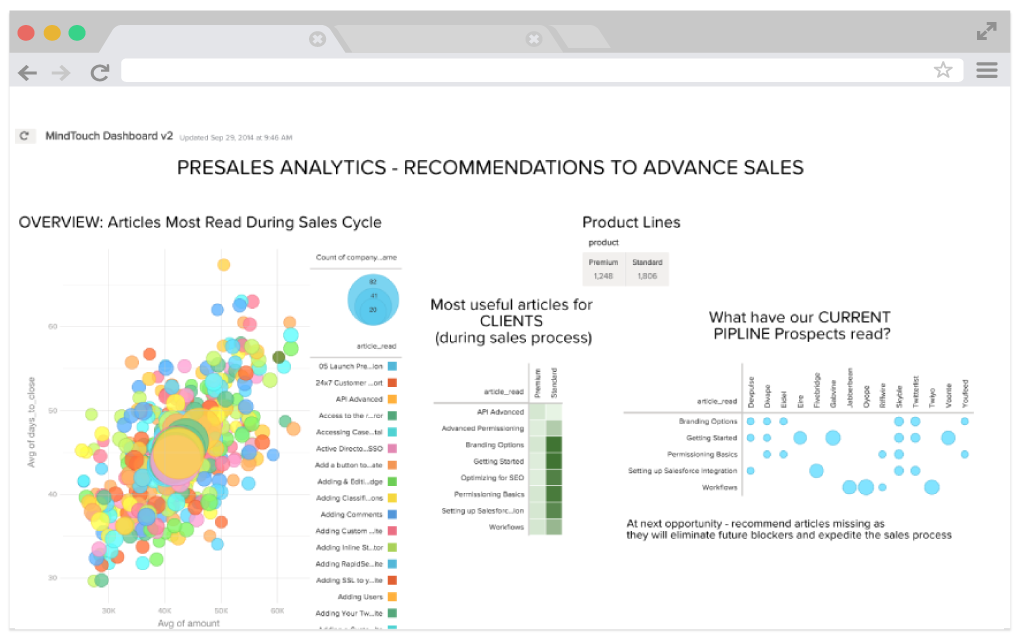  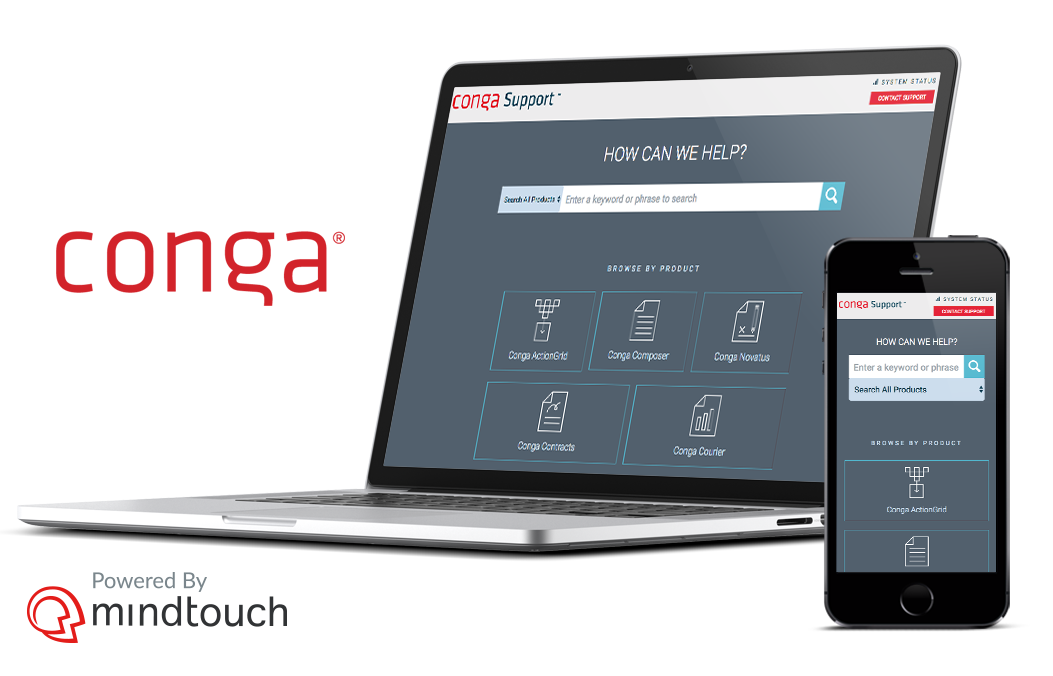 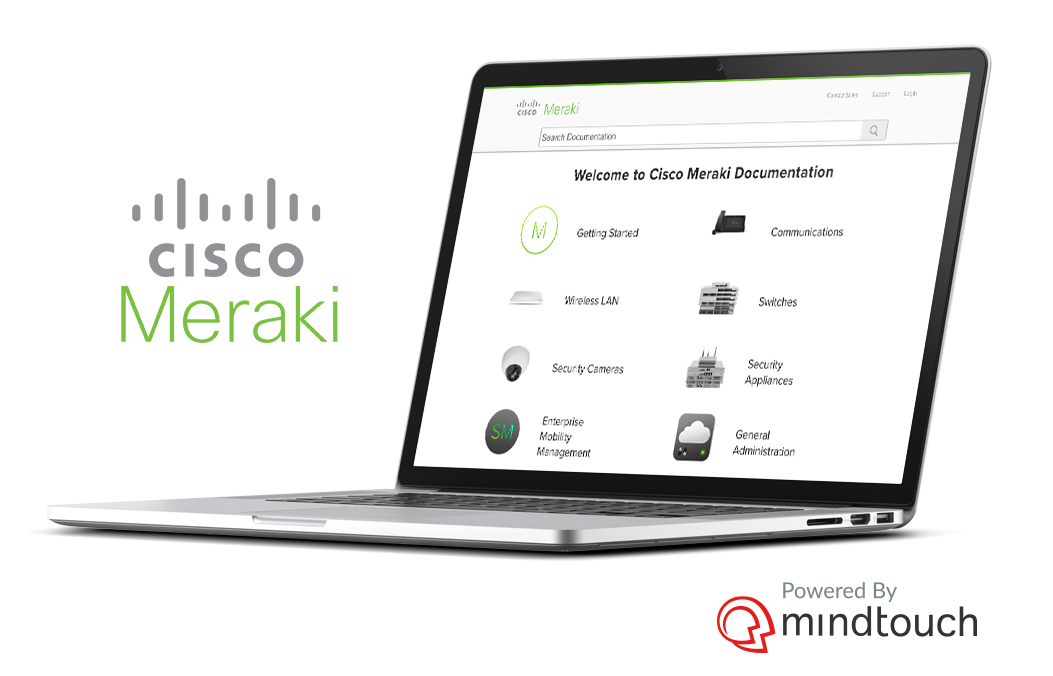   |