Microsoft's Azure API Management supports creation of API.
$0.04
Lightweight and serverless version of API Management service, billed per execution
BILL
Score 8.2 out of 10
N/A
BILL is an online service for SMBs which provides a central dashboard for managing Accounts Receivable, Accounts Payable, and cash flow management. It syncs with all major accounting systems like QuickBooks, Sage, Intaact, and NetSuite.
$45
per user/per month
QuickBooks Online
Score 8.0 out of 10
N/A
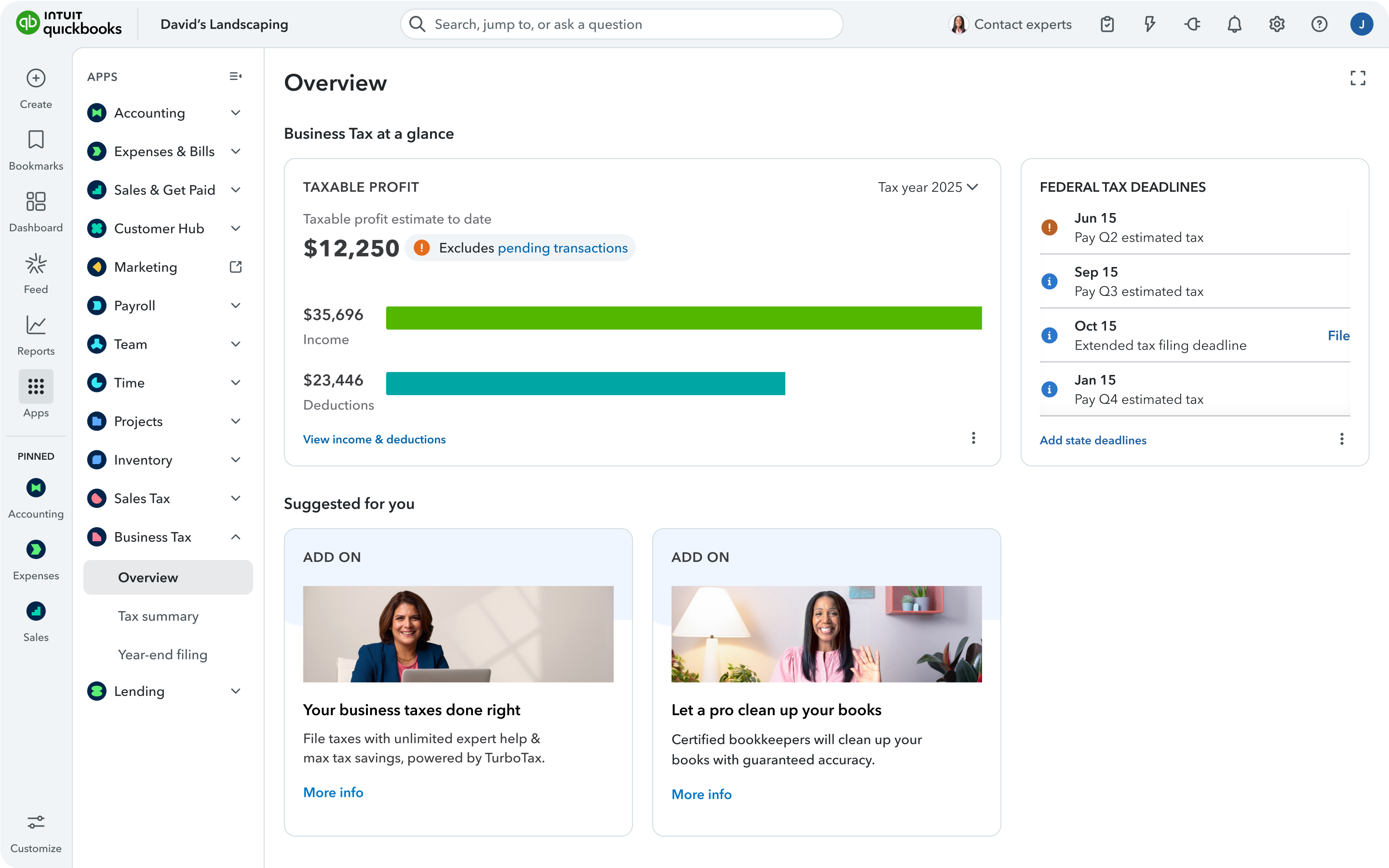
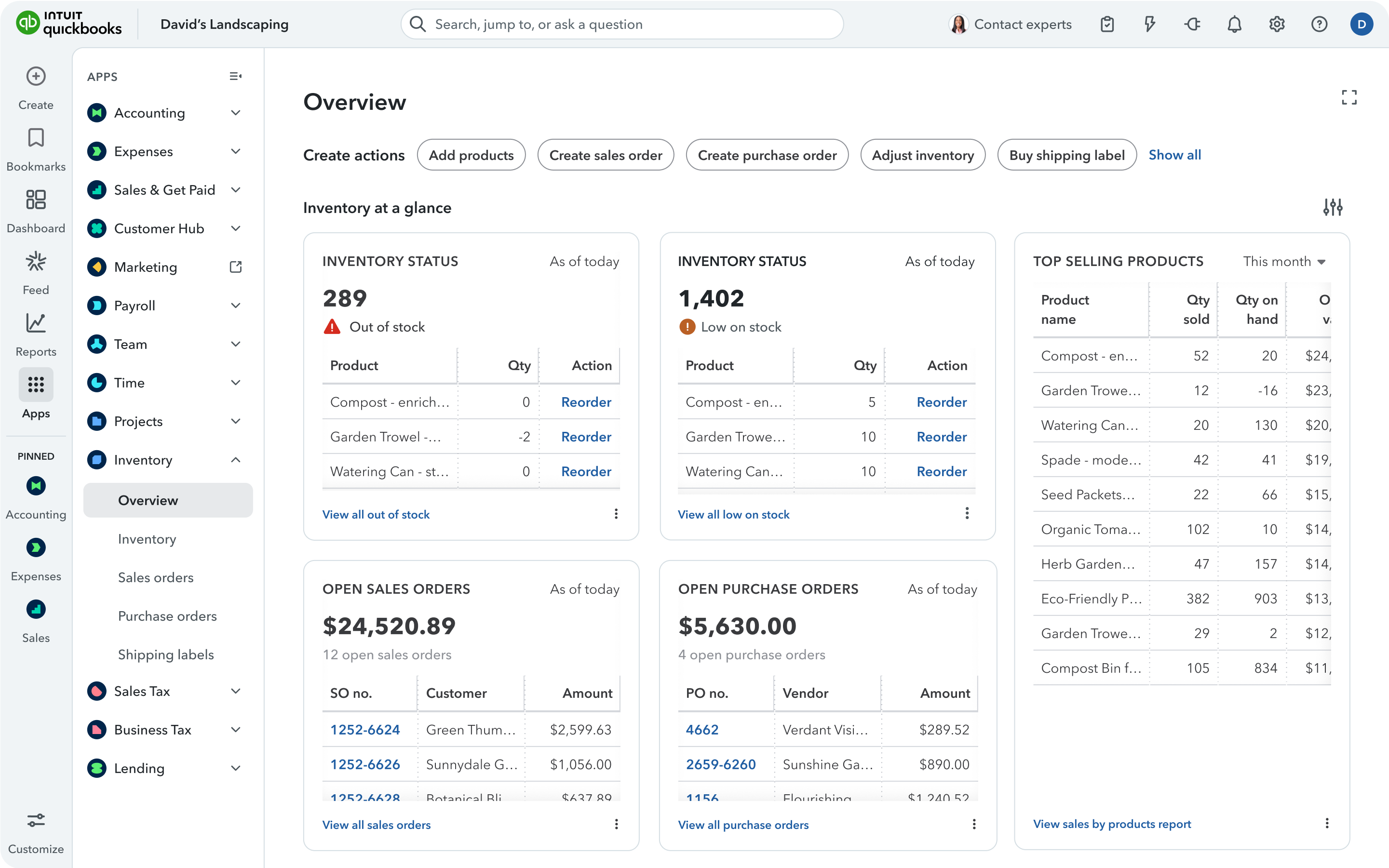
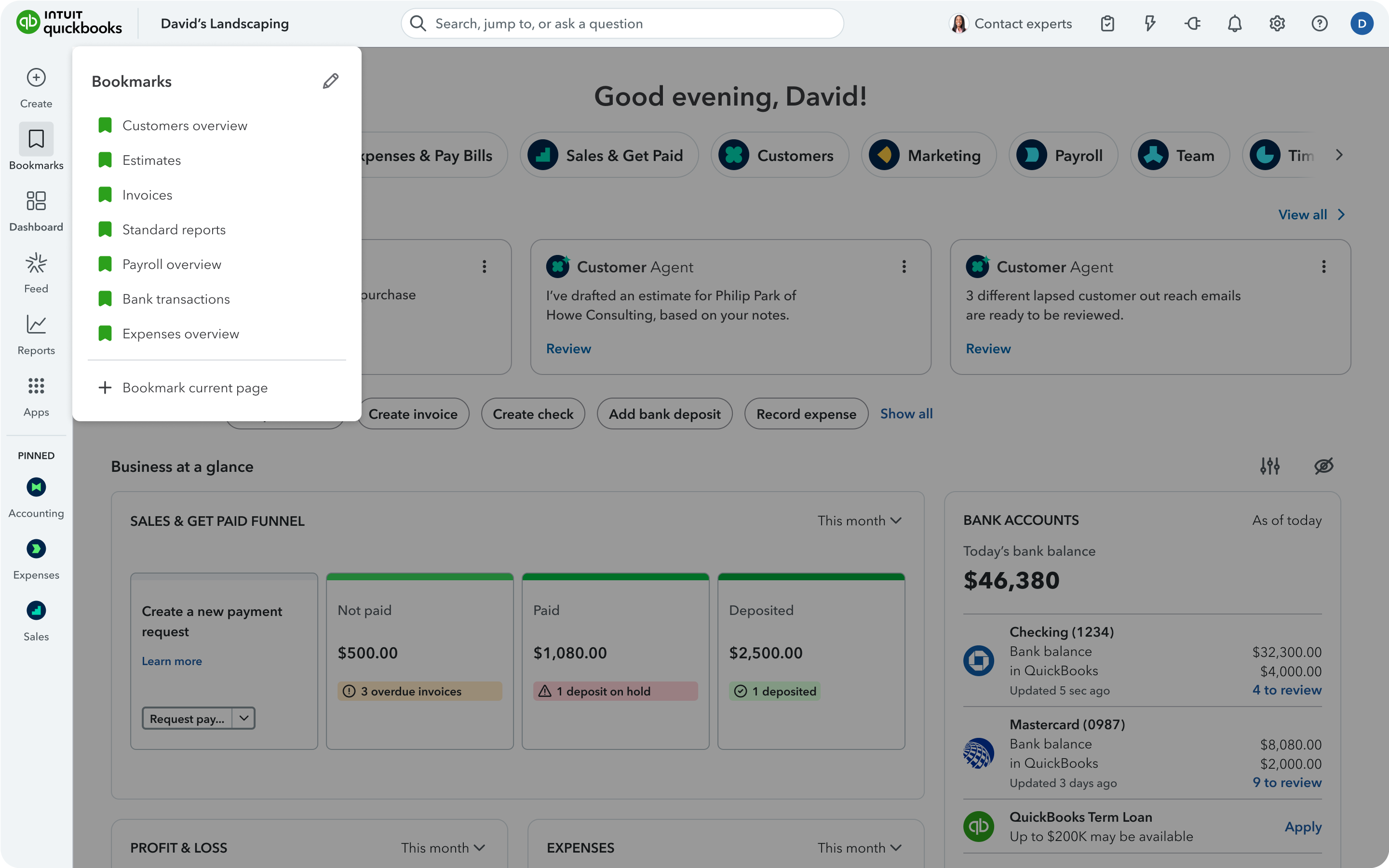
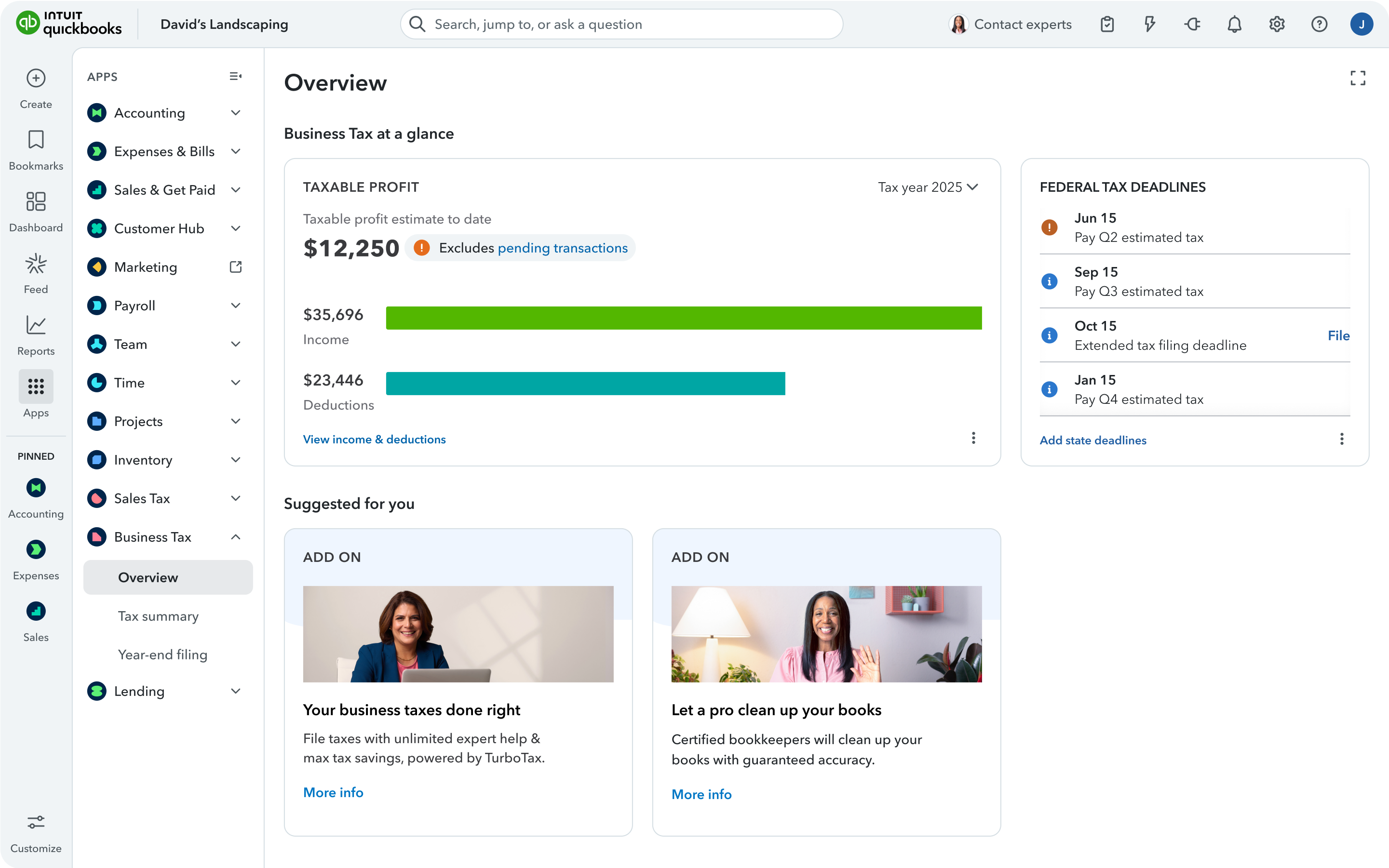
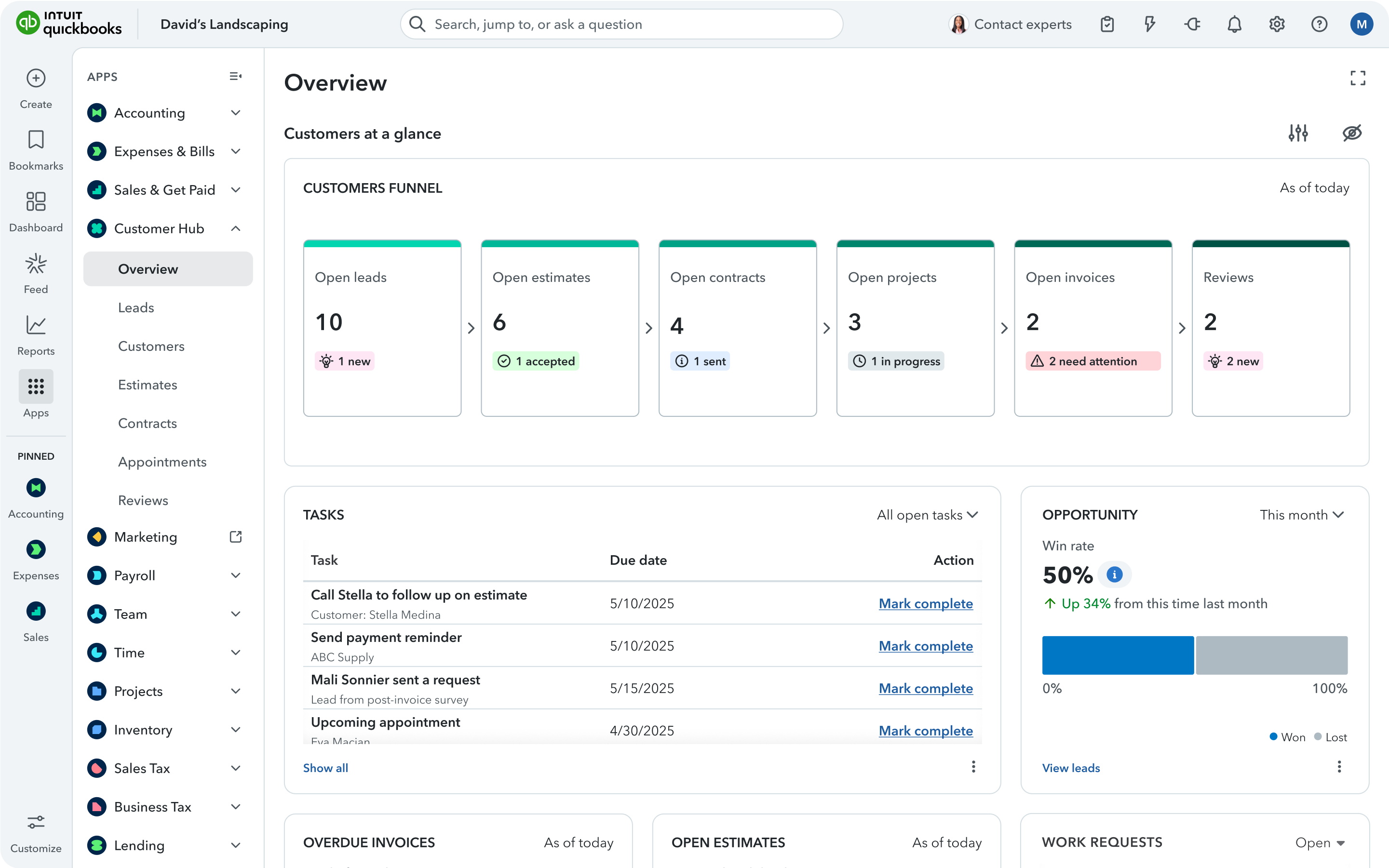
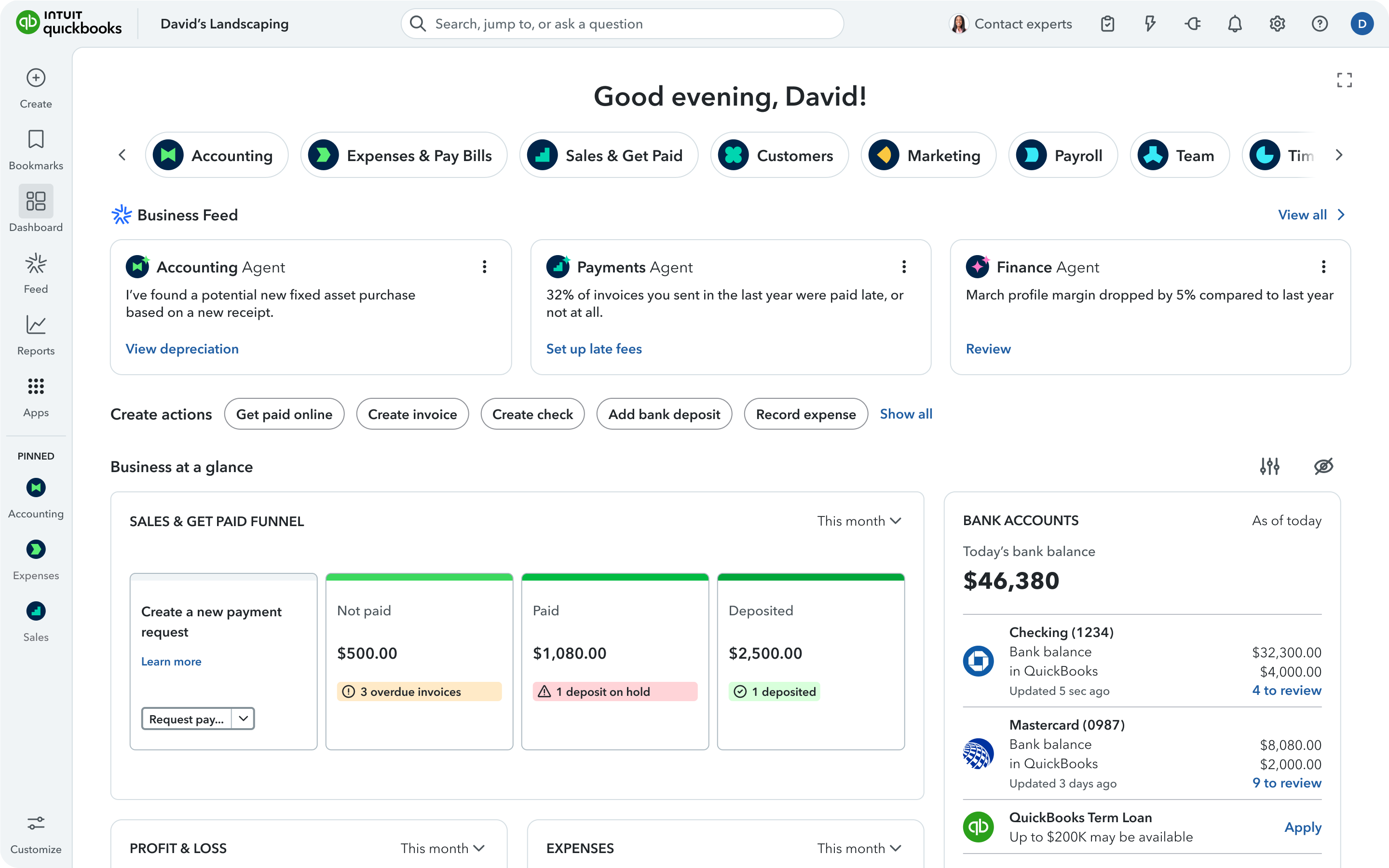
QuickBooks Online is a SaaS version of the QuickBooks product. It contains all of the features found in the local version. Higher-priced plans include greater automation, payment management, inventory and time tracking, and analytics features.
$38
per month
Pricing
Azure API Management
BILL
QuickBooks Online
Editions & Modules
Consumption
0.042 per 10,000 calls
Lightweight and serverless version of API Management service, billed per execution
Developer
$48.04
per month Non-production use cases and evaluations
Basic
$147.17
per month Entry-level production use cases
Standard
$686.72
per month Medium-volume production use cases
Premium
$2,795.17
per month High-volume or enterprise production use cases
Isolated
TBA
per month Enterprise production use cases requiring high degree of isolation
Apigee is by Google and seems to be promising. The cost seems high though. With Azure, we do not have to make any special purchases. CapEx vs OpEx! But, Apigee could be more environment independent compared to Azure APIM. The promise of speed by Apigee is also better compared …
It’s a great tool, and so easy to seamlessly connect into your current Azure world that it’s hard not to look at it or even test the waters with it. It’s priced well, and is feature-rich enough to accomplish most tasks. I think the ease of having everything together and the …
1. Automation & Workflow Efficiency.2. Integration Capabilities with other softwaresWe needed a centralized, automated, and scalable solution for managing both payables and receivables. The strong integration with our existing accounting software was a key factor.The platform …
top solution out there to simplify accounting and finance tracking. Only negative note: they started charging for every single client ACH payment done through Quickbooks. Originally this feature was free, but then it grew to up to $10 per transaction. Reason for which we had to …
In my last job, we used Clients and Profits (which isn't listed as a product). We switched from it to NetSuite and I believe used Epay to print checks from CSV import files generated from NetSuite. Bill.com seems way easier and streamlined.
Bill.com was something my employer uses in the US. But it certainly doesn't work here in Canada [in my experience]. Paypal is easy to retrieve payments from and Quickbooks is almost seamless. The sign-in process through the Bill.com App is ridiculous [in my opinion] and …
My client selected Bill.com. I would advise future clients to simply send a bank transfer or use an alternative service. I loathe PayPal but at least it works [in my experience].
I have received paper checks and direct deposit from my previous employers. Those are much much easier to use. The only problem I have had with those is being unable to deposit coin with my check for $x99.96 at some banks.
It's more flexible and affordable than Expensify and QB online. It allows a more novice user to understand and manage the backend of the platform. It costs less for growing companies since you don't have to sign a long contract. Its similar in flexibility of payments to PayPal …
Bill does not stack well against it competitors. I believe Sage Intacct Accounts Payable or Purchasing Module would be a lot better used for all Accounts Payable needs. I also believe AvidXchange and Concur would come into a close second due to the fact that the publishers …
We currently use Ariba, Coupa, Tungsten Network and many more invoice upload websites. Bill.com is a much easier user friendly site than majority of these other sites. Bill.com allows the upload process of invoices to be much simpler than many other sites. It also allows us to …
We are switching from Bill.com to Tipalti because it is able to handle everything Bill.com cannot and allows our company to quickly scale. Bill.com has had the opposite effect on our company. We could not continue to scale until we decided to stop using their service. It was …
Bill.com's strongest characteristic is that it integrates seamlessly with our GL system. Of the systems that I have used, Bill.com has required the least amount of mental energy ensuring that everything is being processed correctly and that all payments/transactions integrate …
Compared to Mineral.tree, Bill.com offers much of the same functionality at a much nice price point. I think Mineral Tree has Bill.com beat with some higher-end features, such as international capabilities, etc. Yet most domestic organizations do not require this advanced …
We looked at software called Connect Booster that would have integrated with another piece of software we use (ConnectWise). We selected Bill.com over Connect Booster because it was much more cost-effective. I wish there was a way to integrate credit card payments as well.
I have not come across another solution as complete as Bill.com. I have looked at Concur, Quickbooks bill payments, bank payment systems and even more advanced systems like Intacct or Oracle, but none of then provides the features and benefits of Bill.com.
I was not involved in the selection process but we implemented Bill.com when the business started in 2013, so we have used it from the beginning. We use QuickBooks Online for our management company bookkeeping but we choose to process payments through Bill.com because it's more …
Sage accounting is not very user friendly compare to the QuickBooks Online. When there are adjustments in the vendor accounts, it hard to process in Sage accounting and reconcile the accounts. In QuickBooks Online, it is easy to process the whole accounting with ease. The …
We have mainly only used QuickBooks for the past few years. The last time we evaluated another similar product was Square, and that was probably 5 years ago. QuickBooks was much more robust and, at the time, offered us more features overall than Square did. It just felt like a …
QBO is the cheapest of the mentioned options. It is much easier to navigate than NetSuite. Rillet and Campfire are still pretty new, so they are building out their different functionalities. QBO lacks the strength of the AI native platforms, like Campfire and Rillet, and it …
QuickBooks Online is best for small and mid sized businesses needing simple affordable accounting. Its starting price is from $19. Xero is stronger for collaboration with unlimited users. Their cost starts with 15, and they are good for flexible reports. Netsuite is built for …
QuickBooks is the best overall as it is intuitive and easy to use, whilst meeting the needs of a CFO. Xero is very popular for IFRS reporting standards and the English-speaking countries internationally. MYOB is the most popular in Australia. SAGE is very strong for …
The employer I am currently with already had QuickBooks in place. The other ERP systems are much more robust, however they come with a much steeper price that might not be necessary if the business is in its infancy.
QuickBooks Online makes working with clients in distant states more seamless. When my clients were on Desktop, I had to upload backups for the client to download and execute. They would frequently make changes and not tell me, which would lead to inaccurate reporting at the end …
I only selected QuickBooks online to control the cost of bookkeeping and accounting for my company. Freshbooks was a delight to use, with excellent support, intuitive UI, and easy integrations. The only reason I stay with QuickBooks is because I personally do not have the …
I initially chose QuickBooks Online because I had already used the desktop version and was familiar with the interface. I have not tried any other similar software.
Xero has alot of dead ends, you cant click through to things, you have to go all the way back out, theres no shortcuts, so it takes alot of time. With both, the transactions dont let you know they are connected to a bank feed transactions, you are just assuming they are until …
Sage Intacct is very difficult to use and the inter-face is decades behind QB online. The ease to which one can find and manage information on QB online versus Sage Intacct is remarkable. QB Online is made for people who actually manage and facilitate financial information. I …
Widely adopted by U.S. customers, Stronger tools, easier to download and save. We have been a QuickBooks Online customer for 10 years and the price nearly never increases and always stays roughly the same, and offers richer functionality than Xero. We had Xero mostly when we …
The range of policies that enable the APIs to loosely couple it with security, rate limit, retry, etc. are good. We can easily tie authentication mechanisms to external and other internal services without having to modify the backend.
It depends, Bill.com certainly has a strong reputation and I agree it can be a great solution in the right scenario but I think the implementation and initial setup are critical and need to be well thought out based on the setup of the organization you are a part of.
I appreciate the ability to auto-generate invoices for recurring transactions, which saves time, as well as the option to set up auto-generated transactions. The report option is super helpful when reviewing information, as you can click to view the details in the report without having to go back and forth.
Workflows for accounts payable invoice review are terrific.
Bill payment allows you to pay vendors online via ACH or check without having to write a physical check, which reduces admin time.
The cloud based login lends well to a remote or hybrid work environment for staff.
QuickBooks Online allows you to pre-configure vendors' general ledger expense accounts. This helps with general ledger coding accuracy and consistency.
QuickBooks Online integrates with Rippling HRIS, Coast, Capital One, JPMorgan Chase, etc., which lends well to an efficient month-end closing and reduced administrative time.
Cost - the upfront cost is a bit restrictive. I've been told it is because there are a few underlying VMs that are running this service. So if you're just starting out with API management, it can be an expensive proposition. Value increases as you add additional APIs. If you're using Azure B2C for the developer portal, you'll require Standard or Premium since they support AAD integration.
Security granularity - at time of writing, APIM doesn't support breaking out operations to products. For example, if you have an API that has a GET and a POST operation, and you want the POST operation to require a different subscription. There is a work around, but it makes management a bit messy.
Developer and Publisher portal - it's a little weird. Microsoft hasn't migrated all the publisher portal functionality into the "native" Azure portal. So some of it feels a little weird - especially when working with the content management side of things for the developer portal.
Scaling - while it's easy to scale up, the cost of APIM ramps up very quickly. Standard -> Premium is a 4x jump.
Voiding a bill in Bill.com is easy, but unfortunately, the void doesn't sync automatically to Quickbooks Online (unlike bill and bill payments, which do automatically sync). Bill.com is great in always telling you exactly what to do to correct it in your Quickbooks Online software, but it would nice if there weren't extra steps you had to take when this happens.
Bill.com only sends the first page of a bill with a check. Typically this isn't a problem, but in some instances, it's necessary for more than 1 page to be sent. It would be nice if Bill.com had a checkbox selection option to print up to a set number of pages (maybe up to 5) for an additional fee. Having the option would be great so I don't have to jump through hoops with other methods to try to get a bill paid, all because I need more than 1 page to go with the check.
Purchase Orders cannot be linked to multiple bill payments which makes tracking purchase orders in QuickBooks Online obsolete. Without the function we have to track this within a different more manual spreadsheet.
Would be helpful if you could "split" bank transactions directly from the "review" downloads from the bank. Currently, to split transactions to multiple accounts we need to first categorize, then review after assigning to 1 account.
While our firm does not use Bill.com internally, we know many customers that use Bill.com and are very happy with it. Based on the feedback from current users, I would say that the product should have a strong renewal forecast. Once customers move their AP to the cloud, they would be unlikely to move it back given a choice.
QBO needs better integration with non-Intuit products and developers need to use Intuit's open API to develop better add-ons. Clients are having a great deal of problems with their data importing from the bank and this takes time away from better revenue producing activities. Although the efficiencies are there, they are outweighted by the shortcomings of the product. When we ran a parallel of QBO versus other cloud accounting products, we had more issues with the QBO product than any other
Bill.com continues to raise the bar with new features and improved interface. The Fast Pay option is another innovation that reduces administrative time when you have to get an overnight check out. The new Chat Support interface, powered by Zopim, which is world-class, adds to the responsiveness of Bill.com's support team and makes getting real-time answers that much easier.
I had very little trouble setting up the program and migrating from our old accounting system. The daily usage is also very intuitive and easy. Anytime we run into minor trouble with the program, there are always tons of help available on YouTube, so we don't even look up the online manual anymore.
The only time Bill.com was ever "unavailable" was then the Sync to Quickbooks function failed. That happened a time or two but was usually quickly remedied. I'm not sure if that's an issue with newer online versions of Quickbooks Enterprise -- at the time we were using a remotely hosted Quickbooks instance accessed via terminal server (vs a cloud offering like Bill.com is)
I could not explain to them how I was trying to remove an old email account from my company page while granting the new email account access to the bank account that the first email account had added. The "set a bank account as inactive" button is labeled delete, but they don't seem to recognize that. I requested my Bill.com account be deleted on Wednesday so I could start all over with a fresh account; this seemed to be completed Wednesday night, but when I tried to create a new Bill.com account from the same email, it took me to my old bill.com account.
In my experience, most representatives keep me on the phone for hours, literally, for a single issue and then usually cannot resolve it satisfactorily. I have 10 open cases that need resolution and, in my experience, there has been NO follow-up communication on any of them.
The online training provided by Bill.com is concise and since the firm consistently improves the platform functionality, users are able to select the training for the modules they specifically need.
The person in charge of QB needs to be very accurate with record keeping and is recommended to stay on top of tasks. The biggest issue we have is reconciliation, and those issues occur only when too much time has occurred between reconciliations
Previously, we used Rydoo for submitting, approving, and receiving reimbursements. We switched to bill.com after changing our external tax consultants in the US. We still use Rydoo for the submitting and approving part and only use bill.com to receive payment. I admit I find Rydoo easier to use, with a cleaner interface and friendlier brand voice.
QBO is the cheapest of the mentioned options. It is much easier to navigate than NetSuite. Rillet and Campfire are still pretty new, so they are building out their different functionalities. QBO lacks the strength of the AI native platforms, like Campfire and Rillet, and it doesn't hang well with NetSuite on inventory.
As we have grown along our professional path, we have also expanded our use of QB. The scalability is easy and features seem to be waiting for you until you need them. We have increased profits by over 10x from our first year in business to the current and have yet to find a reason to look elsewhere
It’s really pay as you go, so it's not that costly to get in and try it out. There’s no expensive client to buy and manage, but you do need to stay on top of the rapidly changing Azure environment to be sure you upgrade or adjust when needed.
It’s not great having more than one API tool, but it’s ok to spread out your work, as you always want the right tool for the right job. For example, if you are a Salesforce-heavy organization, I’d go with Mule over Azure.
It was easy getting an external consultant access to the tool to build their own API for a project they were working on for us.
After receiving an offer to 'finance' outstanding invoices, I was enticed by the promise of a 3% total cost for a 60-day period, with the possibility of extending the financing for an additional 10 months (for an additional fee). Eager to access funds, I decided to finance an invoice worth $17,160.00. Within 24 hours, BILL deposited $16,645.20 (97% of the invoice amount) into my account.
However, when the customer paid their $17,160 invoice four days later, instead of the funds being deposited into my checking account as I expected, BILL chose to retire the loan and retain my $514.80 fee for the 4 day advance period. This unexpected turn of events resulted in an effective interest rate of a staggering 273.75%. It was clear that this arrangement was far from what I had initially understood, and the financial impact was outrageously high.
Frustratingly, my attempts to resolve this issue through customer service were in vain, as I spoke with three agents who provided no satisfactory solutions. To anyone contemplating using BILL's services, I strongly urge you to carefully scrutinize the fine print and consider opting for a more reputable finance company."
I think the help function is cumbersome and hard to use. When I go to refresh myself on a function, say quarterly, I feel like I have to cast about just looking for it.
The account reconciliation works, but in this place that could benefit from messaging, there are no easy helping functions flagging things like amounts that fit the discrepancy.
Even styling invoices and documents is more cumbersome than it should be.