Chose Acumatica
We selected Acumatica because it is more configurable and more adaptable than Dynamics.

| Product | Rating | Most Used By | Product Summary | Starting Price |
|---|---|---|---|---|
 Acumatica | N/A | Acumatica delivers a set of cloud-based business software applications with dashboards, reporting tools, integrated document management, centralized security, and customization tools. | N/A | |
 Odoo | Mid-Size Companies (51-1,000 employees) | Odoo, from the Belgium-headquartered multinational company of the same name, is a suite of business applications for managing the sales pipeline. It also comprises a PoS and inventory management modules, scaling to a warehouse or retail management solution. | $31.10 per month per user | |
 SAP Ariba | N/A | With advanced tools to automate manual processes and support close collaboration with suppliers, SAP Ariba helps streamline source-to-pay processes across organizations. | N/A |
| Acumatica | Odoo | SAP Ariba | ||||||||||||||||||||||
|---|---|---|---|---|---|---|---|---|---|---|---|---|---|---|---|---|---|---|---|---|---|---|---|---|
| Editions & Modules | No answers on this topic |
| No answers on this topic | |||||||||||||||||||||
| Offerings |
| |||||||||||||||||||||||
| Entry-level Setup Fee | No setup fee | -$49,321,250 per app/ per user/ per month | Optional | |||||||||||||||||||||
| Additional Details | Pricing is always consumption-based with no five-year lock-ins or termination penalties. The Acumatica ERP pricing structure allows adding casual users, suppliers, and customers without paying for additional licenses. The cost is based on the features and resources utilized, not on the number of users who access the system. An Acumatica partner works with users to understand specific requirements, determine the proper resources and modules for the company, and presents a price for the license. | A discount is offered for new users for the first 12 months of use for the initial users purchased. ($24.90 instead of $31.10 for Standard) | — | |||||||||||||||||||||
| More Pricing Information | ||||||||||||||||||||||||
| Acumatica | Odoo | SAP Ariba | |
|---|---|---|---|
| Considered Multiple Products |  Acumatica  Hardik Thacker Financial research analyst Chose Acumatica Acumatica excels well against other tools due to its rich set of capabilities like deep integrated project management, financial management, scalable unlimited users, robust real-time visibility and strong customisation, outperforming Odoo's variable modules and QuickBook's …  Darren Francis Chief Risk & Compliance Officer Chose Acumatica Acumatica beats them hands down. No comparison  Brian Flaten It Director Chose Acumatica The go live time is better in Acumatica. The developer learning path is better in Acumatica. The Acumatica community is so strong |  Odoo  María Gabriela Gómez Parejo logistic analyst Chose Odoo Well, since I started my current job we use Odoo as ERP for everything, in my previous jobs I used other systems but they have nothing to do with this system, but personally, it is a very friendly and easy to use system, they trained me for a couple of days and it was quite …  Robert Hochberg Revenue & Administration Manager Chose Odoo Odoo is much easier to use than SAP and is much more adaptable and cost effective. Odoo is much more of a complete system than Quickbooks and more thorough in its approach. If you have a very basic business to run, Quickbooks could work, but if you have any customizations that …  Elliott Andrews Marketing Manager Chose Odoo They don't even compare. Odoo is so bad with its UI it took me months to learn, and still be confused by it. Within less than a month using HubSpot I've surpassed my limitations and set up far more complex systems.  Franz Josef Bautista Chief Information/Security Officer Chose Odoo Odoo offers great ease of use and time to market. You can build on modules and integration, not an issue since the system will say "before" setup what modules relate to what you want. And in some instances will even install needed modules without your having to guess.  Oscar Alcalá Software Architect Chose Odoo Ease of use, scalability, the evolution of features every year, a big community. |  SAP Ariba  Nishant Thakkar Senior Analyst Chose SAP Ariba SAP offers deep sourcing capability, stronger compliance functionality, and largest suppliers network making Ariba is a good choice of MNCs  Kathiravan Subramaniam Assistant director Chose SAP Ariba Coupa is very easy to use. The screens are user-friendly. Less adoption time.  Vishal Abhishek Technical Lead Chose SAP Ariba We are utilising business network to connect with supplier for our PO process by maintaining trading relationship which helps supplier to submit invoice using business network. Also active trading relationship help us to integration contract clid to sap ecc system . Even for … |
| Acumatica | Odoo | SAP Ariba | |||||||||||||||||||||||||||||||
|---|---|---|---|---|---|---|---|---|---|---|---|---|---|---|---|---|---|---|---|---|---|---|---|---|---|---|---|---|---|---|---|---|---|
| Payroll Management |
| ||||||||||||||||||||||||||||||||
| Customization |
| ||||||||||||||||||||||||||||||||
| Security |
| ||||||||||||||||||||||||||||||||
| Reporting & Analytics |
| ||||||||||||||||||||||||||||||||
| General Ledger and Configurable Accounting |
| ||||||||||||||||||||||||||||||||
| Inventory Management |
| ||||||||||||||||||||||||||||||||
| Order Management |
| ||||||||||||||||||||||||||||||||
| Subledger and Financial Process |
| ||||||||||||||||||||||||||||||||
| Project Financial Management |
| ||||||||||||||||||||||||||||||||
| Project Execution Management |
| ||||||||||||||||||||||||||||||||
| Grants Management |
| ||||||||||||||||||||||||||||||||
| Procurement |
| ||||||||||||||||||||||||||||||||
| Risk Management |
| ||||||||||||||||||||||||||||||||
| Logistics |
| ||||||||||||||||||||||||||||||||
| Manufacturing |
| ||||||||||||||||||||||||||||||||
| Supply Chain |
| ||||||||||||||||||||||||||||||||
| Product Lifecycle Management |
|
| Acumatica | Odoo | SAP Ariba | |
|---|---|---|---|
| Small Businesses |  Zoho One Score 9.3 out of 10 | Zoho One Score 9.3 out of 10 |  MIP Fund Accounting Score 8.7 out of 10 |
| Medium-sized Companies |  Infor VISUAL Score 7.3 out of 10 | Infor VISUAL Score 7.3 out of 10 |  Precoro Score 9.5 out of 10 |
| Enterprises |  24SevenOffice Score 9.0 out of 10 | 24SevenOffice Score 9.0 out of 10 |  SAP Cloud ERP Score 8.6 out of 10 |
| All Alternatives | View all alternatives | View all alternatives | View all alternatives |
| Acumatica | Odoo | SAP Ariba | |
|---|---|---|---|
| Likelihood to Recommend | 8.8 (0 ratings) | 7.4 (0 ratings) | 7.9 (0 ratings) |
| Likelihood to Renew | 9.5 (0 ratings) | 1.0 (0 ratings) | 8.1 (0 ratings) |
| Usability | 8.2 (0 ratings) | 8.5 (0 ratings) | 7.7 (0 ratings) |
| Availability | 9.0 (0 ratings) | - (0 ratings) | - (0 ratings) |
| Performance | 7.7 (0 ratings) | - (0 ratings) | - (0 ratings) |
| Support Rating | 7.6 (0 ratings) | 1.0 (0 ratings) | 5.5 (0 ratings) |
| In-Person Training | 6.6 (0 ratings) | - (0 ratings) | - (0 ratings) |
| Online Training | 7.7 (0 ratings) | - (0 ratings) | - (0 ratings) |
| Implementation Rating | 6.9 (0 ratings) | - (0 ratings) | 7.3 (0 ratings) |
| Configurability | 7.6 (0 ratings) | - (0 ratings) | - (0 ratings) |
| Ease of integration | 7.1 (0 ratings) | - (0 ratings) | - (0 ratings) |
| Product Scalability | 8.0 (0 ratings) | - (0 ratings) | - (0 ratings) |
| Vendor post-sale | 5.2 (0 ratings) | - (0 ratings) | - (0 ratings) |
| Vendor pre-sale | 6.9 (0 ratings) | - (0 ratings) | - (0 ratings) |
| Acumatica | Odoo | SAP Ariba | |
|---|---|---|---|
| Likelihood to Recommend |
|
|
|
| Pros |
|
 David MacDonald IT Manager |
 Alok Kumar Consultant |
| Cons |
|
|
|
| Likelihood to Renew |
| No answers on this topic |
|
| Usability |
|
Robert Hochberg Revenue & Administration Manager |
 Anuj Sant Senior buyer |
| Reliability and Availability |
 DANYEL SULLIVAN-MARRERO, CPA, MBA Controller | No answers on this topic | No answers on this topic |
| Performance |
| No answers on this topic | No answers on this topic |
| Support Rating |
|
|
|
| In-Person Training |
DANYEL SULLIVAN-MARRERO, CPA, MBA Controller | No answers on this topic | No answers on this topic |
| Online Training |
 Julie Weber Director of Finance & Accounting | No answers on this topic | No answers on this topic |
| Implementation Rating |
 Scott Rutkowski, CLP CIO (Chief Information Officer) | No answers on this topic | No answers on this topic |
| Alternatives Considered |
Hardik Thacker Financial research analyst |
|
|
| Scalability |
DANYEL SULLIVAN-MARRERO, CPA, MBA Controller | No answers on this topic | No answers on this topic |
| Return on Investment |
|
María Gabriela Gómez Parejo logistic analyst |
|
| ScreenShots | Acumatica Screenshots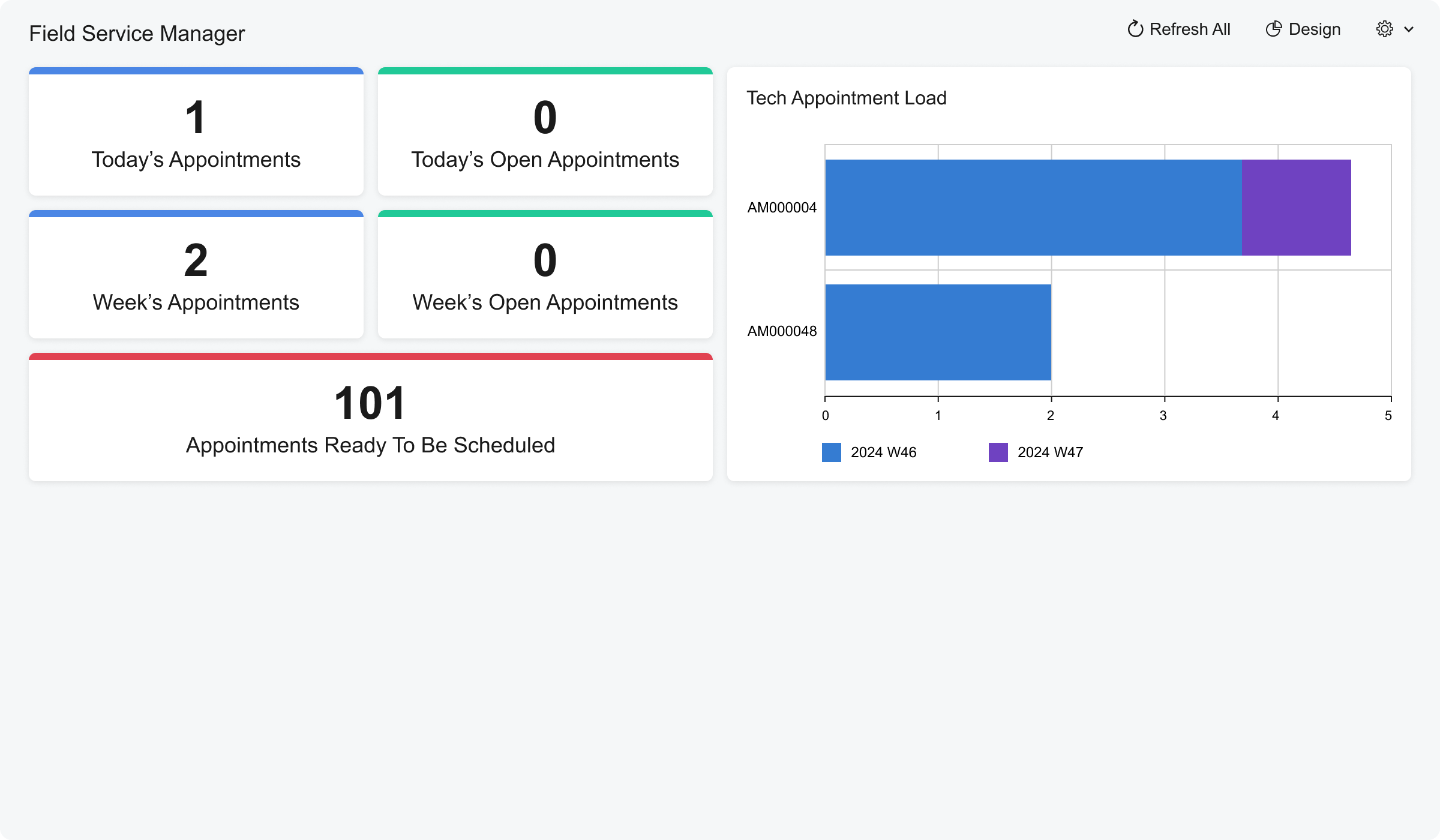 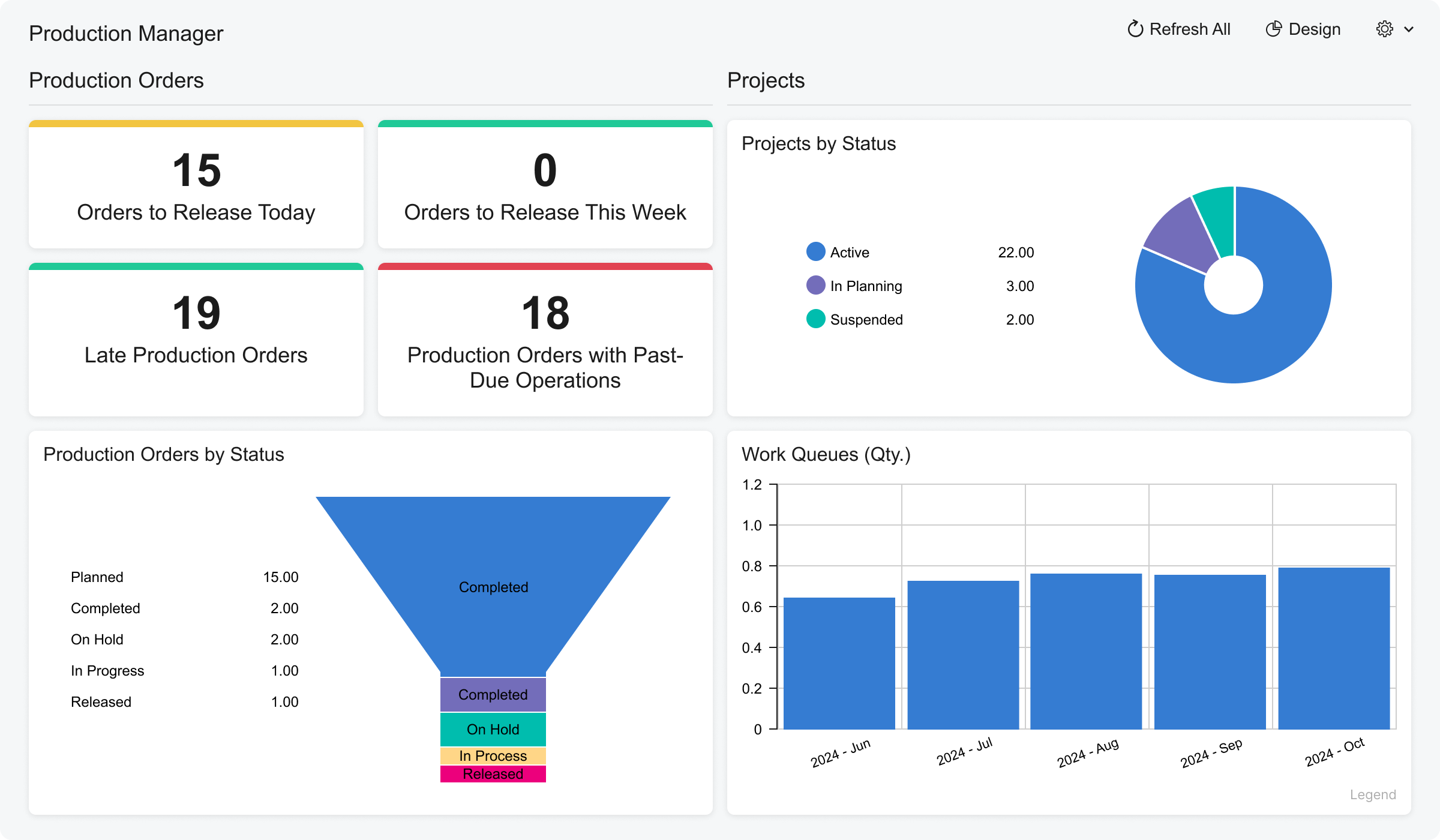 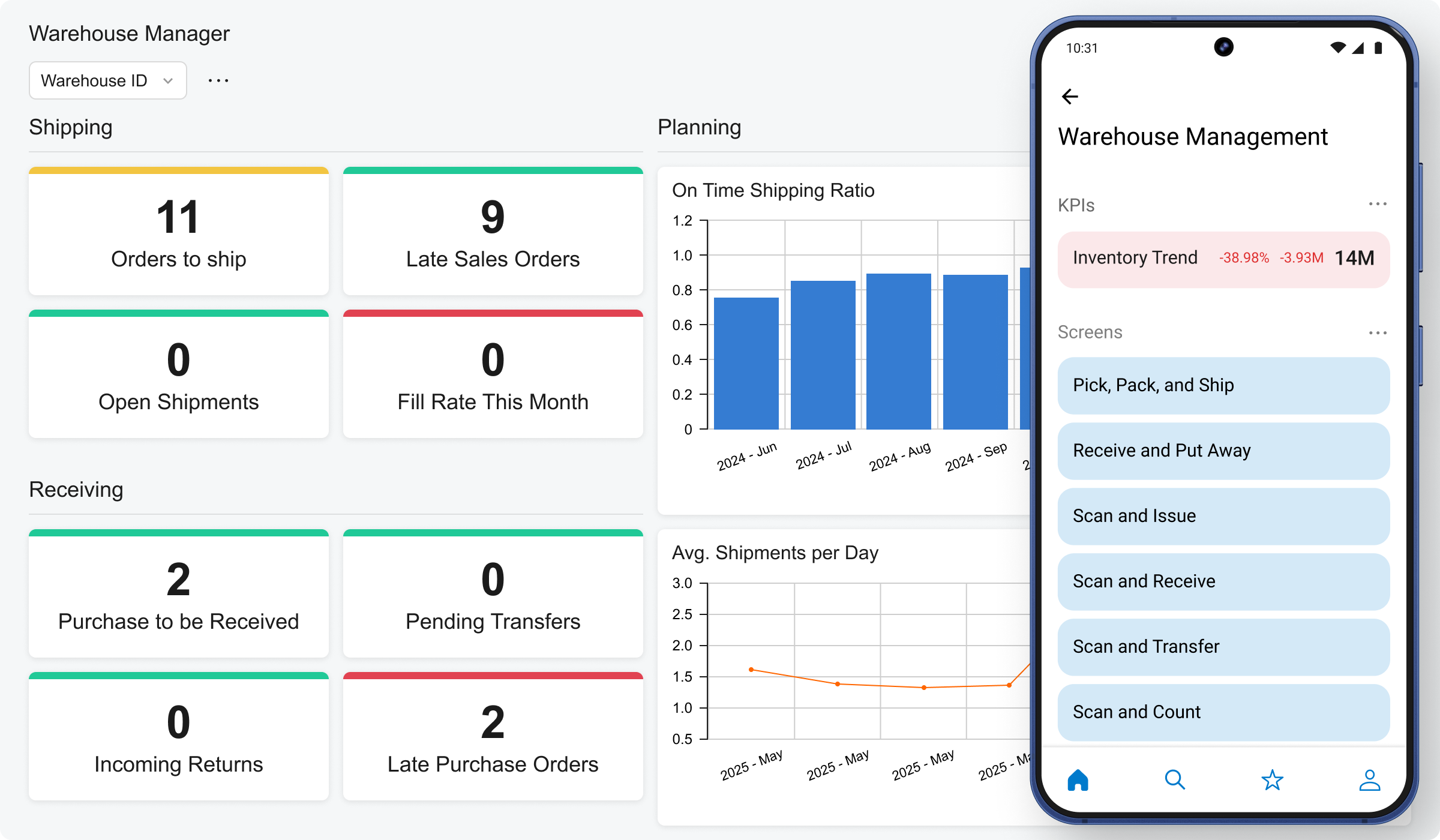 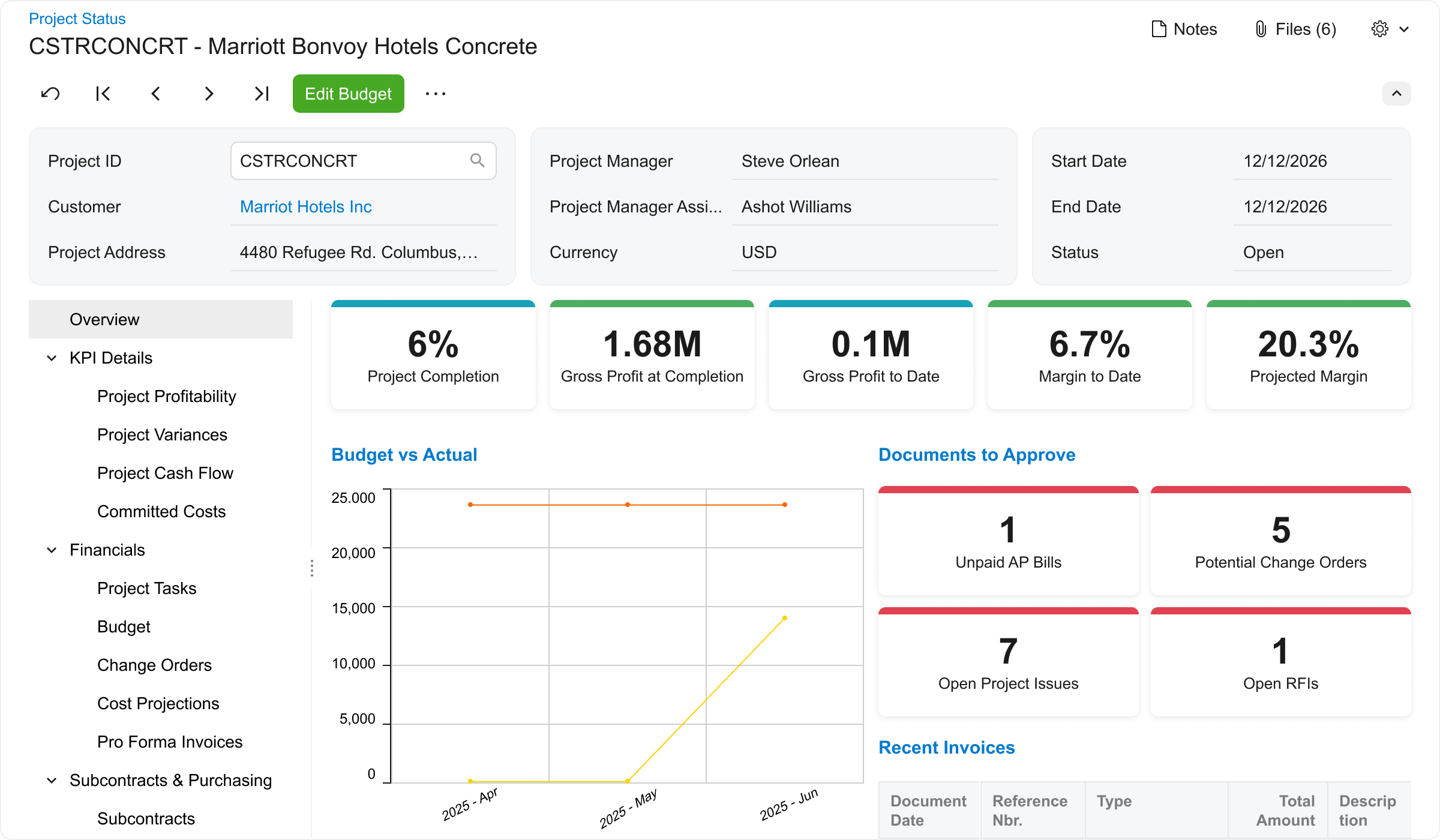 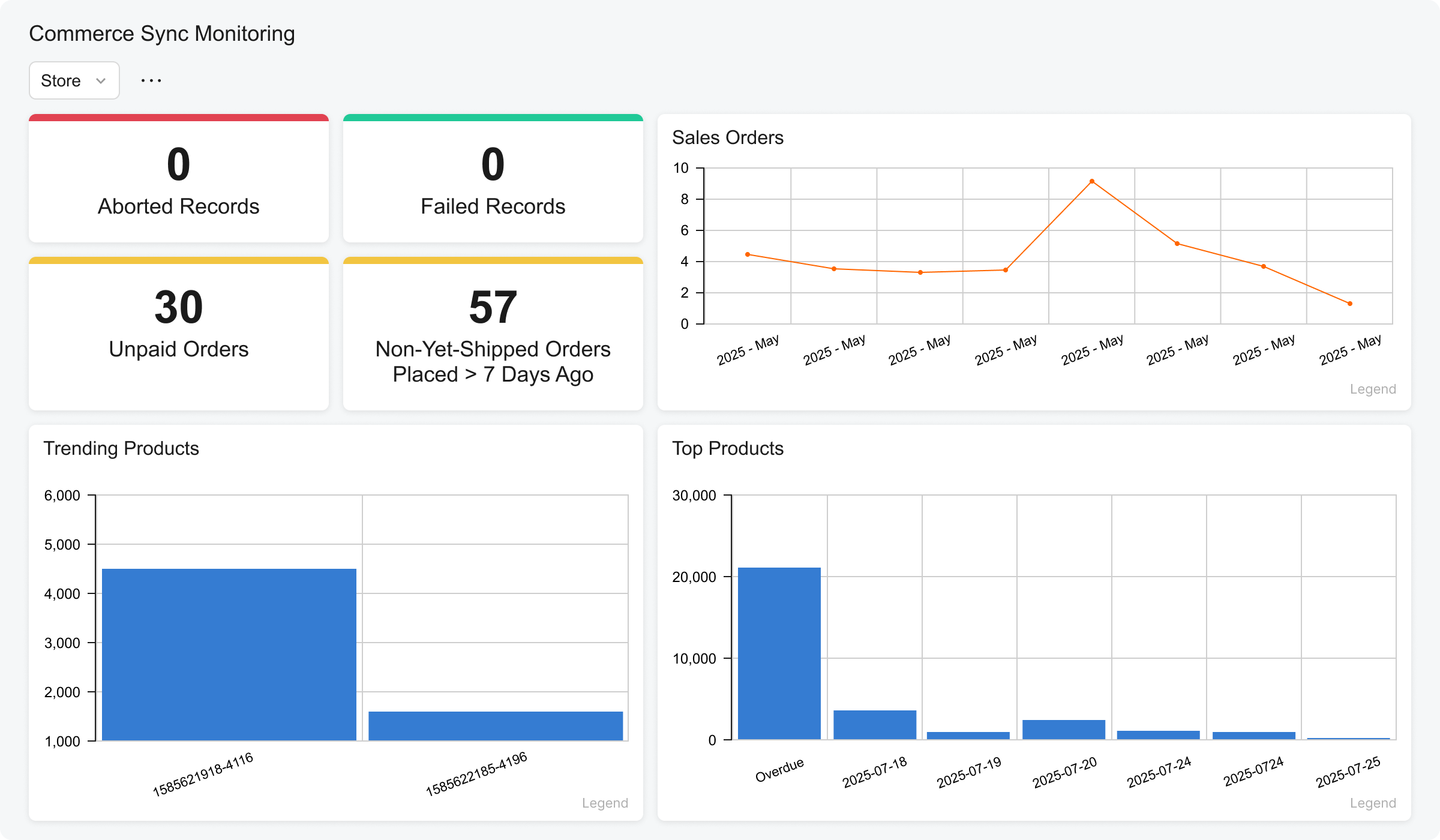 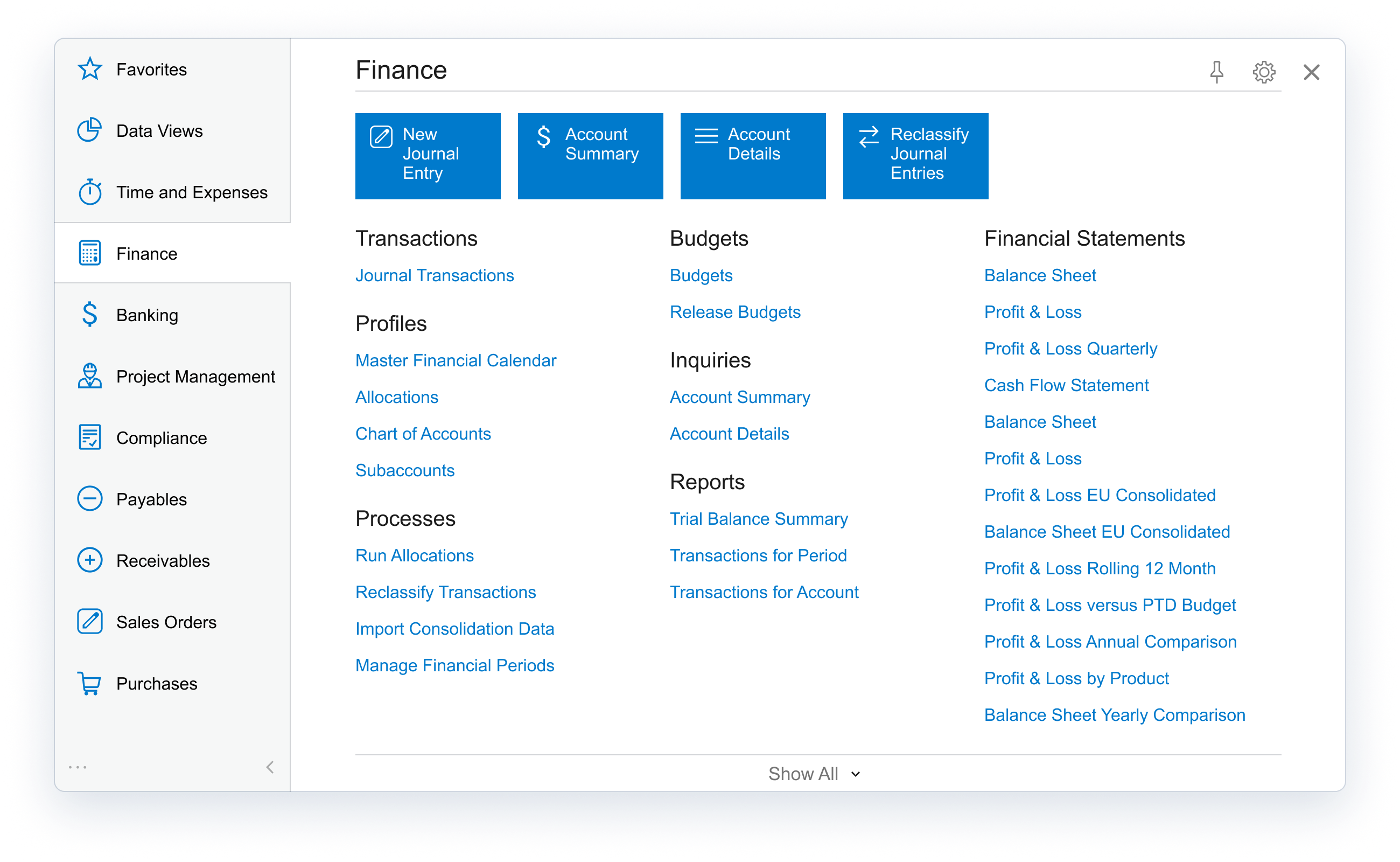 | Odoo Screenshots 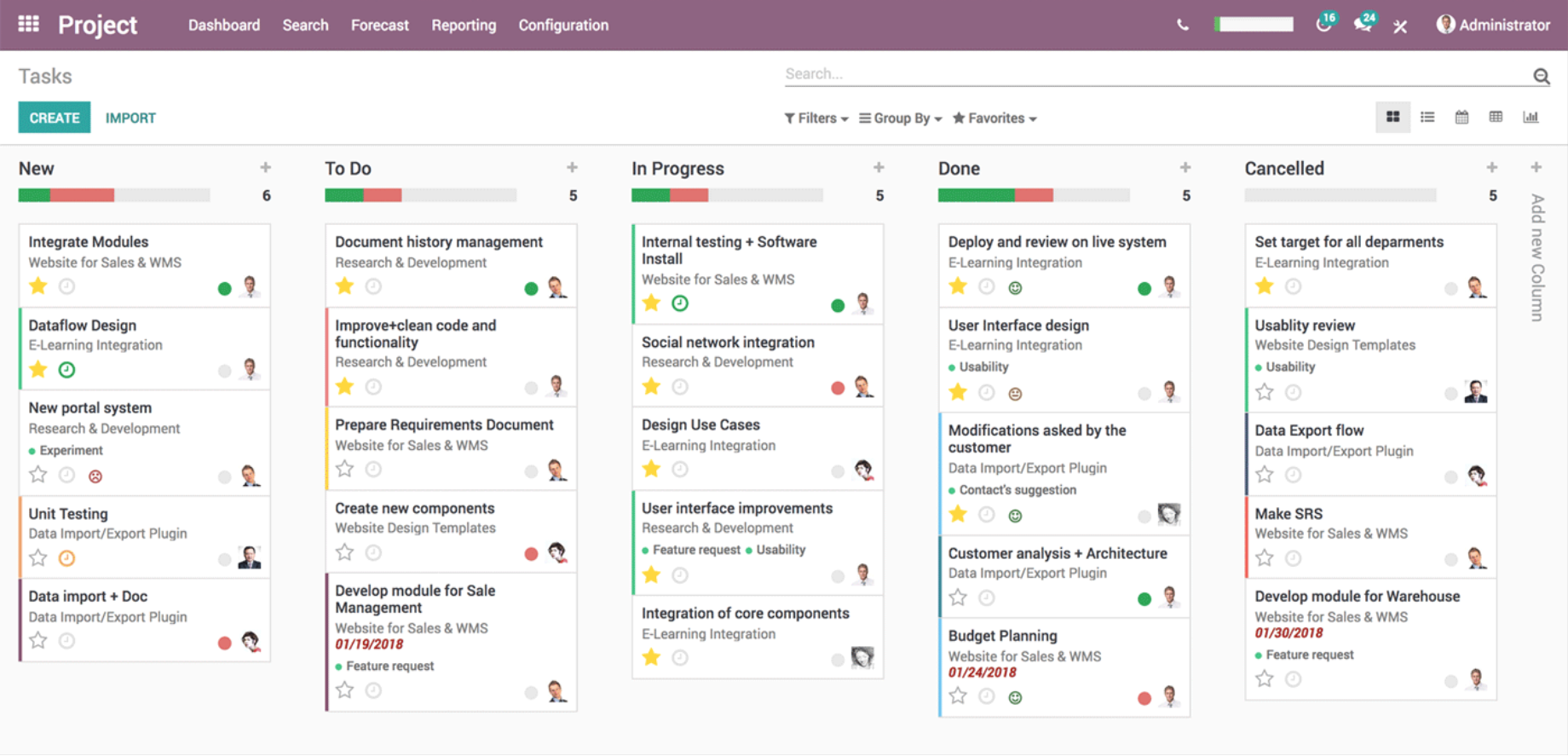   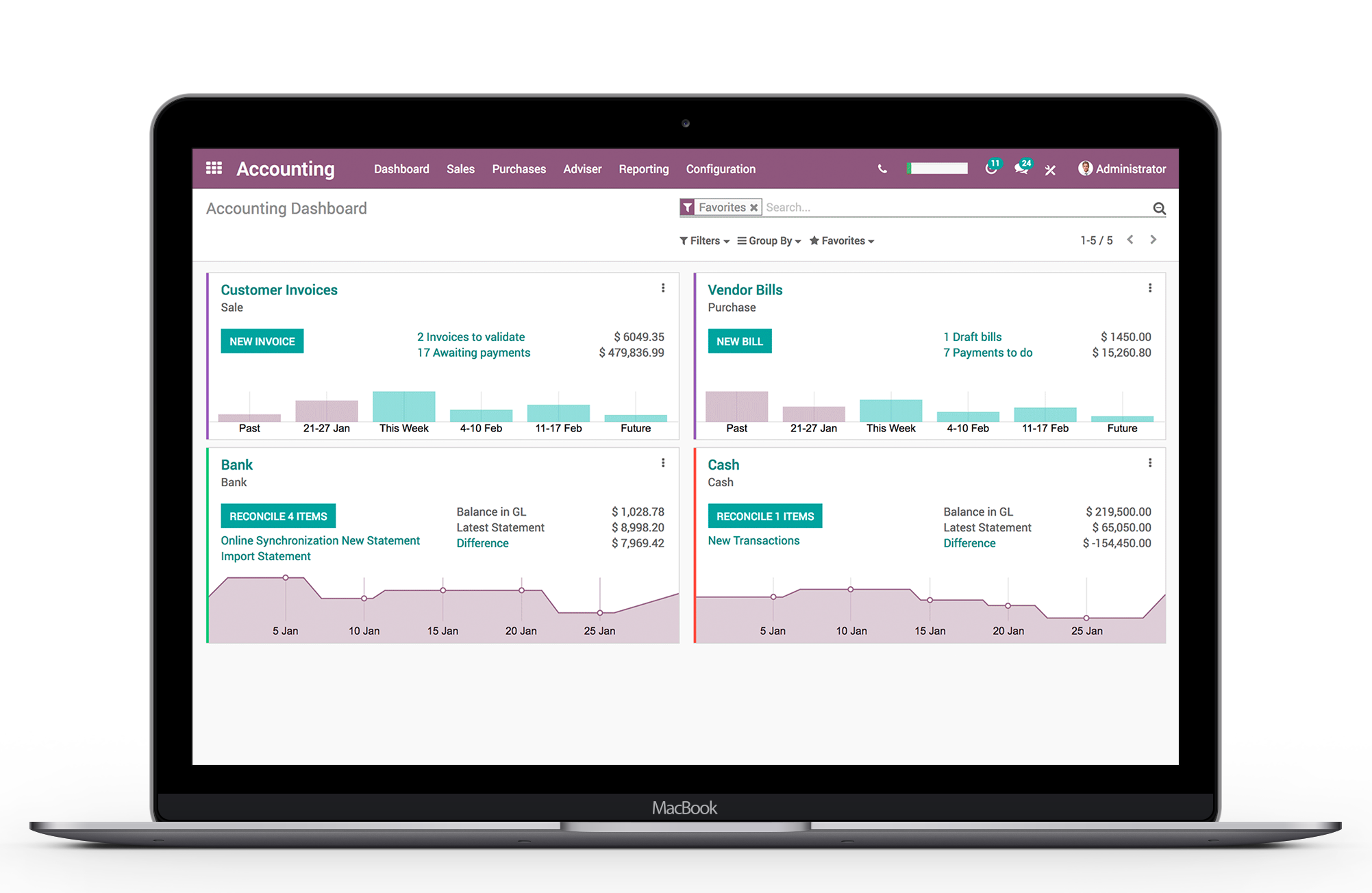 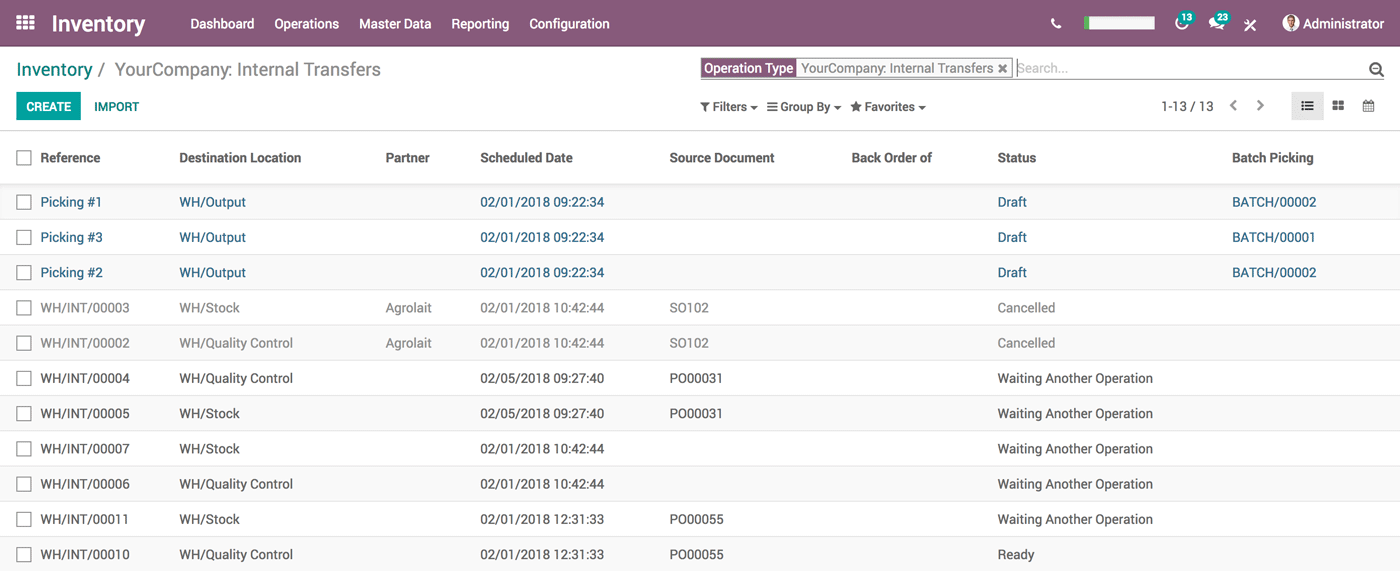 | SAP Ariba Screenshots    |