Cisco Duo is a two-factor authentication system (2FA), acquired by Cisco in October 2018. It provides single sign-on (SSO) and endpoint visibility, as well as access controls and policy controlled adaptive authentication.
$3
per month per user
WatchGuard AuthPoint
Score 9.0 out of 10
N/A
WatchGuard AuthPoint protects workforce logins to desktops, VPNs, and cloud applications, from Windows and macOS sign-in to Microsoft 365 and third-party SaaS. It runs on WatchGuard Cloud, the same console that manages WatchGuard network and endpoint security. An MSP or an IT team can cover identity without adding another vendor to the stack. When MFA alone is not enough Day-to-day authentication runs through the AuthPoint mobile app, with push, QR code,…
Cisco Secure Access by Duo, against WatchGuard AuthPoint, is a broader tool with more applicability across applications to my knowledge. I also find it to be faster, and simpler for users to understand. For example, with Authpoint, the tokens that appear and "count down" seem …
Cisco Duo exceeds the WatchGaurd Authpoint product on every metric. Its easier to implement. More flexible in how its applied. And it allows much more features and granularity in how it can control access
As we were on Cisco VConnect mobility client, we felt the ROI of using a Cisco auth client would be much better even though when we took this decision, remote working wasn't in vogue. That's the main business reason for going with Duo / Cisco Secure Access, by Duo--a …
AuthPoint integrates with our WatchGuard driven security stack, and is therefor the obvious choice. Competitive pricing. One vendor means streamlined implementation and management, streamlined support.
Having the Multi-Factor Authentication developed by the same developer of the devices we use is very beneficial when we have to troubleshoot something. Support is great and is very responsive. Clients seem to prefer using their software over another vendor. The app is very …
We use different 2FA providers to secure different things. We are actively using Duo now, as well as WatchGuard AuthPoint. Each provider has different strengths, and you must test the applicability of a service in your own environment.
We reviewed and tested Duo, but having already WatchGuard products, and WatchGuard AuthPoint also having more capabilities, we ended up with them. One less vendor to deal with and also knowing them for a long time and having a great relationship was the key factor to move …
The biggest reason we selected Watchguard was support. We already use Watchguard firewall products and have received excellent support from our third-party vendor, Watchguard.
I would slot Authpoint (as a product) as better than ESET but not Duo. ESET has the same limitations as Watchguard in the OTP support. It also is an on-prem installed console rather than a cloud, which increases cost and maintenance requirements. The duo now supports standard …
WatchGuard AuthPoint is less expensive than most competitors, easier to manage through WatchGuard Cloud, and the MFA solutions is rock solid and secure. We do not worry about vulnerabilities with WatchGuard AuthPoint.
WatchGuard AuthPoint has similar or more features than both Duo and Microsoft 365 Azure MFA. Its setup guides are much more fleshed out than Microsoft's and it is priced lower than both options. As long as your options for the 3 years licensing.
Duo Secure works in a very similar way. We utilize WatchGuard routers & access points in all our offices. We use the WatchGuard Mobile VPN software too. We knew that the WatchGuard AuthPoint would integrate well with our current equipment.
AuthPoint has better integration with the product stack. Simpler to implement. Less complex of a setup. Easier to explain to customers and easier training for the engineering/support team. Licenses per user are good value and affordable for the majority of our small and …
AuthPoint was a clear choice when comparing these products. With a mixed OS environment, Cisco Duo did not seem to work well. Azure MFA does not work with MAC OS. Watchguard AuthPoint met what we needed.
The product works great but needs more control on the device itself (no jailbroken device, check the local update, etc). The GUI is more clean and simple on the Authpoint side.
We have implemented both Azure VPN Gateway & Cisco Duo in our environment alongside AuthPoint. Each has a different use case. Azure VPN client (we are using this with O365 MFA) is a split tunnel solution, relatively cost-effective and easy to use - the beauty of the solution …
For secure access to apps and business data, I recommend Cisco Duo. It offers SSO, MFA, and Passwordless access, ensuring teams can securely access business data. It is easy to customize and comes with top-tier security features. It protects business data, apps, and users.
Works great as a 2FA token, for endpoint control, for computer and server updates, for scheduling updates, and for patching security features when exploits become known. Remote connection is very reliable and doesn't drop in and out as many programs do. It may not be as appropriate if you are looking for a plug-and-play control, as it requires more learning and setup to get it set up correctly.
We use Cisco Duo with different type of device and application, but we never face any difficulties to integrate Cisco Duo with any of them.
We integrated Cisco Duo with some of our active directory and some of the OS are quite old but Cisco Duo works totally fine with them.
The end user application is very easy to use. We never had any complain from non tech team members of having trouble of using Cisco Duo.
There are several authentication methods available rather than passcode. I personally like the push notification which is always on time and quite fast.
Should have device to device connection ability whereas internet is not met.
Changes of device can be sorted and easily made using a second email address or any other identification method.
Troubleshooting should be easy to sort out. One time, a Duo admin deleted the authentication group, and some employees were not getting push notifications. It was very hard to find out the cause. Duo should have some troubleshooting finder.
Sometimes push notifications are delayed, and the code does not work. At that time, we need to enroll the device again. Not sure why it happens. Duo should give reasons for the error.
Email support is SLOW unless I want to allow a stranger to access my production firewall. That is never allowed here, so our hands are tied in terms of being able to get support in less than 48 hours.
Again, support takes far too long because you refuse to employ any staff that works in US time zones during normal business hours.
There has to be another option besides: 1) you take full control of my systems or 2) I wait on SLOW email support that isn't that great.
There are a lot of competing solutions on the market; however, Duo "just works", and there is little to no learning curve for the new members to be acclimated to it. As long as that continues I see it as the preferred option moving forward
Today to ensure our ISO 27001 certification it is important that we maintain this solution. Today it is part of the way any employee within the organization works, we no longer have any other way of working and it is the simplest way to ensure that access to the workstation is done with MFA.
La interfaz es intuitiva y fácil de navegar, lo que permite a los usuarios administrar sus dispositivos y acceder a las políticas sin problemas. La integración con las aplicaciones SSO y SaaS facilita aún más el proceso de acceso, mejorando la experiencia del usuario.
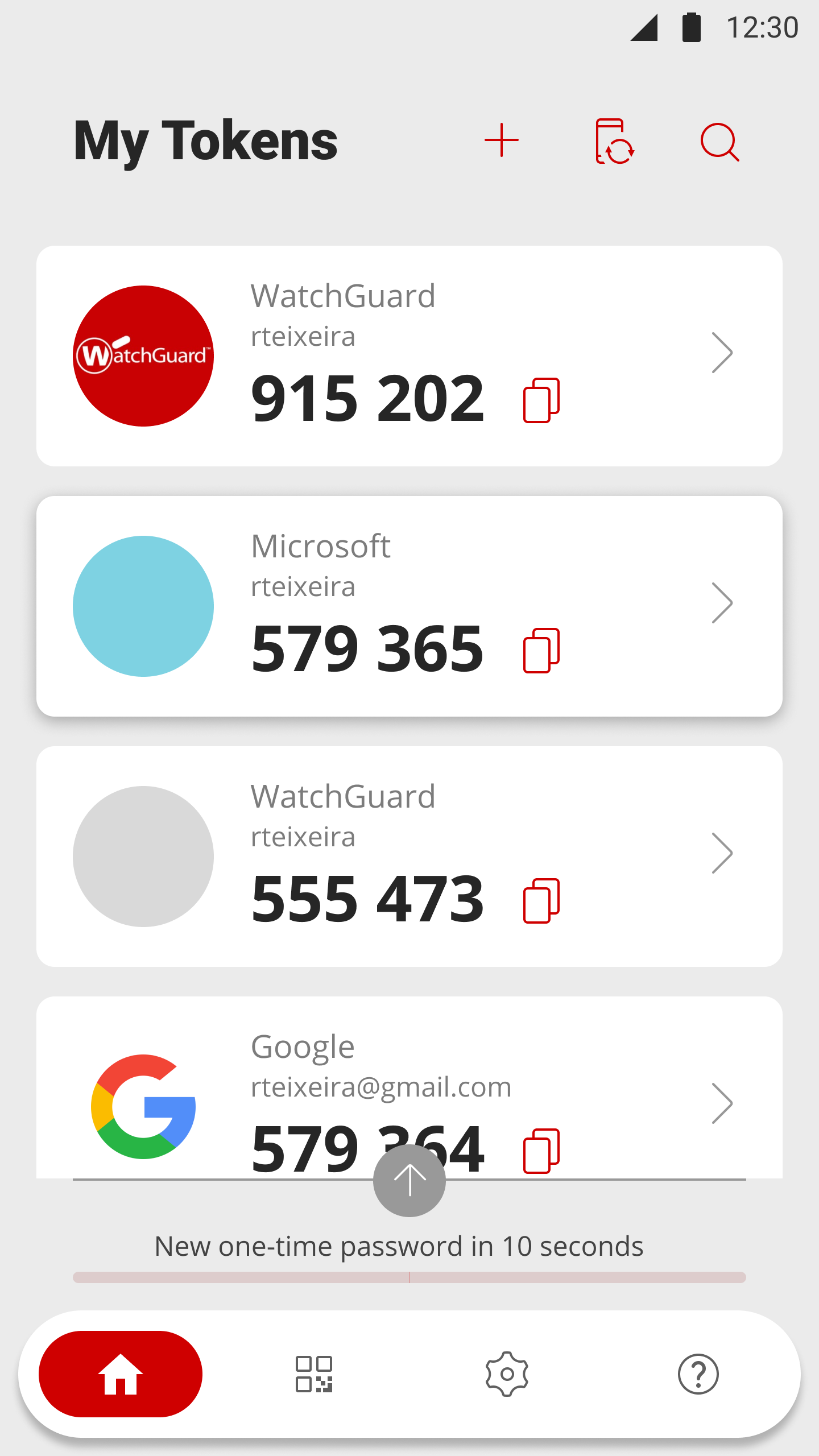
After initial setup, it practically runs itself. Onboarding new users is fast and easy as it should be. The AuthPoint mobile app is small and simple to use. The only reason I do not give it a 10 is that I frequently get complaints from end users that the AuthPoint app is "constantly downloading". In fact, it's not downloading anything and that what the users are seeing in the app is a timer for the 6-digit code that changes every minute.
In the last 5+ years we've been using Duo, there may have been 1 outage that impacted us. We do receive periodic notifications of issues but, for the most part, they impact carriers or functionality that we either don't use, or do not care about.
I have not needed direct support for Cisco Secure Access by Duo as I have not had a problem with it, but I have full confidence that the support is outstanding. It is now a core component of the corporate technology stack - a problem would mean a serious degradation in the ability of the company to function.
WatchGuard support is always quick and reliable. They have urgency levels that you are able to select when creating your support ticket, and they respond in accordance to the severity that you have set. I have never had an issue with getting someone on the phone in the same business day, even for very low priority issues.
It was an Onsite demo at the ditributor with the benefits of Watchguard Authpoint. Was very nice to see the abilities of the product. This Demo was a few years back, since then Authpoint changed allot. It is very nice for partners that you can get this demo without any aditional cost.
We use the online training for all our employees. There are both sales and technical trainings available and there even is a technical certification. You can use this for the Watchguard Partner Program which can give you aditional benefits. Every now and then you have a webinar that discusses multiple Watchguard products.
Documentation could have been better. I had to piece together different KB/admin guides to make certain things work and I also had to use third-party guides to get bits of information that were missing from Cisco Duo documentation. Support was also engaged multiple times to figure out an issue and after some back and forth it was usually determined that the information I needed was hidden somewhere else and had no direct correlation with the document that was linked from the platform.
the first time it takes more effort. It is helpful to already understand how each authentication type works. Then it's much easier to understand the MFA solution that you implement. It is useful to check the release notes from time to time and update the key parts of the Watchguard Authpoint. Authpoint Gateway, Logon App, RDWeb... Also, it's useful to set up notifications when something goes wrong or sometimes check the statistics of how many requests are being approved/denied, etc.
Ultimately we ended up going with Cisco Duo because we are a Cisco shop. All of our networking infrastructure, our phones, our wireless environment is Cisco based. It made logical sense to stay with a product that we already have a line of support with. With a smaller support / tech group we depend on outside Cisco support. That support is already here for us, so we stayed with a Cisco product.
I would slot Authpoint (as a product) as better than ESET but not Duo. ESET has the same limitations as Watchguard in the OTP support. It also is an on-prem installed console rather than a cloud, which increases cost and maintenance requirements. The duo now supports standard OTP for admin accounts, so it can be managed by a team. Duo support however leaves a lot to be desired and gives Watchguard the edge
Cisco Duo has saved us from automated attacks on VPN. We had an instance is 2024 where our VPN was being brute force attacked, and we had several users' weak passwords compromised; however the VPN security groups, and the MFA kept the attacks from gaining access. We've since replaced our firewall with capabilities for limitations on country access for VPN, and beefed up our password complexity settings,
We currently have 300 users on Authpoint, and most of them use insecure passwords. Authpoint gives us peace of mind that we don't have to police individual employee passwords.
In line with the comment above, with so many people in our organization using insecure passwords, I'm sure that Authpoint has already saved us from many potential security breaches.
Security breaches can cost a lot of money. Preventing them saves the company money and helps to achieve our bottom line.